
Establishing clear goals and priorities forms the foundation of effective personal and professional development. This process provides direction and structure for managing competing demands on time and attention. Goal-setting begins with identifying specific short-term and long-term objectives that align with individual values and desired outcomes.
Written goals create a framework for decision-making and resource allocation, enabling more strategic use of time and energy toward meaningful results. Effective prioritization requires distinguishing between tasks based on their relative importance and urgency. High-impact activities that advance primary objectives should receive precedence over lower-value tasks.
The Eisenhower Matrix, which categorizes tasks as urgent/important, important/not urgent, urgent/not important, or neither urgent nor important, provides a systematic approach to priority management. This method helps prevent the common tendency to engage in busy work that creates an illusion of productivity without generating substantial progress toward key goals. Regular review and adjustment of goals and priorities ensures continued relevance and effectiveness.
Circumstances, opportunities, and personal objectives evolve over time, requiring periodic reassessment of established priorities. This ongoing evaluation process maintains alignment between daily activities and overarching objectives while allowing for strategic pivots when necessary.
Key Takeaways
- Set clear goals and prioritize tasks to enhance focus.
- Develop a consistent daily routine to boost productivity.
- Minimize distractions and take regular breaks to maintain energy.
- Use time management tools and technology for better organization.
- Practice mindfulness, stay positive, and seek support to sustain motivation.
Creating a Structured Routine
A structured routine can be a game-changer in your quest for productivity. When you establish a consistent daily schedule, you create a framework that helps you manage your time more effectively. Start by identifying the times of day when you feel most alert and focused.
These are the moments when you should tackle your most challenging tasks. By aligning your activities with your natural rhythms, you can maximize your efficiency and output. In addition to identifying peak productivity times, consider incorporating specific rituals into your routine.
For instance, beginning each day with a morning ritual—whether it’s meditation, exercise, or simply enjoying a cup of coffee—can set a positive tone for the hours ahead. Similarly, having a defined end-of-day routine can help you wind down and reflect on what you accomplished. This structure not only fosters a sense of stability but also allows you to develop habits that support your goals over time.
Eliminating Distractions
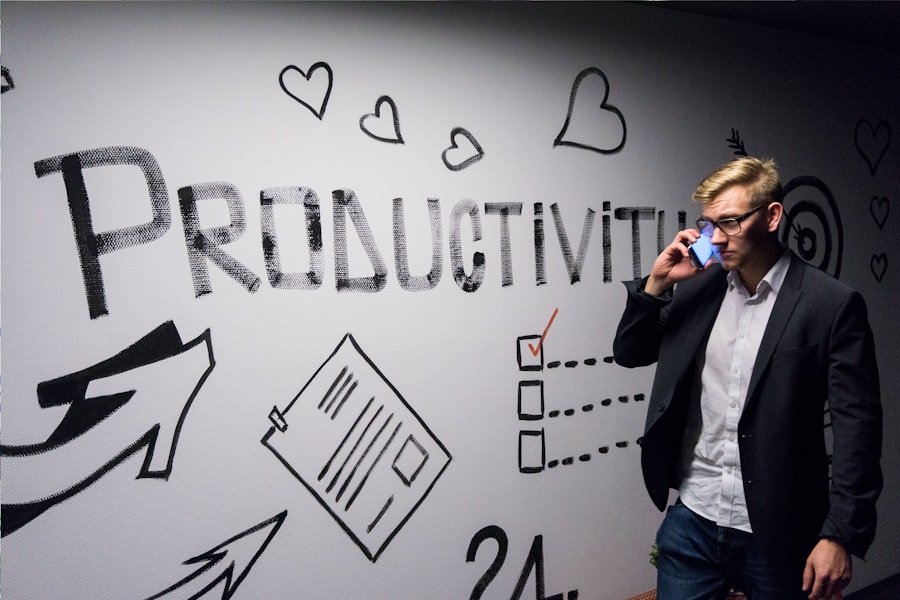
In today’s fast-paced world, distractions are everywhere, and they can significantly hinder your productivity. To create an environment conducive to focus, it’s essential to identify and eliminate these distractions. Start by assessing your workspace. Is it cluttered? Are there notifications pinging from your devices? Take proactive steps to minimize these interruptions. You might consider decluttering your desk or using apps that block distracting websites during work hours. Moreover, it’s important to cultivate a mindset that prioritizes focus. This may involve setting boundaries with others, such as letting colleagues know when you are unavailable for casual conversations or turning off notifications on your phone during work sessions. By consciously creating an environment that minimizes distractions, you empower yourself to dive deeper into your tasks and maintain a higher level of concentration.
Taking Regular Breaks
While it may seem counterintuitive, taking regular breaks can actually enhance your productivity. When you work for extended periods without pause, your focus tends to wane, leading to diminishing returns on your efforts. By incorporating short breaks into your routine, you give your mind a chance to recharge and reset.
This practice not only helps prevent burnout but also fosters creativity and problem-solving skills. Consider implementing techniques such as the Pomodoro Technique, where you work for 25 minutes followed by a 5-minute break. During these breaks, step away from your workspace—stretch, take a walk, or engage in a brief mindfulness exercise.
These moments of respite can refresh your mind and body, allowing you to return to your tasks with renewed energy and clarity.
Using Time Management Techniques
| Metric | Description | Typical Value | Measurement Method |
|---|---|---|---|
| Tasks Completed | Number of essential tasks finished in a day | 3-5 tasks | Task tracking software or manual log |
| Focused Work Time | Hours spent on deep, uninterrupted work | 2-4 hours | Time tracking tools or self-reporting |
| Break Frequency | Number of breaks taken to maintain productivity | 3-5 breaks | Self-monitoring or app reminders |
| Priority Task Completion Rate | Percentage of high-priority tasks completed | 70-90% | Task management system analysis |
| Distraction Time | Time spent on non-productive activities | Less than 1 hour | Self-reporting or monitoring software |
| Energy Level | Subjective rating of energy and focus | 6-8 out of 10 | Self-assessment surveys |
Effective time management is crucial for maximizing productivity and achieving your goals. There are various techniques available that can help you manage your time more efficiently. One popular method is time blocking, where you allocate specific blocks of time for different tasks throughout the day.
This approach not only helps you stay organized but also ensures that you dedicate sufficient time to each task without feeling overwhelmed. Another effective technique is the Eisenhower Matrix, which categorizes tasks based on their urgency and importance. By sorting tasks into four quadrants—urgent and important, important but not urgent, urgent but not important, and neither—you can prioritize effectively and focus on what truly matters.
Experimenting with different time management techniques will allow you to discover what works best for you, ultimately leading to improved productivity and satisfaction in your daily life.
Utilizing Technology to Stay Organized

In our digital age, technology offers numerous tools designed to enhance organization and productivity. From project management software to calendar apps, leveraging these resources can streamline your workflow and keep you on track. Consider using tools like Trello or Asana for task management; these platforms allow you to create lists, set deadlines, and collaborate with others seamlessly.
Additionally, digital calendars can be invaluable for scheduling appointments and reminders. By integrating all aspects of your life into one calendar system—work commitments, personal events, and deadlines—you can avoid double-booking and ensure that nothing falls through the cracks. Embracing technology not only helps you stay organized but also frees up mental space so that you can focus on what truly matters.
Incorporating Exercise and Movement
Physical activity plays a vital role in maintaining both mental and physical well-being. Incorporating regular exercise into your routine can significantly enhance your productivity levels. When you engage in physical activity, endorphins are released, boosting your mood and energy levels.
This increase in energy can translate into improved focus and efficiency in your work. You don’t need to commit hours at the gym; even short bursts of movement throughout the day can make a difference. Consider taking brief walks during breaks or incorporating stretching exercises into your routine.
These moments of movement not only help combat fatigue but also stimulate creativity and problem-solving abilities. By prioritizing physical activity, you create a healthier balance that supports both productivity and overall well-being.
Practicing Mindfulness and Stress Management
In the hustle and bustle of daily life, stress can easily accumulate and hinder your productivity. Practicing mindfulness is an effective way to manage stress and cultivate a sense of calm amidst chaos. Mindfulness involves being present in the moment without judgment; it allows you to observe your thoughts and feelings without becoming overwhelmed by them.
Incorporating mindfulness practices such as meditation or deep-breathing exercises into your daily routine can help ground you during stressful moments. Even dedicating just a few minutes each day to mindfulness can lead to increased clarity and focus in your work. Additionally, consider exploring other stress management techniques such as journaling or engaging in hobbies that bring you joy.
By actively managing stress, you create a more conducive environment for productivity.
Cultivating a Positive and Motivating Environment
The environment in which you work significantly impacts your productivity levels. Cultivating a positive and motivating atmosphere can inspire creativity and drive. Start by personalizing your workspace with items that uplift you—whether it’s artwork, plants, or motivational quotes—these elements can create an inviting ambiance that fosters enthusiasm.
Moreover, surrounding yourself with supportive individuals can enhance motivation as well. Engage with colleagues or friends who share similar goals; their encouragement can provide an additional boost when challenges arise. By intentionally creating an environment that nurtures positivity and motivation, you set the stage for greater productivity and fulfillment in both personal and professional endeavors.
Seeking Support and Collaboration
No one achieves success in isolation; seeking support from others can be instrumental in reaching your goals. Whether it’s collaborating with colleagues on projects or seeking advice from mentors, leveraging the strengths of those around you can enhance both productivity and creativity. Don’t hesitate to reach out for help when needed; this not only fosters teamwork but also allows for the exchange of ideas that can lead to innovative solutions.
Additionally, consider joining groups or communities related to your interests or professional field. Engaging with like-minded individuals provides opportunities for networking, learning, and sharing experiences that can enrich your journey toward achieving your goals.
Evaluating and Adjusting Your Strategies
As you implement various strategies for enhancing productivity, it’s essential to regularly evaluate their effectiveness. Take time to reflect on what is working well and what may need adjustment. This process of self-assessment allows you to identify patterns in your behavior and productivity levels over time.
Be open to making changes as needed; flexibility is key in adapting to new challenges or shifts in priorities. By continuously refining your approach based on evaluation results, you empower yourself to stay aligned with your goals while optimizing productivity in an ever-changing landscape. In conclusion, enhancing productivity is an ongoing journey that requires intention and effort across multiple dimensions of life.
By setting clear goals, creating structured routines, eliminating distractions, taking breaks, utilizing technology, incorporating movement, practicing mindfulness, cultivating positivity, seeking support, and regularly evaluating strategies, you position yourself for success in achieving both personal fulfillment and professional excellence.
For those interested in enhancing their productivity through the concept of minimum viable day, a great resource is the article available on Productive Patty. This article delves into practical strategies for identifying and prioritizing essential tasks that can lead to a more fulfilling and productive day. You can read more about it [here](https://www.productivepatty.com/).
FAQs
What is a Minimum Viable Day in productivity?
A Minimum Viable Day refers to the concept of identifying and completing the essential tasks that must be accomplished in a single day to maintain progress and productivity. It focuses on prioritizing the most critical activities to ensure meaningful output without overloading the schedule.
How does the Minimum Viable Day approach improve productivity?
By concentrating on the minimum necessary tasks, this approach helps reduce overwhelm, prevent burnout, and increase focus. It encourages individuals to prioritize high-impact activities, leading to more efficient use of time and consistent progress toward goals.
What are the key components of a Minimum Viable Day?
Key components include identifying the most important tasks, setting realistic goals, limiting distractions, and allocating time effectively. It often involves planning the day around a few critical activities rather than attempting to complete an exhaustive to-do list.
Who can benefit from using the Minimum Viable Day concept?
Anyone looking to improve their daily productivity can benefit, including professionals, students, entrepreneurs, and creatives. It is especially useful for those who struggle with time management, procrastination, or feeling overwhelmed by their workload.
How do you determine which tasks to include in a Minimum Viable Day?
Tasks are selected based on their impact on long-term goals, deadlines, and overall importance. Prioritization methods like the Eisenhower Matrix or the Pareto Principle (80/20 rule) can help identify which tasks are essential for the day.
Can the Minimum Viable Day approach be combined with other productivity methods?
Yes, it can be integrated with various productivity techniques such as time blocking, Pomodoro Technique, or Getting Things Done (GTD). The Minimum Viable Day serves as a framework to focus efforts, while other methods can help manage time and workflow.
Is the Minimum Viable Day approach suitable for all types of work?
While it is broadly applicable, some jobs requiring continuous multitasking or reactive work may find it challenging to strictly adhere to a Minimum Viable Day. However, the principle of focusing on essential tasks can still improve productivity in most work environments.
How often should one review or adjust their Minimum Viable Day?
It is recommended to review and adjust daily or weekly, depending on changing priorities, deadlines, and workload. Regular reflection helps ensure that the chosen tasks remain aligned with overall goals and current demands.
What tools can assist in implementing a Minimum Viable Day?
Tools such as task management apps (e.g., Todoist, Trello), calendar planners, and note-taking apps can help organize and prioritize tasks. Additionally, timers and focus apps can support maintaining concentration on the selected tasks.
Does focusing on a Minimum Viable Day reduce overall work output?
Not necessarily. While the approach limits the number of tasks per day, it emphasizes quality and impact over quantity. This often leads to more meaningful progress and sustainable productivity rather than simply increasing the volume of completed tasks.