To effectively manage your energy consumption, the first step is to gain a comprehensive understanding of your energy needs. This involves assessing your current energy usage patterns, identifying peak consumption times, and recognizing the specific demands of your household or business. By analyzing your energy bills and tracking your usage over time, you can pinpoint trends and fluctuations that may indicate areas for improvement.
This foundational knowledge will empower you to make informed decisions about how to optimize your energy consumption. Moreover, understanding your energy needs also means considering future changes that may impact your consumption. For instance, if you plan to expand your home or business, or if you anticipate acquiring new appliances or equipment, it’s crucial to factor these potential changes into your energy assessment.
By forecasting your energy requirements, you can better prepare for the future and avoid unexpected spikes in usage that could lead to higher costs. This proactive approach not only helps you manage your current energy needs but also positions you to adapt to evolving circumstances.
Key Takeaways
- Understanding your energy needs is crucial for making informed decisions about energy management.
- Diversifying your energy sources can help reduce reliance on a single energy type and increase resilience.
- Investing in renewable energy can lead to long-term cost savings and environmental benefits.
- Implementing energy efficiency measures can significantly reduce energy consumption and costs.
- Utilizing energy storage solutions can help manage energy demand and supply fluctuations effectively.
Diversifying Your Energy Sources
Once you have a clear understanding of your energy needs, the next step is to diversify your energy sources. Relying on a single source of energy can leave you vulnerable to price fluctuations and supply disruptions. By exploring various energy options, such as solar, wind, hydroelectric, and even traditional fossil fuels, you can create a more resilient energy portfolio.
This diversification not only enhances your energy security but also allows you to take advantage of different pricing structures and incentives available for various energy sources. In addition to traditional sources, consider integrating emerging technologies into your energy mix. For example, microgrids and community solar projects can provide localized energy solutions that reduce dependence on centralized power systems.
By tapping into these innovative resources, you can further enhance your energy resilience while potentially lowering costs. Diversifying your energy sources is not just a strategic move; it’s a necessary step toward achieving long-term sustainability and stability in your energy consumption.
Investing in Renewable Energy
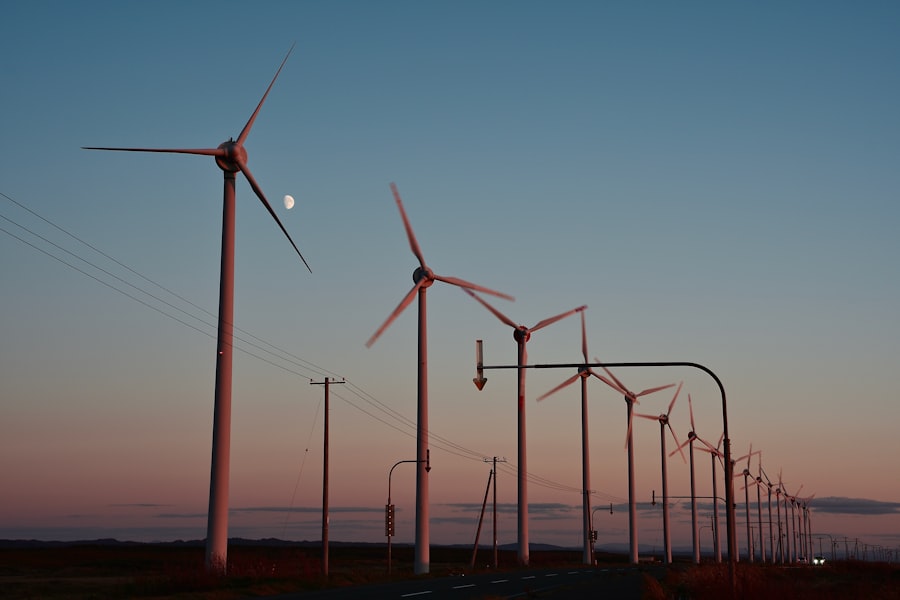
Investing in renewable energy is a powerful way to reduce your carbon footprint while also potentially lowering your energy costs over time. By harnessing natural resources such as sunlight, wind, and water, you can generate clean energy that is both sustainable and cost-effective. Whether you choose to install solar panels on your property or invest in a community wind farm, the benefits of renewable energy are manifold.
Not only do these investments contribute to environmental preservation, but they can also provide significant savings on your utility bills. Furthermore, many governments and local authorities offer incentives for individuals and businesses that invest in renewable energy solutions. These incentives can take the form of tax credits, rebates, or grants that make the initial investment more manageable.
By taking advantage of these programs, you can accelerate your transition to renewable energy while minimizing financial barriers. As technology continues to advance and the cost of renewable installations decreases, investing in these solutions becomes an increasingly attractive option for anyone looking to secure their energy future.
Implementing Energy Efficiency Measures
| Energy Efficiency Measure | Energy Saved (kWh) | Cost Savings () |
|---|---|---|
| LED Lighting | 500 | 100 |
| Insulation | 300 | 50 |
| Energy Star Appliances | 200 | 30 |
Implementing energy efficiency measures is another critical step in managing your energy consumption effectively. Simple changes in behavior and upgrades to your home or business can lead to significant reductions in energy use. For instance, switching to LED lighting, using programmable thermostats, and ensuring proper insulation can all contribute to lower energy bills while maintaining comfort levels.
These measures not only help you save money but also reduce the overall demand for energy, which is beneficial for the environment. In addition to these straightforward upgrades, consider conducting an energy audit to identify specific areas where efficiency improvements can be made. An audit will provide you with a detailed analysis of your energy usage and highlight opportunities for enhancement.
By addressing inefficiencies, you can optimize your energy consumption and create a more sustainable living or working environment. The cumulative effect of these efficiency measures can lead to substantial savings over time, making it a wise investment for both your wallet and the planet.
Utilizing Energy Storage Solutions
As you explore ways to manage your energy consumption more effectively, consider the role of energy storage solutions in your strategy. Energy storage systems, such as batteries, allow you to store excess energy generated from renewable sources for later use. This capability is particularly valuable for solar power systems, where production may not always align with consumption patterns.
By utilizing storage solutions, you can maximize the benefits of renewable energy while ensuring a reliable power supply during peak demand times or outages. Moreover, investing in energy storage can provide financial advantages as well.
This strategic approach not only enhances your financial savings but also contributes to grid stability by reducing demand during peak periods. As technology continues to evolve and storage solutions become more affordable, incorporating these systems into your energy management strategy will become increasingly essential.
Leveraging Smart Grid Technology

In today’s digital age, leveraging smart grid technology is an essential component of effective energy management. Smart grids utilize advanced communication and automation technologies to enhance the efficiency and reliability of electricity distribution. By integrating smart meters and sensors into your energy system, you gain real-time insights into your consumption patterns and can make data-driven decisions about how to optimize usage.
Additionally, smart grid technology enables better integration of renewable energy sources into the existing grid infrastructure.
As a consumer, this means you can benefit from dynamic pricing models that reward you for using electricity during off-peak hours or when renewable generation is high.
Embracing smart grid technology not only enhances your personal energy management but also contributes to a more sustainable and resilient energy future.
Engaging in Demand Response Programs
Engaging in demand response programs is another effective strategy for managing your energy consumption while contributing to grid stability. These programs incentivize consumers to reduce their electricity usage during peak demand periods in exchange for financial rewards or bill credits. By participating in demand response initiatives, you not only save money but also help alleviate stress on the grid during critical times.
To get involved in demand response programs, start by checking with your utility provider to see what options are available in your area. Many utilities offer programs tailored to residential and commercial customers alike. By adjusting your usage patterns—such as running major appliances during off-peak hours—you can maximize the benefits of these programs while playing an active role in promoting a more sustainable energy system.
Exploring Energy Trading Opportunities
As the landscape of energy management evolves, exploring energy trading opportunities can provide additional avenues for optimizing your consumption and potentially generating income. Energy trading involves buying and selling electricity based on market conditions, allowing consumers to take advantage of price fluctuations. If you have invested in renewable energy sources like solar panels, you may be able to sell excess power back to the grid during peak demand times when prices are higher.
Participating in local or regional energy markets can also open up opportunities for collaboration with other consumers or businesses looking to trade surplus energy. By engaging in these trading activities, you not only enhance your financial position but also contribute to a more decentralized and resilient energy system. As regulations around energy trading continue to evolve, staying informed about market opportunities will be crucial for maximizing the benefits of this approach.
Monitoring and Managing Energy Consumption
Monitoring and managing your energy consumption is vital for achieving long-term sustainability goals. By utilizing tools such as smart meters or mobile applications that track real-time usage data, you can gain valuable insights into your consumption patterns. This information allows you to identify areas where adjustments can be made—whether it’s reducing usage during peak hours or investing in more efficient appliances.
Regularly reviewing your consumption data empowers you to set realistic goals for reducing waste and improving efficiency. For instance, if you notice spikes in usage during certain times of day or with specific appliances, you can take targeted actions to address those issues. By actively managing your consumption rather than simply reacting to bills at the end of the month, you create a proactive approach that fosters greater awareness and responsibility regarding your energy use.
Embracing Energy Management Software
Incorporating energy management software into your strategy can significantly enhance your ability to monitor and optimize consumption effectively. These software solutions provide comprehensive analytics that allow you to track usage trends over time, identify inefficiencies, and forecast future needs based on historical data. With user-friendly interfaces and customizable dashboards, these tools make it easier than ever to stay informed about your energy performance.
Moreover, many energy management software platforms offer features that enable integration with smart devices and renewable systems. This connectivity allows for automated adjustments based on real-time data—such as reducing heating or cooling when occupancy levels are low—further enhancing efficiency efforts. By embracing this technology, you position yourself at the forefront of modern energy management practices while reaping the benefits of improved performance and cost savings.
Staying Informed and Adapting to Market Changes
Finally, staying informed about market changes is essential for effective energy management in an ever-evolving landscape. Energy markets are influenced by various factors including regulatory shifts, technological advancements, and environmental considerations. By keeping abreast of these developments through industry news sources or professional networks, you can adapt your strategies accordingly.
Additionally, participating in workshops or webinars focused on emerging trends in energy management can provide valuable insights into best practices and innovative solutions. Engaging with experts in the field allows you to learn from their experiences while expanding your knowledge base. As the world moves toward greater sustainability goals, being proactive about staying informed will empower you to make strategic decisions that align with both personal objectives and broader environmental initiatives.
In conclusion, managing your energy consumption effectively requires a multifaceted approach that encompasses understanding your needs, diversifying sources, investing in renewables, implementing efficiency measures, utilizing storage solutions, leveraging technology, engaging in demand response programs, exploring trading opportunities, monitoring usage closely, embracing management software, and staying informed about market changes. By taking these steps diligently and proactively adapting as needed, you position yourself not only for financial savings but also for contributing positively toward a sustainable future.
In the realm of energy management and optimization, understanding how to effectively manage an energy portfolio is crucial for businesses aiming to enhance efficiency and sustainability. A related article that delves into strategies for optimizing energy use and managing resources effectively can be found on Productive Patty’s website. This article provides insights into balancing energy consumption with cost-saving measures, making it a valuable resource for anyone looking to refine their energy management practices. For more detailed information, you can read the full article by visiting this link.
Caffeine: The Ultimate Productivity Scam You Fell For (Neuro-Economist Reveals The Truth) ☕️💸
FAQs
What is an energy portfolio?
An energy portfolio refers to a collection of energy investments and assets held by an individual, company, or organization. It can include a variety of energy sources such as oil, natural gas, coal, renewable energy, and other related assets.
Why is it important to have an energy portfolio?
Having an energy portfolio allows individuals and organizations to diversify their energy investments, reduce risk, and take advantage of opportunities in different energy markets. It also helps in managing energy costs and ensuring a reliable and sustainable energy supply.
What are the different types of energy sources included in an energy portfolio?
An energy portfolio can include a mix of traditional energy sources such as fossil fuels (oil, natural gas, coal) as well as renewable energy sources such as solar, wind, hydro, and biomass. The specific mix depends on the goals and priorities of the investor or organization.
How can an energy portfolio be managed?
Energy portfolios can be managed through a combination of strategic planning, risk assessment, market analysis, and investment decisions. This may involve actively trading energy commodities, investing in energy companies, or developing and operating energy projects.
What are the benefits of diversifying an energy portfolio?
Diversifying an energy portfolio can help reduce exposure to the volatility of any single energy market, hedge against price fluctuations, and capture opportunities in different sectors of the energy industry. It can also contribute to a more sustainable and resilient energy supply.