
Neuroplasticity refers to the brain’s capacity to reorganize itself by forming new neural connections throughout an individual’s lifetime. This biological mechanism enables the brain to adapt in response to learning, experience, and injury. Neuroplasticity serves as a fundamental process that maintains brain functionality and efficiency when confronted with various challenges and changes.
Neuroplasticity encompasses two primary categories of brain changes: structural and functional modifications. Structural plasticity describes the brain’s ability to physically alter its architecture in response to learning or environmental stimuli. When individuals acquire new skills, such as musical instrument proficiency or foreign language competency, the brain develops new synaptic connections and reinforces existing neural pathways.
Functional plasticity represents the brain’s capacity to transfer functions from damaged regions to intact areas. This process allows undamaged brain regions to assume the responsibilities of injured areas, demonstrating the brain’s adaptive resilience following trauma or disease.
Key Takeaways
- Neuroplasticity is the brain’s ability to reorganize and form new neural connections throughout life.
- It plays a crucial role in learning, memory, and adapting to new experiences or injuries.
- Harnessing neuroplasticity can support personal growth, mental health, and recovery from brain damage.
- Strategies like mindfulness, physical exercise, and cognitive training can enhance neuroplasticity.
- Ongoing research promises advances in therapies for addiction, aging, rehabilitation, and mental well-being.
The Science Behind Neuroplasticity: How the Brain Adapts and Changes
The science of neuroplasticity is rooted in the understanding of neurons and synapses—the building blocks of your brain’s communication system. Neurons are specialized cells that transmit information throughout your body, while synapses are the connections between these neurons. When you engage in a new activity or learn something new, your neurons communicate more frequently, leading to the strengthening of synapses.
This process is often referred to as “Hebbian plasticity,” which is summarized by the phrase “cells that fire together wire together.” Moreover, neuroplasticity is influenced by various factors, including age, environment, and experiences. For example, younger brains tend to exhibit higher levels of plasticity, making it easier for children to learn new languages or skills. However, this does not mean that adults cannot benefit from neuroplasticity; rather, it may require more intentional effort and practice.
Research has shown that engaging in mentally stimulating activities, such as puzzles or learning new skills, can enhance neuroplasticity at any age. This adaptability is a testament to the brain’s ongoing evolution and its capacity for growth throughout your life. You can learn more about imposter syndrome through this insightful video.
The Role of Neuroplasticity in Learning and Memory

Neuroplasticity plays a crucial role in how you learn and retain information. When you acquire new knowledge or skills, your brain undergoes a series of changes that facilitate memory formation. These changes involve the strengthening of synaptic connections between neurons, which allows for more efficient communication within neural networks.
As you practice and reinforce what you’ve learned, these connections become stronger, making it easier for you to recall information later. Additionally, neuroplasticity is essential for both short-term and long-term memory. Short-term memory relies on temporary changes in synaptic strength, while long-term memory involves more permanent alterations in neural circuitry.
This means that as you continue to engage with new information or skills over time, your brain solidifies these connections, allowing you to access them more readily. Understanding this process can empower you to adopt effective learning strategies that leverage neuroplasticity for improved retention and recall.
Harnessing Neuroplasticity for Personal Growth and Development
You have the power to harness neuroplasticity for personal growth and development by actively engaging in activities that challenge your brain. Whether it’s picking up a new hobby, learning a new language, or even practicing mindfulness meditation, these experiences can stimulate neural connections and promote cognitive flexibility. By stepping outside your comfort zone and embracing new challenges, you can encourage your brain to adapt and grow.
When you establish clear objectives—such as improving your public speaking skills or mastering a musical instrument—you create a roadmap for your brain to follow. As you work towards these goals, your brain will form new connections and pathways that support your progress.
This intentional approach not only fosters personal growth but also instills a sense of accomplishment and motivation as you witness your own development over time.
Neuroplasticity and Recovery: How the Brain Can Heal Itself
| Metric | Description | Typical Range/Value | Relevance to Neuroplasticity |
|---|---|---|---|
| Synaptic Density | Number of synapses per unit volume of brain tissue | 10^9 synapses per mm³ in cortex | Higher synaptic density indicates increased connectivity and rewiring |
| Long-Term Potentiation (LTP) | Strengthening of synapses following repeated stimulation | Increase in synaptic strength by 20-50% | Key mechanism underlying learning and memory formation |
| Neurogenesis Rate | Generation of new neurons in adult brain regions (e.g., hippocampus) | Approx. 700 new neurons per day in hippocampus | Supports brain rewiring and cognitive flexibility |
| Myelination Changes | Alterations in myelin sheath thickness around axons | Variable; can increase by 10-20% with training | Improves signal transmission speed and efficiency |
| Functional Connectivity | Correlation of activity between different brain regions | Measured by fMRI; varies with task and training | Reflects network-level rewiring and adaptation |
| Gray Matter Volume | Volume of neuronal cell bodies in specific brain areas | Can increase by 1-5% after intensive learning | Indicates structural brain changes due to neuroplasticity |
One of the most remarkable aspects of neuroplasticity is its role in recovery from injury or trauma. When the brain sustains damage—whether from a stroke, traumatic brain injury, or neurological disorder—it can often reorganize itself to compensate for lost functions. This process is known as functional recovery and highlights the brain’s inherent ability to heal itself through neuroplastic changes.
For instance, after a stroke, patients may experience paralysis on one side of their body due to damage in specific areas of the brain. Through rehabilitation and targeted exercises, other parts of the brain can take over the functions of the damaged area, allowing individuals to regain movement and independence. This recovery process underscores the importance of early intervention and consistent practice in rehabilitation settings.
By engaging in activities that promote neuroplasticity, individuals can enhance their chances of recovery and improve their overall quality of life.
The Impact of Neuroplasticity on Mental Health and Well-being
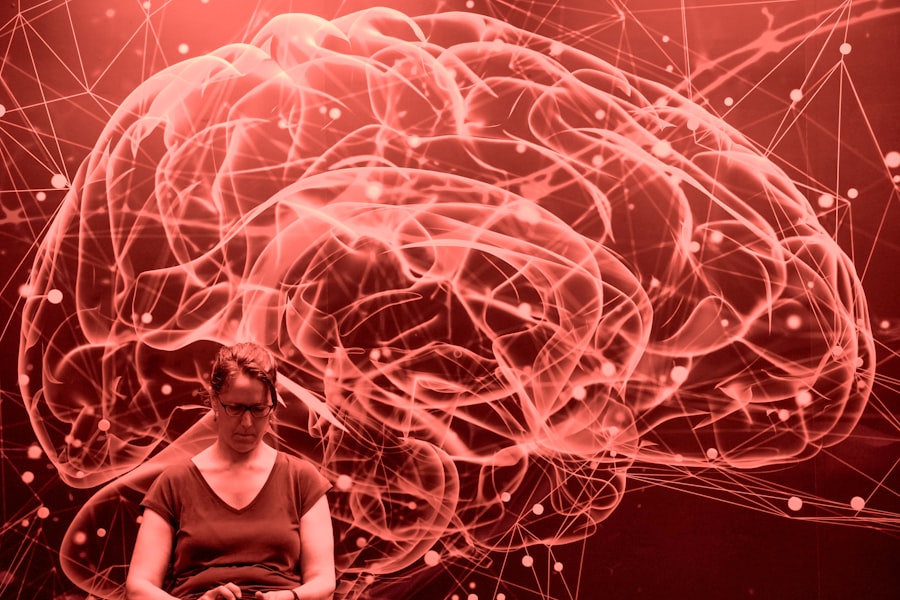
Neuroplasticity also plays a significant role in mental health and well-being. Research has shown that engaging in positive experiences—such as social interactions, physical exercise, and mindfulness practices—can lead to beneficial changes in brain structure and function. These experiences can help reduce symptoms of anxiety and depression by promoting the growth of new neurons and enhancing synaptic connections associated with positive emotions.
Conversely, negative experiences can also shape your brain through neuroplastic changes. Chronic stress or trauma can lead to alterations in neural pathways that contribute to mental health issues. However, understanding that your brain is capable of change offers hope for healing and recovery.
By actively seeking out positive experiences and engaging in practices that promote mental well-being—such as therapy or mindfulness—you can foster neuroplastic changes that support emotional resilience and overall mental health.
Strategies for Enhancing Neuroplasticity: Tips for Rewiring the Brain
To enhance neuroplasticity and promote positive changes in your brain, consider incorporating specific strategies into your daily routine. One effective approach is to engage in lifelong learning by challenging yourself with new skills or knowledge areas. Whether it’s taking up a new hobby or enrolling in a course, exposing yourself to novel experiences stimulates neural connections and encourages growth.
Additionally, physical exercise has been shown to have profound effects on neuroplasticity. Regular aerobic activity increases blood flow to the brain and promotes the release of growth factors that support neuron health. Aim for at least 150 minutes of moderate-intensity exercise each week to reap these benefits.
Neuroplasticity and Rehabilitation: Using Brain Plasticity to Aid Recovery
In rehabilitation settings, understanding neuroplasticity is crucial for developing effective treatment plans for individuals recovering from injuries or surgeries. Therapists often design interventions that leverage neuroplastic principles to facilitate recovery. For example, repetitive practice of specific movements can help retrain the brain and reinforce neural pathways associated with those actions.
Moreover, technology has advanced rehabilitation techniques by incorporating virtual reality (VR) and robotics into therapy sessions. These innovative tools provide immersive environments that challenge patients while promoting engagement and motivation. By creating opportunities for meaningful practice within a safe context, these technologies harness neuroplasticity to optimize recovery outcomes.
The Role of Neuroplasticity in Overcoming Addiction and Changing Behaviors
Neuroplasticity also plays a pivotal role in overcoming addiction and changing maladaptive behaviors. Addictive substances can hijack the brain’s reward system, leading to changes in neural pathways that reinforce compulsive behaviors. However, understanding neuroplasticity offers hope for recovery by highlighting the potential for rewiring these pathways.
Therapeutic approaches such as cognitive-behavioral therapy (CBT) focus on reshaping thought patterns and behaviors associated with addiction. By actively challenging negative beliefs and replacing them with healthier alternatives, individuals can promote neuroplastic changes that support recovery. Additionally, engaging in supportive social networks and healthy coping strategies can further reinforce positive behaviors while diminishing reliance on addictive substances.
Neuroplasticity and Aging: How the Brain Adapts and Changes Over Time
As you age, your brain undergoes natural changes that can impact cognitive function; however, neuroplasticity remains an essential factor in maintaining mental agility throughout life. While some decline in cognitive abilities may occur with age, research suggests that engaging in mentally stimulating activities can help counteract these effects by promoting neurogenesis—the formation of new neurons. Lifelong learning is particularly beneficial for older adults seeking to enhance their cognitive resilience.
Activities such as reading, puzzles, or social engagement can stimulate neural connections and foster cognitive flexibility. Additionally, maintaining physical health through regular exercise contributes to overall brain health by promoting blood flow and supporting neuroplastic changes associated with aging.
The Future of Neuroplasticity Research: Implications for Medicine and Therapy
The future of neuroplasticity research holds exciting possibilities for medicine and therapy across various fields. As scientists continue to uncover the mechanisms underlying neuroplastic changes, there is potential for developing targeted interventions that harness this adaptability for therapeutic purposes. For instance, advancements in gene therapy may enable researchers to manipulate specific pathways involved in neurogenesis or synaptic plasticity.
Furthermore, integrating neuroplastic principles into educational systems could revolutionize how we approach learning at all ages. By fostering environments that encourage exploration and creativity while emphasizing resilience through challenges, educators can cultivate lifelong learners equipped with the tools necessary for success in an ever-changing world. In conclusion, understanding neuroplasticity empowers you to take charge of your own cognitive development and well-being throughout life’s journey.
By embracing challenges, engaging in lifelong learning, and prioritizing mental health practices, you can harness the incredible adaptability of your brain for personal growth and recovery from adversity.
Neuroplasticity, the brain’s remarkable ability to reorganize itself by forming new neural connections, plays a crucial role in recovery from injury and learning new skills. For a deeper understanding of how neuroplasticity can be harnessed to improve cognitive function and emotional well-being, you can explore this insightful article on the topic. Check it out here: Neuroplasticity and Brain Rewiring.
WATCH THIS! 🧠 THE NEUROPLASTICITY TRAP: Why Your Brain Sabotages Success (The 60-Second Fix)
FAQs
What is neuroplasticity?
Neuroplasticity is the brain’s ability to reorganize itself by forming new neural connections throughout life. This allows the brain to adapt to new experiences, learn new information, and recover from injuries.
How does neuroplasticity work?
Neuroplasticity works by strengthening or weakening synapses, creating new neural pathways, and sometimes generating new neurons. These changes occur in response to learning, experience, or environmental changes.
Can neuroplasticity help in brain injury recovery?
Yes, neuroplasticity plays a crucial role in recovery from brain injuries by enabling other parts of the brain to compensate for damaged areas, helping restore lost functions through rehabilitation and therapy.
Is neuroplasticity limited to childhood?
No, neuroplasticity occurs throughout life, although it is generally more pronounced during childhood. Adults also retain the ability to rewire their brains, especially with consistent practice and learning.
What activities promote neuroplasticity?
Activities such as learning new skills, practicing mindfulness, physical exercise, engaging in challenging cognitive tasks, and maintaining social interactions can promote neuroplasticity.
Can neuroplasticity change personality or behavior?
Yes, neuroplasticity can influence personality and behavior by altering neural pathways related to habits, emotions, and thought patterns, especially through sustained experiences or therapy.
Are there any limitations to neuroplasticity?
While neuroplasticity is powerful, it has limits. Factors such as age, the extent of brain damage, and overall health can affect the brain’s ability to rewire itself.
How long does it take for neuroplastic changes to occur?
The time frame varies depending on the individual and the activity but can range from minutes to weeks or months of consistent practice or therapy to see significant changes.
Is neuroplasticity involved in learning and memory?
Yes, neuroplasticity is fundamental to learning and memory as it enables the brain to encode new information by modifying synaptic connections.
Can neuroplasticity be harmful?
In some cases, maladaptive neuroplasticity can reinforce negative behaviors or chronic pain, but generally, neuroplasticity is beneficial and essential for brain health and adaptation.