
Efficiency serves as a fundamental factor in achieving success across personal and professional contexts. Operating efficiently allows individuals to increase productivity while reducing time and resource expenditure. This approach produces superior outcomes and contributes to improved satisfaction and overall well-being.
When working efficiently, people typically gain additional time to concentrate on priorities such as career advancement, relationship building, or personal interests. Developing efficient work practices provides a competitive advantage, enabling faster goal achievement with reduced stress levels. Beyond task completion, efficiency promotes a framework of ongoing improvement and flexibility.
Prioritizing efficiency increases awareness of existing processes and their optimization potential. This awareness frequently generates innovative solutions and alternative problem-solving approaches. Adopting efficiency practices enhances productivity while fostering a proactive mindset that positively influences others.
Efficiency fundamentally represents a sustainable methodology for objective achievement rather than merely a focus on speed.
Key Takeaways
- Efficiency boosts productivity by minimizing wasted time and effort.
- Clear goals and priorities help focus on what truly matters.
- Technology and automation can streamline repetitive tasks.
- Eliminating distractions and creating a productive environment enhance focus.
- Regularly reviewing and adjusting processes ensures ongoing improvement.
Identifying Time Wasters
To enhance your efficiency, the first step is to identify the time wasters that may be hindering your progress. Time wasters can come in many forms, from excessive meetings and unclear communication to distractions from social media or personal devices. You might find that certain activities consume more time than they should, leaving you with little room to focus on your priorities.
By taking a closer look at how you spend your time, you can pinpoint these inefficiencies and take action to eliminate them. One effective way to identify time wasters is to keep a time log for a week. Documenting how you spend each hour can reveal patterns and habits that you may not have been aware of.
You may discover that you spend an excessive amount of time on tasks that could be streamlined or delegated. Once you have a clear picture of where your time is going, you can make informed decisions about what to cut back on or change entirely. This process not only helps you reclaim lost time but also empowers you to take control of your daily schedule. You can learn more about the science behind why we procrastinate by watching this insightful video on procrastinate psychology.
Setting Clear Goals and Priorities

Setting clear goals and priorities is essential for maintaining focus and direction in your efforts to be more efficient. When you have well-defined objectives, it becomes easier to allocate your time and resources effectively. You should start by identifying both short-term and long-term goals that align with your values and aspirations.
This clarity will serve as a guiding light, helping you navigate through distractions and competing demands on your time. Once you have established your goals, it’s crucial to prioritize them based on urgency and importance. You might find it helpful to use a prioritization matrix or a simple list to rank tasks according to their significance.
By focusing on high-priority items first, you ensure that your energy is directed toward what truly matters. This approach not only enhances your productivity but also provides a sense of accomplishment as you check off completed tasks. Remember, the clearer your goals are, the easier it will be for you to stay on track and make meaningful progress.
Implementing Time Management Techniques
With clear goals in place, the next step is to implement effective time management techniques that can help you stay organized and focused. One popular method is the Pomodoro Technique, which involves working in short bursts followed by brief breaks. This technique can help maintain your concentration while preventing burnout.
You might find that setting a timer for 25 minutes of focused work followed by a 5-minute break allows you to maintain high levels of productivity throughout the day. Another effective technique is time blocking, where you allocate specific blocks of time for different tasks or activities. By scheduling your day in advance, you create a structured routine that minimizes decision fatigue and keeps you accountable.
You may also want to consider batching similar tasks together, which can reduce the mental load associated with switching between different types of work. By adopting these time management techniques, you can create a more organized approach to your day-to-day activities, ultimately leading to greater efficiency.
Streamlining Workflow Processes
| Metric | Description | Example Value | Unit |
|---|---|---|---|
| Input Count | Number of inputs/tasks entered into the system | 150 | tasks |
| Processed Inputs | Number of inputs completed or processed | 120 | tasks |
| Processing Time | Average time taken to process each input | 15 | minutes |
| Completion Rate | Percentage of inputs completed out of total inputs | 80 | % |
| Backlog | Number of inputs pending or delayed | 30 | tasks |
| Input Accuracy | Percentage of inputs correctly entered without errors | 98 | % |
| System Downtime | Time system was unavailable for input tracking | 2 | hours/week |
| User Adoption Rate | Percentage of users actively using the input tracking system | 75 | % |
Streamlining workflow processes is another critical aspect of enhancing efficiency. You may find that certain tasks involve unnecessary steps or redundancies that slow down your progress. By analyzing your current workflows, you can identify areas for improvement and implement changes that simplify processes.
This might involve eliminating unnecessary approvals, automating repetitive tasks, or consolidating information into a single platform. Collaboration tools can also play a significant role in streamlining workflows. By utilizing project management software or communication platforms, you can enhance collaboration among team members and reduce the time spent on back-and-forth emails or meetings.
You might discover that by centralizing information and improving communication channels, tasks can be completed more quickly and with fewer misunderstandings. Streamlining your workflow not only saves time but also fosters a more efficient work environment where everyone can contribute effectively.
Utilizing Technology and Automation
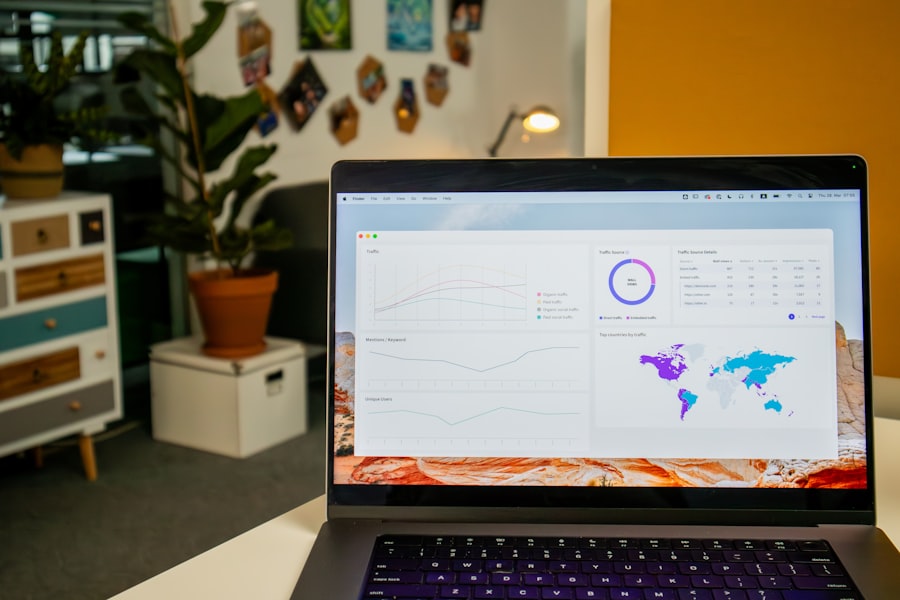
In today’s digital age, leveraging technology and automation can significantly boost your efficiency. There are countless tools available designed to help you manage tasks, track progress, and automate repetitive activities. For instance, using task management apps can help you keep track of deadlines and prioritize tasks effectively.
You might find that integrating these tools into your daily routine allows for better organization and reduces the mental clutter associated with managing multiple responsibilities. Automation is another powerful way to enhance efficiency. By automating routine tasks such as data entry or email responses, you free up valuable time that can be redirected toward more strategic activities.
You may want to explore options like workflow automation software or even simple email filters that can help streamline your processes further. Embracing technology not only enhances your productivity but also allows you to focus on higher-value tasks that require your unique skills and insights.
Eliminating Distractions
Distractions are one of the biggest barriers to efficiency, and recognizing them is crucial for maintaining focus on your tasks. In today’s fast-paced world, distractions come in many forms—be it notifications from your phone, background noise in the office, or even interruptions from colleagues. To enhance your efficiency, it’s essential to identify these distractions and take proactive steps to minimize their impact on your work.
You might consider creating a dedicated workspace that is free from distractions. This could involve setting boundaries with colleagues during work hours or using noise-canceling headphones to block out background noise. Additionally, turning off non-essential notifications on your devices can help maintain your focus during critical work periods.
By actively working to eliminate distractions, you create an environment conducive to productivity where you can concentrate fully on the task at hand.
Creating a Productive Environment
Your physical environment plays a significant role in shaping your productivity levels. A cluttered or disorganized workspace can lead to feelings of overwhelm and hinder your ability to focus effectively. To create a productive environment, start by decluttering your workspace and organizing essential materials within easy reach.
You may find that a clean and organized space not only enhances your focus but also promotes a sense of calmness. In addition to physical organization, consider the ambiance of your workspace as well. Factors such as lighting, temperature, and even background music can influence your productivity levels.
You might experiment with different lighting options or play instrumental music to see what helps you concentrate best. By intentionally designing an environment that supports productivity, you set yourself up for success in achieving your goals efficiently.
Delegating and Outsourcing Tasks
Recognizing when to delegate or outsource tasks is an essential skill for enhancing efficiency. As much as you may want to handle everything yourself, there are often tasks that others can do just as well—if not better—than you can. By delegating responsibilities to team members or outsourcing certain functions, you free up valuable time that can be redirected toward higher-priority projects.
When considering delegation, it’s important to assess the strengths and skills of those around you. You might find that certain team members excel in areas where you struggle or simply have more bandwidth to take on additional tasks. Communicating clearly about expectations and providing necessary resources will ensure successful delegation.
Adopting a Healthy Work-Life Balance
Achieving efficiency is not solely about maximizing productivity; it also involves maintaining a healthy work-life balance. When work consumes all of your time and energy, it can lead to burnout and decreased overall effectiveness. To foster a sustainable approach to efficiency, prioritize self-care and ensure that you allocate time for relaxation, hobbies, and social connections outside of work.
You might consider setting boundaries around work hours or implementing regular breaks throughout the day to recharge mentally and physically. Engaging in activities that bring joy and fulfillment outside of work can enhance your overall well-being and improve focus when it’s time to work again. By adopting a healthy work-life balance, you create an environment where efficiency thrives without sacrificing personal happiness.
Continuously Evaluating and Improving Efficiency
Finally, remember that enhancing efficiency is an ongoing process that requires continuous evaluation and improvement. Regularly assess your workflows, time management techniques, and overall productivity levels to identify areas for growth. You might find it helpful to set aside time each month for reflection on what strategies are working well and what could be adjusted for better results.
Soliciting feedback from colleagues or mentors can also provide valuable insights into how you can improve efficiency further. Embrace a mindset of adaptability; as circumstances change or new challenges arise, be willing to adjust your strategies accordingly.
If you’re looking to enhance your productivity through effective input tracking systems, you might find valuable insights in this article on Productive Patty. It discusses various strategies and tools that can help you monitor your tasks and optimize your workflow, making it easier to stay focused and achieve your goals.
WATCH THIS! 🧠STOP Using Affirmations (They’re Making You Worse)
FAQs
What is the Input Tracking Productivity System?
The Input Tracking Productivity System is a method designed to monitor and manage the various inputs or tasks that contribute to overall productivity. It helps individuals or teams keep track of their work activities to improve efficiency and outcomes.
How does the Input Tracking Productivity System work?
This system works by recording and analyzing the inputs—such as time spent, resources used, and tasks completed—that lead to productive output. By tracking these inputs, users can identify patterns, optimize workflows, and prioritize tasks more effectively.
Who can benefit from using the Input Tracking Productivity System?
Anyone looking to improve their productivity can benefit from this system, including professionals, students, project managers, and teams. It is especially useful for those who want to gain insights into how their time and efforts translate into results.
What tools are commonly used in the Input Tracking Productivity System?
Common tools include digital apps, spreadsheets, time-tracking software, and project management platforms. These tools help users log inputs, visualize data, and generate reports to assess productivity.
Is the Input Tracking Productivity System suitable for all types of work?
While it is versatile, the system is most effective for work that involves measurable inputs and outputs. Creative or highly variable tasks may require adaptation of the system to fit specific needs.
How can the Input Tracking Productivity System improve productivity?
By providing clear data on how time and resources are allocated, the system enables users to eliminate inefficiencies, focus on high-impact activities, and make informed decisions to enhance overall productivity.
Can the Input Tracking Productivity System be integrated with other productivity methods?
Yes, it can be combined with other productivity techniques such as time blocking, the Pomodoro Technique, or task prioritization frameworks to create a comprehensive productivity strategy.
Is training required to implement the Input Tracking Productivity System?
Basic understanding of productivity principles and familiarity with tracking tools is helpful, but the system is generally straightforward and can be adapted to individual preferences without extensive training.
How often should inputs be tracked in this system?
Inputs should ideally be tracked consistently, such as daily or weekly, to provide accurate data for analysis and to identify trends over time.
What are the key benefits of using the Input Tracking Productivity System?
Key benefits include increased self-awareness of work habits, improved time management, better prioritization of tasks, enhanced accountability, and ultimately, higher productivity and goal achievement.