Your nervous system is a complex network that controls how you respond to your environment.
It has two main branches: the sympathetic nervous system, which activates your body’s fight-or-flight response, and the parasympathetic nervous system, which promotes relaxation and recovery.
Understanding how these systems function allows you to recognize when your body is in a heightened state of alertness or in a calm state. When you perceive a threat, your sympathetic nervous system activates, releasing stress hormones such as adrenaline and cortisol. This response is useful in short-term situations, enabling rapid reactions to danger.
However, when this heightened state persists over extended periods, it can cause physical and mental health problems, including anxiety, irritability, and various physical symptoms. By understanding how your autonomic nervous system functions, you can identify when your body is dysregulated and implement strategies to restore balance.
Key Takeaways
- The protective reflex nervous system can become dysregulated due to trauma, leading to various symptoms.
- Recognizing signs of nervous system dysregulation is crucial for effective intervention and healing.
- Techniques such as mindfulness, body-based practices, and establishing safety help retrain and regulate the nervous system.
- Building resilience involves ongoing practice, professional support, and creating a supportive healing environment.
- Maintaining progress requires continued awareness, movement integration, and trust in the body’s capacity to heal.
Recognizing the Symptoms of Dysregulation
Recognizing the symptoms of dysregulation is essential for regaining control over your nervous system. You might notice that you are more easily startled or that your heart races at minor stressors. These physical manifestations can be accompanied by emotional symptoms such as anxiety, irritability, or a sense of overwhelm.
You may also experience difficulty concentrating or sleeping, which can further exacerbate feelings of distress. By paying attention to these signs, you can start to understand how your body responds to stress and identify patterns that may indicate dysregulation. In addition to emotional and physical symptoms, you may also experience behavioral changes.
Perhaps you find yourself withdrawing from social situations or engaging in unhealthy coping mechanisms like overeating or substance use. These behaviors often serve as attempts to manage overwhelming feelings but can ultimately lead to further dysregulation. By recognizing these symptoms early on, you can take proactive steps to address them and work towards restoring balance in your nervous system. You can learn more about overcoming the perfectionism loop in this insightful video.
The Role of Trauma in Nervous System Dysregulation

Trauma plays a significant role in how your nervous system functions. When you experience traumatic events, whether they are acute incidents or chronic stressors, your body can become stuck in a state of hyperarousal or dissociation. This means that even after the threat has passed, your nervous system may continue to react as if danger is still present.
Understanding this connection between trauma and dysregulation is crucial for your healing journey. You might find that certain triggers evoke strong emotional responses or physical sensations that seem disproportionate to the current situation. This is often a result of past trauma being activated within your nervous system.
By acknowledging the impact of trauma on your body and mind, you can begin to develop strategies for processing these experiences and moving towards healing. It’s important to remember that healing from trauma is not linear; it requires patience and self-compassion as you navigate the complexities of your nervous system.
Techniques for Retraining the Nervous System
Retraining your nervous system involves implementing various techniques that promote regulation and resilience. One effective approach is breathwork, which can help activate the parasympathetic nervous system and induce a state of calm. By focusing on slow, deep breaths, you can signal to your body that it is safe to relax.
You might find it helpful to practice this technique during moments of stress or anxiety, gradually incorporating it into your daily routine. Another powerful technique is grounding exercises, which help anchor you in the present moment. These exercises can range from simple practices like feeling your feet on the ground to more involved activities such as engaging with nature.
By reconnecting with your body and the environment around you, you can create a sense of safety and stability that counteracts feelings of dysregulation. Experimenting with different techniques will allow you to discover what resonates most with you and supports your journey toward a more regulated nervous system.
Establishing Safety and Trust in the Body
| Metric | Description | Typical Range | Measurement Method | Relevance to Retraining |
|---|---|---|---|---|
| Reflex Latency | Time delay between stimulus and reflex response | 20-50 ms | Electromyography (EMG) | Shorter latency indicates improved reflex efficiency |
| Reflex Amplitude | Strength of muscle response during reflex | Variable by muscle group | EMG amplitude measurement | Increased amplitude suggests stronger protective reflexes |
| Muscle Tone | Baseline tension in muscles at rest | Normal tone varies by muscle | Palpation and EMG | Normalization of tone supports better reflex control |
| Proprioceptive Accuracy | Ability to sense joint position and movement | 85-95% accuracy | Joint position matching tests | Improved accuracy aids in reflex retraining |
| Balance Stability | Ability to maintain posture during perturbations | Minimal sway on force platform | Force plate analysis | Enhanced stability reflects effective nervous system retraining |
| Reaction Time | Time to initiate voluntary movement after stimulus | 150-300 ms | Computerized reaction tests | Reduced reaction time indicates improved neural processing |
Establishing safety and trust within your body is a fundamental aspect of healing from dysregulation. You may have experienced moments where your body felt like an unsafe place due to trauma or chronic stress. Rebuilding this sense of safety requires patience and intentionality.
One way to foster this trust is through self-compassion practices that encourage you to listen to your body’s needs without judgment. Creating a safe space for yourself can also be beneficial. This might involve setting up a calming environment at home where you can retreat when feeling overwhelmed.
Incorporating elements that bring you comfort—such as soft lighting, soothing scents, or calming music—can help reinforce a sense of safety. As you cultivate this environment, remind yourself that it’s okay to take time for self-care and prioritize your well-being.
Building Resilience and Regulation
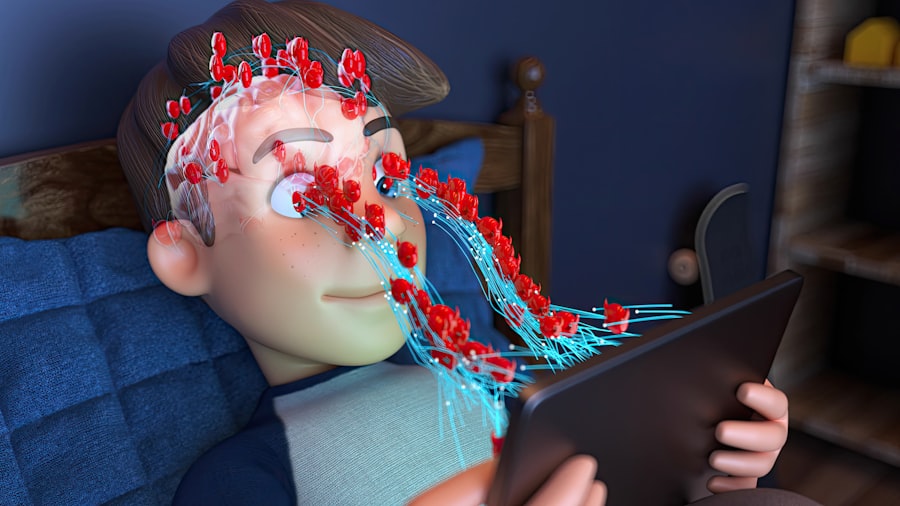
Building resilience involves developing the capacity to bounce back from challenges while maintaining emotional regulation. You may find that engaging in activities that promote resilience—such as practicing gratitude or fostering social connections—can significantly impact your overall well-being. These practices help create a buffer against stressors and enhance your ability to cope with adversity.
In addition to emotional practices, physical activities can also contribute to resilience-building. Regular exercise not only improves physical health but also releases endorphins that elevate mood and reduce stress levels.
As you build resilience, you’ll likely notice an increased ability to navigate life’s challenges with greater ease.
The Importance of Mindfulness and Awareness
Mindfulness and awareness are essential tools for regulating your nervous system. By cultivating mindfulness, you learn to observe your thoughts and feelings without judgment, creating space for self-reflection and understanding. This practice allows you to become more attuned to your body’s signals, helping you recognize when dysregulation occurs and respond accordingly.
Incorporating mindfulness into your daily life can take many forms—meditation, mindful eating, or simply taking moments throughout the day to check in with yourself. You might find it helpful to set aside time each day for mindfulness practice, gradually increasing its presence in your life. As you develop this awareness, you’ll likely find it easier to navigate stressors and maintain a sense of calm amidst life’s challenges.
Integrating Movement and Body-Based Practices
Integrating movement and body-based practices into your routine can significantly enhance your ability to regulate your nervous system. Engaging in activities like yoga, tai chi, or dance allows you to connect with your body in a meaningful way while promoting relaxation and stress relief. These practices encourage mindfulness through movement, helping you become more aware of how your body feels in different states.
You may also explore somatic therapies that focus on the connection between mind and body. These approaches emphasize releasing stored tension and trauma through physical movement and awareness techniques. By engaging with these practices, you can foster a deeper understanding of how emotions manifest physically in your body, paving the way for healing and regulation.
Working with a Professional
Working with a professional can provide invaluable support on your journey toward nervous system regulation. Therapists trained in trauma-informed care or somatic experiencing can help guide you through the complexities of healing from dysregulation. They offer tools and techniques tailored to your unique experiences, creating a safe space for exploration and growth.
In addition to therapy, consider seeking out practitioners who specialize in body-based modalities such as massage therapy or acupuncture. These approaches can complement traditional talk therapy by addressing physical manifestations of stress and trauma stored within the body. Collaborating with professionals allows you to access a broader range of resources as you work toward restoring balance within your nervous system.
Creating a Supportive Environment for Healing
Creating a supportive environment for healing is essential for fostering nervous system regulation. Surrounding yourself with individuals who understand and support your journey can make a significant difference in how you navigate challenges. You might consider joining support groups or communities focused on healing from trauma or dysregulation.
Additionally, evaluate your immediate environment—your home, workplace, and social circles—and assess whether they contribute positively to your well-being. Making small changes, such as decluttering your space or setting boundaries with toxic relationships, can create an atmosphere conducive to healing. By prioritizing supportive connections and environments, you empower yourself on the path toward regulation and resilience.
Maintaining Progress and Continued Practice
Maintaining progress in regulating your nervous system requires ongoing commitment and practice. As you develop new skills and techniques, it’s essential to integrate them into your daily life consistently. You might find it helpful to establish routines that incorporate mindfulness practices, movement, and self-care activities that resonate with you.
Regularly reflecting on your progress can also be beneficial; consider keeping a journal where you document your experiences, challenges, and successes along the way. This practice not only reinforces what you’ve learned but also serves as a reminder of how far you’ve come on your journey toward healing. Remember that progress may ebb and flow; being gentle with yourself during setbacks is crucial as you continue working toward a more regulated nervous system.
In conclusion, understanding the protective reflex nervous system is just the beginning of a transformative journey toward healing and regulation. By recognizing symptoms of dysregulation, addressing trauma’s role, implementing retraining techniques, establishing safety within yourself, building resilience through mindfulness and movement practices, working with professionals, creating supportive environments, and maintaining progress through continued practice, you empower yourself to navigate life’s challenges with greater ease and confidence.
Protective reflex nervous system retraining is an essential aspect of understanding how our bodies respond to stress and trauma. For those interested in exploring this topic further, you can read a related article that delves into the intricacies of the nervous system and its protective mechanisms. Check out this insightful piece on the subject at Productive Patty.
WATCH THIS! 🎯 PERFECTIONISM LOOP THAT KILLS YOUR DREAMS — How to Break Free in 5 Minutes
FAQs
What is the protective reflex nervous system?
The protective reflex nervous system consists of automatic, involuntary responses that help protect the body from harm. These reflexes are controlled by the nervous system and include actions like blinking, withdrawing from pain, and the startle response.
What does nervous system retraining mean?
Nervous system retraining refers to therapeutic techniques aimed at modifying or reprogramming the nervous system’s responses. This can help reduce hypersensitivity, improve regulation, and restore normal function in individuals with dysregulated reflexes or sensory processing issues.
Why is protective reflex nervous system retraining important?
Retraining the protective reflex nervous system can help individuals who experience exaggerated or inappropriate reflex responses, such as those with sensory processing disorders, trauma, or neurological conditions. It can improve their ability to manage stress, reduce anxiety, and enhance overall nervous system balance.
Who can benefit from protective reflex nervous system retraining?
People with sensory processing disorders, post-traumatic stress disorder (PTSD), anxiety, developmental delays, or neurological impairments may benefit from this type of retraining. It is often used in pediatric therapy, occupational therapy, and trauma recovery programs.
What techniques are used in protective reflex nervous system retraining?
Techniques may include controlled sensory stimulation, movement exercises, breathing practices, and gradual exposure to stimuli. Therapists may use specific protocols designed to calm the nervous system and promote adaptive reflex responses.
Is protective reflex nervous system retraining supported by scientific research?
While some approaches have empirical support, research is ongoing. Many techniques are based on neuroplasticity principles, which show that the nervous system can change and adapt with targeted interventions. However, effectiveness can vary depending on the individual and the method used.
How long does protective reflex nervous system retraining take?
The duration varies widely depending on the individual’s condition, severity of symptoms, and the specific retraining program. Some may see improvements within weeks, while others may require months of consistent therapy.
Can protective reflex nervous system retraining be done at home?
Some exercises and techniques can be practiced at home under the guidance of a trained therapist. However, initial assessment and ongoing supervision by a professional are recommended to ensure safety and effectiveness.
Are there any risks associated with protective reflex nervous system retraining?
When conducted by qualified professionals, the risks are minimal. However, inappropriate or unsupervised retraining could potentially cause discomfort or exacerbate symptoms. It is important to follow professional guidance throughout the process.
How can I find a specialist for protective reflex nervous system retraining?
Specialists may include occupational therapists, neurologists, or therapists trained in sensory integration and neurodevelopmental techniques. Referrals can be obtained through healthcare providers, therapy clinics, or specialized rehabilitation centers.