
You’re looking to enhance your productivity, to move beyond sporadic bursts of efficiency and toward a sustainable, systematic approach. This guide will provide you with a framework for building a productivity system tailored to your individual needs and goals. Think of your current workflow as an old, unoptimized engine; our goal is to rebuild it with precision engineering, ensuring every component contributes to maximum output.
Before you can build a robust system, you must understand where your current system falters. This diagnostic phase is crucial. You wouldn’t treat an illness without first understanding its symptoms. Discover the [best productivity system](https://youtu.be/yTq5OM-YhRs) to enhance your daily workflow and achieve your goals efficiently.
Common Productivity Challenges
Many individuals face similar hurdles. Recognizing these in your own work can illuminate the path forward.
- Information Overload: You may find yourself constantly sifting through emails, notifications, and an ever-growing list of digital documents. The sheer volume of incoming data can overwhelm your processing capacity, making it difficult to prioritize or even to identify truly important tasks. This is akin to trying to drink from a firehose; much of the water is wasted.
- Lack of Clear Prioritization: Without a defined system, tasks can appear as an undifferentiated mass. Everything seems urgent, or alternatively, nothing does. This often leads to “busy work” – expending energy on low-impact activities while high-impact ones languish. Your task list becomes a disorganized workshop floor where all tools are scattered haphazardly.
- Procrastination: This is often a symptom of underlying issues, such as fear of failure, perfectionism, or an unclear understanding of the next steps. When a task feels too large or abstract, your brain defaults to avoidance.
- Frequent Context Switching: Moving rapidly between different tasks or projects incurs a “switching cost.” Each time you pivot your attention, there’s a warm-up period as your brain reorients itself to the new context, reducing overall efficiency. Imagine constantly changing gears in a car; it’s less efficient than a smooth, sustained pace.
- Absence of Review Mechanisms: Without regular reflection, you can perpetuate ineffective habits or fail to adapt your system as your responsibilities evolve. A system without feedback loops is an unguided missile.
Self-Assessment Techniques
To pinpoint your specific challenges, employ these techniques.
- Time Tracking: For a period of one to two weeks, meticulously log how you spend your time. Categorize activities (e.g., email, meetings, deep work, distractions). Specialized apps are available for this purpose, or a simple spreadsheet can suffice. This objective data will often reveal unexpected time sinks.
- Task Auditing: Review your completed tasks over the past month. What tasks were frequently abandoned? What tasks consistently took longer than expected? What tasks provided the most significant impact? This helps you understand where your effort is most effectively (or ineffectively) directed.
- Journaling/Reflection: Dedicate 15 minutes each day for a week to reflect on your productivity. What went well today? What hindered your progress? What could you do differently tomorrow? This qualitative data complements the quantitative insights from time tracking.
If you’re looking to enhance your productivity, you might find it helpful to explore related strategies in the article on building a productivity system that works for you. This resource offers practical tips and insights that can complement your journey towards effective time management and goal achievement. For more information, check out the article here: How to Build a Productivity System That Works.
Establishing Your Foundation: Core Principles and Tools
With a clear understanding of your current state, you can begin laying the groundwork for your new system. Think of this as choosing the architectural blueprints and essential construction materials.
Defining Your Principles
Your productivity system should align with your values and working style.
- Clarity: Your system should make it immediately clear what needs to be done, when, and by whom (if applicable). Vague tasks are often ignored tasks.
- Simplicity: Avoid unnecessary complexity. A system that is too elaborate will likely be abandoned. The easier it is to use, the more likely you are to adhere to it. The most elegant solutions are often the simplest.
- Flexibility: Your system should be adaptable to changing circumstances, projects, and priorities. Life is unpredictable; your system should be resilient, not rigid.
- Actionability: Every component of your system should facilitate taking action. It’s not merely a storage container for ideas but a launching pad for execution.
- Reliability: You must trust your system to hold your commitments and remind you of your obligations. If you constantly second-guess it, you’ll spend more energy managing the system than performing the work.
Essential Tools and Technologies
While a sophisticated productivity system can be built with pen and paper, modern tools offer significant advantages.
- Task Management Software: This is the central repository for all your commitments. Choose a tool that allows for task capture, prioritization, due dates, and project organization. Examples include Todoist, Asana, Trello, Microsoft To Do, or even a simple spreadsheet.
- Calendar Management: A digital calendar (e.g., Google Calendar, Outlook Calendar) is essential for scheduling appointments, blocking out deep work time, and visualizing your commitments. Integrate it seamlessly with your task manager where possible.
- Note-Taking Application: A digital capture tool for ideas, research, meeting minutes, and fleeting thoughts. Examples include Notion, Obsidian, Evernote, or OneNote. This acts as your external brain, reducing cognitive load.
- Communication Platform: Depending on your work environment, this might be Slack, Microsoft Teams, or email. The key is to manage notifications and establish clear communication protocols.
Designing Your Workflow: Capture, Process, Organize, Do, Review
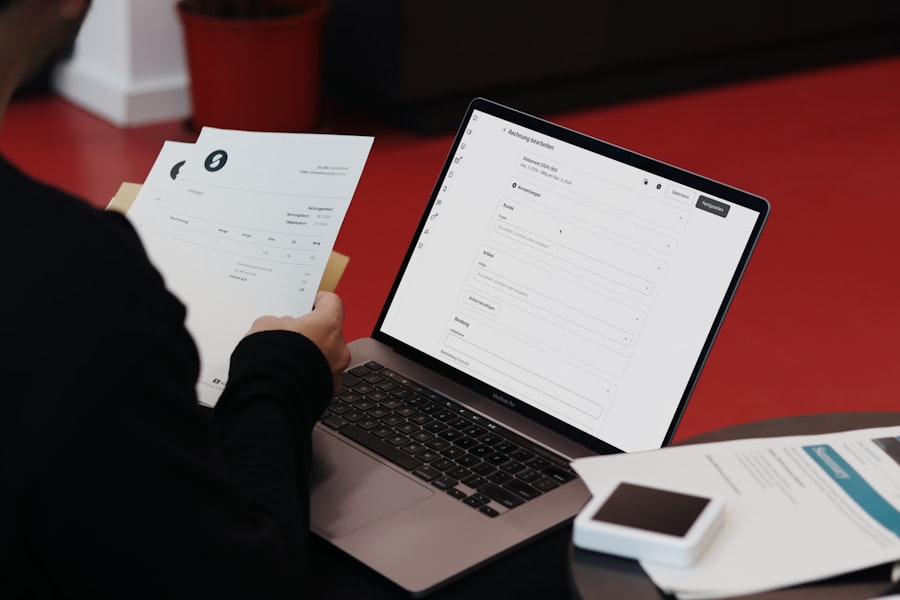
This model, popularized by methodologies like Getting Things Done (GTD), provides a robust framework for managing information and action. Each stage is interdependent, forming a continuous cycle.
Capture Everything
Your brain is for having ideas, not holding them. Anything that demands your attention – an idea, an email, a meeting request, a personal errand – must be immediately captured outside your mind.
- Single Capture Point: Establish one primary inbox or capture tool where all incoming items land. This could be an email inbox, a physical inbox on your desk, or a dedicated “inbox” within your task manager. Avoid multiple scattered capture points, as this leads to items being lost or forgotten.
- Rapid Capture: The process of capturing should be quick and frictionless. If it takes too long, you’ll be less likely to do it consistently. Keep your capture tool accessible at all times.
- Empty Your Head: Regularly “brain dump” any thoughts, worries, or to-dos that are occupying your mental space. This clears cognitive bandwidth for focused work.
Process and Clarify
Once items are captured, they need to be processed to determine what they are and what action, if any, is required.
- Is it Actionable?: For each item, ask: “Does this require an action from me?”
- No Action Required:
- Trash: If it’s no longer relevant.
- Reference: If it’s useful information for later (e.g., a receipt, a project brief). Store it in your note-taking app or a filing system.
- Someday/Maybe: If it’s an interesting idea or project you’d like to pursue but not now. Store it in a dedicated “Someday/Maybe” list for later review.
- Action Required:
- Do It (If it takes < 2 minutes): If a task can be completed quickly, do it immediately. This prevents small tasks from accumulating.
- Delegate It: If someone else is better suited or responsible for the task, delegate it. Ensure you have a system to track delegated items.
- Defer It: If it takes longer than two minutes, defer it. This is where tasks go into your task management system.
Organize for Action
Deferred tasks are then organized into your task manager. This is where you transform a raw list into an actionable plan.
- Projects: Group related tasks into projects. A project is any outcome requiring more than one action.
- Next Actions: For every project, identify the absolute next physical action that needs to be taken to move it forward. Focus on verbs: “Email John about report,” not “Report.”
- Contexts (Optional but Recommended): Assign contexts to tasks, such as “@Office,” “@Home,” “@Computer,” “@Calls.” This allows you to view only tasks relevant to your current environment, reducing overwhelm.
- Deadlines and Reminders: Assign due dates to tasks that have them. Be realistic; not everything needs a hard deadline. Utilize reminders for critical items.
- Prioritization (e.g., Eisenhower Matrix, ABCDE Method): Beyond simple due dates, categorize tasks by importance and urgency.
- Eisenhower Matrix: Divide tasks into four quadrants: Urgent & Important (Do first), Important & Not Urgent (Schedule), Urgent & Not Important (Delegate), Not Urgent & Not Important (Eliminate).
- ABCDE Method: Assign an A, B, C, D, or E to each task, with A being the most important. Only work on B tasks after all A tasks are complete, and so forth.
Do the Work (Deep Work and Focused Execution)
This is the execution phase. Your system has done its part in clarifying what needs to be done. Now, you must focus.
- Time Blocking: Schedule dedicated blocks of time in your calendar for your most important tasks (your “A” tasks or Important & Not Urgent tasks). Treat these blocks as immutable appointments.
- Minimize Distractions: During focused work sessions, silence notifications, close unnecessary tabs, and communicate your unavailability if possible. Create an environment conducive to concentration.
- Pomodoro Technique: Work in focused 25-minute intervals, followed by 5-minute breaks. After four Pomodoros, take a longer break (15-30 minutes). This technique helps maintain focus and prevent burnout.
- Eat the Frog First: Tackle your most challenging or unpleasant task at the beginning of your workday. Completing it provides momentum and energy for the rest of your tasks.
Review and Adapt
A static system is a dead system. Regular review is vital for ensuring your system remains effective and aligned with your evolving goals.
- Daily Review: At the end of each workday, quick scan your task list. What was accomplished? What needs to carry over? Reschedule or re-prioritize as needed.
- Weekly Review: This is the cornerstone of a GTD-style system. During your weekly review:
- Clear Your Inbox: Process all lingering items in your capture points.
- Review Calendar: Look at past appointments and upcoming commitments.
- Review Projects: Ensure all projects have defined next actions.
- Review Someday/Maybe List: See if any items are now actionable.
- Brain Dump: Capture any new thoughts or commitments.
- Evaluate Your System: Is it working? What needs adjustment? Are you making progress toward your goals?
- Monthly/Quarterly Review: Take a higher-level view. Are your projects aligned with your long-term goals? Are there systemic issues you need to address? This is where you might consider larger changes to your tools or principles.
Maintaining and Optimizing Your System
Building a system is not a one-time event; it’s an ongoing process of refinement. Think of it as tending to a garden – regular care ensures continued growth.
Dealing with System Overload and Burnout
Even the best systems can falter under extreme pressure or neglect.
- Recognize the Signs: Increased procrastination, irritability, lack of motivation, feeling overwhelmed, and difficulty concentrating are all indicators of potential overload.
- Hit the Reset Button: If your system feels completely broken, take a day or a few hours to completely re-capture and re-process everything. Treat it as a fresh start, not a failure.
- Delegate or Decline: Learn to say “no” to new commitments if your capacity is full. Proactively delegate tasks when possible to distribute the workload.
- Prioritize Self-Care: Your productivity directly correlates with your physical and mental well-being. Ensure adequate sleep, nutrition, exercise, and breaks.
Continuous Improvement
Your system should be a living entity, evolving with your needs.
- Experimentation: Don’t be afraid to try new tools, methods, or slight modifications to your workflow. What works for one person may not work for you, and what works for you today might not work tomorrow.
- Seek Feedback (if applicable): If you work in a team, solicit feedback on how your work impacts others. Are you reliable? Are your contributions timely?
- Embrace Iteration: Your first version of the system won’t be perfect. Your 10th version still won’t be perfect. The goal is continuous improvement, not ultimate perfection. Each iteration brings you closer to an optimally functioning system.
By diligently following these steps, you will construct a productivity system that supports your ambitions, reduces stress, and liberates your mental energy for creative, impactful work. You are not simply managing tasks; you are orchestrating your potential.
WATCH THIS! 🎯 STOP Wasting Time on the “Perfect” System
FAQs
What is a productivity system?
A productivity system is a set of tools, techniques, and habits designed to help individuals organize tasks, manage time, and achieve goals more efficiently.
Why is it important to build a productivity system that works?
A well-designed productivity system helps reduce stress, increase focus, prioritize tasks effectively, and improve overall efficiency in both personal and professional life.
What are the key components of an effective productivity system?
Key components typically include task management, goal setting, prioritization methods, time tracking, and regular review or reflection processes.
How do I start building a productivity system?
Begin by assessing your current workflow, identifying productivity challenges, choosing tools that suit your style, and implementing simple habits like daily planning and prioritization.
What tools can I use to build a productivity system?
Common tools include digital apps like task managers (e.g., Todoist, Trello), calendars, note-taking apps, and physical planners or notebooks.
How often should I review and adjust my productivity system?
Regular reviews, such as weekly or monthly check-ins, are recommended to assess progress, identify obstacles, and make necessary adjustments to improve effectiveness.
Can a productivity system be personalized?
Yes, productivity systems should be tailored to individual preferences, work styles, and goals to ensure they are practical and sustainable.
What are some popular productivity methodologies to consider?
Popular methodologies include Getting Things Done (GTD), Pomodoro Technique, Eisenhower Matrix, and time blocking.
How do I maintain consistency with my productivity system?
Consistency can be maintained by setting routines, minimizing distractions, regularly reviewing goals, and staying flexible to adapt the system as needed.
Is it necessary to use digital tools for a productivity system?
No, productivity systems can be entirely analog using paper planners and notebooks; the choice depends on personal preference and what enhances productivity best.