
You often operate on autopilot, navigating a world meticulously charted and cross-referenced. Your calendar is a fortress, your to-do list a sacred scroll. This adherence to routine offers a sense of control, a comfortable predictability. But what if this meticulously constructed edifice, while offering stability, also restricts growth? What if the very act of planning, when taken to an extreme, becomes a barrier rather than a gateway? This article invites you to consider the often-overlooked benefits of loosening your grip on planning and embracing the invigorating chaos of spontaneity.
You might view your planning habits as a safety net, a reliable framework preventing you from falling into academic or professional disarray. And indeed, a degree of foresight is indispensable. However, it’s crucial to acknowledge the point at which this safety net transforms into an enclosure. Discover the secrets to improving your efficiency by exploring the concept of paradox productivity.
The Illusion of Control
You believe that by planning every detail, you are master of your destiny. This belief, while comforting, is often an illusion. Life, by its very nature, is a series of unpredictable variables. A meticulously crafted itinerary can be shattered by a sudden illness, an unexpected opportunity, or even a simple traffic jam. When faced with these unforeseen circumstances, your rigid plans can become a source of frustration and anxiety, rather than a guiding light. You expend valuable energy trying to force reality to conform to your pre-conceived notions, much like trying to fit a square peg into a round hole.
Stifling Creativity and Innovation
Your brain thrives on novelty and unexpected connections. When you adhere strictly to a pre-defined path, you bypass these opportunities for serendipitous discovery.
The Echo Chamber of Familiarity
You tend to plan activities and approaches that are already familiar to you. This creates an echo chamber, where new ideas and alternative solutions rarely penetrate. Imagine your mind as a well-trodden path. While efficient for routine journeys, it rarely leads to unexplored vistas. Planning can inadvertently reinforce this well-worn path, preventing you from venturing into new territories of thought and action. You might dismiss unconventional solutions because they don’t align with your outlined strategy, thus missing potentially groundbreaking advancements.
Missed Opportunities for Serendipity
Some of the greatest breakthroughs, both personal and professional, arise from unplanned encounters and spontaneous detours. By meticulously filling every slot in your schedule, you leave no room for serendipity to weave its magic. A casual conversation at a coffee shop, a detour down an unfamiliar street, an impulsive decision to attend an event – these are the fertile grounds where new ideas take root and unexpected opportunities blossom. When you are beholden to a schedule, you are less likely to embrace these unplanned moments, seeing them as disruptions rather than potential catalysts.
The Tyranny of the Blank Space
For many, the sight of an unscheduled hour in a planner is not an opportunity, but a threat. You feel compelled to fill every available slot, often with tasks that, while perhaps productive, don’t truly nourish you or advance your broader goals. This compulsion can lead to burnout and a feeling of being constantly “on,” without adequate time for reflection or genuine personal pursuits. You become a slave to your calendar, rather than its master.
If you’re looking to break free from unproductive planning habits, you might find it helpful to explore strategies that encourage flexibility and creativity in your approach. A related article that delves into this topic is available at Productive Patty, where you can discover practical tips and insights on how to revamp your planning techniques for better results.
The Winds of Change: Cultivating an Openness to the Unplanned
Breaking free from rigid planning doesn’t equate to anarchy. It’s about cultivating a mindset that embraces flexibility and acknowledges the inherent unpredictability of existence.
Embracing the “Blank Canvas” Mentality
Instead of viewing an empty slot in your schedule as a problem to be solved, you can reframe it as a blank canvas – an invitation to create, explore, or simply be.
Reserving Unscheduled Time
Deliberately schedule “unscheduled time” in your week. This isn’t wasted time; it’s an investment in your personal agility. During these periods, resist the urge to immediately fill them with tasks. Instead, allow yourself to follow your curiosity, respond to immediate needs, or simply rest. This practice trains your brain to value downtime and recognize its potential for personal enrichment. You are, in essence, creating a designated space for spontaneity to flourish.
Allowing for “Emergent” Interests
When you’re not bound by a strict itinerary, you become more attuned to nascent interests and impulses. You might stumble upon a captivating article, overhear a fascinating conversation, or simply feel an urge to explore a new hobby. By embracing the blank canvas, you grant yourself permission to pursue these emergent interests, even if they weren’t part of your initial “plan.” This leads to richer experiences and a more diverse skill set.
The Power of “Good Enough”
Perfectionism often goes hand-in-hand with over-planning. You strive to anticipate every contingency and optimize every outcome, leading to endless iterations and delays.
Deciphering the Diminishing Returns
At a certain point, the additional effort you put into planning yields diminishing returns. The extra hours spent refining a schedule or anticipating every single variable often do not translate to significantly better outcomes. You become tangled in the minutiae, losing sight of the broader objective. Recognizing this threshold allows you to declare a plan “good enough” and move forward with confidence, even if every single detail isn’t ironed out.
Trusting Your Instincts
When you loosen your grip on meticulous planning, you create space to trust your intuition. Your subconscious mind often possesses a wealth of information and insights that are not always accessible through conscious, logical planning. Learning to act on these gut feelings can lead to more authentic and often more effective decisions. This is not about recklessness, but about an informed confidence in your ability to adapt.
The Art of Improvisation: Developing Agility and Resilience
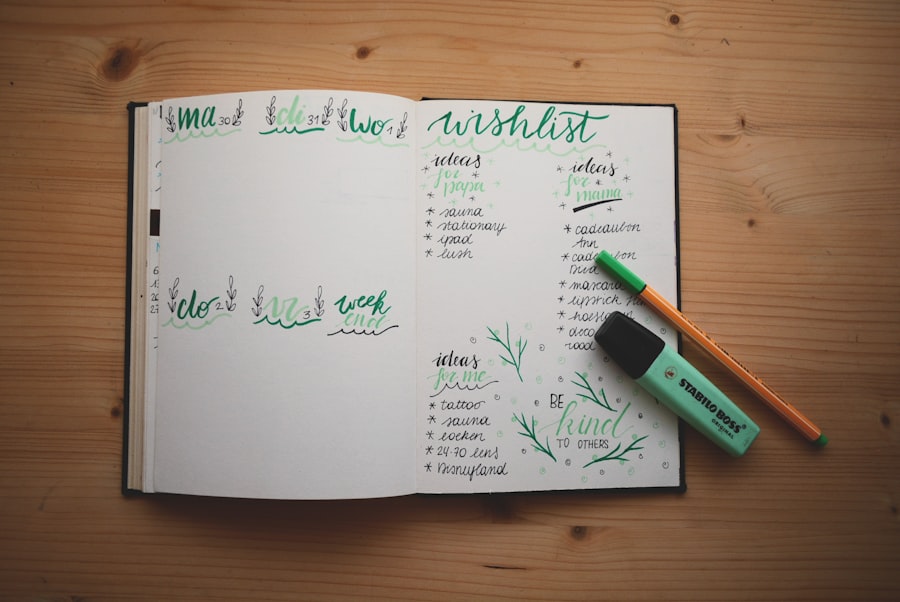
Life rarely unfolds exactly as you’ve meticulously planned. Developing an improvisational mindset allows you to navigate these inevitable deviations with grace and effectiveness.
Shifting from Reactive to Adaptive
When your plans are rigid, unexpected changes can feel like a setback, forcing you into a reactive mode, struggling to get back on track.
Embracing the Pivot Point
View unexpected events not as roadblocks, but as “pivot points” – opportunities to adjust your course. An impromptu meeting might derail your morning schedule, but it could also lead to a valuable collaboration. A cancelled flight might mean a missed appointment, but it could also open up time for a much-needed break or a new exploration. Your ability to pivot gracefully determines your overall success and well-being. You become like a jazz musician, playing within a structure but always ready to improvise a new melody.
Cultivating Problem-Solving Dexterity
When you habitually rely on pre-planned solutions, your problem-solving muscles can atrophy. By embracing spontaneity, you actively train yourself to think on your feet, to creatively address challenges as they arise, rather than resorting to pre-packaged answers. This develops a vital dexterity that serves you well in all aspects of life.
Finding Flow in the Unstructured
The “flow state,” where you are fully immersed and energized by an activity, is often elusive when you’re constantly adhering to a strict schedule.
The Freedom of Unfettered Exploration
When you allow for unstructured time, you create an environment conducive to entering a flow state. Whether it’s engaging in a creative pursuit without a deadline, exploring a new concept without a pre-defined learning path, or simply allowing your mind to wander, these moments of unfettered exploration can lead to deep engagement and profound satisfaction. Your mind is free to roam, making connections and generating insights that rigid planning might suppress.
Leveraging Spontaneous Collaboration
Some of the most innovative and productive collaborations arise from spontaneous interactions. When you are open to impromptu conversations, informal brainstorming sessions, or unexpected invitations, you tap into a collective intelligence that can accelerate progress and spark new ideas in ways that formal, planned meetings rarely achieve.
Rewiring Your Brain: Practicing Flexible Thinking

Breaking entrenched planning habits requires conscious effort and consistent practice. You are, in essence, rewiring established neural pathways.
Starting Small: Micro-Spontaneity Challenges
You don’t need to overhaul your entire life overnight. Begin with small, manageable steps to introduce more spontaneity.
The Daily Detour Experiment
One day this week, take a different route to work or a familiar destination. Even a slight change in your routine can awaken your senses and force you to observe your surroundings more acutely. This simple act can disrupt your autopilot mode and introduce a novel experience. Your brain forms new connections merely by observing a different tree or a new shop.
The “Yes, And…” Principle
Adopt the improvisational principle of “yes, and…” When an unexpected opportunity or suggestion arises, your initial internal response should be to embrace it (“yes”), and then build upon it (“and…”). This fosters an open and expansive mindset, encouraging you to explore possibilities rather than immediately shutting them down. You become an active participant in the unfolding narrative of your day.
Reflecting and Adapting: Learning from the Unplanned
Each instance of embracing spontaneity, whether successful or challenging, offers valuable lessons.
Journaling Your Spontaneous Adventures
After engaging in an unplanned activity, take a moment to reflect. What did you learn? What new perspectives did you gain? How did it make you feel? Journaling helps you internalize these experiences and reinforces the positive aspects of breaking free from rigid planning. You begin to catalogue the benefits, solidifying the new habit.
Adjusting Your Approach Based on Experience
Not every spontaneous endeavor will be a resounding success, and that’s perfectly acceptable. The goal isn’t to be perfectly spontaneous, but to learn to adapt. If an unplanned event led to an undesirable outcome, reflect on why and consider how you might approach a similar situation differently next time. This iterative process refines your ability to navigate the unstructured and build resilience.
Breaking planning habits can be a challenging yet rewarding endeavor, as it allows individuals to embrace spontaneity and creativity in their daily routines. For those looking to explore effective strategies to shift their planning mindset, a related article can provide valuable insights. You can find helpful tips and techniques in this article that focuses on overcoming rigid planning habits and fostering a more flexible approach to life. By incorporating these strategies, you may discover new ways to enhance productivity while still enjoying the freedom to adapt and change your plans as needed.
The Liberating Power of Uncharted Territory
| Metric | Description | Example | Impact on Breaking Planning Habits |
|---|---|---|---|
| Frequency of Spontaneous Actions | Number of unplanned activities per day | 3 spontaneous decisions daily | Increases flexibility and reduces reliance on strict plans |
| Time Spent on Planning | Average minutes spent planning daily | Reduced from 60 to 20 minutes | Encourages adaptability and less rigid scheduling |
| Comfort with Uncertainty | Self-rated comfort level on a scale of 1-10 | Improved from 4 to 7 | Helps in embracing unpredictability and breaking planning habits |
| Number of Contingency Plans | Count of backup plans created per project | Decreased from 3 to 1 | Reduces over-planning and encourages going with the flow |
| Decision-Making Speed | Average time taken to make decisions (minutes) | Improved from 15 to 5 minutes | Promotes quicker, less planned choices |
You have painstakingly built a navigable world through planning, seeking comfort in its well-defined contours. But consider the exhilaration of venturing into uncharted territory, not blindly, but with a sharpened sense of awareness and an agile mindset. The map you’ve been relying on offers guidance, but it also dictates your journey. By embracing spontaneity, you tear a few pages from that map, not to become lost, but to discover new paths, hidden gems, and an expanded sense of self. You move from being a passenger on a pre-determined route to becoming the intrepid explorer of your own life’s grand adventure. Your journey, once a meticulously planned itinerary, transforms into a dynamic and ever-evolving odyssey.
WATCH THIS! 🔥 STOP PLANNING, START SHIPPING: The 2-Minute Trick That Changes Everything
FAQs
What does it mean to break planning habits?
Breaking planning habits involves changing or stopping the routine behaviors related to excessive or rigid planning. It means becoming more flexible and spontaneous rather than strictly adhering to detailed plans.
Why might someone want to break their planning habits?
People may want to break planning habits to reduce stress, increase creativity, improve adaptability, and enjoy more spontaneity in their daily lives. Over-planning can sometimes lead to anxiety and limit opportunities for unexpected experiences.
What are common signs that planning habits need to be changed?
Common signs include feeling overwhelmed by schedules, experiencing anxiety when plans change, difficulty adapting to new situations, and a lack of time for relaxation or unplanned activities.
What strategies can help in breaking planning habits?
Effective strategies include setting flexible goals, allowing for unplanned time in schedules, practicing mindfulness, gradually reducing the amount of detailed planning, and embracing uncertainty as a positive aspect of life.
How long does it typically take to change planning habits?
The time to change planning habits varies by individual but generally takes several weeks to months. Consistent practice, patience, and self-awareness are key factors in successfully modifying these behaviors.