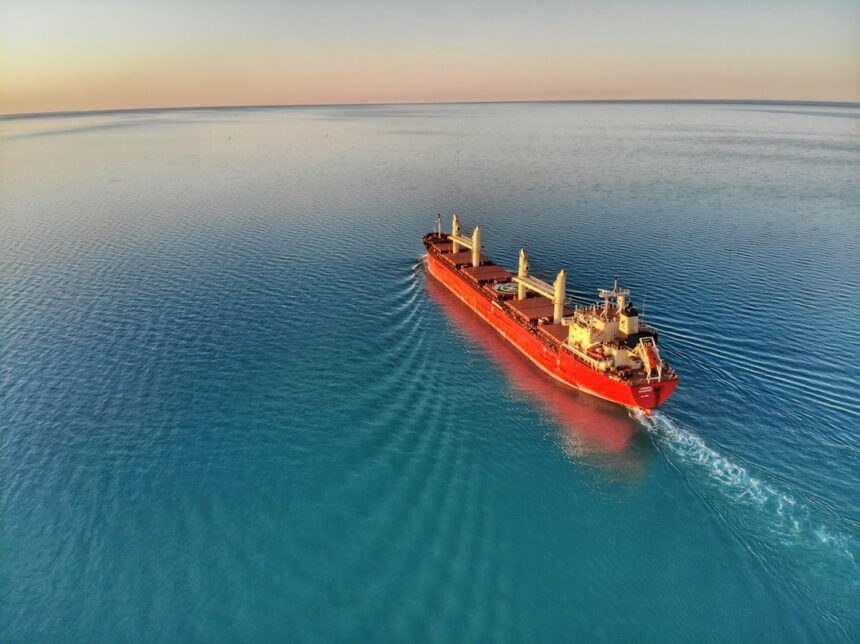
Before you embark on any logistics journey, understanding the landscape of shipping is paramount. Like a skilled navigator charting a course through treacherous waters, you must meticulously analyze myriad factors to ensure your goods reach their destination efficiently and intact. Failure to adequately plan can lead to costly delays, damaged products, dissatisfied customers, and ultimately, a significant drain on your resources. This comprehensive guide will equip you with the knowledge to make informed decisions before your first package even leaves the dock, metaphorically speaking.
The very first step in your shipping considerations is a thorough understanding of the item or items you intend to transport. Your cargo is not just a collection of objects; it’s a unique entity with specific requirements that dictate every subsequent decision you make. Discover the secrets to improving your efficiency by exploring the concept of paradox productivity.
What are you shipping?
This seemingly simple question unlocks a cascade of crucial details. Are you shipping durable goods, such as machinery or electronics, or fragile items like glassware or ceramics? Is your cargo perishable, requiring temperature-controlled environments, or does it have a limited shelf life? Understanding the inherent characteristics of your goods is foundational.
Dimensions and Weight
These are not merely numbers; they are the architectural blueprints of your shipping strategy. The dimensions (length, width, height) of your package directly impact the type of shipping container required, whether it’s a standard box, a pallet, or a specialized crate. Similarly, the weight of your cargo dictates the carrier’s capacity requirements and significantly influences transportation costs. Overestimating or underestimating these values can lead to unexpected surcharges or logistical nightmares.
Fragility and Special Handling Needs
Imagine transporting a delicate porcelain vase alongside rugged industrial equipment. The contrast highlights the necessity of identifying fragile items. Do your goods require shock absorption, specific orientation during transit, or protection from vibration? Special handling often necessitates extra packaging materials, such as foam inserts or custom-built crates, and may incur additional charges from carriers who offer specialized services.
Hazardous Materials
Shipping hazardous materials is not merely a formality; it is a stringent regulatory landscape you must navigate with absolute precision. Failing to comply with regulations for dangerous goods, such as chemicals, lithium batteries, or flammable liquids, can result in severe penalties, fines, and even cargo confiscation. This requires specialized documentation, labeling, handling procedures, and often, certified carriers. You must become fluent in the language of Safety Data Sheets (SDS) and relevant international and domestic regulations.
Before diving into the intricacies of shipping touches, it’s essential to understand the foundational principles that can significantly impact your planning process. A related article that offers valuable insights on this topic can be found at Productive Patty. This resource provides practical tips and strategies that can help streamline your shipping operations, ensuring that every touchpoint is optimized for efficiency and effectiveness.
Destination and Route Planning: Charting Your Course
Just as a seasoned traveler plans their itinerary, you must meticulously plan the journey your cargo will undertake. The destination is not merely a point on a map; it represents a confluence of regulations, infrastructure, and potential challenges.
Domestic vs. International Shipping
This is a fundamental fork in the road. Domestic shipping, whilst still requiring careful planning, generally involves fewer bureaucratic hurdles. International shipping, on the other hand, introduces a complex web of customs regulations, import/export duties, tariffs, and diverse transport infrastructure across different nations. Each country operates under its own unique set of rules, and you must familiarize yourself with the specific requirements of both the origin and destination countries.
Geographical Considerations
The physical location of your destination significantly influences carrier selection and transit times. Shipping to a remote island will present different challenges and costs than shipping to a major metropolitan hub. Consider the accessibility of the destination: are there adequate roads, ports, or airports? Is the infrastructure robust enough to handle the size and weight of your cargo?
Transit Time Requirements
Time is often a critical factor. Do your goods need to arrive within a specific timeframe, or is there more flexibility? Expedited shipping options, while faster, invariably come with a higher price tag. Conversely, choosing slower, more economical routes might be suitable if time is not of the essence. You must balance the urgency of delivery with your budgetary constraints.
Customs and Duties (International)
For international shipments, customs clearance is a formidable gatekeeper. You must accurately declare the value and nature of your goods, complete all necessary paperwork, and pay any applicable import duties and taxes. Failure to do so can lead to significant delays, storage fees, or even the seizure of your cargo. Engaging a customs broker can be invaluable in navigating this complex terrain.
Carrier Selection: Choosing Your Vehicle for the Journey

Once you understand your cargo and its destination, the next critical step is selecting the appropriate carrier. This is akin to choosing the right vehicle for a specific expedition – a sturdy off-road truck for rugged terrain, or a fuel-efficient sedan for a smooth highway.
Types of Carriers (Road, Rail, Air, Sea)
Each mode of transport offers distinct advantages and disadvantages.
- Road Freight: Offers flexibility for shorter distances and door-to-door delivery. Generally suitable for a wide range of cargo sizes and weights, but can be susceptible to traffic delays and fuel price fluctuations.
- Rail Freight: An economical option for bulkier, heavy cargo over long distances, particularly within continents. More environmentally friendly than road transport but less flexible in terms of direct delivery points.
- Air Freight: The fastest option for time-sensitive shipments, especially for international routes. However, it is the most expensive and has strict limitations on cargo size, weight, and hazardous materials.
- Sea Freight: The most cost-effective option for large volumes of goods, particularly for international shipping. Much slower than air freight but offers considerable capacity. Often involves multimodal transport, with goods transferred to road or rail at ports.
Reliability and Reputation
You are entrusting your valuable cargo to a third party. Therefore, the carrier’s reliability and reputation are paramount. Research their track record for on-time deliveries, damage rates, and customer service. Seek reviews, testimonials, and industry accolades. A carrier with a history of consistent performance instills confidence.
Cost and Pricing Structures
Shipping costs are more than just a single number; they are a mosaic of various components. You must understand the carrier’s pricing structure, which might include base rates, fuel surcharges, accessorial fees (for services like liftgate delivery, residential delivery, or re-delivery attempts), and potential surcharges for oversized or overweight items. Obtain multiple quotes and compare them thoroughly.
Insurance Options
Consider insurance as your financial safety net. While carriers often offer basic liability coverage, it is frequently insufficient to cover the full value of your goods in case of loss or damage. Exploring additional cargo insurance, either through the carrier or a third-party insurer, is a prudent measure, especially for high-value or fragile shipments. Understand the terms, coverage limits, and deductible clauses.
Packaging and Labeling: Your Cargo’s Suit of Armor and Its Identity Tag

Imagine sending a soldier into battle without armor or identification. Similarly, your cargo requires robust packaging for protection and clear labeling for identification and compliance.
Proper Packaging Materials
The right packaging is your cargo’s first line of defense. This involves selecting appropriate materials based on the item’s fragility, weight, and the chosen mode of transport. Corrugated cardboard boxes, wooden crates, pallets, bubble wrap, foam inserts, packing peanuts, and shrink wrap all serve specific protective purposes. Do not skimp on packaging; it is a small investment that can prevent significant losses.
Secure Sealing
Just as a well-sealed envelope protects its contents, a securely sealed package prevents tampering, spillage, and damage during transit. Use strong, appropriate tape for boxes, and consider strapping or banding for heavier or palletized shipments.
Clear and Accurate Labeling
Labels are your cargo’s identity card and travel instructions. They must be legible, durable, and accurately reflect the contents, destination, sender, and any special handling instructions. This includes:
- Shipping labels: Containing sender and recipient addresses, tracking numbers, and barcode information.
- Hazardous material labels: Specific warning labels for dangerous goods, as mandated by regulatory bodies.
- Fragile/Handle with Care stickers: Visual cues for handlers to exercise caution.
- Orientation arrows: Indicating which way is up for items that must remain upright.
Compliance with Regulations
Certain goods and destinations have specific packaging and labeling regulations. For example, international wood packaging materials often require ISPM 15 certification to prevent the spread of pests. Hazardous materials have a distinct set of labeling requirements. Ensure your packaging and labeling meet all applicable domestic and international standards to avoid delays or penalties.
Before diving into the complexities of shipping touches, it’s essential to understand the foundational aspects of effective planning. A related article that offers valuable insights on this topic can be found at this link. By exploring the strategies discussed, you can better prepare for the various challenges that may arise in the shipping process, ensuring a smoother experience overall.
Documentation and Compliance: The Bureaucratic Backbone
| Shipping Touch | Description | Average Time (minutes) | Frequency per Shipment | Impact on Planning Accuracy (%) |
|---|---|---|---|---|
| Order Verification | Confirming order details and quantities | 5 | 1 | 15 |
| Inventory Check | Verifying stock availability for shipment | 7 | 1 | 20 |
| Packing Preparation | Gathering and preparing items for packing | 10 | 1 | 25 |
| Labeling | Printing and attaching shipping labels | 3 | 1 | 10 |
| Quality Inspection | Final check for product quality and accuracy | 8 | 1 | 30 |
Shipping, particularly international shipping, is a highly regulated activity. Without the correct paperwork, your cargo is simply a collection of objects without permission to move.
Commercial Invoice
This is perhaps the most crucial document for international shipments. It describes the goods being shipped, their value, quantity, and the terms of sale. Customs authorities use the commercial invoice to assess duties and taxes. Accuracy is paramount here.
Packing List
The packing list details the contents of each package within a shipment, including their dimensions and weights. It aids in verifying cargo against the commercial invoice and assists in customs inspections.
Bill of Lading (BOL) / Air Waybill (AWB)
- Bill of Lading (BOL): Used for sea and road freight, the BOL serves as a contract between the shipper and the carrier, a receipt for the goods, and a document of title to the goods.
- Air Waybill (AWB): The equivalent of a BOL for air freight, serving as a contract of carriage and a receipt for the goods.
Export/Import Licenses and Permits
Depending on the nature of your goods and the destination country, you may require specific export or import licenses. This is particularly true for controlled goods, dual-use items, or products subject to quotas or embargoes. Research these requirements diligently to avoid legal complications.
Certificates of Origin
A Certificate of Origin verifies the country where the goods were manufactured or produced. This document is often required by customs authorities to determine tariffs, duties, and eligibility for preferential trade agreements.
Other Required Documents
Depending on the cargo and destination, other documents might be necessary, such as phytosanitary certificates for agricultural products, health certificates for animal products, or material safety data sheets (MSDS) for chemical products.
Adherence to International Trade Agreements
Familiarize yourself with international trade agreements, such as free trade agreements (FTAs), that may impact duties and taxes. Understanding these agreements can lead to significant cost savings.
By meticulously addressing each of these considerations, you move beyond mere shipping and into the realm of strategic logistics. Before you finalize any shipping plan, dedicate time to thorough research, robust planning, and meticulous execution. This proactive approach will transform potential logistical pitfalls into a smooth, efficient, and cost-effective journey for your goods.
WATCH THIS! 🔥 STOP PLANNING, START SHIPPING: The 2-Minute Trick That Changes Everything
FAQs
What does “shipping touches before planning” mean?
“Shipping touches before planning” refers to the practice of initiating product shipments or deliveries before completing detailed project or production planning. It emphasizes early physical handling or distribution to gather feedback or test logistics prior to finalizing plans.
Why is it important to consider shipping touches before planning?
Considering shipping touches before planning helps identify potential logistical challenges, improve supply chain efficiency, and ensure that the product reaches customers smoothly. It allows teams to adjust plans based on real-world shipping experiences.
How can shipping touches impact the overall project timeline?
Shipping touches can either accelerate or delay the project timeline. Early shipping can provide valuable insights that streamline later stages, but if not managed well, it may cause rework or delays due to unforeseen shipping issues.
What are common challenges associated with shipping touches before planning?
Common challenges include inaccurate demand forecasting, increased costs from expedited shipping, coordination difficulties among teams, and potential quality control issues if products are shipped prematurely.
How can companies effectively manage shipping touches before planning?
Companies can manage shipping touches effectively by integrating cross-functional communication, using pilot shipments to test processes, collecting customer feedback early, and maintaining flexibility in their planning to accommodate insights gained from initial shipping experiences.