
You’ve likely encountered countless articles and methodologies promising to revolutionize your productivity. From elaborate time management matrices to complex goal-setting frameworks, the sheer volume can be overwhelming, often leading to analysis paralysis rather than increased output. This article introduces the Micro Actions System, a pragmatic approach designed to integrate seamlessly into your existing routines, fostering sustainable productivity gains without demanding radical lifestyle overhauls.
The Micro Actions System operates on the fundamental premise that significant achievements are direct aggregates of smaller, manageable steps. Imagine a grand cathedral, not built in a single, audacious act, but stone by meticulously placed stone. Similarly, your loftiest goals, be they professional milestones, personal development objectives, or creative endeavors, can be systematically dismantled into their constituent micro actions. This deconstruction reduces the perceived effort of a task, making it less daunting and more achievable. Discover the secrets to improving your efficiency by exploring the concept of paradox productivity.
Overcoming Initiation Barriers
The biggest hurdle for many is often not the task itself, but the inertia of starting. A large, ill-defined task acts as a psychological weight, generating resistance.
- The “Five-Minute Rule”: Commit to working on a task for just five minutes. Often, once you overcome initial resistance and begin, the momentum carries you forward far beyond the initial commitment.
- Defining the First Step: Instead of “Write a report,” a micro action might be “Open document and title it.” This seemingly trivial step is a critical act of initiation.
- Lowering the Bar: Make the initial micro action so small and easy that omitting it feels more effortful than performing it.
Shifting Focus from Outcome to Process
Traditional productivity focuses heavily on the end result. While vision is important, an overemphasis on outcomes can lead to discouragement when progress seems slow. The Micro Actions System redirects your attention to the process itself. Each completed micro action is a small victory, reinforcing positive behavior and building self-efficacy.
The micro actions productivity system is an innovative approach that emphasizes breaking down tasks into smaller, manageable actions to enhance efficiency and focus. For further insights on how to implement this system effectively, you can explore a related article that delves into practical strategies and tips. Check it out here: Productive Patty.
Implementing the System: Practical Application
The theoretical elegance of micro actions translates into a robust practical framework. You don’t need specialized software or expensive workshops. The tools for implementation are readily available: your own cognitive capacity and simple organizational aids.
Identifying Your “Big Rocks”
Before you can break things down, you need to know what you’re breaking down. Your “big rocks” are your overarching goals, projects, or responsibilities that warrant dedicated effort.
- Goal Articulation: Clearly define your desired outcomes. Ambiguity is the enemy of action.
- Project Inventory: List all significant projects currently demanding your attention. Prioritize these based on importance and urgency.
- Role-Based Responsibilities: Consider your various roles (e.g., employee, parent, student) and the key responsibilities associated with each.
The Art of Micro-Action Breakdown
This is the central skill you’ll cultivate. It involves dissecting those “big rocks” into their smallest, most actionable components. Think of it like disassembling a complex machine into individual nuts, bolts, and gears. Each piece is simple, but together they form a functional whole.
- The “Next Logical Step” Principle: For any given task, ask yourself, “What is the very next physical or mental action I need to take?” For example, if “Research competitors” is a task, the next logical micro action might be “Open search engine browser” or “Compile a list of 3 competitor names.”
- Time-Boxing Small Actions: Aim for micro actions that can be completed within 2-15 minutes. This brevity keeps them manageable and reduces the temptation to procrastinate.
- Specificity and Clarity: A micro action should be unambiguous. “Think about presentation” is nebulous. “Outline the main three sections of the presentation” is clear.
- Verbs as Starting Points: Each micro action should begin with a strong, active verb: “Write,” “Call,” “Email,” “Review,” “Open,” “Draft,” “Schedule.”
Integrating Micro Actions into Your Daily Flow

The true power of this system lies in its seamless integration into your existing daily routines. It’s not about carving out massive blocks of “productivity time,” but about finding small pockets to chip away at your goals.
The “Slight Edge” Principle
This concept, borrowed from Jeff Olson, suggests that small, consistent actions, compounded over time, lead to dramatic results. Each micro action is a slight edge that pushes you forward.
- Morning Rituals: Begin your day with one or two important micro actions. This builds early momentum and prevents important tasks from being deferred.
- Transitional Moments: Utilize often-overlooked periods like waiting for coffee, during short commutes, or between meetings. Can you send a quick email, review a document, or generate a few ideas in these brief intervals?
- Before Bed Review: Allocate 5 minutes before bed to identify 1-3 micro actions for the following day. This primes your subconscious for productive action.
Leveraging Existing Tools
You don’t need a custom micro-action management system. Your existing tools are often perfectly adequate.
- To-Do Lists: Transform your vague to-do items into a series of micro actions. Instead of “Project X,” list “Email Sarah for data,” “Create draft spreadsheet,” “Review Section 1.”
- Calendars: Block out 15-30 minute slots for specific clusters of micro actions. Treat these as non-negotiable appointments with yourself.
- Note-Taking Apps: Use digital or physical notebooks to brainstorm and capture micro actions as they come to mind.
Psychological Benefits: Beyond Just Getting Things Done
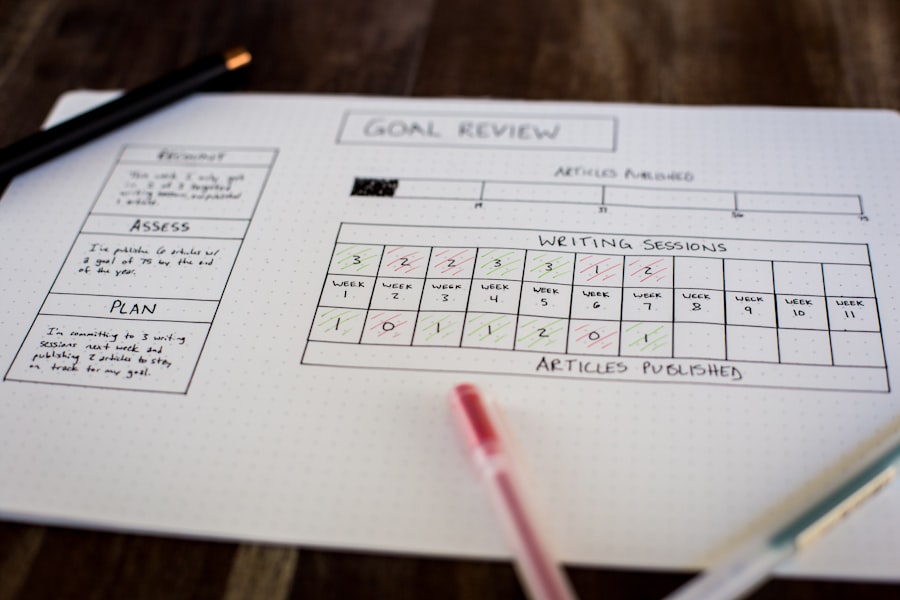
The Micro Actions System doesn’t just improve your output; it fundamentally alters your psychological relationship with work and goals, fostering a more positive and proactive mindset.
Building Momentum and Confidence
Each completed micro action, no matter how small, is a miniature triumph. These consistent successes accumulate, creating a powerful sense of forward progress and boosting your self-efficacy.
- Tracking Progress: Visually tracking completed micro actions (e.g., checking off items on a list, using a simple spreadsheet) reinforces positive behavior and provides tangible evidence of your efforts.
- Reduced Overwhelm: By breaking down large tasks, you eliminate the paralyzing feeling of staring at a mountain. Each step is a small hill, manageable and less intimidating.
- Positive Feedback Loop: The completion of a micro action releases small doses of dopamine, the neurochemical associated with pleasure and reward, creating a positive feedback loop that encourages further action.
Cultivating Consistency and Habit Formation
The core strength of the Micro Actions System is its ability to foster consistent effort, which is the bedrock of habit formation.
- Small Steps, Big Habits: When actions are small and easily performed, the resistance to repeating them significantly decreases. This makes it easier to engrain them into your routine.
- Reducing Decision Fatigue: By pre-defining your micro actions, you reduce the number of choices you have to make throughout the day, conserving mental energy.
- Resilience to Obstacles: When inevitably faced with setbacks, the small scale of micro actions means that getting back on track is less daunting than trying to restart a massive, complex endeavor. You simply pick up the next small stone.
The micro actions productivity system has gained popularity for its effectiveness in breaking down tasks into manageable steps, making it easier for individuals to stay focused and motivated. If you’re interested in exploring this concept further, you might find this insightful article on productivity strategies helpful. It delves into various techniques that complement the micro actions approach, enhancing overall efficiency. You can read more about it in this related article that offers practical tips and examples to implement in your daily routine.
Troubleshooting and Refinement
| Metric | Description | Typical Value | Impact on Productivity |
|---|---|---|---|
| Number of Micro Actions per Day | Count of small, manageable tasks completed daily | 15-30 | Higher counts correlate with steady progress and reduced overwhelm |
| Average Time per Micro Action | Time spent on each micro action | 5-15 minutes | Short durations help maintain focus and momentum |
| Completion Rate | Percentage of micro actions completed vs planned | 80-95% | High completion rates boost motivation and task flow |
| Task Switching Frequency | Number of times switching between micro actions per hour | 4-6 | Moderate switching prevents fatigue and maintains engagement |
| Focus Retention Time | Duration of sustained focus on a micro action | 10-20 minutes | Longer focus periods improve quality and efficiency |
| Daily Productivity Score | Composite score based on micro actions completed and quality | 75-90 (out of 100) | Reflects overall effectiveness of micro action system |
No system is foolproof, and the Micro Actions System is no exception. However, its modular nature makes it highly adaptable to individual needs and challenges.
When Micro Actions Feel Too Small
Sometimes, you might find yourself breaking things down to an absurd level. While granularity is key, there’s a point of diminishing returns.
- Grouping Related Actions: If you have numerous 1-minute steps for a single logical sub-task, consider grouping them into a slightly larger, 5-minute micro action. For example, instead of “Open email client,” “Click ‘new email’,” “Type recipient,” you might group these into “Initiate email to Recipient X.”
- Focus on Impact: Ensure each micro action still contributes directly to progress on a larger goal. Avoid creating busywork disguised as micro actions.
Dealing with Procrastination on Micro Actions
Even the smallest action can sometimes trigger resistance. This often points to underlying issues.
- Re-evaluating the “Why”: Remind yourself of the larger goal or project to which this micro action contributes. Reconnect with your motivation.
- “Eat the Frog” Method: If a micro action is particularly unpleasant, tackle it first thing in the morning when your willpower is highest.
- Accountability: Share your micro action goals with a colleague or friend. The social pressure can be a powerful motivator.
Adapting to Changing Priorities
The world is dynamic, and your goals and priorities will shift. The Micro Actions System is designed for this flexibility.
- Regular Review: Periodically (e.g., weekly, bi-weekly) review your “big rocks” and the associated micro actions. This allows you to re-prioritize, add new goals, or discard outdated ones.
- Agility in Action Generation: When a new, urgent priority arises, quickly generate a few immediate micro actions to address it, without losing sight of your ongoing tasks.
- Balance and Sustainability: Be mindful of overloading your plate. You are not a machine. The goal is sustainable productivity, not burnout. Adjust the volume of micro actions to match your capacity.
In conclusion, the Micro Actions System is not a complex productivity hack or a fleeting trend. It is a fundamental shift in perspective, moving from an intimidating, outcome-focused mindset to a practical, process-driven approach. By consistently deconstructing your ambitions into their smallest, most actionable units, you cultivate a powerful engine of continuous progress. You are capable of achieving far more than you realize, one meticulously placed micro action at a time.
WATCH THIS! 🔥 STOP PLANNING, START SHIPPING: The 2-Minute Trick That Changes Everything
FAQs
What is the Micro Actions Productivity System?
The Micro Actions Productivity System is a method that focuses on breaking down tasks into very small, manageable actions to increase productivity and reduce procrastination. It emphasizes completing tiny steps consistently to build momentum and achieve larger goals.
How do micro actions improve productivity?
Micro actions improve productivity by making tasks less overwhelming and easier to start. By focusing on small, achievable steps, individuals can maintain motivation, reduce decision fatigue, and create a habit of continuous progress.
Can the Micro Actions Productivity System be used for any type of task?
Yes, the Micro Actions Productivity System can be applied to a wide range of tasks, from work projects and studying to personal goals and daily routines. The key is to identify the smallest possible action that moves the task forward.
How do you identify effective micro actions?
Effective micro actions are specific, simple, and require minimal time or effort to complete. They should be clear enough to avoid ambiguity and small enough to be completed quickly, helping to build momentum toward larger objectives.
Is the Micro Actions Productivity System suitable for long-term goal planning?
Yes, the system is suitable for long-term goal planning because it breaks down large goals into incremental steps. This approach helps maintain consistent progress over time and makes long-term goals feel more attainable.