
The ability to resist immediate gratification for long-term rewards, to temper impulses, and to navigate complex social situations with deliberation is a hallmark of human achievement. This capacity, often referred to as self-control, is not some mystical force but a sophisticated cognitive function rooted in specific brain regions, chief among them your prefrontal cortex. Understanding this intricate biological mechanism empowers you to cultivate and strengthen this vital skill.
Imagine your brain as a bustling city. The prefrontal cortex, located at the very front of your skull, is the city’s executive suite, the command center responsible for urban planning, policy-making, and crisis management. It is the last part of your brain to fully mature, typically not reaching its peak functionality until your mid-twenties. This protracted development underscores its complexity and its crucial role in regulating your behavior. This region is not a single entity but a network of interconnected areas, each contributing to its impressive repertoire of executive functions. Discover the secrets to boosting your efficiency with this insightful paradox productivity video.
Anatomical Foundations of Self-Control
The prefrontal cortex is broadly divided into several key subregions, each with specialized roles that collectively support self-control:
The Dorsolateral Prefrontal Cortex (DLPFC)
This area is often considered the powerhouse of working memory and cognitive flexibility. It’s where you hold information online, manipulate it, and switch between different tasks or mental sets. Think of the DLPFC as your brain’s internal whiteboard, where you can jot down ideas, compare them, and revise them as needed. It is essential for planning, problem-solving, and strategic thinking – all crucial components of effective self-control. When you need to resist an impulse, the DLPFC helps you consider the long-term consequences of your actions, weighing them against the immediate desire.
The Ventromedial Prefrontal Cortex (VMPFC)
The VMPFC plays a significant role in decision-making, particularly in evaluating the emotional significance of choices and integrating emotional information into your reasoning. It connects your emotions to your thoughts, helping you understand how certain actions might make you feel later. Consider the VMPFC as the brain’s internal moral compass and risk assessment unit. It flags potential emotional consequences, warning you against choices that might lead to regret or distress. This is vital for avoiding impulsive acts driven by fleeting emotions, allowing you to make decisions that align with your values and long-term well-being.
The Orbitofrontal Cortex (OFC)
Closely linked to the VMPFC, the OFC is instrumental in processing rewards and punishments, guiding your behavior based on past experiences and expected outcomes. It helps you learn what is beneficial and what is detrimental, shaping your future choices. The OFC acts like a sophisticated reward prediction engine. It learns from your successes and failures, informing your future decisions to maximize positive outcomes and minimize negative ones. This predictive capability is fundamental to overriding immediate temptations if you’ve learned from past experiences that such indulgences lead to undesirable consequences.
Neurochemical Underpinnings
The intricate functions of the prefrontal cortex are heavily influenced by a delicate balance of neurochemicals, particularly neurotransmitters. These chemical messengers act as the communication network within your brain, facilitating the complex signaling required for self-control.
Dopamine’s Dual Role
Dopamine is often associated with pleasure and reward, but its role in self-control is more nuanced. While it can drive motivation towards immediate rewards, it also plays a crucial part in goal-directed behavior and self-regulation. In the context of self-control, dopamine pathways help you focus on and pursue long-term goals, even when faced with more appealing short-term distractions. It’s like a skilled conductor, orchestrating the movement of your attention towards your ultimate objective, ensuring it doesn’t get lost in the cacophony of immediate desires.
Serotonin and Emotional Regulation
Serotonin influences mood, appetite, and sleep, and it is also intricately linked to emotional regulation. Adequate levels of serotonin can contribute to a more stable emotional state, making you less susceptible to impulsive actions driven by stress or anxiety. Imagine serotonin as a calming agent, smoothing out emotional turbulence and preventing you from being swept away by powerful feelings. This emotional stability provides a crucial foundation for rational decision-making and the exercise of self-control.
Norepinephrine and Alertness
Norepinephrine is a neurotransmitter central to alertness, attention, and the stress response. While it can be important for mobilizing resources to overcome immediate challenges, dysregulation of norepinephrine can lead to impulsivity and difficulty focusing. When managed effectively, it helps you stay vigilant and focused on your goals, resisting distractions that threaten to derail your progress. It’s like a highly tuned alert system, keeping you aware of your surroundings and your internal state, allowing you to make conscious adjustments to stay on course.
Recent research has highlighted the significant role of the prefrontal cortex in regulating decision-making and impulse control. For a deeper understanding of how this brain region influences our daily choices and behaviors, you can explore the article on the topic at Productive Patty. This resource provides valuable insights into the mechanisms of the prefrontal cortex and its impact on productivity and self-regulation.
The Mechanics of Inhibitory Control
At its core, self-control often boils down to your ability to inhibit or suppress unwanted thoughts, feelings, or actions. Your prefrontal cortex is the primary architect of this inhibitory control, acting as a gatekeeper that selectively allows or blocks behaviors. This process is not a passive one; it requires active engagement and mental effort.
Resisting Temptation: A Constant Negotiation
When faced with temptation, your prefrontal cortex is engaged in a continuous negotiation between your immediate desires and your long-term goals. The circuits within the prefrontal cortex work to dampen the signals from brain regions associated with pleasure-seeking (like the amygdala and nucleus accumbens), allowing you to consciously override the impulse. This is where the metaphor of the executive suite truly shines. The DLPFC might remind you of future consequences, while the VMPFC might trigger a sense of disapproval or regret associated with giving in.
Cognitive Reappraisal and Distraction
Two powerful strategies employed by your prefrontal cortex to resist temptation involve cognitive reappraisal and distraction. Cognitive reappraisal is the ability to change the way you think about a tempting situation, reframing it in a less appealing light. For instance, instead of fixating on the deliciousness of a forbidden treat, you might focus on its detrimental health effects. Distraction involves redirecting your attention to something else entirely, pulling your mental resources away from the source of temptation. These are conscious efforts that your prefrontal cortex facilitates, allowing you to steer your thoughts and focus away from undesirable stimuli.
Delaying Gratification: The Marshmallow Test Explained
The classic “marshmallow test,” in which children are given a choice between a single marshmallow now or two marshmallows later, provides a direct illustration of the ability to delay gratification. Success in this test is strongly correlated with better life outcomes, underscoring the importance of this self-control skill. Your prefrontal cortex is instrumental in enabling you to forgo immediate rewards for the promise of greater future benefits. It allows you to keep the larger, later reward in mind, even when the immediate one is tantalizingly close.
Building Mental Fortitude Through Practice
Just like a muscle, your capacity for delaying gratification can be strengthened through practice. Each time you successfully resist a smaller temptation, you are essentially conducting a “training session” for your prefrontal cortex, reinforcing the neural pathways involved in self-control. This gradual build-up of mental fortitude makes it easier to tackle larger challenges later on.
The Role of Attention in Self-Control
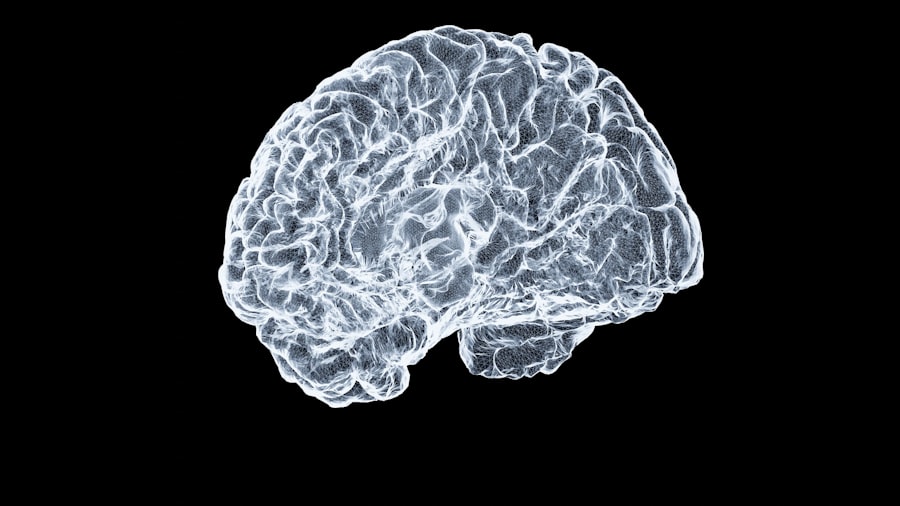
Your ability to direct and sustain your attention is a cornerstone of effective self-control. The prefrontal cortex, particularly the DLPFC, is heavily involved in attentional control, allowing you to focus on what is important and filter out distractions.
Sustained Attention and Goal Pursuit
When you are working towards a long-term goal, sustained attention is crucial. Your prefrontal cortex helps you maintain focus on the task at hand, resisting the urge to switch to more immediately gratifying activities. It’s like a skilled navigator, steering your ship through choppy waters, ensuring you stay on course towards your distant harbor despite the allure of nearby islands.
Mind-Wandering and its Antidote
Mind-wandering, the spontaneous shift of attention away from the task at hand, can be a significant impediment to self-control. However, your prefrontal cortex also plays a role in recognizing and redirecting mind-wandering. Practices like mindfulness meditation, which trains your ability to observe your thoughts without judgment and gently bring your attention back, can be particularly effective in strengthening these prefrontal functions.
Selective Attention and Impulse Suppression
Selective attention allows you to focus on relevant stimuli while ignoring irrelevant ones. This is critical for impulse suppression, as it helps you to consciously tune out tempting distractions. Imagine your prefrontal cortex as a bouncer at a club, deciding who gets in and who stays out, selectively allowing in thoughts and actions aligned with your objectives while barring the disruptive ones.
Emotional Regulation and Self-Control Symbiosis
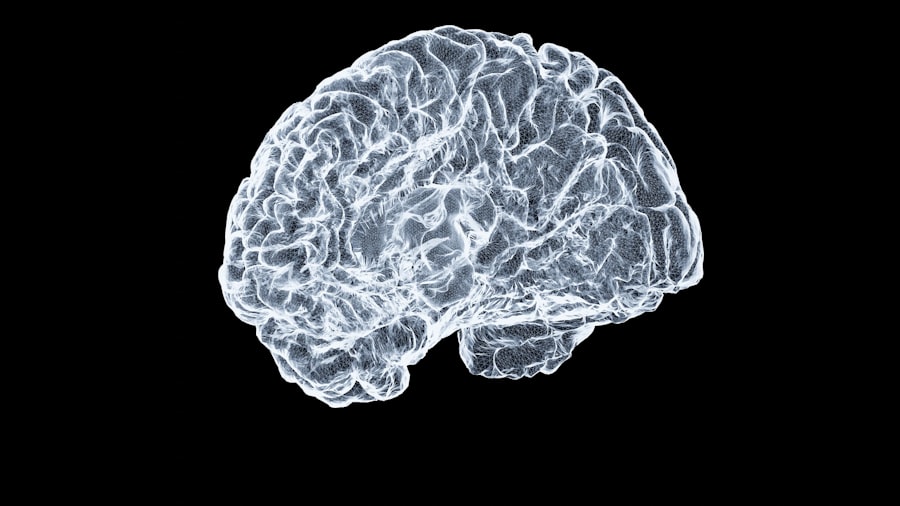
The interplay between emotions and self-control is profound. Your prefrontal cortex helps you to not only inhibit undesirable behaviors but also to manage and regulate your emotional responses. This creates a virtuous cycle where better emotional regulation supports stronger self-control, and vice versa.
Understanding and Managing Emotional Triggers
Identifying your emotional triggers – the situations or feelings that tend to lead to impulsive behavior – is a vital first step. Once identified, your prefrontal cortex can be employed to develop strategies for managing these triggers more effectively. This might involve reframing your thoughts about the trigger, practicing relaxation techniques, or simply creating distance from the situation altogether.
The Amygdala’s Influence and Prefrontal Modulation
The amygdala, a key brain region for processing emotions, particularly fear and threat, can powerfully influence impulsive behavior. When the amygdala is highly activated, it can override rational thought. Your prefrontal cortex acts as a brake, moderating the amygdala’s powerful signals, allowing for a more considered response. This is a dynamic interplay, where a well-functioning prefrontal cortex can temper the raw power of emotional reactions.
The Impact of Stress on Self-Control
Stress, particularly chronic stress, can significantly impair prefrontal cortex function. Elevated levels of stress hormones like cortisol can disrupt the delicate balance of neurotransmitters and impair the efficiency of prefrontal circuits, making it harder to exert self-control. This is why effective stress management is not just about well-being but also about maintaining your ability to make deliberate, goal-oriented choices.
Building Resilience Through Stress Management
Strategies that help you manage stress, such as regular exercise, adequate sleep, and social support, can indirectly bolster your self-control by preserving the integrity and functionality of your prefrontal cortex. By reducing the disruptive effects of stress, you create a more stable internal environment conducive to effective executive function.
Recent research has shed light on the intricate role of the prefrontal cortex in regulating decision-making and emotional responses. This area of the brain is crucial for executive functions, which include planning, impulse control, and social behavior. For a deeper understanding of how the prefrontal cortex influences our daily lives, you might find this article on brain control particularly insightful, as it explores the connection between cognitive processes and emotional regulation.
Cultivating and Enhancing Your Self-Control Muscle
| Metric | Description | Typical Range/Value | Relevance to Prefrontal Cortex Control |
|---|---|---|---|
| Working Memory Capacity | Amount of information held and manipulated in mind | 4-7 items | Reflects prefrontal cortex’s role in maintaining and updating information |
| Response Inhibition | Ability to suppress automatic or prepotent responses | Stop-signal reaction time: ~200-250 ms | Measures prefrontal cortex control over impulsive actions |
| Decision-Making Speed | Time taken to make a choice under uncertainty | Varies; typically 300-700 ms in simple tasks | Indicates efficiency of prefrontal cortex in evaluating options |
| Task Switching Cost | Increase in reaction time when switching tasks | 100-300 ms increase | Reflects cognitive flexibility mediated by prefrontal cortex |
| Functional Connectivity | Strength of neural connections between prefrontal cortex and other brain regions | Correlation coefficients: 0.3-0.7 (fMRI studies) | Indicates integration of control signals across brain networks |
| Neural Activation Level | Blood oxygen level-dependent (BOLD) signal intensity during control tasks | Percent signal change: 0.5-2% | Represents engagement of prefrontal cortex during executive function |
The good news is that your prefrontal cortex is not static. You can actively work to enhance its capabilities and, consequently, your self-control. This involves a combination of cognitive strategies, lifestyle choices, and mindful practices.
Cognitive Behavioral Strategies
Cognitive Behavioral Therapy (CBT) techniques are highly effective in improving self-control. These strategies focus on identifying and modifying distorted thought patterns and developing more effective coping mechanisms. By consciously challenging and changing your thinking, you are directly engaging and strengthening your prefrontal cortex.
Goal Setting and Planning
Setting clear, achievable goals and creating detailed plans to reach them can provide a strong framework for self-control. This process engages your prefrontal cortex in forward-thinking and problem-solving, reinforcing its executive functions. Breaking down large goals into smaller, manageable steps makes them less daunting and provides opportunities for positive reinforcement, further motivating your prefrontal cortex.
The Power of Habit Formation
Establishing healthy habits can essentially automate self-control. When a desired behavior is integrated into your routine, it requires less conscious effort to perform, freeing up your prefrontal cortex for more complex tasks. Habits are like well-trodden paths in your brain; the more you use them, the easier they are to navigate.
Environmental Design for Success
Manipulating your environment to reduce temptations and increase the ease of performing desired behaviors can significantly enhance your self-control. This might involve removing junk food from your home, setting up dedicated workspaces, or using apps that block distracting websites. This is about making your environment work for you, rather than against you, by minimizing the load on your prefrontal cortex.
Mindfulness and Meditation Practices
As mentioned earlier, mindfulness and meditation are powerful tools for strengthening attention and emotional regulation – key components of self-control. Regular practice can literally change the structure and function of your prefrontal cortex, making it more efficient and resilient. These practices train you to be more aware of your internal states and to respond with intention rather than reaction.
The Benefits of Consistent Practice
The benefits of mindfulness and meditation are cumulative. Consistent practice, even for short periods, can lead to measurable improvements in attentional control, emotional regulation, and overall self-control. This is not a quick fix but a long-term investment in your cognitive well-being.
In conclusion, mastering self-control is not about suppressing your desires but about learning to wisely manage them. Your prefrontal cortex is your most powerful ally in this endeavor. By understanding its workings and actively engaging in strategies that strengthen its functions, you can unlock a profound capacity for deliberate action, long-term achievement, and a more fulfilling life. The power to choose, to persevere, and to shape your own destiny resides within the intricate networks of your prefrontal cortex, waiting for you to harness it.
WATCH THIS! 🔥 STOP PLANNING, START SHIPPING: The 2-Minute Trick That Changes Everything
FAQs
What is the prefrontal cortex?
The prefrontal cortex is the front part of the brain’s frontal lobes, located just behind the forehead. It is involved in complex cognitive behaviors such as decision-making, planning, social behavior, and personality expression.
What functions does the prefrontal cortex control?
The prefrontal cortex controls executive functions including reasoning, problem-solving, impulse control, attention, and working memory. It plays a key role in regulating emotions and behavior.
How does the prefrontal cortex influence decision-making?
The prefrontal cortex evaluates information, weighs consequences, and helps individuals make reasoned choices. It integrates emotional and rational inputs to guide goal-directed behavior.
What happens if the prefrontal cortex is damaged?
Damage to the prefrontal cortex can result in impaired judgment, difficulty planning, changes in personality, poor impulse control, and problems with social interactions.
How can the function of the prefrontal cortex be improved or maintained?
Maintaining a healthy lifestyle with regular exercise, adequate sleep, stress management, and cognitive training can support prefrontal cortex function. Engaging in activities that challenge the brain, such as learning new skills, also helps preserve its control abilities.