
The human brain demonstrates extraordinary capacity for change and development throughout life. Scientific research has established that the brain exhibits neuroplasticity—the ability to reorganize neural pathways and form new connections in response to learning, experience, and environmental factors. This biological adaptability enables continuous cognitive development and functional improvement beyond what was previously understood about brain capabilities.
Neuroplasticity operates through several mechanisms, including the formation of new synapses, the strengthening of existing neural connections, and the generation of new neurons in specific brain regions. These processes occur when individuals engage in learning activities, practice new skills, or encounter novel experiences.
Research indicates that targeted cognitive training, physical exercise, social interaction, and challenging mental activities can promote beneficial brain changes. These neuroplastic adaptations can enhance cognitive performance, support recovery from brain injury, and potentially reduce age-related cognitive decline. The brain’s ability to modify its structure and function in response to experience represents a fundamental characteristic that enables lifelong learning and adaptation to changing circumstances.
Key Takeaways
- The brain’s potential can be expanded through understanding and leveraging neuroplasticity.
- Techniques like brain training, neurofeedback, and neurostimulation enhance cognitive function and mental fitness.
- Neuroplasticity plays a crucial role in learning, memory, and adapting to new experiences.
- Emerging technologies are driving advancements in brain augmentation and cognitive enhancement.
- Ethical considerations are essential when applying brain enhancement methods in practical settings.
The Science of Brain Plasticity
At the heart of understanding the brain’s potential lies the concept of brain plasticity, or neuroplasticity. This scientific principle refers to the brain’s ability to reorganize itself by forming new neural connections throughout life. As you engage in various activities, whether learning a new skill or recovering from an injury, your brain is constantly adapting and reshaping itself.
This adaptability is a testament to the brain’s resilience and its capacity for growth. Neuroplasticity occurs at multiple levels, from cellular changes in response to learning to large-scale reorganization following injury. You may find it intriguing that even simple activities, such as practicing mindfulness or engaging in physical exercise, can promote neuroplastic changes.
These activities not only enhance your cognitive function but also contribute to emotional well-being. By understanding the science behind brain plasticity, you can harness its power to foster personal growth and improve your mental capabilities.
Techniques for Enhancing Cognitive Function
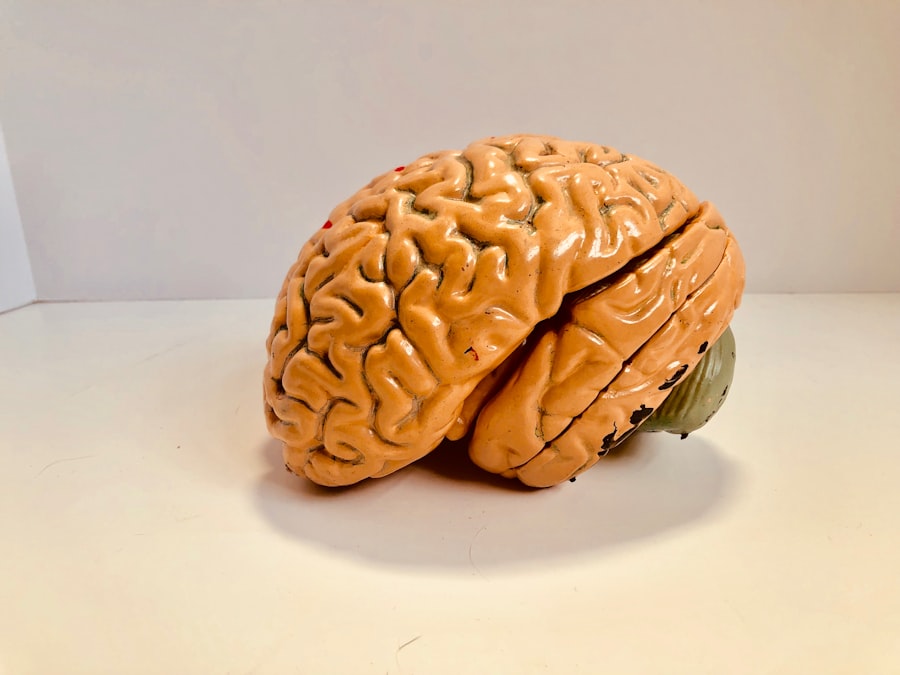
To unlock your brain’s potential, you can explore various techniques designed to enhance cognitive function. One effective method is engaging in regular physical exercise. Research has shown that aerobic activities increase blood flow to the brain, promoting the growth of new neurons and improving overall cognitive performance.
As you incorporate exercise into your routine, you may notice improvements in memory, attention, and problem-solving skills. Another technique involves practicing mindfulness and meditation. These practices have been shown to increase gray matter density in areas of the brain associated with memory and emotional regulation.
By dedicating time each day to mindfulness exercises, you can cultivate a greater sense of awareness and focus, ultimately enhancing your cognitive abilities. Additionally, challenging your brain with puzzles, games, or learning new languages can stimulate neural connections and promote cognitive growth.
The Role of Neuroplasticity in Learning and Memory
Neuroplasticity plays a crucial role in how you learn and retain information. When you acquire new knowledge or skills, your brain forms new synaptic connections that facilitate this learning process. This means that every time you study or practice something new, you are literally reshaping your brain’s structure.
Understanding this connection between neuroplasticity and learning can motivate you to embrace lifelong learning as a means of personal development. Moreover, neuroplasticity is essential for memory formation and retrieval. As you engage with information, your brain encodes it through a process that involves strengthening synaptic connections.
This encoding process is influenced by various factors, including emotional significance and repetition. By recognizing how neuroplasticity impacts memory, you can adopt strategies that enhance your ability to remember information more effectively, such as using mnemonic devices or spaced repetition techniques.
Brain Training and Mental Fitness
| Metric | Description | Current Value | Target Value | Progress (%) |
|---|---|---|---|---|
| Neuroplasticity Index | Measure of brain’s ability to reorganize and form new connections | 65 | 100 | 65% |
| Cognitive Speed | Speed of processing information and responding | 120 ms | 80 ms | 33% |
| Memory Retention | Percentage of information retained after 24 hours | 75% | 90% | 83% |
| Focus Duration | Average time of sustained attention without distraction | 25 minutes | 45 minutes | 56% |
| Problem Solving Efficiency | Accuracy and speed in solving complex problems | 70% | 95% | 74% |
In recent years, brain training programs have gained popularity as tools for enhancing mental fitness. These programs often include a variety of exercises designed to improve specific cognitive skills such as memory, attention, and problem-solving abilities. As you explore these options, you may find that they offer a fun and engaging way to challenge your mind while promoting neuroplasticity.
However, it’s essential to approach brain training with a critical eye. While some programs may yield positive results, others may not be as effective as advertised. You should seek out evidence-based programs that have been scientifically validated for their efficacy.
By doing so, you can ensure that your efforts in brain training contribute meaningfully to your cognitive development and overall mental fitness.
Harnessing the Power of Neurofeedback
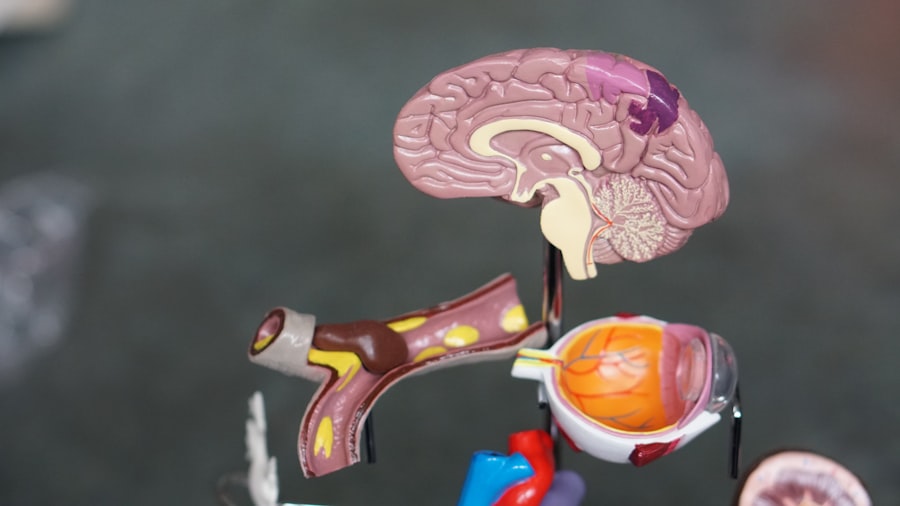
Neurofeedback is an innovative technique that allows you to train your brain by providing real-time feedback on its activity. Through specialized equipment, you can monitor your brainwaves and learn how to regulate them consciously. This process can lead to improvements in focus, relaxation, and emotional regulation.
As you engage with neurofeedback training, you may find it empowering to take an active role in shaping your mental state. The applications of neurofeedback are diverse, ranging from enhancing performance in athletes to aiding individuals with anxiety or attention disorders.
As you explore neurofeedback, consider how it might complement other techniques you’ve learned about enhancing cognitive function.
Neurostimulation and its Impact on Brain Function
Neurostimulation techniques have emerged as promising methods for enhancing brain function and treating various neurological conditions. These techniques involve applying electrical or magnetic stimulation to specific areas of the brain to modulate activity. For instance, transcranial magnetic stimulation (TMS) has shown potential in treating depression by stimulating areas associated with mood regulation.
As you learn about neurostimulation, it’s essential to recognize its potential benefits alongside its limitations. While these techniques can offer significant improvements for some individuals, they are not universally applicable or without risks. Understanding the nuances of neurostimulation can help you make informed decisions about whether this approach aligns with your goals for cognitive enhancement or mental health treatment.
The Intersection of Technology and Brain Enhancement
The rapid advancement of technology has opened new avenues for brain enhancement and cognitive development. From mobile applications designed for brain training to wearable devices that monitor brain activity, technology plays an increasingly vital role in how you approach mental fitness. These tools can provide valuable insights into your cognitive performance and help you track progress over time.
However, as you navigate this intersection of technology and brain enhancement, it’s crucial to remain discerning about the tools you choose to incorporate into your routine. Not all technologies are created equal; some may lack scientific backing or fail to deliver on their promises. By prioritizing evidence-based solutions and staying informed about emerging research, you can leverage technology effectively in your quest for cognitive improvement.
The Future of Brain Augmentation
Looking ahead, the future of brain augmentation holds exciting possibilities that could revolutionize how we understand and enhance cognitive function. Advances in neuroscience may lead to novel interventions that promote neuroplasticity more effectively or even enable direct manipulation of neural circuits for improved performance. As research continues to unfold, you may find yourself at the forefront of a new era in cognitive enhancement.
This future may also bring ethical considerations regarding access to these technologies and their implications for society as a whole. As enhancements become more accessible, questions about equity and fairness will arise. You will need to engage in discussions about how these advancements should be implemented responsibly while ensuring that they benefit all individuals rather than creating disparities.
Ethical Considerations in Brain Enhancement
As with any emerging field, ethical considerations surrounding brain enhancement are paramount. You may grapple with questions about the implications of altering cognitive function through various techniques or technologies. Issues such as consent, equity of access, and potential long-term effects on individuals’ identities must be carefully examined as society navigates this complex landscape.
Moreover, there is a risk that the pursuit of cognitive enhancement could lead to unrealistic expectations or pressures on individuals to perform at higher levels than ever before. As you consider these ethical dimensions, it’s essential to advocate for responsible practices that prioritize well-being over mere performance enhancement.
Practical Applications for Unlocking the Mind’s Potential
Ultimately, unlocking the mind’s potential requires a multifaceted approach that combines knowledge with practical application. You can begin by incorporating techniques such as regular exercise, mindfulness practices, and engaging in lifelong learning into your daily routine. By doing so, you’ll create an environment conducive to neuroplasticity and cognitive growth.
Additionally, exploring innovative technologies like neurofeedback or neurostimulation can further enhance your journey toward unlocking your brain’s potential. As you navigate this path, remember that each step contributes to a greater understanding of yourself and your capabilities. Embrace the journey of exploration and growth as you unlock the vast potential within your mind.
Recent advancements in brain lever technology have opened new avenues for enhancing cognitive performance and productivity. For a deeper understanding of how these innovations are shaping the future of mental efficiency, you can read more in this insightful article on productivity strategies at Productive Patty. This resource provides valuable tips and techniques that complement the progress made in brain lever research, helping individuals harness their full potential.
FAQs
What is brain lever progress?
Brain lever progress refers to advancements or improvements in cognitive functions, mental capabilities, or brain-related technologies that enhance learning, memory, problem-solving, and overall brain performance.
How is brain lever progress measured?
Brain lever progress can be measured through various cognitive tests, neuroimaging techniques, brainwave monitoring, and assessments of learning outcomes or mental performance improvements over time.
What factors contribute to brain lever progress?
Factors contributing to brain lever progress include education, mental exercises, physical health, nutrition, sleep quality, stress management, and sometimes technological interventions like brain-computer interfaces or neurostimulation.
Can brain lever progress be accelerated?
Yes, brain lever progress can be accelerated through consistent mental training, adopting healthy lifestyle habits, using cognitive enhancement tools, and engaging in activities that challenge the brain.
Is brain lever progress the same for everyone?
No, brain lever progress varies among individuals due to genetic differences, environmental influences, lifestyle choices, and access to educational or technological resources.
Are there any risks associated with trying to improve brain lever progress?
While most methods to improve brain function are safe, some interventions like unregulated supplements or invasive neurotechnologies may carry risks. It is important to consult healthcare professionals before starting new treatments.
What role does technology play in brain lever progress?
Technology plays a significant role by providing tools for brain training, neurofeedback, cognitive assessment, and even direct brain stimulation, all of which can contribute to enhanced brain function and progress.
Can brain lever progress help with neurological disorders?
Brain lever progress techniques, including cognitive rehabilitation and neuroplasticity-based therapies, can aid in managing symptoms and improving quality of life for individuals with certain neurological disorders.