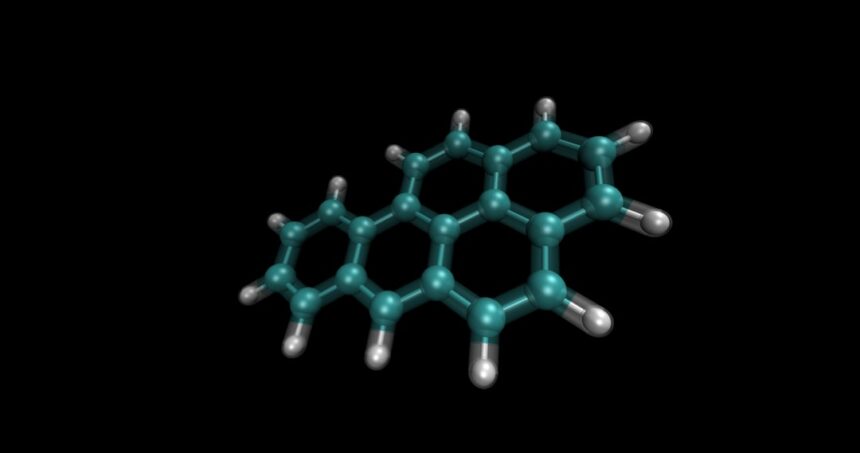
You’ve likely heard of dopamine, the neurotransmitter often dubbed the “feel-good” chemical. While this simplistic moniker captures a facet of its function, it significantly understates dopamine’s pervasive influence on your motivation, learning, and reward systems. Imagine dopamine as the director of your brain’s spotlight, illuminating what it deems important and encouraging you to pursue it. When you achieve a small goal, like checking an email, dopamine provides a subtle pat on the back, reinforcing that behavior. Conversely, when you anticipate a large reward, your brain floods with dopamine, creating a powerful drive to attain that reward. This intricate system, while evolutionarily beneficial for survival, can become a double-edged sword in the modern, hyper-stimulating world.
The Brain’s Reward Circuitry
Your brain’s reward circuitry, primarily involving the ventral tegmental area (VTA) and the nucleus accumbens, is heavily modulated by dopamine. When you engage in activities that are pleasurable or beneficial, like eating a delicious meal or receiving positive feedback, the VTA releases dopamine into the nucleus accumbens, creating a sensation of pleasure and reinforcement. This mechanism ensures that you seek out and repeat behaviors essential for survival and well-being. Think of it as your brain’s internal algorithm, constantly optimizing for experiences that generate a dopamine release.
Dopamine’s Role in Motivation and Learning
Beyond pleasure, dopamine plays a critical role in your motivation and learning processes. It acts as a signaling mechanism, informing your brain about the salience and importance of various stimuli. When dopamine levels are optimal, you exhibit a healthy drive to pursue goals, learn new skills, and adapt to changing environments. However, disruptions in this delicate balance can manifest as a lack of motivation, difficulty concentrating, or anhedonia – the inability to experience pleasure. Consider it the engine of your ambition, and a dopamine imbalance can feel like running on fumes.
Dopating and Overstimulation
In today’s digital age, you are constantly bombarded with readily accessible sources of dopamine. Social media notifications, endless streaming content, instant messaging, and readily available high-sugar, high-fat foods all offer immediate, albeit often fleeting, dopamine boosts. Your brain, designed to seek out and reinforce rewarding behaviors, can become accustomed to this constant stream of novel stimuli and quick gratification. This phenomenon, sometimes referred to as “dopating,” can lead to a state of chronic overstimulation, where your brain’s baseline dopamine levels may become desensitized.
For those interested in enhancing their productivity through innovative methods, a related article on dopamine detox can provide valuable insights into resetting your focus and motivation. By understanding the principles behind dopamine regulation, you can learn how to minimize distractions and maximize your efficiency. To explore this topic further, check out the article on productivity strategies at Productive Patty.
The Modern Dopamine Crisis
You find yourself in an era of unprecedented accessibility to instant gratification. The internet and its myriad applications have created a digital playground where dopamine hits are just a click or a swipe away. While these technologies offer undeniable benefits, their pervasive nature has inadvertently cultivated a landscape ripe for dopamine dysregulation. Your brain, an ancient marvel of adaptation, is struggling to keep pace with the novel demands of this hyper-stimulated environment.
The Allure of Instant Gratification
The constant availability of instant gratification sources – from the immediate likes on your social media post to the seamless delivery of entertainment – creates a powerful feedback loop. Your brain quickly learns to associate these actions with a rapid dopamine release, reinforcing the desire to engage in them repeatedly. This creates a psychological trap where you may find yourself prioritizing immediate, low-effort rewards over long-term, more challenging pursuits. It’s like having an endlessly refilling candy jar, making it difficult to choose the healthier, more substantial meal.
Desensitization and Diminished Returns
When your brain is consistently exposed to high levels of dopamine through constant stimulation, it can adapt by reducing the sensitivity of its dopamine receptors. This is akin to building a tolerance. What once provided a satisfying surge of pleasure now requires more of the same stimulus, or a more intense one, to achieve the same effect. You might find yourself needing to scroll for longer, watch more episodes, or engage in increasingly novel activities to feel the same level of engagement or enjoyment. This desensitization can lead to a diminished capacity to appreciate slower, sustained pleasures.
Impact on Focus and Concentration
The constant pursuit of novel stimuli and instant rewards can significantly impair your ability to focus and concentrate on tasks that require sustained effort. Your brain, accustomed to rapid shifts in attention and quick gratification, may resist engaging in activities that demand prolonged mental engagement without immediate dopamine feedback. This can manifest as difficulty with deep work, a tendency to procrastinate, or a general feeling of mental restlessness. Imagine your attention span as a muscle that, through constant engagement with fleeting stimuli, is becoming weaker at holding a steady pose.
What is a Dopamine Detox?
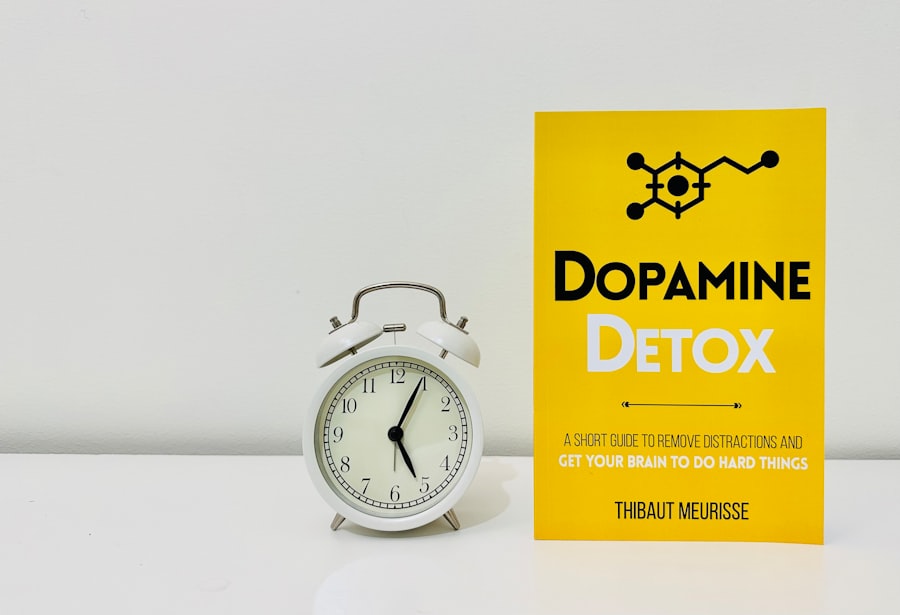
A dopamine detox, more accurately described as a “dopamine fast” or “dopamine reset,” is a strategic period during which you intentionally abstain from activities that provide readily available, high-impact dopamine releases. The core principle isn’t to eliminate dopamine entirely – that’s neither possible nor desirable – but rather to reset your brain’s baseline and reduce its reliance on constant external stimulation for gratification. Think of it as pressing the “reset” button on your brain’s reward system, allowing it to re-sensitize to more subtle and intrinsically rewarding experiences.
The Philosophy Behind the Fast
The philosophy behind a dopamine detox is rooted in the idea of counteracting the effects of chronic overstimulation. By temporarily removing the most potent sources of external dopamine, you give your brain an opportunity to recover and recalibrate. This allows you to regain appreciation for activities that offer more natural, sustained, and often more meaningful rewards, such as reading, engaging in thoughtful conversation, or pursuing creative endeavors. It’s about moving from a state of external dependence to one of internal resourcefulness.
Distinguishing from Complete Deprivation
It is crucial to understand that a dopamine detox is not about complete dopamine deprivation. That would be detrimental and frankly, impossible, as dopamine is fundamental to various physiological processes. Instead, it’s about voluntarily restricting access to super-normal stimuli – those experiences that are engineered to be hyper-stimulating and provide an unnaturally potent dopamine hit. Normal activities like eating balanced meals, exercising moderately, and engaging in genuine social interaction are not typically excluded, as they provide essential nutrients and positive, healthy forms of stimulation.
Potential Benefits and Goals
The primary goal of a dopamine detox is to restore balance to your brain’s reward system. By doing so, you can experience a range of potential benefits. These include enhanced focus and concentration, improved motivation for long-term goals, a greater appreciation for simple pleasures, reduced impulsivity, and an overall sense of increased presence and mindfulness. It’s about empowering yourself to choose your stimuli deliberately, rather than being passively driven by them.
Implementing Your Dopamine Detox
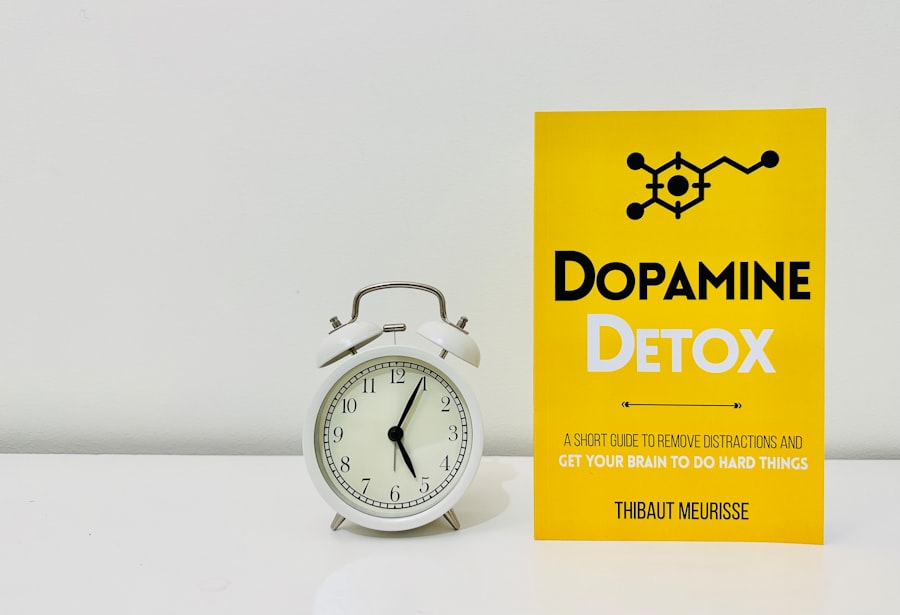
Embarking on a dopamine detox requires a conscious and intentional effort. It’s not about passively waiting for change but actively shaping your environment and habits to support the reset. You can approach this in various ways, from short, intense fasts to more gradual, integrated lifestyle changes. The key is to tailor the experience to your individual needs and to approach it with a clear understanding of your objectives.
Identifying Your Personal Triggers
The first step in implementing a dopamine detox is to identify your most potent personal “dopamine triggers.” These are the activities that you habitually turn to for a quick hit of gratification. For many, these include:
- Excessive social media use: Endless scrolling, checking notifications, seeking validation.
- Mindless entertainment: Binge-watching TV, playing video games excessively, passive consumption of content.
- Convenience foods: High-sugar, high-fat, processed foods that provide instant sensory pleasure.
- Pornography: Hyper-stimulating visual content linked to immediate gratification.
- Compulsive shopping: The thrill of acquiring new possessions.
- Gambling: The intermittent reward of potential winnings.
Make a list of your top 3-5 most problematic triggers. These will be your primary targets for reduction or temporary elimination.
Setting Realistic Goals and Duration
Once you’ve identified your triggers, establish realistic goals and a feasible duration for your detox. You don’t need to commit to a month-long ascetic retreat to see benefits. Even a 24-hour, 48-hour, or weekend-long detox can provide valuable insights and a tangible reset. Consider starting with a shorter duration and gradually extending it as you become more comfortable. It’s better to succeed at a short detox than to fail at an overly ambitious one. Your goals might be:
- To break a specific habit (e.g., checking social media first thing in the morning).
- To improve your focus on a particular project.
- To experience greater presence and mindfulness throughout your day.
- To appreciate simpler activities more deeply.
Strategies for Successful Abstinence
Successfully abstaining from your identified triggers requires proactive strategies. It’s not enough to simply decide not to engage; you need to create an environment that supports your decision.
- Environmental Modification: Remove temptations. Delete social media apps, block distracting websites, put your phone in another room, or turn it off entirely for designated periods. Hide tempting snacks.
- Substitute Activities: Replace high-dopamine activities with inherently less stimulating, yet satisfying, ones. Engage in:
- Reading a physical book: Provides slower, sustained engagement.
- Walking in nature: Offers gentle sensory input and reduces mental clutter.
- Meditation or mindfulness exercises: Trains your attention and promotes inner calm.
- Creative pursuits: Drawing, writing, playing an instrument, crafting.
- Meaningful conversations: Engage with loved ones without digital distractions.
- Journaling: Reflect on your thoughts and feelings.
- Scheduled “Unplug” Times: Designate specific hours or days as completely “tech-free” zones. Communicate these boundaries to friends and family.
- Mindful Consumption: If complete abstinence isn’t feasible, practice mindful consumption. For example, allow yourself one specific time slot for social media, rather than constantly checking it. Pay attention to how the activity makes you feel.
- Accountability: Share your detox goals with a trusted friend or family member. This can provide an extra layer of motivation and support.
- Prepare for Discomfort: Understand that you may experience discomfort, boredom, or even withdrawal-like symptoms initially. This is normal and a sign that your brain is recalibrating. View these feelings as temporary signals of positive change.
- Hydration and Sleep: Ensure you are well-hydrated and getting adequate sleep. These fundamental needs significantly impact your mood and ability to cope with mental challenges.
Many individuals seeking to enhance their productivity have turned to techniques like dopamine detox, which aims to reset the brain’s reward system. This approach can be particularly effective in breaking free from distractions and fostering a more focused mindset. For those interested in exploring this concept further, an insightful article on productivity resets can be found at Productive Patty, where you can discover additional strategies to optimize your daily routines and improve overall efficiency.
Integrating Long-Term Habits
| Metric | Description | Typical Range | Impact on Productivity |
|---|---|---|---|
| Duration of Dopamine Detox | Length of time abstaining from high-stimulation activities | 6 hours to 48 hours | Longer durations may lead to greater mental clarity and focus |
| Reduction in Screen Time | Decrease in hours spent on phones, computers, and TV | 50% to 90% reduction | Helps reduce distractions and improve attention span |
| Increase in Deep Work Sessions | Number of uninterrupted focused work periods per day | 1 to 3 sessions, 25-90 minutes each | Boosts productivity and quality of output |
| Self-Reported Focus Level | Subjective rating of concentration on a scale of 1-10 | Before detox: 4-6; After detox: 7-9 | Higher focus correlates with better task completion |
| Mood Stability | Frequency of mood swings or irritability episodes | Reduced by 30-50% post-detox | Improved mood supports sustained productivity |
| Sleep Quality | Hours of restful sleep per night | Increase from 6-7 hours to 7-8 hours | Better sleep enhances cognitive function and energy |
A dopamine detox shouldn’t be viewed as a one-time event, but rather as a catalyst for sustainable, long-term habit changes. The insights gained during your period of abstinence can inform how you choose to reintroduce certain stimuli into your life, if at all, and how you cultivate a more balanced relationship with gratification. Your goal is not to eliminate joyful activities, but to regulate them and elevate those that foster deep, lasting contentment.
Mindful Reintroduction of Stimuli
After your detox period, you have the opportunity to mindfully reintroduce activities, rather than defaulting to old patterns. Ask yourself:
- Is this activity serving my long-term goals or my short-term desire for a quick fix?
- What is the true value I derive from this? Is it genuine connection, learning, or simply a habitual escape?
- Can I set boundaries around this activity? For example, “I will only check social media for 15 minutes at lunchtime.”
- How does this activity make me feel, both during and after? Does it leave you feeling refreshed and inspired, or depleted and restless?
This process encourages you to become an active curator of your experiences, rather than a passive consumer.
Cultivating Low-Dopamine Rewards
One of the most powerful outcomes of a dopamine detox is a renewed appreciation for “low-dopamine rewards.” These are activities that provide satisfaction through sustained effort, novelty, skill acquisition, or intrinsic joy, rather than an immediate, intense rush. Embrace and prioritize:
- Deep work and focused tasks: The satisfaction of completing a challenging project.
- Learning new skills: The gradual progress and mastery over time.
- Creative expression: The joy of bringing something new into existence.
- Meaningful social connections: Engaging in genuine conversation and empathy.
- Physical activity and time in nature: The restorative power of movement and the outdoors.
- Reading and thoughtful contemplation: Expanding your knowledge and understanding.
- Mindfulness and meditation: Training your attention and finding inner peace.
These activities often require more initial effort but yield far more profound and enduring satisfaction. They build a robust internal reward system.
The Role of Mindfulness and Self-Awareness
Mindfulness and self-awareness are critical to sustaining the benefits of a dopamine detox. Continuously observe your triggers, your cravings, and your emotional responses. When you feel the urge to seek instant gratification, pause and examine that feeling. Ask yourself, “What am I truly seeking here? Is there a deeper need I’m trying to avoid or fulfill?” This metacognitive awareness allows you to make conscious choices rather than react instinctively. You become the observer of your own impulses, rather than their prisoner. Journaling can be an invaluable tool in this ongoing process, helping you to track patterns and insights. Regular introspection will serve as your compass, guiding you toward a more balanced and intentional relationship with technology and stimulating inputs.
Dopamine detox for productivity reset
FAQs
What is a dopamine detox?
A dopamine detox is a practice where individuals temporarily abstain from activities that provide instant gratification or high dopamine stimulation, such as social media, video games, or junk food. The goal is to reset the brain’s reward system and improve focus and productivity.
How does a dopamine detox help with productivity?
By reducing overstimulation from constant dopamine hits, a dopamine detox can help decrease distractions and increase attention span. This reset allows individuals to better engage in meaningful tasks and improve overall productivity.
How long should a dopamine detox last?
The duration of a dopamine detox can vary depending on individual goals, ranging from a few hours to several days. Some people opt for short daily detox periods, while others may choose longer breaks to achieve a more significant reset.
Is dopamine detox scientifically proven to be effective?
While the concept of dopamine detox is popular, scientific research specifically on dopamine detoxes is limited. However, studies support that reducing distractions and practicing mindfulness can improve focus and productivity, which aligns with the goals of a dopamine detox.
Can anyone do a dopamine detox safely?
Most people can safely try a dopamine detox by temporarily limiting high-stimulation activities. However, individuals with mental health conditions or those who rely on certain activities for coping should consult a healthcare professional before starting a dopamine detox.