
The creative process is a complex journey that varies from person to person. It often begins with a spark of inspiration, a fleeting thought that ignites your imagination. As you delve deeper into this process, you may find yourself navigating through various stages, including preparation, incubation, illumination, and verification.
Each stage plays a crucial role in transforming an initial idea into a tangible creation. Understanding these stages can help you harness your creativity more effectively, allowing you to explore your thoughts and feelings in a structured manner. As you engage with the creative process, it’s essential to recognize that it is not always linear.
You might find yourself revisiting earlier stages or experiencing moments of doubt and uncertainty. Embracing this non-linear nature can be liberating, as it allows you to explore different avenues and perspectives. By acknowledging the ebb and flow of creativity, you can cultivate a more profound understanding of your artistic self, ultimately leading to richer and more fulfilling creative experiences.
Key Takeaways
- The creative process involves a combination of inspiration, experimentation, and problem-solving.
- Finding inspiration and motivation can come from various sources such as nature, art, music, and personal experiences.
- A creative workspace should be organized, comfortable, and free from distractions to enhance productivity.
- Time management techniques such as setting deadlines, prioritizing tasks, and taking regular breaks can help artists stay focused and efficient.
- Overcoming creative blocks can be achieved through activities like taking a break, seeking new experiences, and exploring different mediums and techniques.
Finding Inspiration and Motivation
Inspiration can come from the most unexpected places, and it’s essential to remain open to the world around you. Whether it’s a walk in nature, a conversation with a friend, or even a piece of art that resonates with you, these moments can serve as powerful catalysts for your creativity. To actively seek inspiration, consider keeping a journal where you jot down thoughts, observations, or ideas that strike you throughout the day.
This practice not only helps you capture fleeting moments of inspiration but also encourages you to reflect on your experiences and emotions. Motivation is another critical component of the creative journey. It can sometimes wane, leaving you feeling uninspired or stuck.
To combat this, establish a routine that incorporates dedicated time for your creative pursuits. Setting specific goals can also help maintain your motivation; whether it’s completing a project or exploring a new technique, having clear objectives can provide direction and purpose. Remember that motivation often comes from action; the more you engage with your creative work, the more inspired and driven you will feel.
Setting Up a Creative Workspace

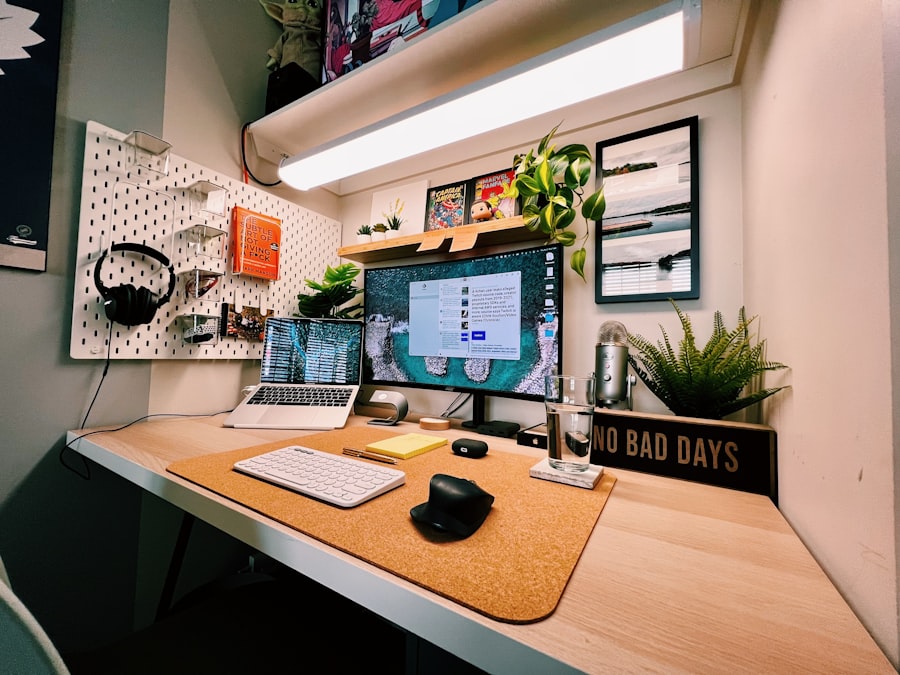
Creating an environment conducive to creativity is vital for nurturing your artistic endeavors. Your workspace should reflect your personality and inspire you to create.
Personalizing your space with items that resonate with you, such as artwork, plants, or meaningful objects, can help create an atmosphere that fosters creativity. Additionally, organization plays a significant role in your creative workspace. A clutter-free environment can enhance focus and reduce distractions, allowing you to immerse yourself fully in your work.
Take the time to arrange your materials and tools in a way that makes them easily accessible. This not only streamlines your creative process but also encourages spontaneity; when everything is within reach, you’re more likely to experiment and explore new ideas without hesitation.
Time Management Techniques for Artists
| Technique | Description | Benefits |
|---|---|---|
| Setting Priorities | Identifying and ranking tasks based on importance | Helps focus on important tasks and reduces time wasted on less important ones |
| Time Blocking | Allocating specific time slots for different tasks | Improves focus and productivity by minimizing multitasking |
| Creating To-Do Lists | Listing tasks to be completed in a prioritized order | Provides a clear overview of tasks and helps in staying organized |
| Eliminating Distractions | Identifying and removing factors that hinder productivity | Increases efficiency and allows for better concentration |
| Setting Realistic Goals | Establishing achievable targets within a specific timeframe | Prevents overwhelm and helps in managing time effectively |
Effective time management is crucial for artists who want to balance their creative pursuits with other responsibilities. One technique that can be particularly helpful is the Pomodoro Technique, which involves working in focused bursts followed by short breaks. This method can enhance your concentration and prevent burnout by allowing you to recharge regularly.
By breaking your work into manageable intervals, you can maintain a steady flow of creativity while also ensuring that you don’t overwhelm yourself. Another valuable approach is prioritizing tasks based on their importance and deadlines. Create a list of projects or goals and rank them according to urgency and significance.
This will help you allocate your time more effectively and ensure that you’re making progress on what truly matters to you. Remember that flexibility is key; while it’s essential to have a plan, being open to adjusting your schedule based on inspiration or unexpected opportunities can lead to exciting new directions in your work.
Overcoming Creative Blocks
Creative blocks are an inevitable part of the artistic journey, but they don’t have to derail your progress. When faced with a block, it’s essential to recognize it without judgment. Instead of forcing yourself to create when inspiration feels absent, consider stepping back and engaging in activities that rejuvenate your mind and spirit.
This could involve taking a break, exploring new hobbies, or simply allowing yourself time to relax and recharge. Another effective strategy for overcoming creative blocks is to change your perspective on the work itself. Instead of viewing it as a daunting task, try approaching it as an experiment or play session.
Allow yourself the freedom to create without the pressure of perfection; this shift in mindset can often lead to unexpected breakthroughs and renewed enthusiasm for your craft.
Experimenting with Different Mediums and Techniques
One of the most exciting aspects of being an artist is the opportunity to experiment with various mediums and techniques. Trying out new materials or styles can breathe fresh life into your work and help you discover new facets of your creativity. Whether it’s painting with watercolors instead of acrylics or exploring digital art instead of traditional methods, each new medium offers unique challenges and rewards.
Don’t be afraid to step outside your comfort zone; experimentation is often where the most significant growth occurs. Allow yourself the freedom to make mistakes and learn from them as you explore different techniques. This process not only enhances your skill set but also encourages innovation in your work, leading to unexpected results that may surprise and delight you.
Seeking Feedback and Collaboration
Feedback is an invaluable tool for artists looking to grow and refine their craft. Sharing your work with others can provide fresh perspectives and insights that you may not have considered on your own. Whether it’s through informal discussions with friends or more structured critiques within an artistic community, seeking feedback can help you identify areas for improvement while also celebrating your successes.
Collaboration is another powerful way to enhance your creative journey. Working alongside other artists can introduce you to new ideas and techniques while fostering a sense of camaraderie and support. Collaborative projects often lead to unexpected outcomes that can enrich both your work and the experience itself.
Embrace the opportunity to learn from others while sharing your unique voice; this exchange can lead to profound growth in your artistic practice.
Incorporating Mindfulness and Self-care Practices
Mindfulness and self-care are essential components of sustaining creativity over time. Engaging in mindfulness practices can help you cultivate awareness of your thoughts and feelings, allowing you to approach your creative work with greater clarity and focus. Techniques such as meditation, deep breathing exercises, or even mindful walking can help ground you in the present moment, reducing anxiety and enhancing your overall well-being.
Self-care is equally important for maintaining creativity. Make it a priority to nurture yourself physically, emotionally, and mentally. This could involve setting aside time for relaxation, pursuing hobbies outside of art, or ensuring that you get enough rest and nourishment.
When you take care of yourself holistically, you create a solid foundation for your creative endeavors, enabling you to approach your work with renewed energy and enthusiasm.
Embracing Failure and Learning from Mistakes
Failure is often viewed negatively in the creative world, but it can be one of the most valuable teachers on your artistic journey. Embracing failure means recognizing that mistakes are an inherent part of the creative process; they provide opportunities for growth and learning. Instead of shying away from failure, consider reframing it as a stepping stone toward improvement.
When faced with setbacks or disappointments in your work, take the time to reflect on what went wrong and what lessons can be gleaned from the experience. This reflective practice not only helps you develop resilience but also encourages a growth mindset—one that views challenges as opportunities rather than obstacles. By embracing failure as part of your journey, you’ll cultivate a more profound sense of confidence in your abilities as an artist.
Balancing Structure and Flexibility in the Creative Process
Finding the right balance between structure and flexibility is crucial for fostering creativity while maintaining productivity. Establishing routines can provide a sense of stability in your creative practice; however, it’s equally important to remain open to spontaneity and exploration. Consider setting aside specific times for focused work while also allowing room for unstructured play or experimentation.
Flexibility allows you to adapt to changing circumstances or inspirations that may arise unexpectedly. By creating a framework for your creative process while remaining open to new ideas or directions, you’ll cultivate an environment where creativity can flourish without feeling constrained by rigid expectations.
Sustaining Creativity in the Long Run
Sustaining creativity over time requires intentional effort and commitment. One effective way to maintain momentum is by continuously setting new goals for yourself—whether they involve mastering a new technique, completing a series of works, or exploring different themes in your art. These goals provide direction while also keeping your creative spirit alive.
Additionally, nurturing connections within the artistic community can play a significant role in sustaining creativity. Engaging with fellow artists through workshops, exhibitions, or online platforms fosters collaboration and inspiration while reminding you that you are part of a larger creative landscape. By surrounding yourself with like-minded individuals who share your passion for art, you’ll find encouragement and motivation that fuels your artistic journey for years to come.
In conclusion, embracing the multifaceted nature of creativity involves understanding its processes, seeking inspiration, creating supportive environments, managing time effectively, overcoming obstacles, experimenting boldly, collaborating openly, practicing mindfulness, learning from failures, balancing structure with flexibility, and nurturing long-term sustainability in your artistic pursuits. By integrating these principles into your creative life, you’ll cultivate a rich tapestry of experiences that not only enhance your artistry but also deepen your connection to yourself as an artist.
For creatives seeking to enhance their productivity, exploring effective strategies and tools can be transformative. One insightful resource is an article on Productive Patty’s website, which delves into various techniques tailored for creative professionals. This article provides valuable tips on managing time, optimizing workflows, and maintaining a balance between creativity and efficiency. To read more about these productivity strategies, visit the article on Productive Patty.
WATCH THIS! Ambitious But Stuck? Your Brain Is Faking You Out
FAQs
What is productivity for creatives?
Productivity for creatives refers to the ability of individuals in creative fields, such as artists, writers, designers, and musicians, to efficiently and effectively produce their creative work while managing their time and resources.
Why is productivity important for creatives?
Productivity is important for creatives because it allows them to maximize their output, meet deadlines, and maintain a sustainable creative practice. It also helps them balance their creative work with other aspects of their lives.
What are some productivity tools for creatives?
Productivity tools for creatives include project management software, time tracking apps, creative software (such as Adobe Creative Suite), task management tools, and digital calendars. These tools can help creatives stay organized and focused on their work.
How can creatives improve their productivity?
Creatives can improve their productivity by setting clear goals, creating a structured work schedule, minimizing distractions, prioritizing tasks, taking regular breaks, and seeking feedback from peers. They can also benefit from learning time management techniques and developing a routine that works for them.
What are some common productivity challenges for creatives?
Common productivity challenges for creatives include creative block, perfectionism, self-doubt, lack of motivation, and difficulty managing multiple projects at once. Additionally, creatives may struggle with balancing their creative work with administrative tasks and self-promotion.