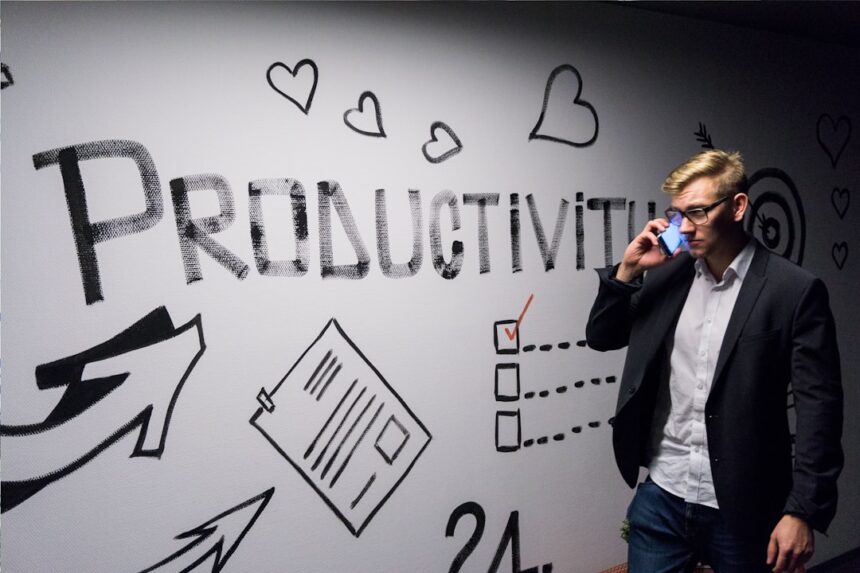
Activation energy is a concept that plays a crucial role in both chemistry and personal productivity. In the realm of chemistry, it refers to the minimum amount of energy required to initiate a reaction. Similarly, in your daily life, activation energy can be understood as the initial effort or motivation needed to start a task or project.
This energy is often the barrier that stands between you and your goals, making it essential to comprehend how it affects your ability to take action. When faced with a daunting task, the thought of getting started can feel overwhelming, and this is where understanding activation energy becomes vital. Recognizing the factors that contribute to your activation energy can empower you to overcome inertia.
For instance, consider the emotional and psychological barriers that may be at play. Fear of failure, perfectionism, or even simple fatigue can all contribute to a high activation energy threshold. By identifying these barriers, you can begin to strategize ways to lower that threshold, making it easier for you to take the first step toward your objectives.
Key Takeaways
- Activation energy is the energy required to start a chemical reaction and can be applied to overcoming procrastination and achieving goals in various aspects of life.
- Setting clear goals and intentions is crucial in providing direction and motivation to overcome procrastination and increase productivity.
- Creating a productive environment involves minimizing distractions and organizing the space to promote focus and efficiency.
- Utilizing time management techniques such as prioritizing tasks and setting deadlines can help in overcoming procrastination and achieving goals.
- Adopting a growth mindset and seeking accountability and support can help in staying motivated and consistent in working towards goals.
Overcoming Procrastination with Activation Energy
Procrastination is a common struggle that many people face, often stemming from a high activation energy requirement for certain tasks. When you find yourself putting off important work, it’s essential to analyze why that task feels so daunting. Perhaps it’s because the task seems too large or complex, or maybe you’re unsure of where to begin.
By breaking down the task into smaller, more manageable steps, you can effectively lower the activation energy needed to get started. This approach allows you to focus on one small action at a time, making the overall process feel less intimidating. Another effective strategy for overcoming procrastination is to create a sense of urgency.
Setting deadlines for yourself can help increase your activation energy by providing a clear timeframe within which you need to act. You might also consider using techniques like the Pomodoro Technique, where you work in short bursts followed by brief breaks. This method not only makes tasks feel more achievable but also helps you build momentum as you complete each segment of work.
By understanding and manipulating your activation energy, you can transform procrastination into productivity.
Setting Clear Goals and Intentions

Setting clear goals and intentions is fundamental in lowering your activation energy and enhancing your productivity. When your objectives are well-defined, it becomes easier for you to visualize the steps needed to achieve them. Start by identifying what you truly want to accomplish, whether it’s related to your career, personal development, or health.
Write down these goals in specific terms, ensuring they are measurable and time-bound. This clarity will serve as a roadmap, guiding you through the process and reducing the mental clutter that often accompanies vague aspirations. Moreover, intentions play a significant role in motivating you to take action.
By establishing a strong “why” behind your goals, you create a compelling reason to push through any initial resistance. Reflect on what achieving these goals will mean for you personally and how they align with your values. This deeper connection can significantly lower your activation energy, making it easier for you to take those first steps toward your desired outcomes.
Creating a Productive Environment
| Metrics | Results |
|---|---|
| Employee Satisfaction | 85% |
| Employee Turnover Rate | 10% |
| Productivity Growth | 15% |
| Workplace Accidents | 0 |
Your environment has a profound impact on your ability to focus and take action. A cluttered or distracting space can raise your activation energy, making it harder for you to get started on tasks. To create a productive environment, begin by decluttering your workspace.
This simple act can help clear your mind and reduce distractions, allowing you to concentrate better on what needs to be done. In addition to decluttering, consider optimizing your environment for comfort and inspiration.
This might involve adjusting lighting, incorporating plants, or even playing background music that enhances your focus. Surrounding yourself with motivational quotes or images can also serve as visual reminders of your goals and aspirations. By intentionally designing a space that fosters productivity, you can significantly lower the activation energy required to engage in your work.
Utilizing Time Management Techniques
Effective time management techniques are essential tools for lowering activation energy and enhancing productivity. One popular method is time blocking, where you allocate specific blocks of time for different tasks throughout your day. By scheduling dedicated time for each activity, you create a structured approach that minimizes decision fatigue and helps you stay focused on one task at a time.
This technique not only makes it easier for you to get started but also ensures that you are making consistent progress toward your goals. Another valuable time management strategy is prioritization. Use techniques like the Eisenhower Matrix to categorize tasks based on their urgency and importance.
By identifying which tasks require immediate attention and which can be scheduled for later, you can streamline your efforts and reduce overwhelm. When you know exactly what needs to be done and when, it becomes much easier to muster the activation energy needed to tackle each task head-on.
Adopting a Growth Mindset

Adopting a growth mindset is crucial for overcoming challenges related to activation energy and procrastination. A growth mindset is the belief that abilities and intelligence can be developed through dedication and hard work. When you embrace this perspective, setbacks become opportunities for learning rather than reasons for discouragement.
This shift in thinking can significantly lower the activation energy required to take risks and try new things. To cultivate a growth mindset, start by reframing negative thoughts about your abilities or potential outcomes. Instead of thinking, “I can’t do this,” try telling yourself, “I can learn how to do this.” Surround yourself with positive influences—people who encourage growth and resilience—and seek out resources that inspire continuous learning.
By fostering an environment that values growth over perfection, you’ll find it easier to take action and push through any initial resistance.
Establishing a Routine and Consistency
Establishing a routine is one of the most effective ways to lower activation energy and enhance productivity. When you create consistent habits around your daily activities, tasks become more automatic and require less mental effort to initiate. Start by identifying key activities that align with your goals and incorporate them into your daily schedule.
Whether it’s setting aside time for exercise, reading, or working on projects, having a routine helps eliminate decision fatigue and makes it easier for you to get started. Consistency is key in reinforcing these habits over time. As you stick to your routine, you’ll find that the activation energy required for certain tasks diminishes as they become ingrained in your daily life.
Celebrate small victories along the way; each time you follow through on your routine, you build momentum that propels you forward. Over time, this consistency will lead to significant progress toward your goals.
Incorporating Physical Activity and Exercise
Incorporating physical activity into your daily routine can have profound effects on both your mental clarity and activation energy levels. Exercise releases endorphins—natural mood lifters—that can help reduce feelings of stress or anxiety associated with starting new tasks. Even short bursts of physical activity can invigorate your mind and body, making it easier for you to tackle challenges head-on.
Consider integrating movement into your day in ways that feel enjoyable rather than burdensome. Whether it’s taking a brisk walk during lunch breaks or engaging in a favorite sport after work, find activities that energize you. The more active you are, the more likely you are to experience increased motivation and reduced activation energy when approaching tasks that once felt overwhelming.
Using Visualization and Positive Affirmations
Visualization is a powerful technique that can help lower activation energy by allowing you to mentally rehearse success before taking action. Spend time imagining yourself completing tasks successfully—feel the emotions associated with achievement and visualize the steps needed to get there. This mental practice not only prepares you for real-life execution but also boosts your confidence in your ability to succeed.
In conjunction with visualization, positive affirmations can reinforce a mindset conducive to action-taking. Create affirmations that resonate with your goals and repeat them regularly—whether aloud or in writing—to instill a sense of belief in yourself and your capabilities. Phrases like “I am capable of achieving my goals” or “I take action with confidence” can serve as powerful reminders that lower the activation energy required for tackling challenges.
Seeking Accountability and Support
Seeking accountability from others can significantly impact your ability to overcome high activation energy barriers. When someone else is aware of your goals and progress, it creates an external motivation that encourages you to take action even when enthusiasm wanes. Consider sharing your objectives with friends, family members, or colleagues who can provide support and encouragement along the way.
Joining groups or communities focused on similar goals can also foster accountability while providing valuable resources and insights from others who share similar experiences. Engaging with like-minded individuals creates an environment where everyone supports one another in overcoming challenges related to activation energy and procrastination.
Celebrating Small Wins and Progress
Finally, celebrating small wins is essential for maintaining motivation and reducing activation energy over time. Acknowledging even minor achievements reinforces positive behavior and encourages continued effort toward larger goals. Take time each week or month to reflect on what you’ve accomplished—no matter how small—and reward yourself accordingly.
These celebrations don’t have to be grand gestures; they can be as simple as treating yourself to something enjoyable or taking time off for self-care activities that recharge you mentally and physically. By recognizing progress along the way, you’ll cultivate an ongoing sense of accomplishment that fuels further action while lowering the activation energy required for future tasks. In conclusion, understanding activation energy is key in overcoming procrastination and enhancing productivity in various aspects of life.
By implementing strategies such as setting clear goals, creating a productive environment, utilizing time management techniques, adopting a growth mindset, establishing routines, incorporating physical activity, using visualization techniques, seeking accountability from others, and celebrating small wins along the way—you’ll find yourself equipped with powerful tools that make taking action feel more achievable than ever before.
In the realm of productivity, understanding the concept of activation energy can be a game-changer. Activation energy refers to the initial push or effort required to start a task, which can often be a barrier to productivity. An insightful article on this topic can be found on Productive Patty’s website, where they delve into strategies to overcome this hurdle and boost productivity. For more detailed insights, you can read the full article by visiting Productive Patty.
WATCH THIS! Ambitious But Stuck? Your Brain Is Faking You Out
FAQs
What is activation energy?
Activation energy is the minimum amount of energy required for a chemical reaction to occur. It is the energy needed to break the chemical bonds of the reactants and initiate the reaction.
How does activation energy affect productivity?
In the context of productivity, activation energy refers to the initial effort or energy required to start a task or project. Lowering the activation energy can lead to increased productivity as it becomes easier to initiate and complete tasks.
What are some ways to lower activation energy for productivity?
Some ways to lower activation energy for productivity include breaking tasks into smaller, more manageable steps, creating a conducive work environment, setting clear goals and deadlines, and eliminating distractions.
How can businesses benefit from understanding activation energy productivity?
Businesses can benefit from understanding activation energy productivity by implementing strategies to reduce the barriers to starting and completing tasks, thereby increasing overall productivity and efficiency.
What role does motivation play in activation energy productivity?
Motivation plays a significant role in activation energy productivity as it can provide the necessary energy and drive to overcome the initial inertia and start working on tasks. Motivated individuals are more likely to have lower activation energy for productivity.