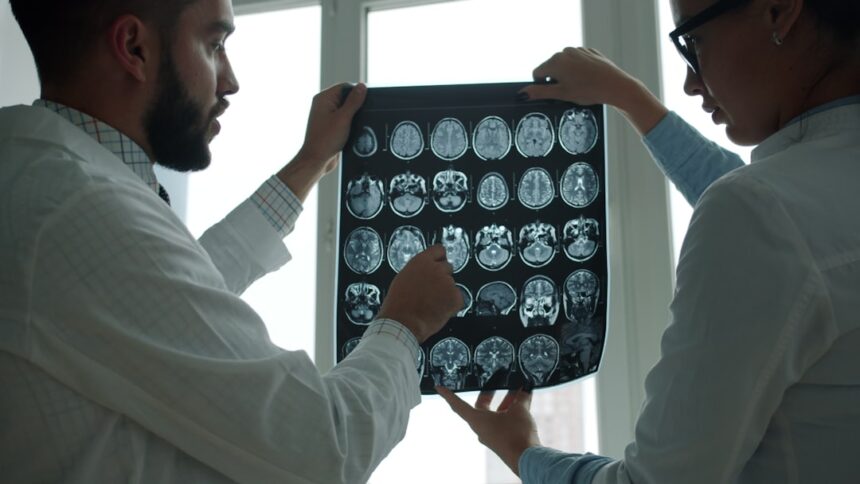
You are in control of a remarkable instrument: your brain. It’s the command center of your existence, the architect of your thoughts, and the curator of your memories. Yet, like any sophisticated piece of machinery, it requires diligent maintenance and, at times, a willingness to conduct empirical investigations into its operational parameters. This article will guide you through a series of micro-experiments you can implement in your daily life, treating yourself as the subject of your own neurological research, to promote brain health and optimize your cognitive function.
Before you can effectively improve your brain’s performance, you must first establish a baseline. Think of it as calibrating your speedometer before a long drive. Without knowing your current speed, you can’t accurately gauge increments or decrements. This foundational step involves a period of mindful observation, free from imposed interventions, to understand your typical cognitive and emotional states.
Temporal Tracking of Cognitive Functions
Dedicate a week to meticulously log your daily cognitive performance. This isn’t about memorizing every detail, but rather about noting patterns and fluctuations.
Focus and Concentration Levels
At various points throughout the day – upon waking, after meals, mid-afternoon, and before bed – rate your ability to concentrate on a scale of 1 to 5, where 1 is easily distracted and 5 is laser-focused. Jot down any significant events or activities that preceded these ratings. For example, did a lack of sleep derail your morning focus? Did a brisk walk invigorate your afternoon concentration?
Memory Recall and Retention
Choose a few simple, repeatable tasks. This could be recalling a grocery list, remembering the details of a conversation, or recalling a specific fact you learned that day. Rate your success in recalling this information accurately the first time, and then again 24 hours later. A simple ‘yes’ or ‘no’ with a brief note about the difficulty can suffice.
Problem-Solving Speed and Efficiency
Select a particular type of puzzle or problem you encounter regularly – whether it’s a Sudoku, a work-related challenge, or even navigating a complex social situation. Time yourself solving similar problems over several days. Note any factors that might have influenced your speed, such as stress levels or mental fatigue.
Emotional State Monitoring
Your emotional well-being is inextricably linked to your cognitive health. A stressed or anxious brain operates under different rules than a calm and centered one. This phase focuses on recognizing the emotional landscape you typically inhabit.
Mood Variability and Triggers
Keep a daily mood journal, rating your general emotional state (e.g., happy, neutral, irritable, anxious) on a scale of 1 to 5. Crucially, note any events or circumstances that appear to correlate with significant shifts in your mood. Identifying these triggers is the first step in managing their impact.
Energy Levels and Sustained Engagement
Track your subjective energy levels throughout the day. Are there predictable dips and peaks? How long can you sustain engaging in mentally demanding tasks before feeling drained? This is a subtle but vital metric, as flagging energy often precedes cognitive decline.
Micro experiments have emerged as a fascinating approach to enhancing brain safety, allowing researchers to test various interventions in controlled environments. For those interested in exploring this topic further, a related article can be found at this link, which delves into the methodologies and findings of recent studies in the field. These micro experiments not only provide valuable insights into cognitive function but also pave the way for innovative strategies to protect and improve brain health.
Micro-Experiments for Cognitive Enhancement
Once you have a clearer picture of your brain’s current operating system, you can begin to introduce targeted interventions. These micro-experiments are designed to be small, manageable changes that you can test to see how they affect your cognitive functions. Think of these as subtle adjustments to your brain’s thermostat.
Nutritional Interventions
The fuel your brain receives directly impacts its performance. What you eat is what it thinks with, a fundamental truth that can be explored through dietary adjustments.
The Impact of Hydration
Even mild dehydration can impair cognitive function, leading to reduced concentration, short-term memory problems, and increased fatigue.
- Experiment: For three consecutive days, consciously aim to drink at least 8 glasses (approximately 2 liters) of water spread throughout the day. Record your focus, memory recall, and energy levels each day, comparing them to your baseline week. Note if you experience fewer mid-afternoon slumps or improved clarity.
The Role of Omega-3 Fatty Acids
Omega-3 fatty acids, abundant in fatty fish, flaxseeds, and walnuts, are crucial for brain cell structure and function. They are the building blocks of your neural pathways.
- Experiment: For a period of two weeks, incorporate a daily source of Omega-3s into your diet. This could be a small serving of salmon, a tablespoon of flaxseeds added to yogurt, or a handful of walnuts. Track changes in your mood, memory recall, and ability to sustain focus. Are you finding it easier to navigate complex information or maintain a positive outlook?
Sugar Intake and Cognitive Peaks and Troughs
High sugar consumption can lead to rapid spikes and subsequent crashes in blood sugar, directly affecting brain energy levels and cognitive performance.
- Experiment: For a week, significantly reduce your intake of processed sugars. Limit yourself to naturally occurring sugars in fruits and vegetables. Observe how this change impacts your energy levels, mood stability, and the steadiness of your concentration throughout the day. Do you experience fewer periods of intense fatigue or irritability?
Sleep Optimization
Sleep is not a luxury; it’s a fundamental biological necessity for brain repair, consolidation of memories, and emotional regulation. It’s the nightly factory reset for your mind.
Consistency in Sleep Schedule
Disrupting your sleep-wake cycle is like throwing a wrench into the delicate clockwork of your circadian rhythm.
- Experiment: For one week, strive to go to bed and wake up within a 30-minute window, even on weekends. Record your subjective sleep quality (e.g., ease of falling asleep, number of awakenings, feeling of refreshment upon waking) and your cognitive performance the following day. Note any improvements in alertness, mood, and problem-solving abilities.
The Impact of a Pre-Sleep Routine
A winding-down period before bed signals to your brain that it’s time to transition from activity to rest.
- Experiment: For three nights, implement a consistent pre-sleep routine. This could involve reading a book (not on a screen), taking a warm bath, or practicing gentle stretching or meditation for 30-60 minutes before your desired bedtime. Observe any changes in the time it takes you to fall asleep and the quality of your sleep.
Physical Activity and Brain Function
Movement is medicine for the brain. Exercise increases blood flow, promotes the growth of new neurons, and enhances the production of neurotransmitters essential for mood and cognition.
The Effects of Aerobic Exercise
Aerobic activity, which gets your heart rate up, is particularly beneficial for brain health.
- Experiment: For two weeks, incorporate at least 30 minutes of moderate-intensity aerobic exercise (e.g., brisk walking, jogging, cycling) into your routine three to four times a week. Track your mood, energy levels, and cognitive functions like attention and memory recall before and after your exercise sessions, and then over the course of the two weeks. Do you feel more mentally sharp, less prone to mental fog, and experience improved emotional regulation?
The Link Between Intensity and Cognitive Boost
While any movement is good, the intensity of exercise can also play a role.
- Experiment: On one day, engage in a moderately intense workout. On another day, try a slightly more vigorous workout. Compare your cognitive performance, particularly your focus and problem-solving abilities, in the hours following each type of exercise. Is there a noticeable difference in mental clarity, and if so, at what intensity does it seem most pronounced for you?
Mindfulness and Stress Reduction Techniques
Chronic stress is a corrosive agent for the brain, degrading neural connections and impairing a wide range of cognitive functions. Mindfulness anchors you to the present, building resilience.
Daily Meditation Practice
Even short periods of meditation can have a profound impact on stress levels and cognitive function.
- Experiment: Begin a daily meditation practice of just 5-10 minutes. Use a guided meditation app or simply focus on your breath. Over a period of two weeks, observe any changes in your ability to manage stress, your focus during demanding tasks, and your overall emotional reactivity. Do you find yourself less easily overwhelmed by daily challenges?
The Power of Deep Breathing Exercises
When stress arises, your breath often becomes shallow and rapid. Consciously slowing and deepening your breath can signal your nervous system to calm down.
- Experiment: Whenever you feel a surge of stress or anxiety, practice a simple deep breathing exercise: inhale deeply through your nose for a count of four, hold for a count of four, and exhale slowly through your mouth for a count of six. Repeat this for several minutes. Note how quickly your stress levels begin to de-escalate and whether this practice helps you approach situations with greater clarity.
Testing Cognitive Training and Learning
Your brain is a muscle, and like any muscle, it can be strengthened and made more agile through targeted challenges. Engaging in activities that require cognitive effort can build new neural pathways and enhance existing ones.
The Benefits of Novelty and Learning
Introducing new information and skills forces your brain to create new connections, essentially expanding its internal network.
Learning a New Skill
Choose a new skill that genuinely interests you, whether it’s learning a few phrases of a new language, picking up a musical instrument, or mastering a new culinary technique.
- Experiment: Dedicate a consistent amount of time each day (even 15-30 minutes) to learning this new skill for a month. Track your cognitive functions, particularly your memory, problem-solving abilities, and even your creativity. Do you find yourself approaching familiar tasks with a fresh perspective or have you noticed improvements in your ability to retain new information generally?
Engaging with Diverse Information
Exposing yourself to a variety of viewpoints and subjects can broaden your cognitive horizons.
- Experiment: For one week, make a conscious effort to read, listen to, or watch content outside of your usual comfort zone. Seek out topics you know little about, engage with different genres of music, or read articles from publications with contrasting editorial stances. Observe if this exposure leads to new insights, improved critical thinking, or a greater capacity to understand complex issues.
Brain Training Games and Puzzles
While commercially available brain training programs can be appealing, everyday puzzles and strategic games can also provide significant cognitive benefits.
Regular Puzzle Engagement
Puzzles require focused attention, pattern recognition, and logical reasoning – all vital cognitive skills.
- Experiment: Incorporate a daily puzzle into your routine for two weeks. This could be a crossword, Sudoku, jigsaw puzzle, or a game like chess or checkers. Track your progress and observe any changes in your attention span, problem-solving speed, and ability to see connections between different pieces of information.
The Role of Strategic Games
Games that require planning, foresight, and adaptation can sharpen your executive functions.
- Experiment: Play a strategic game (online or in person) at least twice a week for a month. Focus on games that require you to think several steps ahead and adapt your strategy based on your opponent’s moves. Monitor your ability to plan long-term, make quick decisions under pressure, and learn from your mistakes. Do you find yourself becoming a more astute strategist in other areas of your life?
Observing the Impact of Social Interaction

Humans are inherently social creatures, and our brains thrive on meaningful connection. Social interaction is a rich tapestry of cognitive processes, from interpreting facial expressions to understanding complex social cues.
The Cognitive Benefits of Conversation
Engaging in deep conversation is far more than idle chatter; it’s a vigorous workout for your brain.
In-Depth Conversations
Seek out opportunities for longer, more meaningful conversations with friends, family, or colleagues.
- Experiment: For two weeks, aim to have at least one in-depth conversation a few times a week, where you actively listen and engage beyond superficial pleasantries. Observe if this leads to improved mood, enhanced memory recall of the details discussed, or a greater sense of mental clarity and connection.
Diverse Social Connections
Interacting with a variety of people exposes you to different perspectives and ways of thinking.
- Experiment: Make an effort to connect with individuals from different backgrounds, cultures, or age groups than your usual social circle. The act of bridging these differences can be cognitively stimulating. Note any new insights gained, any shifts in your understanding of the world, or any improvements in your ability to empathize and adapt to new social dynamics.
The Influence of Social Support on Stress
Having a strong social support network acts as a buffer against the negative effects of stress on your brain.
Seeking and Offering Support
The act of giving and receiving support can positively influence your emotional and cognitive state.
- Experiment: During stressful periods, make a conscious effort to reach out for support from your network. Conversely, offer support to someone else who might be going through a difficult time. Observe the impact on your stress levels, your ability to cope with challenges, and your overall sense of well-being. Does providing support also boost your own mental resilience?
Recent studies have highlighted the importance of micro experiments in enhancing brain safety, particularly in understanding how small-scale interventions can lead to significant improvements in cognitive function. For a deeper insight into this topic, you can explore an article that discusses various methodologies and their implications for brain health. This resource provides valuable information on how these experiments can be effectively implemented in everyday life. To read more about it, visit this article which delves into the nuances of micro experiments and their potential benefits.
Long-Term Brain Health Strategies
| Experiment Name | Objective | Methodology | Key Metrics | Results | Safety Measures |
|---|---|---|---|---|---|
| Neurotoxicity Assay | Assess chemical impact on neuron viability | In vitro neuron cultures exposed to compounds | Cell viability (%), Apoptosis rate (%) | Viability > 90% at low doses | Use of non-toxic solvents, dose control |
| Blood-Brain Barrier Permeability Test | Evaluate compound crossing BBB | Microfluidic BBB model with endothelial cells | Permeability coefficient (cm/s), TEER (Ω·cm²) | Low permeability for safety compounds | Controlled flow rates, sterile environment |
| Electrophysiological Monitoring | Monitor neuronal activity changes | Patch-clamp recordings on neurons | Action potential frequency (Hz), Membrane potential (mV) | No significant disruption observed | Minimized electrical interference |
| Oxidative Stress Measurement | Detect oxidative damage in brain cells | ROS assay in cultured neurons | ROS levels (relative fluorescence units) | ROS increase | Use of antioxidants as controls |
| Microglial Activation Test | Assess immune response in brain | Immunostaining for microglial markers | Expression levels of Iba1, CD68 (fluorescence intensity) | No significant activation detected | Strict contamination prevention |
The micro-experiments are valuable stepping stones, but sustainable brain health requires integrating these learnings into a long-term lifestyle. Think of this as tending to a garden; consistent care yields lasting rewards.
The Importance of a Balanced Lifestyle
Your brain doesn’t operate in a vacuum; it’s part of a larger biological system. Holistic well-being is paramount.
Integrating Diverse Activities
The most robust brains are those that are consistently challenged and supported in multiple ways.
- Ongoing Practice: Recognize that the most effective approach involves weaving together elements from all the previous sections: a balanced diet, sufficient sleep, regular physical activity, mindful practices, continuous learning, and strong social connections. Instead of viewing these as isolated experiments, aim for their integration into your daily rhythm.
Regular Cognitive Health Check-ins
Just as you schedule annual physicals, consider periodic assessments of your cognitive well-being.
Self-Assessment and Adaptation
Your brain’s needs will evolve over time. Periodic self-reflection is key.
- Periodic Review: Every few months, revisit the baseline methods you established at the beginning. How have your focus levels changed? Is your memory recall as consistent as it was? Are you still effectively managing stress? This allows you to identify areas that may require renewed attention or adjustment to your routine.
Seeking Professional Guidance
For persistent concerns or to gain deeper insights, consulting with healthcare professionals is a wise step.
- Consultation: If you notice significant or persistent declines in cognitive function, or if you are struggling to implement healthy habits, do not hesitate to consult with a medical doctor or a cognitive specialist. They can provide personalized guidance, assess for underlying conditions, and offer evidence-based strategies tailored to your unique needs.
You are the chief architect of your own cognitive landscape. By embracing a spirit of inquiry and conducting these micro-experiments, you can unlock a deeper understanding of your brain’s remarkable capabilities and cultivate a mind that is resilient, sharp, and capable of navigating the complexities of life with grace and efficacy. The journey of brain health is an ongoing exploration, and you hold the map and the compass.

▶️ WARNING: Why Your Brain Treats “Future You” Like A Stranger
FAQs
What are micro experiments in the context of brain safety?
Micro experiments refer to small-scale, controlled studies designed to test the safety and effects of substances or interventions on the brain. These experiments typically involve minimal doses or brief exposures to assess potential risks without causing significant harm.
Why are micro experiments important for brain safety research?
Micro experiments allow researchers to gather preliminary data on how certain chemicals, drugs, or procedures affect brain function and structure. This approach helps identify potential hazards early, ensuring that larger studies or clinical applications are safer for human subjects.
What methods are commonly used in micro experiments for brain safety?
Common methods include in vitro testing on brain cells, animal models with low-dose exposures, neuroimaging techniques, and electrophysiological recordings. These methods help evaluate neurotoxicity, cognitive effects, and changes in brain activity at a micro level.
Are micro experiments ethical and safe for participants?
Yes, micro experiments are designed to minimize risk by using very low doses or brief exposures. Ethical guidelines require thorough review and approval by institutional boards to ensure participant safety and informed consent before conducting such studies.
How do results from micro experiments influence brain safety regulations?
Findings from micro experiments provide critical data that inform regulatory agencies about potential neurotoxic effects of substances. This information helps shape safety standards, permissible exposure limits, and guidelines for the development and use of new drugs or chemicals affecting the brain.