
In today’s digital age, the smartphone has become an indispensable part of your daily life. While it offers numerous conveniences, excessive phone use can lead to a myriad of problems that affect your mental and physical well-being. You may find yourself scrolling through social media for hours, losing track of time, and neglecting important tasks or relationships.
This compulsive behavior can create a cycle of distraction and anxiety, making it difficult for you to focus on what truly matters. The constant notifications and the urge to check your phone can lead to a fragmented attention span, which can hinder your productivity and overall quality of life. Moreover, the impact of excessive phone use extends beyond mere distraction.
It can contribute to feelings of isolation and loneliness, as you may prioritize virtual interactions over face-to-face connections. This reliance on digital communication can diminish your social skills and emotional intelligence, making it harder for you to engage meaningfully with others. As you become more engrossed in your device, you might miss out on the beauty of the world around you, leading to a sense of disconnection from reality.
Recognizing these consequences is the first step toward addressing the issue and reclaiming control over your life.
Key Takeaways
- Excessive phone use can have a negative impact on mental health and overall well-being.
- Signs of phone addiction include constantly checking for notifications, feeling anxious when without a phone, and neglecting responsibilities.
- Creating phone-free zones at home and during specific activities can help reduce phone dependence.
- Engaging in alternative activities such as reading, exercising, or socializing can help replace excessive phone use.
- Utilizing apps and features to limit phone usage, practicing mindfulness, and seeking support from friends and family can aid in breaking the habit.
Recognizing the Signs of Phone Addiction
To effectively combat phone addiction, you must first recognize the signs that indicate you may be struggling with this issue. One of the most common indicators is the feeling of anxiety or restlessness when you are away from your phone. You might find yourself constantly checking for notifications or feeling compelled to scroll through your apps, even when there is no new content to consume.
This compulsive behavior can disrupt your daily activities and relationships, as you prioritize your device over meaningful interactions with those around you. Another sign of phone addiction is the tendency to lose track of time while using your device. You may start with the intention of checking a quick message or browsing a few posts, only to realize hours have passed without you noticing.
This time distortion can lead to procrastination and decreased productivity, as you struggle to balance your responsibilities with your desire to stay connected online. By acknowledging these signs, you can take proactive steps to address your phone use and create a healthier relationship with technology.
Setting Boundaries: Creating Phone-Free Zones
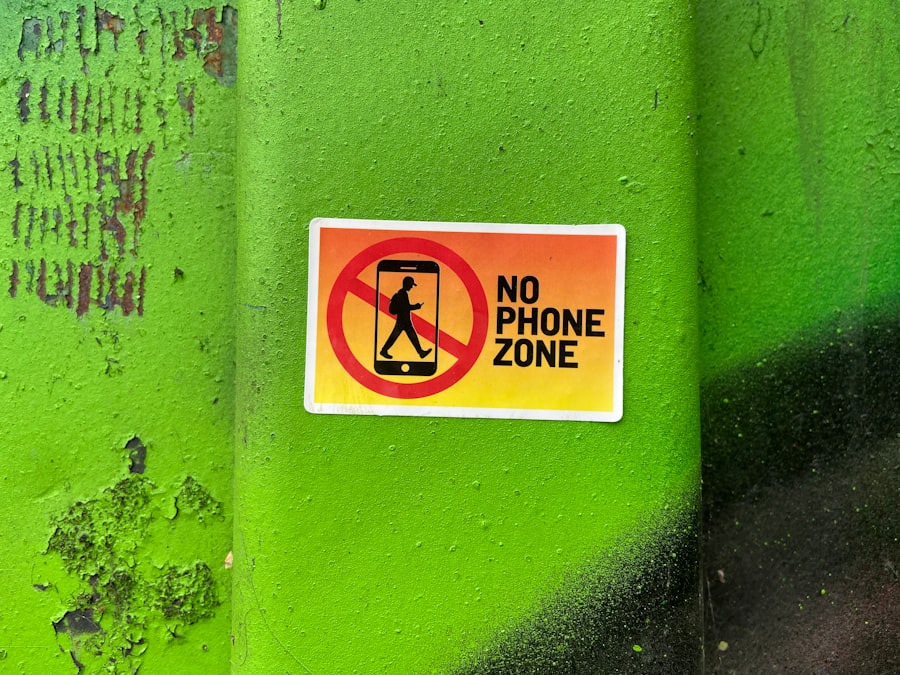
Establishing boundaries is crucial in managing your phone use effectively. One effective strategy is to create designated phone-free zones in your home or workplace. For instance, you might choose to keep your phone out of the bedroom to promote better sleep hygiene or designate specific areas in your home where phone use is not allowed, such as the dining room during meals.
By setting these boundaries, you can cultivate an environment that encourages more meaningful interactions and reduces the temptation to reach for your device. In addition to physical spaces, consider setting time-based boundaries as well. You might designate certain hours of the day as phone-free time, allowing yourself to engage in activities that promote relaxation and connection with others.
This could be during family dinners, while spending time with friends, or even during moments of self-reflection. By consciously choosing when and where to use your phone, you can regain control over your habits and foster a healthier relationship with technology.
Finding Alternative Activities to Replace Phone Use
| Activity | Benefits |
|---|---|
| Reading a book | Improves focus and concentration |
| Going for a walk | Reduces stress and promotes physical activity |
| Engaging in a hobby | Enhances creativity and provides a sense of accomplishment |
| Practicing mindfulness | Increases self-awareness and reduces anxiety |
To break free from excessive phone use, it’s essential to identify alternative activities that can fill the void left by reduced screen time. Engaging in hobbies or interests that excite you can provide a fulfilling distraction from your device. Whether it’s reading a book, painting, gardening, or learning a new skill, immersing yourself in these activities can help you rediscover passions that may have been overshadowed by your phone.
Additionally, consider exploring social activities that encourage face-to-face interactions. Joining clubs or groups that align with your interests can help you connect with like-minded individuals while reducing your reliance on digital communication. By actively participating in these alternative activities, you’ll not only reduce your screen time but also enhance your overall well-being and social connections.
Utilizing Apps and Features to Limit Phone Usage
In an age where technology is both a blessing and a curse, many smartphones come equipped with features designed to help you manage your usage effectively. You can take advantage of built-in screen time trackers that provide insights into how much time you’re spending on various apps and activities. By reviewing this data regularly, you can identify patterns in your usage and make informed decisions about where to cut back.
Moreover, consider downloading apps specifically designed to limit phone usage. These applications can help you set daily limits for specific apps or even block access during designated times. By utilizing these tools, you can create a structured approach to managing your phone use and hold yourself accountable for sticking to your goals.
Practicing Mindfulness and Being Present in the Moment
Incorporating mindfulness into your daily routine can significantly enhance your ability to be present in the moment and reduce reliance on your phone. Mindfulness practices such as meditation, deep breathing exercises, or simply taking a few moments to observe your surroundings can help ground you in the present and diminish the urge to reach for your device. By cultivating awareness of your thoughts and feelings, you can develop a greater understanding of why you may turn to your phone as a coping mechanism.
Additionally, practicing mindfulness encourages you to engage fully in your experiences without distractions. Whether you’re enjoying a meal, spending time with loved ones, or participating in a hobby, being present allows you to savor these moments more deeply. As you become more attuned to the richness of life around you, you’ll find that the need for constant phone engagement diminishes.
Seeking Support from Friends and Family
Breaking free from phone addiction can be challenging, but seeking support from friends and family can make a significant difference in your journey. Share your goals with those close to you and express your desire to reduce phone usage. They may offer encouragement and accountability while also joining you in creating healthier habits together.
For instance, you could establish “phone-free” gatherings where everyone agrees to put their devices away during social events. Moreover, having open conversations about technology’s impact on relationships can foster understanding among loved ones. By discussing how excessive phone use affects your interactions and emotional well-being, you can create a supportive environment that prioritizes meaningful connections over digital distractions.
Engaging in Physical Activity to Distract from Phone Use
Physical activity serves as an excellent way to divert attention from your phone while promoting overall health and well-being. Engaging in regular exercise not only helps reduce stress but also releases endorphins that elevate your mood and improve focus. Whether it’s going for a walk, joining a fitness class, or participating in team sports, finding an activity that excites you can provide a fulfilling alternative to screen time.
Additionally, incorporating physical activity into your daily routine can create structure and purpose beyond phone use. You might set specific fitness goals or challenge yourself to try new activities each week. By prioritizing movement and physical health, you’ll find it easier to resist the urge to reach for your device during moments of boredom or stress.
Establishing a Daily Routine that Minimizes Phone Dependence
Creating a structured daily routine can significantly reduce your dependence on your phone by providing clear guidelines for how you spend your time. Start by identifying key activities that are essential for your day-to-day life—such as work, exercise, meals, and leisure—and allocate specific time slots for each task. By establishing a routine that prioritizes productivity and self-care, you’ll find it easier to resist distractions from your device.
Incorporate designated “phone breaks” into your schedule rather than allowing spontaneous usage throughout the day. For example, set aside specific times when you’ll check messages or browse social media so that it doesn’t interfere with other important tasks. This intentional approach will help you regain control over your time while fostering healthier habits.
Seeking Professional Help for Severe Phone Addiction
If you’ve tried various strategies but still find yourself struggling with severe phone addiction, it may be time to seek professional help. Therapists or counselors specializing in behavioral addictions can provide valuable insights and coping strategies tailored to your unique situation. They can help you explore underlying issues contributing to your reliance on technology while guiding you toward healthier habits.
Additionally, support groups focused on technology addiction may offer a sense of community and shared experiences among individuals facing similar challenges. Connecting with others who understand what you’re going through can provide motivation and encouragement as you work toward breaking free from excessive phone use.
Celebrating Small Victories and Progress in Breaking the Habit
As you embark on this journey toward reducing phone dependence, it’s essential to celebrate small victories along the way. Acknowledge each step forward—whether it’s successfully implementing phone-free zones or engaging in alternative activities instead of reaching for your device. Recognizing these achievements reinforces positive behavior changes and motivates you to continue striving for improvement.
Moreover, consider keeping a journal to document your progress and reflect on how reducing phone use has positively impacted various aspects of your life. By tracking these changes, you’ll gain insight into how far you’ve come and inspire yourself to maintain momentum as you work toward achieving a healthier relationship with technology. In conclusion, addressing excessive phone use requires self-awareness, commitment, and proactive strategies tailored to your unique needs.
By understanding the problem’s impact, recognizing signs of addiction, setting boundaries, finding alternative activities, utilizing apps for limitation, practicing mindfulness, seeking support from loved ones, engaging in physical activity, establishing routines, considering professional help when necessary, and celebrating progress—you’re taking significant steps toward reclaiming control over your life and fostering healthier habits in an increasingly digital world.
If you’re looking to curb the habit of constantly reaching for your phone, you might find it helpful to explore strategies that promote mindfulness and intentional living. A related article that delves into these concepts can be found on Productive Patty’s website. This article offers practical tips and insights on how to cultivate a more focused and present lifestyle, which can naturally reduce the urge to check your phone frequently. For more information, you can read the full article by visiting productivepatty.
com/’>Productive Patty.
WATCH THIS! 🧟I Fixed My Dopamine! (My 48-Hour Phone Reset)
FAQs
What are the negative effects of constantly reaching for your phone?
Constantly reaching for your phone can lead to decreased productivity, increased stress and anxiety, disrupted sleep patterns, and decreased face-to-face social interactions.
How can I reduce the habit of reaching for my phone?
You can reduce the habit of reaching for your phone by setting specific times for phone use, turning off non-essential notifications, engaging in other activities such as reading or exercising, and using apps that track and limit your phone usage.
What are some strategies to stop reaching for my phone?
Some strategies to stop reaching for your phone include keeping your phone out of sight, using a physical barrier such as a phone pouch, practicing mindfulness and being aware of your phone usage, and seeking support from friends or family.
How can reducing phone usage benefit my mental and physical health?
Reducing phone usage can benefit your mental and physical health by improving your focus and productivity, reducing stress and anxiety, improving sleep quality, and increasing face-to-face social interactions.