
You’ve felt it. That hum, that flutter of anticipation in your chest. The cursor hovers over “buy.” Your finger twitches. It’s not just about the potential profit anymore; it’s about the hit. The quick jolt of dopamine that washes over you as the trade executes, the brief surge of elation as the price ticks up, even if only by a fraction of a percentage. You’re not alone. This is the subtle, insidious grip of trading as a dopamine dispenser, and it’s a cycle that can be incredibly difficult to break. This article is about understanding that cycle and, more importantly, taking concrete steps to dismantle it, reclaiming your mental well-being and your focus on genuine financial growth, not just fleeting highs.
The allure of the stock market, the crypto world, or any other arena of rapid financial exchange, is intrinsically tied to our neurochemistry. You’re not a weak-willed individual; you’re responding to powerful biological triggers.
The Brain’s Reward System and Financial Risk
Your brain is wired for reward. When you engage in activities that offer potential rewards, like trading, your brain releases dopamine. This neurotransmitter plays a crucial role in motivation, pleasure, and learning. In the context of trading, the possibility of a profitable outcome acts as a powerful motivator.
The Role of Uncertainty
The inherent uncertainty of the market amplifies this effect. You don’t know for sure if your trade will be a winner or a loser. This unpredictability, paradoxically, makes the potential reward even more enticing. It’s the thrill of the gamble, the possibility of beating the odds, that keeps you coming back. Each trade becomes a mini-gambit, and the outcome, whether positive or negative, delivers a distinct neurochemical response.
Conditioning and Behavioral Patterns
Over time, this repeated exposure to potential rewards and their associated dopamine release can create a conditioned response. You start associating the act of trading itself with the feeling of being rewarded, even before the actual profit materializes. This is akin to how people can develop habits around other rewarding activities. The visual cues of your trading platform, the sound of notifications, even the time of day you typically trade, can all become triggers for this conditioning.
When Trading Becomes a Compulsive Behavior
The line between engaging in trading and developing a compulsive behavior can be blurry, often marked by certain telltale signs in your actions and your feelings. You might find yourself spending more time on trading platforms than intended, or feeling a persistent urge to check prices and execute trades, even during personal time or when other responsibilities beckon.
The Urge to Chase Losses
One of the most potent drivers of the dopamine loop is the compulsion to chase losses. When a trade goes against you, the immediate feeling might be one of frustration or even panic. However, the thought of recovering those losses can trigger a powerful urge to place another trade, often a riskier one, in an attempt to quickly undo the damage. This isn’t a rational financial decision; it’s often a desperate attempt to recapture the lost reward signal, fueled by the same neurochemical pathways.
Neglecting Other Aspects of Life
As the grip of trading tightens, you might find yourself sacrificing other important areas of your life. Social engagements are postponed, hobbies are abandoned, and even personal health can take a backseat. The mental and emotional energy required to maintain this focus on trading, driven by the dopamine cycle, can leave little room for anything else. Your relationships may suffer, your work performance could decline, and your overall sense of well-being can diminish as you become increasingly consumed.
If you’re looking to understand the psychological aspects of trading and how to manage your dopamine levels effectively, you might find the article on Productive Patty insightful. It explores strategies to help you stop trading impulsively and regain control over your decision-making process. For more information, check out the article here: Productive Patty.
Identifying the Triggers for Your Trading Behavior
Recognizing what sets you off is a critical first step in disrupting the cycle. These aren’t always obvious; sometimes they’re subtle and deeply ingrained in your daily routines or emotional patterns.
External Triggers
These are the environmental cues and external stimuli that prompt you to engage in trading. They are often observable and can be consciously identified with a bit of self-reflection.
Market Volatility and News Cycles
Periods of high market volatility or significant news events can be powerful external triggers. The heightened activity and the potential for rapid price swings create an environment ripe for impulsive decisions. You might feel an irresistible urge to jump in and capitalize on the perceived opportunities, even if your trading plan doesn’t align with such reactive behavior. Similarly, reading financial news or seeing market updates can spark the desire to act.
Social Media and Online Communities
The constant stream of information, often hyper-focused on trading successes and market trends, on social media platforms and in online trading communities can act as a significant external trigger. Seeing others post about their wins, the allure of popular stocks or cryptocurrencies highlighted, and the general buzz surrounding market activity can create a sense of FOMO (Fear Of Missing Out) and a strong temptation to join in.
Internal Triggers
These are your own emotions, thoughts, and physical sensations that lead you to seek the release of the trading dopamine hit. They are often more insidious because they originate from within.
Stress and Anxiety
When you experience stress or anxiety, your brain may seek out activities that offer a temporary distraction or a sense of control, even if that control is illusory. Trading, with its focus on action and potential reward, can become a maladaptive coping mechanism. The act of placing a trade and monitoring its progress can provide a momentary escape from overwhelming feelings, even though it often exacerbates the underlying issues in the long run.
Boredom and Understimulation
Conversely, periods of boredom or understimulation can also lead you to trading. When you lack engaging activities or feel a lack of purpose, the excitement and engagement offered by trading can be a compelling draw. It provides a readily available source of stimulation and a sense of having something to do, even if it’s not a productive or healthy pursuit.
A Need for Validation or Excitement
There can be an underlying psychological need for validation and excitement that trading seems to fulfill. The rush of adrenaline from a successful trade, the positive feedback loop of gains, can provide a sense of accomplishment and boost self-esteem. This is often a superficial form of validation, however, and doesn’t address the root need for a stable sense of self-worth.
Strategies for Breaking the Cycle
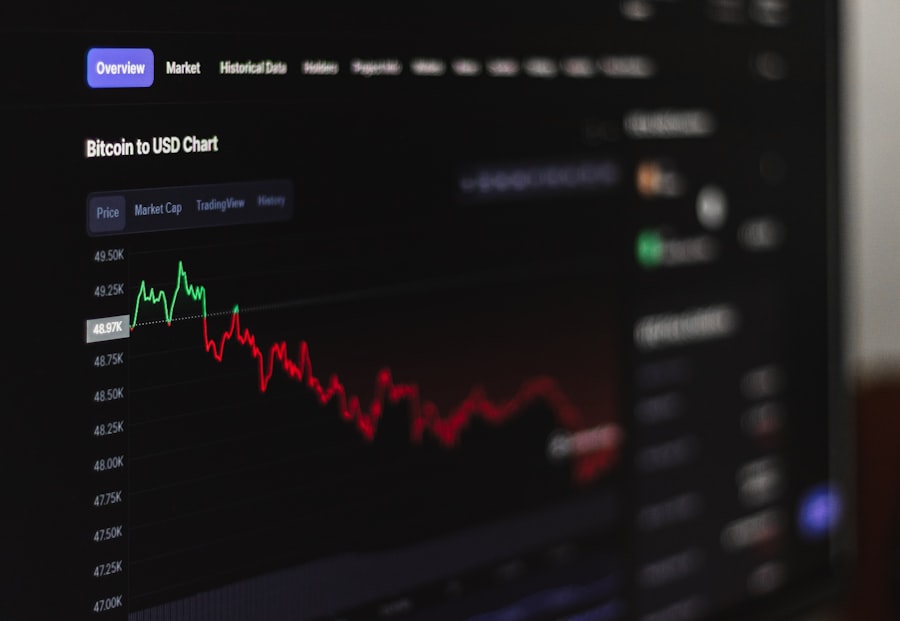
Disrupting a well-established dopamine loop requires a multi-faceted approach, focusing on both your external environment and your internal responses. It’s not about eliminating trading entirely, but about fundamentally changing your relationship with it.
Modifying Your Trading Environment
Making deliberate changes to your trading setup and routines can create friction, forcing you to pause and reconsider your actions before impulsively trading. The goal is to introduce barriers that prevent instant gratification.
Limiting Access and Time
One of the most straightforward strategies is to simply limit your access to trading platforms and the time you spend on them. Uninstall trading apps from your primary devices, log out of your brokerage accounts regularly, and set strict time limits for when you are allowed to engage with the market. Consider using website blockers or app timers to enforce these limits. The inconvenience of having to re-log in or go through extra steps can be enough to break the immediate impulse.
Deactivating Notifications
Turn off all trading-related notifications on your phone and computer. These alerts are specifically designed to grab your attention and pull you back into the trading mindset. By silencing them, you reduce the external stimuli that trigger your urge to check prices and execute trades. This creates a more peaceful environment and allows you to be more present in your non-trading activities.
Developing Alternative Reward Pathways
Since trading has become a primary source of dopamine, you need to actively cultivate other activities that provide similar or, ideally, more sustainable forms of reward and satisfaction. This is about enriching your life beyond the market.
Engaging in Hobbies and Interests
Rediscover or develop new hobbies and interests that bring you genuine joy and a sense of accomplishment. This could be anything from playing a musical instrument, painting, hiking, reading, cooking, or learning a new skill. These activities offer intrinsic rewards, meaning the enjoyment comes from the process itself, not just the outcome. They engage your mind and body in different ways, providing a healthier and more balanced source of dopamine.
Fostering Meaningful Social Connections
Nurturing your relationships with friends and family provides a vital sense of connection and belonging, which are powerful sources of well-being. Actively schedule time for social interaction, engage in conversations, and be present with the people you care about. These relationships offer emotional support and a sense of purpose that trading alone cannot provide.
Prioritizing Physical and Mental Health
Investing in your physical and mental health is crucial. Regular exercise releases endorphins, which have mood-boosting effects and can compete with the dopamine rush from trading. Mindfulness meditation and other stress-reduction techniques can help you manage internal triggers like anxiety and stress, making you less reliant on trading for relief. Ensure you’re getting enough sleep and maintaining a balanced diet, as these fundamental aspects of health have a significant impact on your emotional regulation and decision-making abilities.
Realigning Your Trading Goals

Once you’ve begun to disconnect trading from your immediate dopamine needs, it’s time to re-evaluate your objectives and approach to the market. This involves shifting your mindset from quick wins to sustainable growth.
Shifting Focus from Speculation to Investment
It’s important to distinguish between impulsive speculation and considered investment. Speculation often involves short-term bets on price movements, driven by market noise and the allure of rapid gains. Investment, on the other hand, is a longer-term approach based on fundamental analysis, research, and a belief in the underlying value of an asset.
The Importance of Due Diligence
When you approach trading as an investment, due diligence becomes paramount. This means dedicating time to thoroughly research companies, understand their business models, analyze their financial health, and assess their competitive landscape. This process is intellectually stimulating and rewarding in its own right, and it leads to more informed decisions that are less likely to be driven by emotional impulses.
Long-Term Value Creation
The goal of investment is not to catch the fleeting dopamine highs of short-term price swings, but to participate in the long-term value creation of businesses and assets. This involves a patient approach, allowing your investments to grow over time through compounding returns and the inherent growth of the underlying assets. The satisfaction comes from seeing your portfolio steadily increase in value based on sound financial principles, not from the thrill of rapid, often unsustainable, price movements.
Developing a Robust Trading Plan Based on Strategy, Not Impulse
A well-defined trading plan acts as a crucial safeguard against impulsive decision-making. It provides a framework for your actions, ensuring that your trades are based on logic and strategy rather than fleeting emotions or external triggers.
Defining Your Risk Tolerance
Before executing any trade, you need to have a clear understanding of your risk tolerance. This involves determining how much capital you are willing to risk on any given trade and across your entire portfolio. Your trading plan should explicitly outline these parameters, preventing you from taking on excessive risk in the pursuit of a dopamine hit.
Implementing Strict Entry and Exit Criteria
Your trading plan should include precise criteria for entering and exiting trades. This means identifying the specific price levels, technical indicators, or fundamental conditions that will trigger a buy or sell decision. Having these pre-defined criteria removes the subjective element and reduces the temptation to deviate from your plan based on emotional impulses. For example, if your plan dictates selling a stock once it drops by 10%, stick to that, even if the urge to hold on and hope for a rebound is strong.
Incorporating Stop-Loss Orders and Position Sizing
Stop-loss orders are automatic sell orders placed at a specific price to limit your potential losses on a trade. Implementing these rigorously, as outlined in your trading plan, prevents catastrophic losses that can trigger desperate chasing behavior. Equally important is position sizing, which dictates how much of your capital you allocate to any single trade. Prudent position sizing ensures that no single losing trade can significantly damage your overall portfolio or trigger an emotional response that leads to further impulsive decisions.
If you’re struggling with the urge to trade impulsively for a quick dopamine fix, you might find it helpful to explore strategies that promote healthier habits. One insightful article that addresses this topic is available at Productive Patty, where you can discover techniques to manage your trading impulses and cultivate a more disciplined approach. By implementing these strategies, you can work towards a more balanced mindset that prioritizes long-term success over short-term gratification.
Seeking Support and Maintaining Progress
| Strategy | Effectiveness |
|---|---|
| Set clear trading goals | High |
| Use stop-loss orders | Medium |
| Limit screen time | High |
| Practice mindfulness | High |
| Seek professional help if needed | High |
Breaking free from a compulsive trading cycle is a journey, not a destination. There will be challenges, and seeking support can be invaluable in navigating them.
Recognizing When Professional Help Is Needed
While self-help strategies are effective, there are times when professional intervention is necessary. If you find yourself unable to control your trading behavior, if it’s significantly impacting your finances, relationships, or mental health, it’s crucial to seek professional guidance.
Identifying Signs of Gambling Disorder
The behaviors associated with compulsive trading can overlap significantly with gambling disorder. Signs include preoccupation with trading, increasing amounts of money risked, repeated unsuccessful efforts to control trading, feeling restless or irritable when attempting to cut back, trading to escape problems, and lying about the extent of trading. Recognize these as potential indicators that require professional assessment.
Therapies and Support Groups
Therapies such as Cognitive Behavioral Therapy (CBT) are highly effective in addressing compulsive behaviors. CBT helps you identify and challenge negative thought patterns and develop healthier coping mechanisms. Support groups, such as those offered by Gamblers Anonymous or similar organizations focused on financial addiction, provide a sense of community, shared experience, and peer support, which can be incredibly empowering.
Building a Support Network
Surrounding yourself with supportive individuals who understand your struggles can make a significant difference in your progress. This network can provide accountability and encouragement during difficult times.
Informing Trusted Friends and Family
Openly communicating your challenges with trusted friends and family members can be a liberating experience. They can offer emotional support, help you stay accountable to your goals, and provide a distraction when you feel the urge to trade. Their understanding and encouragement can be a powerful buffer against relapse.
Finding Accountability Partners
Identifying an accountability partner, someone who is also working on breaking unhealthy habits or who is committed to supporting your progress, can be immensely beneficial. You can regularly check in with each other, share your challenges, and celebrate your successes. This shared commitment fosters a sense of responsibility and makes it harder to fall back into old patterns.
Breaking the cycle of trading for instant dopamine relief is a significant undertaking, but it is entirely achievable. By understanding the neurochemical underpinnings of this behavior, identifying your personal triggers, and implementing a comprehensive set of strategies focused on environmental modification, alternative reward pathways, and a recalibrated approach to trading goals, you can reclaim control. Remember, true financial success is built on discipline, patience, and strategic planning, not on the fleeting highs of impulsive action. Your journey to a healthier relationship with trading begins with awareness, and it is sustained by consistent effort and the courage to seek support when needed.
FAQs
What is dopamine and how does it relate to trading?
Dopamine is a neurotransmitter that plays a key role in the brain’s reward system. When we engage in activities that are pleasurable or rewarding, such as trading, dopamine is released, creating a sense of pleasure and reinforcing the behavior.
Why is trading for dopamine harmful?
Trading for dopamine can lead to impulsive and irrational decision-making, as individuals may prioritize the short-term pleasure of a trade over long-term financial goals. This can result in excessive risk-taking, emotional trading, and overall poor investment decisions.
What are some strategies to stop trading for dopamine?
Some strategies to stop trading for dopamine include setting clear investment goals, creating a trading plan and sticking to it, practicing mindfulness and self-awareness to recognize emotional triggers, and seeking support from a financial advisor or therapist if needed.
What are the potential benefits of stopping trading for dopamine?
By breaking the cycle of trading for dopamine, individuals can make more rational and strategic investment decisions, reduce the risk of financial losses, and ultimately work towards achieving their long-term financial goals with greater success and stability.
How can individuals seek professional help for trading addiction?
Individuals struggling with trading addiction can seek professional help from financial advisors, therapists specializing in addiction or behavioral finance, and support groups for individuals dealing with compulsive trading behaviors. It’s important to recognize the signs of addiction and seek help early on to prevent further financial and emotional harm.