
To cultivate a sustainable growth mindset, you must first understand its foundational principles and then systematically implement strategies to embed it into your daily operations. This isn’t a quick fix; it’s a deliberate process, much like tending a garden. You wouldn’t expect a harvest overnight. Instead, you prepare the soil, plant carefully selected seeds, nurture them with consistent effort, and patiently await their natural development. Building a growth mindset is the act of preparing your mental soil, planting the seeds of possibility, and diligently watering them with your actions and beliefs.
At its core, a growth mindset is the belief that your abilities, intelligence, and talents are not fixed but can be developed through dedication and hard work. This perspective, as defined by psychologist Carol Dweck, stands in contrast to a fixed mindset, which posits that these qualities are innate and unchangeable. Embracing a growth mindset is akin to viewing yourself not as a finished sculpture, but as a block of clay, capable of being shaped and reshaped by your endeavors.
The Duality of Mindsets: Fixed vs. Growth
You likely recognize elements of both fixed and growth mindsets within yourself, as most individuals exhibit a blend. A fixed mindset can manifest as a belief that intelligence is a static entity, meaning that if you struggle with a task, it’s a sign that you simply aren’t good at it. This can lead to avoiding challenges, giving up easily when faced with obstacles, and feeling threatened by the success of others. Conversely, a growth mindset views these same situations as opportunities for learning and improvement. A challenging problem isn’t a testament to your inadequacy, but a stepping stone on your path to greater understanding.
The Role of Effort and Persistence
The growth mindset places a premium on effort and persistence. It recognizes that struggle is not a sign of failure but an integral part of the learning process. Think of it like a blacksmith forging a sword. The intense heat and repeated hammering are not destructive forces; they are the essential steps that transform raw metal into a strong, functional weapon. Similarly, your challenges and setbacks, when met with perseverance, are the forces that strengthen your capabilities and refine your understanding.
Embracing Challenges as Opportunities
A key differentiator of the growth mindset is its interpretation of challenges. Instead of shying away from difficult tasks, you actively seek them out. You understand that stepping outside your comfort zone is where true growth occurs. This isn’t about seeking out unnecessary hardship, but about recognizing that mastery rarely lies within the confines of what you already know and can do. Each difficult task you undertake is like climbing a new peak; the view from the top, and the strength you gain from the ascent, are invaluable.
The Power of “Yet”
The word “yet” is a small but powerful tool in the growth mindset arsenal. When you encounter something you can’t do, rather than concluding “I can’t do this,” you reframe it as “I can’t do this yet.” This simple addition injects possibility and a future orientation into your thinking, acknowledging that current limitations are temporary and surmountable. It’s like a seed that, while currently dormant, holds the potential for immense growth.
To cultivate a sustainable growth mindset, it’s essential to explore various strategies and insights that can help you on your journey. A related article that delves into practical approaches for developing this mindset can be found at Productive Patty. This resource offers valuable tips and techniques that encourage resilience, adaptability, and continuous learning, all of which are crucial for fostering a long-term growth mindset.
Step 1: Self-Observation and Awareness
The initial step in building a sustainable growth mindset involves a period of honest self-observation. You need to become a detective of your own thoughts and reactions, particularly in situations that trigger feelings of inadequacy or frustration. This is not about self-criticism, but about objective data collection.
Identifying Your Fixed Mindset Triggers
What situations tend to bring out your fixed mindset reactions? Is it a complex problem at work, a new skill you’re trying to acquire, or constructive criticism from a colleague? Pinpointing these triggers is like mapping out hazardous terrain so you can navigate it more skillfully. Understanding these triggers allows you to anticipate them and prepare your counter-strategies.
Recognizing Fixed Mindset Language
Pay attention to the internal dialogue you have during these challenging moments. Do you hear phrases like “I’m not smart enough,” “This is too hard for me,” or “I’ll never be able to do this”? This is the language of a fixed mindset. Being able to identify this self-defeating rhetoric is the first step toward replacing it with more empowering affirmations. It’s like recognizing invasive weeds in your garden – once you see them, you can begin to address them.
Acknowledging the Desire for Perfection
Often, a fixed mindset is fueled by an underlying desire for immediate perfection. You expect to be good at something from the outset, and any deviation from that expectation can lead to self-doubt. You need to acknowledge this desire and understand that it is often an unrealistic and counterproductive expectation. The most brilliant creations, from symphonies to scientific breakthroughs, all went through stages of imperfection.
The Power of Journaling
A valuable tool for this stage is journaling. Dedicate a notebook to documenting your thoughts, feelings, and reactions to challenging situations. Note down when you felt stuck, what thoughts arose, and how you responded. This creates a tangible record of your mental landscape, allowing you to identify patterns and areas for growth over time. This written record is your personal growth blueprint.
Step 2: Reframing Challenges and Setbacks
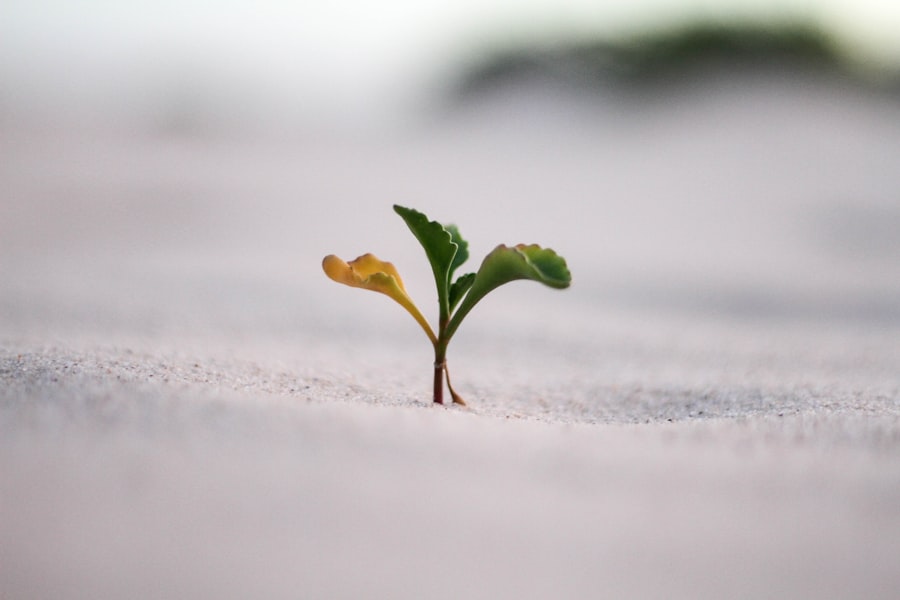
Once you have a better understanding of your existing mindset patterns, the next crucial step is to actively reframe how you perceive challenges and setbacks. These are not roadblocks designed to stop you, but rather informational cues and opportunities to learn and adapt.
Viewing Obstacles as Learning Experiences
Instead of viewing an obstacle as a definitive statement of your limitations, see it as a puzzle to be solved. Each difficulty you encounter presents a unique set of variables and requires a different approach. The experience of navigating that puzzle, even if you don’t immediately find the perfect solution, builds your problem-solving muscles. Think of it like a seasoned sailor who doesn’t curse a storm but uses it to hone their navigation skills.
Embracing Constructive Criticism as Feedback
Constructive criticism can be a powerful catalyst for growth, but it often triggers defensiveness in those with a fixed mindset. You need to learn to see criticism not as a personal attack, but as valuable data about how you can improve. It’s like a mechanic examining your engine; their diagnoses, though sometimes pointing out flaws, are essential for making it run better. Seek out feedback, even when it’s difficult to hear, and actively process it for actionable insights.
The Importance of ‘Failure’ as a Stepping Stone
The concept of “failure” is often imbued with negative connotations. However, in the context of a growth mindset, failure is merely an outcome that provides data. It signals that your current approach may not be effective, and it’s time to experiment with new strategies. Edison’s famous quote about finding 10,000 ways that won’t work for a lightbulb is a prime example. Each “failure” brought him closer to success. You should strive to view your own setbacks with a similar pragmatic perspective.
Learning from Others’ Successes
A fixed mindset can interpret the success of others as a reflection of their inherent superiority, leading to feelings of envy or inadequacy. A growth mindset, however, sees the success of others as inspiration and a source of learning. Analyze what factors contributed to their achievements. Did they work hard? Did they seek out mentors? Did they overcome significant obstacles? Their journeys can provide valuable roadmaps for your own path. It’s like studying the blueprints of a magnificent building to understand the principles of good construction.
Step 3: Cultivating a Habit of Effort and Practice

A growth mindset is not a passive belief system; it is an active practice. You must consistently engage in activities that reinforce your belief in the power of effort and deliberate practice. This is where the seeds you’ve planted begin to truly take root.
The Role of Deliberate Practice
Deliberate practice is not simply putting in more hours; it’s about focused, intentional effort aimed at improving specific skills. This involves identifying areas for improvement, setting clear goals, and receiving feedback to guide your adjustments. Think of a musician practicing scales: it’s not just repetition, but focused effort to achieve precision and fluidity. You need to apply this principle to all areas of your development.
Breaking Down Large Goals
Overwhelming tasks can easily lead to a fixed mindset reaction of “this is impossible.” To combat this, break down large, daunting goals into smaller, more manageable steps. Each completed step provides a sense of accomplishment and builds momentum, reinforcing your belief in your ability to progress. This is like building a pyramid, block by careful block.
Embracing the Process, Not Just the Outcome
While outcomes are important, a sustainable growth mindset emphasizes the value of the process itself. Enjoy the learning journey, the exploration, and the effort involved. The satisfaction derived from consistent effort and improvement can be as rewarding as achieving the final goal. It’s like the joy a gardener finds in tending their plants, not just in the harvest.
Seeking Out Opportunities for Growth
Actively seek out new challenges and learning opportunities, even if they push you beyond your current comfort zone. This could involve taking on a new project, learning a new skill, or engaging with complex ideas. The more you expose yourself to novel situations, the more your brain develops new neural pathways and adapts to change. Think of your brain as a muscle; the more you exercise it with new demands, the stronger it becomes.
Building a sustainable growth mindset is essential for personal and professional development, and one insightful resource on this topic can be found in a related article. By exploring the principles outlined in this article, you can gain valuable strategies to foster resilience and adaptability in your life. Embracing a growth mindset not only enhances your ability to overcome challenges but also encourages continuous learning and improvement.
Step 4: Developing Resilience and Persistence
| Metric | Description | Measurement Method | Target/Goal |
|---|---|---|---|
| Consistency in Learning | Frequency of engaging in new learning activities | Number of learning sessions per week | 3+ sessions per week |
| Resilience Score | Ability to recover from setbacks | Self-assessment survey on handling challenges (scale 1-10) | 7 or higher |
| Growth Mindset Reflection | Regular reflection on mindset and progress | Journaling frequency per week | 2+ entries per week |
| Goal Setting and Review | Setting and reviewing personal growth goals | Number of goals set and reviewed monthly | At least 1 goal set and reviewed monthly |
| Feedback Seeking | Proactively seeking constructive feedback | Number of feedback sessions or requests per month | 2+ feedback interactions per month |
| Positive Self-Talk Frequency | Use of encouraging and growth-oriented self-talk | Self-reported instances per day | 5+ positive affirmations daily |
| Adaptability to Change | Willingness to embrace new challenges and changes | Self-assessment on adaptability (scale 1-10) | 8 or higher |
Resilience and persistence are the cornerstones of a sustainable growth mindset. They are the qualities that allow you to bounce back from setbacks and continue moving forward, even when faced with adversity. This is the part of the garden where you weed out discouragement and nourish unwavering commitment.
The Power of Grit
Grit, a concept popularized by Angela Duckworth, is the combination of passion and perseverance for long-term goals. It’s the ability to stick with your future, day in, day out, not just for the week, but for the years, and to work diligently to make that future a reality. Cultivating grit means developing the mental fortitude to persist when others might quit. It’s the engine that keeps you moving towards your destination, regardless of detours.
Learning to Persevere Through Discomfort
Progress rarely happens without some level of discomfort. You will encounter moments of frustration, doubt, and fatigue. Learning to tolerate and work through these feelings is crucial. This doesn’t mean reveling in discomfort, but understanding that it is a temporary state often preceding growth. It’s like a runner pushing through the final mile of a race; the discomfort is temporary, but the accomplishment is lasting.
Building a Support Network
Surround yourself with individuals who support your growth mindset journey. This includes mentors, peers, and friends who encourage your efforts, offer constructive feedback, and celebrate your progress. Your support network can provide motivation and perspective when you face challenges. They are the sunlight and water that help your young plants thrive.
Visualizing Success and Overcoming Obstacles
Visualization can be a powerful tool for building resilience. Imagine yourself successfully navigating challenges and achieving your goals. This mental rehearsal can strengthen your belief in your ability to overcome obstacles and prepare you for potential difficulties. It’s like a strategist mentally planning their moves on a chessboard before the actual game begins.
Step 5: Embracing Lifelong Learning and Continuous Improvement
A truly sustainable growth mindset is not a destination, but a continuous journey of learning and self-improvement. It’s about fostering a perpetual curiosity and a commitment to ongoing development. This is the ongoing process of tending your garden, always seeking new ways to enrich the soil and cultivate more bountiful harvests.
Staying Curious and Asking “Why?”
Cultivate a habit of curiosity. Constantly ask “why” and seek to understand the underlying principles of things. This inquisitiveness fuels your desire to learn and explore new concepts. It’s the foundation of all innovation and discovery. When you stop asking “why,” you stop growing.
Seeking Novelty and New Experiences
Actively expose yourself to new experiences and information. Read books outside your usual genre, travel to new places, engage in conversations with people from diverse backgrounds. Novelty stimulates your brain and broadens your perspective, making you more adaptable and innovative. It’s like introducing new crops into your field to maintain soil health and prevent stagnation.
Reflecting on Your Progress Regularly
Make time for regular reflection on your learning and development. What have you learned recently? What skills have you improved? What challenges did you overcome? This reflective practice reinforces your growth and highlights the progress you’ve made, motivating you to continue. It’s like a farmer taking stock of their harvest at the end of each season to plan for the next.
Committing to Personal and Professional Development
View personal and professional development not as optional extras, but as essential components of your life. Invest time and resources in learning opportunities, whether through formal education, workshops, or self-study. This commitment signifies your belief in the limitless potential for growth within yourself. You are not a finished product, but a perpetual work in progress, and your commitment to learning is the ongoing brushstroke that refines your masterpiece.
FAQs
What is a sustainable growth mindset?
A sustainable growth mindset is the belief that abilities and intelligence can be developed over time through dedication, learning, and effort, while maintaining long-term motivation and resilience.
Why is building a sustainable growth mindset important?
Building a sustainable growth mindset helps individuals embrace challenges, learn from failures, and persist in the face of setbacks, leading to continuous personal and professional development.
How can I start developing a sustainable growth mindset?
You can start by recognizing and challenging fixed mindset thoughts, setting realistic goals, seeking feedback, embracing challenges, and viewing failures as learning opportunities.
What role does self-reflection play in maintaining a growth mindset?
Self-reflection allows you to assess your progress, understand your thought patterns, and adjust your strategies, which helps sustain motivation and encourages ongoing growth.
Can a sustainable growth mindset be applied in the workplace?
Yes, applying a sustainable growth mindset in the workplace fosters innovation, collaboration, adaptability, and continuous learning, which can improve performance and career advancement.