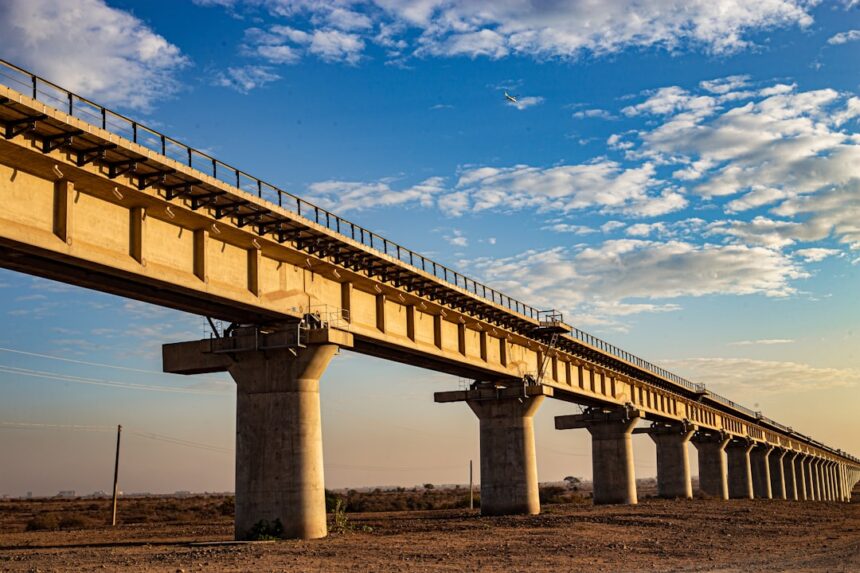
Resilient infrastructure serves as the backbone of modern society, providing essential services that sustain economic growth and enhance quality of life. In an era marked by increasing natural disasters, climate change, and urbanization, the significance of building infrastructure that can withstand shocks and stresses has never been more pronounced. Resilient infrastructure not only protects communities from the immediate impacts of disasters but also ensures a swift recovery, thereby minimizing long-term disruptions to daily life and economic activities.
The ability to maintain functionality during adverse conditions is crucial for safeguarding public health, ensuring safety, and preserving the integrity of critical systems. Moreover, resilient infrastructure contributes to sustainable development by promoting environmental stewardship and social equity. By integrating resilience into planning and design processes, communities can create systems that are not only robust but also adaptable to future challenges.
This proactive approach fosters a culture of preparedness, enabling societies to thrive despite uncertainties. As cities expand and populations grow, the need for infrastructure that can endure and adapt becomes increasingly vital, making resilience a key priority for policymakers, urban planners, and engineers alike.
Key Takeaways
- Resilient infrastructure is crucial for withstanding and recovering from environmental and economic shocks.
- Investing in resilient infrastructure offers long-term benefits, including reduced costs and enhanced community safety.
- Government and private sector collaboration is essential to promote and fund resilient infrastructure projects.
- Integrating climate change adaptation and advanced technology strengthens infrastructure durability and effectiveness.
- Successful case studies demonstrate that resilient infrastructure investments lead to sustainable and thriving communities.
Understanding the Role of Infrastructure in Resilience
Infrastructure encompasses a wide range of physical systems, including transportation networks, water supply systems, energy grids, and communication technologies. Each of these components plays a critical role in enhancing community resilience by ensuring that essential services remain operational during crises. For instance, a well-maintained transportation network allows for the efficient movement of emergency services and supplies during disasters, while a reliable energy grid supports hospitals and shelters that provide refuge to those affected.
The interconnectedness of these systems means that the failure of one can have cascading effects on others, underscoring the importance of a holistic approach to infrastructure resilience. Furthermore, infrastructure is not merely a collection of physical assets; it is also a reflection of societal values and priorities. The design and implementation of infrastructure projects can either reinforce existing inequalities or promote inclusivity and accessibility.
By prioritizing resilience in infrastructure development, communities can address vulnerabilities faced by marginalized populations who are often disproportionately affected by disasters. This understanding highlights the need for a comprehensive framework that considers social, economic, and environmental factors in building resilient infrastructure.
Investing in Resilient Infrastructure: Benefits and Opportunities
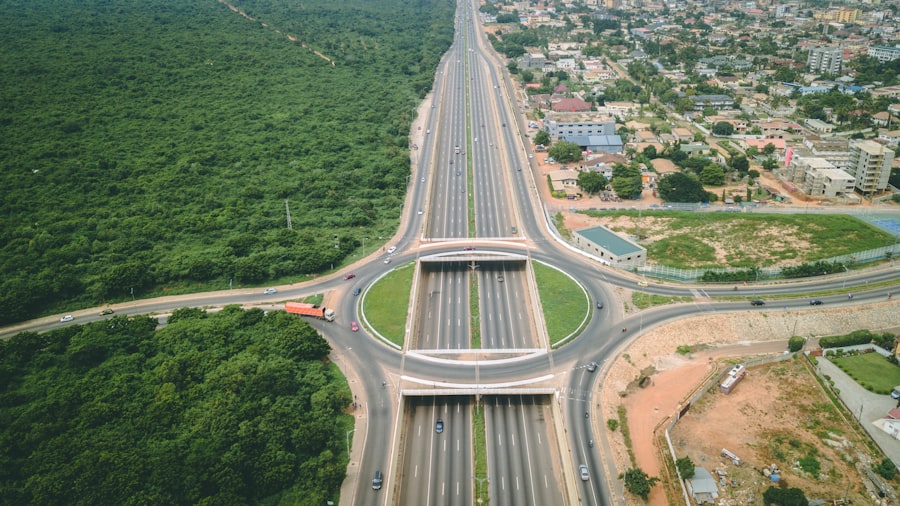
Investing in resilient infrastructure presents numerous benefits that extend beyond immediate disaster response capabilities. One of the most significant advantages is the potential for long-term cost savings.
Additionally, resilient infrastructure can enhance property values and attract businesses, contributing to local economic growth. Communities that prioritize resilience are often viewed as more desirable places to live and work, further bolstering their economic prospects. Moreover, investing in resilient infrastructure creates opportunities for innovation and job creation.
As demand for sustainable solutions grows, there is an increasing need for skilled workers in fields such as engineering, construction, and environmental science. This shift not only supports local economies but also fosters a culture of innovation as new technologies and practices are developed to enhance resilience. By embracing these opportunities, communities can position themselves at the forefront of the evolving landscape of infrastructure development.
Key Considerations for Building Resilient Infrastructure
When embarking on the journey to build resilient infrastructure, several key considerations must be taken into account. First and foremost is the need for comprehensive risk assessments that identify potential hazards and vulnerabilities specific to each community. Understanding local risks—whether they stem from natural disasters, climate change impacts, or socio-economic factors—is essential for designing infrastructure that can withstand various challenges.
This data-driven approach enables planners to prioritize investments in areas most at risk and allocate resources effectively. Another critical consideration is stakeholder engagement throughout the planning and implementation process. Involving community members, local businesses, and other stakeholders ensures that diverse perspectives are considered in decision-making.
This collaborative approach not only fosters a sense of ownership among residents but also leads to more effective solutions tailored to the unique needs of each community. Additionally, ongoing maintenance and adaptation strategies must be integrated into infrastructure projects to ensure their continued effectiveness over time.
Case Studies: Successful Examples of Resilient Infrastructure Investments
| Metric | Description | Value | Unit | Source |
|---|---|---|---|---|
| Annual Investment in Resilience Infrastructure | Total amount invested annually in infrastructure designed to improve resilience against natural disasters and climate change | 150 | Billion | Global Infrastructure Report 2023 |
| Percentage of Infrastructure Budget Allocated to Resilience | Share of total infrastructure spending dedicated to resilience projects | 12 | Percent | World Bank 2023 |
| Average Return on Investment (ROI) | Estimated economic return for every unit invested in resilience infrastructure | 4.5 | Ratio | OECD Resilience Study 2022 |
| Reduction in Disaster Recovery Costs | Percentage decrease in costs due to resilience infrastructure | 30 | Percent | UNDRR Report 2023 |
| Number of Resilience Projects Funded | Total count of infrastructure projects focused on resilience funded in the last year | 250 | Projects | Global Infrastructure Database 2023 |
| Average Project Duration | Typical time span to complete resilience infrastructure projects | 3 | Years | Infrastructure Project Reports 2023 |
Numerous case studies illustrate the successful implementation of resilient infrastructure investments around the world. One notable example is New York City’s post-Hurricane Sandy recovery efforts, which included significant investments in coastal protection measures such as storm surge barriers and green infrastructure projects like parks that absorb excess rainwater. These initiatives not only enhance the city’s ability to withstand future storms but also provide recreational spaces for residents, demonstrating how resilience can be integrated with community needs.
Another compelling case is found in the Netherlands, where innovative water management strategies have been developed in response to rising sea levels and increased flooding risks. The country’s extensive system of dikes, levees, and floodgates exemplifies a proactive approach to resilience that prioritizes both protection and sustainability. By investing in adaptive measures such as floating neighborhoods and green roofs, the Netherlands showcases how resilient infrastructure can be designed to coexist harmoniously with natural ecosystems while safeguarding communities from climate-related threats.
The Role of Government in Promoting Resilient Infrastructure
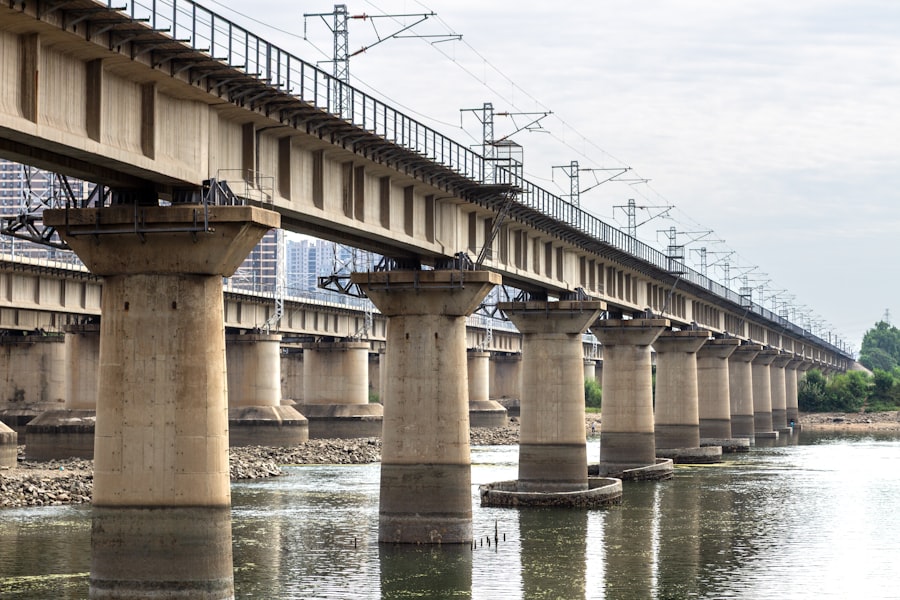
Governments play a pivotal role in promoting resilient infrastructure through policy development, funding allocation, and regulatory frameworks. By establishing clear guidelines and standards for resilience in infrastructure projects, governments can ensure that public investments prioritize long-term sustainability over short-term gains. This includes integrating resilience considerations into zoning laws, building codes, and land-use planning processes to create a cohesive approach to community development.
Additionally, government funding programs can incentivize private sector investment in resilient infrastructure projects. By offering grants, low-interest loans, or tax incentives for projects that meet resilience criteria, governments can stimulate innovation and encourage collaboration between public and private entities. Furthermore, fostering partnerships with academic institutions and research organizations can facilitate knowledge sharing and the development of best practices for resilient infrastructure design.
Private Sector Investment in Resilient Infrastructure
The private sector has a crucial role to play in advancing resilient infrastructure through investment and innovation. As businesses increasingly recognize the risks posed by climate change and natural disasters, many are seeking ways to enhance their own resilience while contributing to community efforts. This shift has led to a growing demand for sustainable practices in construction, energy production, and transportation.
Private companies can leverage their expertise and resources to develop innovative solutions that address resilience challenges. For instance, technology firms are creating advanced data analytics tools that help cities assess vulnerabilities and optimize resource allocation for infrastructure projects. Additionally, construction companies are adopting green building practices that not only reduce environmental impact but also enhance the durability of structures against extreme weather events.
By aligning their interests with community resilience goals, private sector actors can play a transformative role in shaping the future of infrastructure.
Incorporating Climate Change Adaptation into Infrastructure Investments
As climate change continues to pose significant challenges worldwide, incorporating adaptation strategies into infrastructure investments has become imperative. This involves designing systems that are not only robust against current risks but also flexible enough to accommodate future changes in climate patterns. For example, transportation networks may need to be elevated or reinforced to withstand increased flooding events or extreme heat conditions.
Furthermore, integrating nature-based solutions into infrastructure design can enhance resilience while providing additional environmental benefits. Urban green spaces, wetlands restoration, and permeable surfaces can mitigate flooding risks while improving air quality and promoting biodiversity. By embracing these holistic approaches to climate adaptation, communities can create infrastructure that not only withstands current challenges but also thrives in an uncertain future.
Building Community Resilience through Infrastructure
Infrastructure investments have the potential to strengthen community resilience by fostering social cohesion and enhancing access to essential services. Well-designed public spaces can serve as gathering points during emergencies, providing safe havens for residents while facilitating communication and resource sharing. Additionally, equitable access to transportation systems ensures that all community members can reach critical services such as healthcare facilities or emergency shelters during crises.
When individuals feel invested in their community’s resilience efforts, they are more likely to participate actively in preparedness initiatives and support one another during challenging times. This collective approach not only enhances individual well-being but also strengthens the social fabric of communities.
The Role of Technology in Enhancing Infrastructure Resilience
Technology plays an increasingly important role in enhancing the resilience of infrastructure systems. Advanced data analytics, geographic information systems (GIS), and remote sensing technologies enable planners to assess vulnerabilities more accurately and make informed decisions about resource allocation. For instance, real-time monitoring systems can provide early warnings for potential hazards such as floods or earthquakes, allowing communities to take proactive measures before disaster strikes.
Moreover, innovations such as smart grids and automated traffic management systems improve the efficiency and reliability of essential services during emergencies. By leveraging technology to optimize operations and enhance communication among various stakeholders, communities can significantly improve their capacity to respond effectively to crises. As technology continues to evolve, its integration into infrastructure planning will be crucial for building resilient systems capable of adapting to future challenges.
The Future of Resilient Infrastructure Investment
The future of resilient infrastructure investment lies in a collaborative approach that brings together governments, private sector actors, communities, and researchers to address complex challenges posed by climate change and urbanization. As awareness grows regarding the importance of resilience in safeguarding lives and livelihoods, there is an increasing commitment from various stakeholders to prioritize sustainable practices in infrastructure development. Looking ahead, it is essential for communities to embrace innovative solutions that integrate technology with traditional practices while fostering inclusivity in decision-making processes.
By investing in resilient infrastructure today, societies can build a foundation for a more sustainable future—one where communities are better equipped to withstand shocks while thriving amidst uncertainty. The path forward requires bold leadership, strategic partnerships, and a shared vision for resilience that transcends individual interests for the greater good of society as a whole.
Investing in resilience infrastructure is crucial for mitigating the impacts of climate change and ensuring sustainable development. A related article that delves into the importance of such investments can be found at this link. It discusses various strategies and case studies that highlight how resilient infrastructure can enhance community preparedness and adaptability in the face of environmental challenges.
FAQs
What is resilience infrastructure investment?
Resilience infrastructure investment refers to the allocation of financial resources toward building and upgrading infrastructure systems to withstand, adapt to, and quickly recover from adverse events such as natural disasters, climate change impacts, and other shocks.
Why is resilience infrastructure investment important?
Investing in resilient infrastructure helps reduce the economic, social, and environmental impacts of disasters and disruptions. It ensures continuity of essential services, protects communities, and supports sustainable development.
What types of infrastructure are typically included in resilience investments?
Resilience investments often focus on critical infrastructure such as transportation networks, water and wastewater systems, energy grids, communication systems, and public buildings, ensuring they can endure and recover from extreme events.
How does climate change influence resilience infrastructure investment?
Climate change increases the frequency and severity of extreme weather events, making it essential to design and upgrade infrastructure that can cope with these new risks, thereby reducing vulnerability and enhancing adaptive capacity.
Who are the key stakeholders involved in resilience infrastructure investment?
Key stakeholders include government agencies, private sector investors, community organizations, engineers, urban planners, and international development institutions, all collaborating to plan, finance, and implement resilient infrastructure projects.
What are common strategies used in resilience infrastructure investment?
Strategies include incorporating risk assessments, using durable and adaptive materials, implementing nature-based solutions, diversifying energy sources, and integrating smart technologies to monitor and respond to infrastructure performance.
How is the success of resilience infrastructure investment measured?
Success is measured by the infrastructure’s ability to maintain functionality during and after adverse events, reduced recovery time, cost savings from avoided damages, and improved safety and well-being of affected populations.
What challenges exist in financing resilience infrastructure?
Challenges include high upfront costs, uncertainty in risk projections, limited access to capital, coordination among multiple stakeholders, and balancing short-term needs with long-term benefits.
Can resilience infrastructure investment contribute to economic growth?
Yes, resilient infrastructure can stimulate economic growth by creating jobs, attracting investment, reducing disaster-related losses, and enhancing the overall stability and productivity of communities.
Are there international frameworks supporting resilience infrastructure investment?
Yes, frameworks such as the Sendai Framework for Disaster Risk Reduction and the Sustainable Development Goals encourage countries to invest in resilient infrastructure to reduce disaster risks and promote sustainable development.