Urban resilience is defined as a city’s ability to absorb, recover from, and adapt to various disruptions, including natural disasters, economic crises, and social disturbances. This concept has become increasingly important as urban areas confront growing challenges from climate change, population expansion, and aging infrastructure. Urban resilience fundamentally involves maintaining essential city functions and services while adjusting to evolving circumstances.
It encompasses physical infrastructure, social systems, economic frameworks, and environmental factors. Urban resilience requires a comprehensive approach due to its complex nature. Cities function as intricate systems where multiple elements interact continuously.
A resilient city must design transportation networks capable of withstanding floods while ensuring equitable access for all residents. This interconnected nature necessitates incorporating diverse viewpoints and specialized knowledge into resilience planning. Through stakeholder collaboration, cities can create integrated strategies that strengthen their capacity to endure and recover from disruptive events.
Key Takeaways
- Urban resilience involves preparing cities to withstand and recover from various shocks and stresses.
- Effective planning requires identifying vulnerabilities and integrating climate change adaptation strategies.
- Infrastructure plays a critical role in enhancing urban resilience and must be designed for flexibility and durability.
- Community engagement and collaboration with government and NGOs are essential for successful resilience initiatives.
- Continuous monitoring, evaluation, and securing funding are key to sustaining and improving resilience projects.
The Importance of Planning for the Future
Planning for the future is crucial in the context of urban resilience, as it allows cities to anticipate potential challenges and devise strategies to mitigate them. Proactive planning can significantly reduce vulnerability to disasters and enhance the overall quality of life for residents. By envisioning future scenarios, urban planners can identify critical areas that require attention and allocate resources effectively.
This forward-thinking approach not only prepares cities for immediate threats but also positions them for long-term sustainability. Moreover, effective planning involves engaging with a wide range of stakeholders, including community members, businesses, and government agencies. This collaborative process ensures that diverse perspectives are considered, leading to more inclusive and equitable solutions.
When residents feel involved in the planning process, they are more likely to support resilience initiatives and contribute to their success. Ultimately, planning for the future is not just about addressing current vulnerabilities; it is about creating a vision for a thriving urban environment that can adapt to changing circumstances.
Identifying Vulnerabilities in Urban Environments
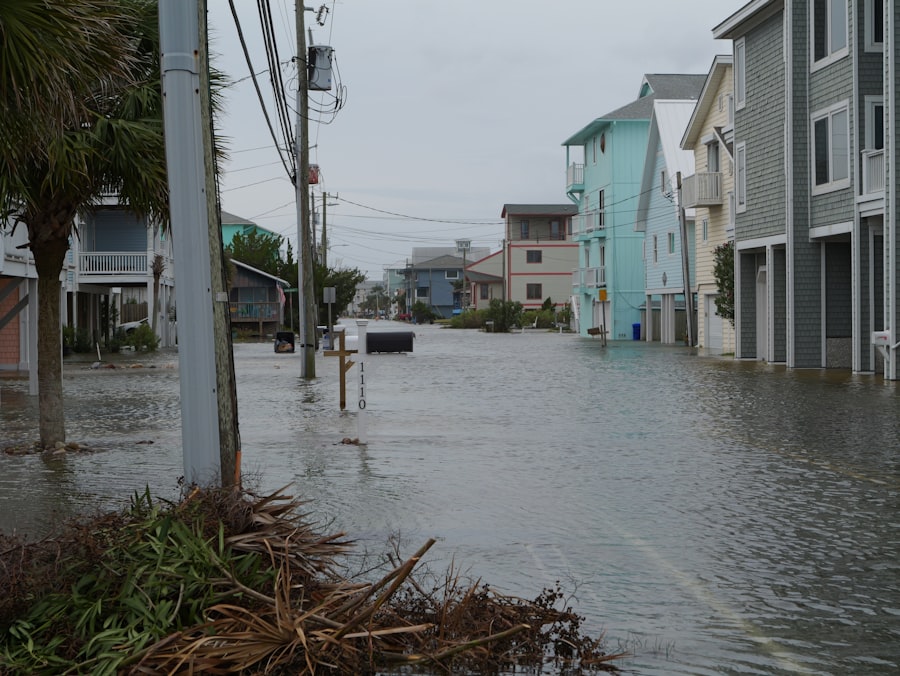
Identifying vulnerabilities within urban environments is a critical step in building resilience. Cities face a myriad of risks, including natural disasters such as floods and earthquakes, as well as socio-economic challenges like poverty and inequality. Conducting thorough assessments allows urban planners to pinpoint areas that are particularly susceptible to these threats.
For instance, neighborhoods with inadequate infrastructure may be more prone to flooding, while areas with limited access to healthcare may struggle during public health crises. In addition to physical vulnerabilities, social factors play a significant role in determining a city’s resilience. Marginalized communities often bear the brunt of disasters due to systemic inequalities that limit their access to resources and support.
By recognizing these social vulnerabilities, cities can develop targeted interventions that address the needs of the most at-risk populations. This comprehensive understanding of vulnerabilities is essential for creating effective resilience strategies that prioritize equity and inclusivity.
Strategies for Building Urban Resilience
Building urban resilience requires a multifaceted approach that encompasses various strategies tailored to the unique needs of each city. One effective strategy is the implementation of green infrastructure, which utilizes natural systems to manage stormwater, reduce heat, and enhance biodiversity. For example, creating green roofs, urban parks, and permeable pavements can help mitigate flooding while also providing recreational spaces for residents.
These initiatives not only improve environmental conditions but also foster community engagement and well-being. Another key strategy involves enhancing social cohesion within communities. Strong social networks can significantly bolster a city’s resilience by facilitating information sharing and resource mobilization during crises.
Initiatives such as community workshops, neighborhood associations, and local emergency response teams can empower residents to take an active role in resilience planning. By fostering connections among community members, cities can create a supportive environment that enhances collective preparedness and response capabilities.
The Role of Infrastructure in Resilience Planning
| Metric | Description | Typical Value/Range | Unit | Relevance to Urban Resilience Planning |
|---|---|---|---|---|
| Green Space Ratio | Percentage of urban area covered by parks, gardens, and natural vegetation | 10-30% | Percent (%) | Higher green space improves flood mitigation, air quality, and heat reduction |
| Emergency Response Time | Average time taken for emergency services to respond to incidents | 5-15 | Minutes | Critical for minimizing damage and casualties during disasters |
| Infrastructure Redundancy | Proportion of critical infrastructure with backup systems or alternative routes | 20-50% | Percent (%) | Ensures continuity of services during failures or disasters |
| Flood Risk Index | Assessment score of flood vulnerability based on geography and infrastructure | Low to High (1-10 scale) | Index | Helps prioritize areas for flood defenses and resilience measures |
| Community Engagement Level | Percentage of population involved in resilience planning and preparedness activities | 30-70% | Percent (%) | Higher engagement improves awareness and collective response capacity |
| Renewable Energy Usage | Share of energy consumption met by renewable sources | 15-50% | Percent (%) | Reduces dependency on vulnerable energy grids and lowers emissions |
| Building Code Compliance Rate | Percentage of buildings meeting updated resilience and safety standards | 70-95% | Percent (%) | Ensures structures withstand hazards like earthquakes, storms, and floods |
| Public Transportation Coverage | Percentage of urban population with access to reliable public transit | 60-90% | Percent (%) | Supports mobility during emergencies and reduces traffic congestion |
Infrastructure plays a pivotal role in urban resilience, serving as the backbone of essential services such as transportation, water supply, and energy distribution. Resilient infrastructure must be designed to withstand various hazards while remaining functional during and after disruptive events. For instance, retrofitting bridges and roads to endure extreme weather conditions can prevent catastrophic failures during storms or earthquakes.
Investing in resilient infrastructure not only protects physical assets but also safeguards the well-being of residents who rely on these services. Furthermore, integrating technology into infrastructure planning can enhance resilience efforts. Smart city technologies, such as real-time monitoring systems and data analytics, enable cities to respond swiftly to emerging threats.
For example, sensors can detect flooding in real-time, allowing for timely interventions that minimize damage. By leveraging technology, cities can create adaptive infrastructure that evolves alongside changing conditions, ultimately contributing to a more resilient urban environment.
Engaging the Community in Resilience Building
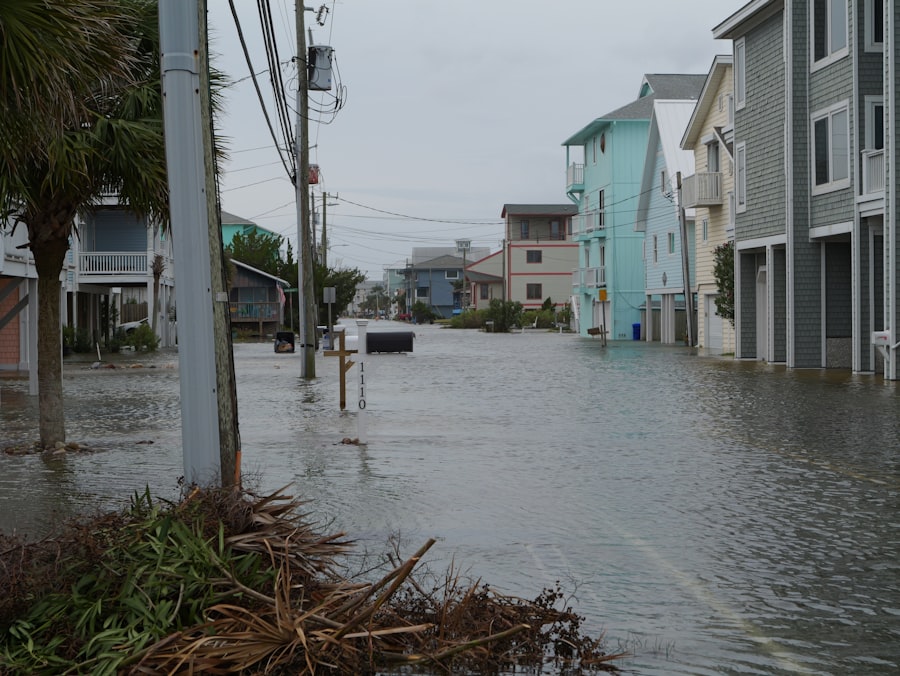
Community engagement is a cornerstone of effective urban resilience planning. Involving residents in the decision-making process fosters a sense of ownership and accountability for resilience initiatives.
This collaborative approach not only strengthens social ties but also ensures that solutions are tailored to the specific needs and preferences of the community. Various methods can be employed to engage the community effectively. Public forums, workshops, and surveys provide platforms for residents to voice their concerns and contribute ideas.
Additionally, involving local organizations and leaders can help bridge gaps between different segments of the population. By creating inclusive spaces for dialogue and collaboration, cities can harness the collective knowledge and experiences of their residents, ultimately leading to more robust and effective resilience strategies.
Integrating Climate Change Adaptation into Urban Planning
As climate change continues to pose significant challenges for urban areas, integrating adaptation strategies into urban planning has become increasingly essential. This involves assessing potential climate impacts—such as rising sea levels, increased temperatures, and more frequent extreme weather events—and developing plans to address these risks proactively. For instance, cities may implement zoning regulations that restrict development in flood-prone areas or invest in coastal defenses to protect against storm surges.
Moreover, climate change adaptation should be viewed as an opportunity for innovation rather than merely a response to threats. Cities can leverage this challenge to promote sustainable practices that enhance both resilience and quality of life. Initiatives such as promoting renewable energy sources, enhancing public transportation systems, and encouraging green building practices not only mitigate climate risks but also contribute to economic growth and environmental sustainability.
Collaborating with Government and Non-Governmental Organizations
Collaboration between government entities and non-governmental organizations (NGOs) is vital for effective urban resilience planning. Governments often possess the authority and resources necessary for large-scale initiatives, while NGOs bring valuable expertise and grassroots connections to the table. By working together, these entities can create comprehensive strategies that address both systemic issues and immediate needs within communities.
Partnerships with NGOs can also facilitate outreach efforts aimed at raising awareness about resilience initiatives among residents. NGOs often have established relationships with marginalized communities, making them well-positioned to engage those who may be disproportionately affected by disasters or climate change. Through collaborative efforts, cities can ensure that their resilience strategies are inclusive and equitable, ultimately leading to stronger outcomes for all residents.
Funding and Financing Resilience Projects
Securing funding for resilience projects is a critical challenge faced by many cities. Traditional funding sources may be insufficient to cover the costs associated with implementing comprehensive resilience strategies. Therefore, innovative financing mechanisms must be explored to support these initiatives effectively.
Public-private partnerships (PPPs) represent one potential solution, allowing cities to leverage private investment for public benefit. Additionally, cities can explore grant opportunities from federal agencies or international organizations focused on climate adaptation and disaster risk reduction. These funds can provide essential resources for implementing projects that enhance urban resilience.
Furthermore, establishing dedicated resilience funds within municipal budgets can ensure that resources are allocated specifically for this purpose over the long term.
Monitoring and Evaluating Resilience Initiatives
Monitoring and evaluating resilience initiatives is essential for understanding their effectiveness and making necessary adjustments over time. Establishing clear metrics allows cities to assess progress toward their resilience goals systematically. For instance, tracking improvements in emergency response times or reductions in vulnerability among at-risk populations can provide valuable insights into the impact of specific interventions.
Regular evaluations also foster accountability among stakeholders involved in resilience planning. By transparently sharing results with the community and other partners, cities can build trust and encourage ongoing engagement in resilience efforts. Moreover, lessons learned from evaluations can inform future planning processes, ensuring that cities continue to adapt their strategies based on evolving conditions and emerging challenges.
Case Studies in Successful Urban Resilience Planning
Examining case studies of successful urban resilience planning provides valuable insights into effective strategies and best practices. Cities like Rotterdam have implemented innovative approaches to flood management through extensive green infrastructure projects that integrate water management with urban design. By transforming public spaces into multifunctional areas that absorb excess rainwater while providing recreational opportunities, Rotterdam has enhanced its resilience while improving quality of life for residents.
Similarly, New York City’s post-Hurricane Sandy recovery efforts highlight the importance of community engagement in resilience planning. The city established participatory processes that allowed residents to voice their concerns and contribute ideas for rebuilding efforts. This inclusive approach not only fostered trust among stakeholders but also resulted in more effective solutions tailored to the unique needs of diverse neighborhoods.
Through these case studies, it becomes evident that successful urban resilience planning requires a combination of innovative strategies, community engagement, collaboration among stakeholders, and ongoing evaluation efforts. As cities continue to face unprecedented challenges in an ever-changing world, learning from these examples will be crucial in shaping resilient urban environments for future generations.
Urban resilience planning is crucial for cities to adapt to the challenges posed by climate change and other socio-economic factors. A related article that delves into effective strategies for enhancing urban resilience can be found at productivepatty.
com/sample-page/’>this link. This resource provides valuable insights into innovative approaches and best practices that urban planners can implement to create more sustainable and resilient urban environments.
FAQs
What is urban resilience planning?
Urban resilience planning refers to the process of designing and implementing strategies that enable cities to anticipate, prepare for, respond to, and recover from various shocks and stresses, such as natural disasters, climate change, economic disruptions, and social challenges.
Why is urban resilience planning important?
Urban resilience planning is important because it helps cities minimize the impact of disasters and disruptions, protect vulnerable populations, maintain essential services, and ensure sustainable development in the face of increasing environmental and social challenges.
What are the key components of urban resilience planning?
Key components include risk assessment, infrastructure strengthening, community engagement, emergency preparedness, sustainable land use, climate adaptation measures, and policies that promote social equity and economic stability.
Who is involved in urban resilience planning?
Urban resilience planning typically involves local governments, urban planners, emergency management agencies, community organizations, businesses, scientists, and residents working collaboratively to develop and implement resilience strategies.
How does urban resilience planning address climate change?
Urban resilience planning incorporates climate adaptation strategies such as improving green infrastructure, enhancing flood defenses, promoting energy efficiency, and developing early warning systems to reduce vulnerability to climate-related hazards.
What are some examples of urban resilience strategies?
Examples include creating green spaces to manage stormwater, retrofitting buildings to withstand earthquakes, developing emergency response plans, diversifying local economies, and fostering social networks to support vulnerable populations during crises.
How can communities participate in urban resilience planning?
Communities can participate by engaging in public consultations, contributing local knowledge, volunteering in preparedness activities, supporting neighborhood resilience initiatives, and collaborating with local authorities to identify and address specific risks.
What challenges are associated with urban resilience planning?
Challenges include limited funding, coordination among multiple stakeholders, data gaps, balancing short-term needs with long-term goals, addressing social inequalities, and adapting to rapidly changing environmental conditions.
How is the success of urban resilience planning measured?
Success is measured through indicators such as reduced disaster impacts, faster recovery times, improved infrastructure robustness, increased community awareness and preparedness, and enhanced social and economic stability.
Where can I find resources to learn more about urban resilience planning?
Resources are available from organizations like the United Nations, World Bank, local government agencies, academic institutions, and specialized networks focused on urban development and disaster risk reduction.