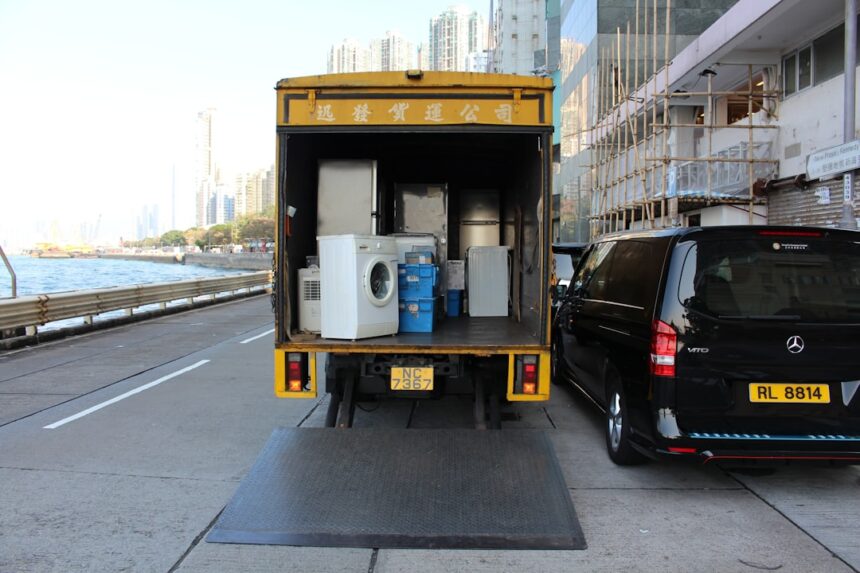
Climate relocation is the planned movement of individuals or communities from areas rendered uninhabitable by climate change impacts. This process has become increasingly relevant as environmental changes such as sea level rise, intensified extreme weather events, and extended drought periods compromise the habitability of certain geographic regions. Scientific projections indicate that climate-related displacement will affect millions of people globally, necessitating systematic approaches to population relocation.
The implementation of climate relocation involves complex considerations beyond physical movement. Affected populations face disruption of established social structures, economic systems, and cultural practices. Research indicates that displacement from ancestral territories can result in loss of traditional knowledge, weakening of community bonds, and disconnection from culturally significant landscapes.
These factors contribute to what researchers term “solastalgia” – the distress caused by environmental change in one’s home environment. Climate relocation planning must address multiple dimensions of human displacement. Economic factors include loss of livelihoods, property values, and local economic networks.
Social considerations encompass the preservation of community structures, educational continuity, and healthcare access. Psychological impacts may include grief associated with place attachment, anxiety about future security, and challenges in establishing new social connections. Successful relocation strategies require comprehensive assessment of these interconnected factors to minimize adverse outcomes for displaced populations.
Key Takeaways
- Climate relocation addresses community displacement caused by climate change impacts like flooding and storms.
- Buyout programs offer a voluntary way for homeowners to sell vulnerable properties to reduce risk and aid relocation.
- These programs benefit individuals by providing financial support and safer living conditions.
- Communities gain resilience and reduced disaster recovery costs through coordinated buyouts.
- Successful implementation requires government and NGO collaboration, equity considerations, and addressing logistical challenges.
The Impact of Climate Change on Communities
The effects of climate change are felt acutely in many communities around the world, particularly those situated in vulnerable geographic locations. Coastal towns face the threat of rising sea levels, which can lead to flooding and erosion, while inland areas may grapple with increased temperatures and drought conditions that compromise water supplies and agricultural productivity. These environmental changes can disrupt local economies, displace populations, and exacerbate existing social inequalities.
As communities struggle to adapt to these challenges, the need for effective strategies to address climate-induced displacement becomes increasingly urgent. Moreover, the impact of climate change extends beyond physical alterations to the environment; it also affects social cohesion and community resilience. As resources become scarcer and competition for them intensifies, tensions may rise within communities.
Vulnerable populations, including low-income families and marginalized groups, often bear the brunt of these changes, facing heightened risks of displacement and economic instability.
The Need for Buyout Programs

Buyout programs have emerged as a potential solution for communities facing the dire consequences of climate change. These programs offer financial incentives for residents to sell their properties and relocate to safer areas, thereby reducing the risks associated with living in high-hazard zones. The rationale behind buyout programs is straightforward: by facilitating voluntary relocation, communities can mitigate future disaster risks while providing individuals with the means to rebuild their lives elsewhere.
As climate-related disasters become more frequent and severe, the need for such programs has never been more apparent. The implementation of buyout programs can also serve as a proactive measure in urban planning and disaster management. By identifying at-risk areas and offering buyouts before disasters strike, governments can reduce the financial burden associated with emergency response and recovery efforts.
This forward-thinking approach not only protects lives but also preserves public resources by minimizing the need for costly repairs and rebuilding efforts in hazardous zones. As communities grapple with the realities of climate change, buyout programs represent a pragmatic response to an increasingly complex challenge.
How Buyout Programs Work
Buyout programs typically involve a structured process through which eligible homeowners can voluntarily sell their properties to local or state governments at fair market value. The process begins with assessments to identify areas at high risk for climate-related hazards, such as flooding or wildfires. Once these areas are designated, outreach efforts are made to inform residents about the buyout options available to them.
This outreach is crucial, as it ensures that affected individuals understand the benefits and implications of participating in such programs. Once residents express interest in participating, appraisals are conducted to determine property values. The government then offers compensation based on these appraisals, allowing homeowners to make informed decisions about their futures.
In many cases, buyout programs also provide additional support services, such as assistance with finding new housing or financial counseling. This comprehensive approach helps ensure that individuals are not only compensated for their losses but also equipped with the resources needed to successfully transition to new living situations.
The Benefits of Buyout Programs for Individuals
| Program Name | Location | Year Initiated | Number of Participants | Average Buyout Amount | Primary Climate Risk Addressed | Relocation Success Rate (%) |
|---|---|---|---|---|---|---|
| Louisiana Coastal Buyout Program | Louisiana, USA | 2010 | 1,200 | 75,000 | Flooding and Coastal Erosion | 85 |
| New York City Flood Buyout Initiative | New York, USA | 2015 | 350 | 90,000 | Flooding | 78 |
| North Carolina Hurricane Buyout Program | North Carolina, USA | 2012 | 500 | 65,000 | Hurricane Damage | 80 |
| Alaska Climate Relocation Assistance | Alaska, USA | 2018 | 150 | 100,000 | Permafrost Thaw and Erosion | 70 |
| California Wildfire Buyout Program | California, USA | 2016 | 400 | 85,000 | Wildfire Risk | 75 |
For individuals facing the threat of climate-related displacement, buyout programs can offer a lifeline. By providing financial compensation for their properties, these programs enable residents to secure new housing in safer areas without incurring significant debt or financial hardship. This financial support can be particularly beneficial for low-income families who may lack the resources to relocate independently.
Additionally, buyout programs often come with support services that help individuals navigate the complexities of moving, making the transition smoother and less stressful. Beyond financial assistance, buyout programs can also provide individuals with a sense of agency in an otherwise overwhelming situation. By allowing residents to make choices about their futures rather than being forced out by disaster or environmental degradation, these programs empower individuals to take control of their circumstances.
This sense of agency can be crucial for mental well-being during times of upheaval, as it fosters resilience and encourages individuals to envision new possibilities for their lives.
The Benefits of Buyout Programs for Communities

The advantages of buyout programs extend beyond individual participants; they also contribute significantly to community resilience and sustainability. By reducing the number of residents living in high-risk areas, buyout programs can help mitigate future disaster impacts on communities as a whole. Fewer people in harm’s way means less strain on emergency services during disasters and a reduced need for costly recovery efforts afterward.
This proactive approach not only saves lives but also conserves public resources that can be redirected toward other community needs. Moreover, buyout programs can facilitate long-term planning and development in affected areas. As communities transition away from high-risk zones, local governments have the opportunity to repurpose these lands for more sustainable uses, such as parks or green spaces that enhance community well-being.
This transformation can foster a renewed sense of community identity and purpose while promoting environmental stewardship. In this way, buyout programs can serve as catalysts for positive change within communities grappling with the realities of climate change.
Challenges and Considerations for Implementing Buyout Programs
Despite their potential benefits, implementing buyout programs is not without challenges. One significant hurdle is securing adequate funding to support these initiatives. Governments often face budget constraints that limit their ability to offer competitive buyouts or provide necessary support services.
Additionally, navigating the complexities of property rights and ensuring fair compensation can be contentious issues that require careful consideration and transparent processes. Another challenge lies in addressing community concerns about displacement and loss of social networks. While buyout programs aim to provide individuals with options for safer living conditions, they can also evoke fears about losing connections with neighbors and community ties.
To mitigate these concerns, it is essential for program administrators to engage with residents throughout the process, fostering open communication and addressing any apprehensions that may arise.
Success Stories of Buyout Programs
Several successful buyout programs have emerged as models for addressing climate-induced displacement. One notable example is the New York City Buyout Program initiated after Hurricane Sandy in 2012. This program offered homeowners in flood-prone areas financial incentives to relocate, resulting in over 400 properties being purchased and demolished to create open space that could absorb future storm surges.
The program not only provided residents with new opportunities but also enhanced community resilience by reducing vulnerability to future flooding. Another success story comes from New Orleans following Hurricane Katrina in 2005. The city implemented a buyout program that allowed residents in high-risk neighborhoods to sell their homes at pre-storm values.
This initiative not only facilitated individual relocations but also contributed to long-term urban planning efforts aimed at rebuilding a more resilient city. By transforming vulnerable areas into green spaces or mixed-use developments, New Orleans has taken significant strides toward creating a safer environment for its residents.
The Role of Government and NGOs in Supporting Buyout Programs
The successful implementation of buyout programs often relies on collaboration between government agencies and non-governmental organizations (NGOs). Local governments play a crucial role in designing and funding these initiatives while ensuring compliance with regulations and community needs. However, NGOs can provide valuable expertise in outreach efforts, helping to engage affected populations and facilitate communication between residents and government officials.
Additionally, NGOs often bring resources and knowledge that enhance the effectiveness of buyout programs. They can offer technical assistance in property assessments or provide support services such as counseling and relocation assistance. By working together, government agencies and NGOs can create comprehensive buyout programs that address both immediate needs and long-term community goals.
Ensuring Equity and Fairness in Buyout Programs
Equity is a critical consideration in the design and implementation of buyout programs.
To achieve this goal, program administrators must prioritize transparency in decision-making processes and actively engage with diverse community stakeholders.
Furthermore, addressing historical injustices related to land ownership and displacement is vital for fostering trust among affected populations. By acknowledging past grievances and incorporating community input into program design, governments can work toward creating more equitable solutions that benefit all residents rather than perpetuating existing inequalities.
The Future of Climate Relocation and Buyout Programs
As climate change continues to pose significant challenges for communities worldwide, the future of climate relocation and buyout programs will likely evolve in response to emerging needs and circumstances. Policymakers will need to adopt innovative approaches that integrate climate adaptation strategies into urban planning while prioritizing community engagement throughout the process. Moreover, as awareness of climate-related risks grows, there may be increased demand for buyout programs as proactive measures rather than reactive responses after disasters occur.
This shift could lead to more comprehensive planning efforts aimed at identifying vulnerable areas before crises arise, ultimately fostering greater resilience within communities facing the realities of climate change. In conclusion, climate relocation through buyout programs represents a vital strategy for addressing the impacts of climate change on vulnerable communities. By understanding the complexities involved in these processes—ranging from individual benefits to broader community implications—stakeholders can work together toward creating equitable solutions that prioritize safety, resilience, and sustainability in an uncertain future.
For those interested in understanding the implications of buyout programs for climate relocation, a related article can be found on Productive Patty’s website. This article delves into the challenges and opportunities presented by such programs, offering insights into how communities can adapt to climate change. You can read more about it by visiting this link.
FAQs
What are buyout programs in the context of climate relocation?
Buyout programs are government or community-initiated efforts that purchase properties from residents in areas vulnerable to climate-related hazards, such as flooding or sea-level rise, to facilitate relocation to safer locations.
Why are buyout programs used for climate relocation?
They are used to reduce risk to life and property by moving residents out of high-risk areas, thereby preventing future damage and lowering disaster recovery costs.
Who typically funds buyout programs for climate relocation?
Funding often comes from federal agencies like FEMA, state governments, local municipalities, and sometimes non-profit organizations or private grants.
How do buyout programs work?
Eligible homeowners are offered a financial payment, usually based on the pre-disaster market value of their property, in exchange for selling their home and agreeing not to rebuild in the hazardous area.
Are buyout programs voluntary?
Yes, participation in buyout programs is generally voluntary, and homeowners can choose whether or not to accept the offer.
What types of properties are eligible for buyout programs?
Typically, residential properties located in floodplains, coastal zones, or other areas identified as high-risk for climate-related hazards are eligible.
What happens to the land after a buyout?
The acquired land is usually converted into open space, parks, wetlands, or other uses that reduce future risk and prevent redevelopment in hazardous areas.
Can buyout programs address social and economic challenges?
While buyouts reduce physical risk, they can also raise concerns about displacement, community cohesion, and affordability, which some programs attempt to address through additional support services.
How long does the buyout process typically take?
The process can vary widely but often takes several months to over a year, depending on funding availability, property assessments, and negotiations.
Are buyout programs effective in mitigating climate risks?
Buyouts have been shown to reduce future disaster losses and improve community resilience when implemented thoughtfully and with adequate support for relocated residents.