
In today’s interconnected world, inclusive language plays a vital role in effective communication. The terminology you use when addressing diverse audiences can either promote understanding or establish obstacles. Inclusive language functions as a connector that brings together people from different backgrounds, helping ensure that all individuals feel acknowledged and respected.
Adopting inclusive language improves your communication effectiveness and supports the development of a more equitable society. This approach is particularly important in global communication contexts, where cultural differences and sensitivities significantly influence how messages are interpreted. Additionally, inclusive language demonstrates a commitment to valuing diversity and treating all people with respect, regardless of race, gender, sexual orientation, or ability status.
When you employ language that recognizes and values differences, you establish an environment where all individuals can engage fully. This is especially significant in professional environments, where successful collaboration and teamwork depend on mutual respect and clear understanding. By emphasizing inclusive language, you establish a communication standard that promotes honest exchange of ideas and creates a sense of inclusion for everyone involved.
You can learn more about the hidden shame cycle in this informative video.
Key Takeaways
- Inclusive language is essential for effective global communication and fostering diversity.
- It helps bridge cultural and linguistic barriers, promoting equality and respect.
- Practical strategies can improve the use of inclusive language in both written and spoken forms.
- Inclusive language plays a critical role in marketing, advertising, and social justice efforts.
- Ongoing learning and adaptation are key to evolving inclusive language in diverse global contexts.
Understanding the Impact of Language on Diversity and Inclusion
Language is a powerful tool that shapes our perceptions and interactions. As you navigate conversations about diversity and inclusion, it’s essential to recognize how language influences attitudes and behaviors. The words you choose can either reinforce stereotypes or challenge them, impacting how individuals perceive themselves and others.
For instance, using gender-neutral terms can help dismantle traditional gender roles and promote equality. By being mindful of your language, you can contribute to a culture that values diversity and encourages inclusivity. Furthermore, the impact of language extends beyond individual interactions; it influences societal norms and expectations.
When you adopt inclusive language, you help shift the narrative towards one that celebrates differences rather than marginalizes them. This shift is crucial in creating environments where everyone feels empowered to express their identities without fear of judgment or exclusion. By understanding the profound impact of language on diversity and inclusion, you can become an advocate for change in your community and beyond.
How Inclusive Language Can Bridge Cultural and Linguistic Barriers
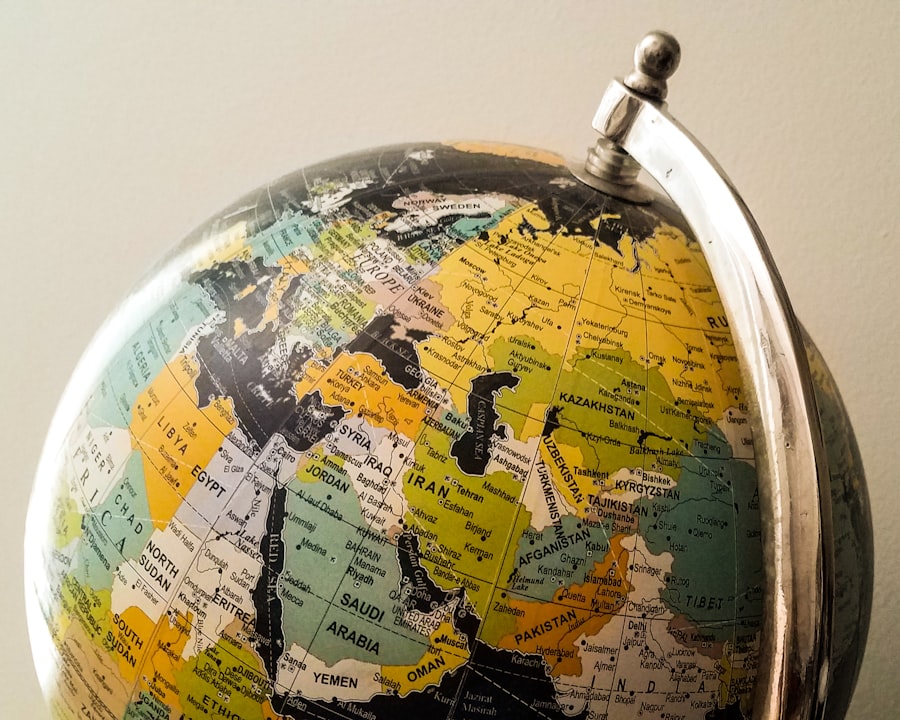
In a globalized world, cultural and linguistic barriers often hinder effective communication. However, inclusive language has the potential to bridge these gaps by fostering understanding and respect among diverse groups. When you use language that is considerate of different cultural contexts, you demonstrate an awareness of the complexities involved in communication.
This approach not only enhances clarity but also builds trust among individuals from various backgrounds. Additionally, inclusive language can help mitigate misunderstandings that arise from cultural differences.
By opting for clear and inclusive terminology, you reduce the risk of misinterpretation and create a more welcoming environment for dialogue. This practice encourages individuals to share their perspectives openly, leading to richer conversations and deeper connections.
The Role of Inclusive Language in Promoting Equality and Respect
Inclusive language plays a pivotal role in promoting equality and respect within society. When you consciously choose words that reflect inclusivity, you challenge discriminatory practices and attitudes that have persisted for generations. This commitment to equality is not just about avoiding offensive terms; it’s about actively seeking out language that uplifts marginalized voices and acknowledges their experiences.
By doing so, you contribute to a culture that values every individual’s worth. Moreover, the use of inclusive language fosters an atmosphere of respect where everyone feels heard and validated. In professional settings, this can lead to increased collaboration and innovation as diverse perspectives are welcomed and appreciated.
When individuals feel respected through the language used around them, they are more likely to engage fully in discussions and contribute their unique insights. Thus, inclusive language becomes a catalyst for positive change, driving progress toward a more equitable society.
Practical Tips for Using Inclusive Language in Written and Spoken Communication
| Metric | Description | Impact of Using Harsh Global Language | Benefit of Avoiding Harsh Global Language |
|---|---|---|---|
| Communication Clarity | How clearly the message is understood by diverse audiences | Decreases clarity due to misunderstandings and offense | Improves clarity and reduces misinterpretations |
| Audience Engagement | Level of positive interaction and feedback from audience | Lower engagement due to alienation or discomfort | Higher engagement through inclusive and respectful language |
| Conflict Incidence | Number of conflicts or disputes triggered by language use | Increased conflicts and negative reactions | Reduced conflicts and smoother communication |
| Brand Reputation | Public perception of an organization or individual | Damage to reputation from perceived insensitivity | Enhanced reputation for professionalism and respect |
| Inclusivity | Degree to which language includes diverse groups | Excludes or marginalizes certain groups | Fosters inclusivity and diversity appreciation |
To effectively incorporate inclusive language into your communication, consider adopting several practical strategies. First, familiarize yourself with gender-neutral terms and phrases that can replace gender-specific language. For instance, using “they” as a singular pronoun can help avoid assumptions about gender identity.
Additionally, be mindful of the descriptors you use when referring to individuals or groups; opt for terms that reflect their preferences and identities. Another useful tip is to actively listen to how others describe themselves and mirror that language in your communication. This practice not only shows respect but also helps you learn about the diverse identities within your audience.
Furthermore, when writing or speaking about sensitive topics, strive for clarity and precision to avoid ambiguity or offense. By implementing these strategies, you can enhance your communication skills while promoting inclusivity in every interaction.
Overcoming Challenges in Implementing Inclusive Language in Global Settings
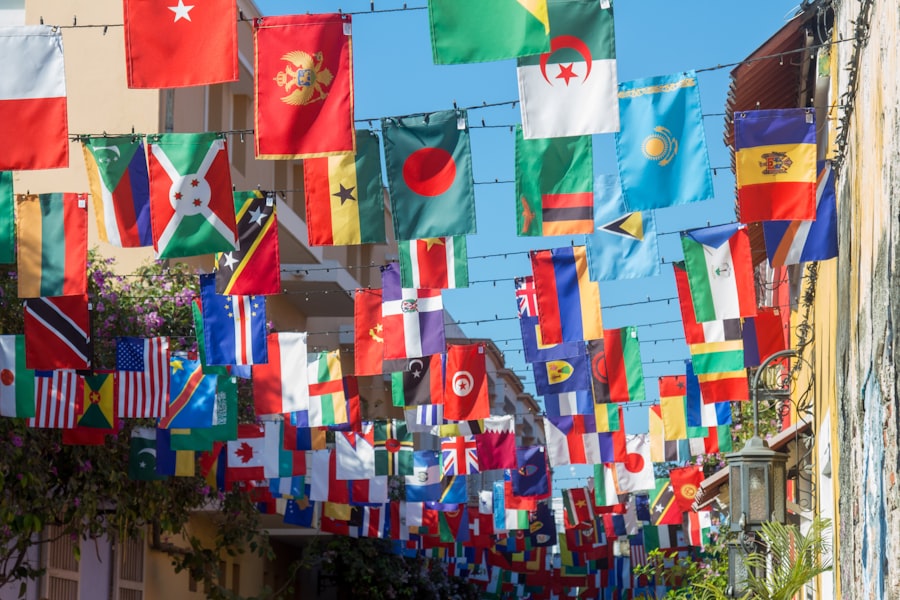
While the benefits of inclusive language are clear, implementing it in global settings can present challenges. One significant hurdle is the varying cultural norms surrounding language use. What may be considered inclusive in one culture could be viewed differently in another.
As you navigate these complexities, it’s essential to approach conversations with an open mind and a willingness to learn from others’ perspectives. Additionally, resistance to change can be a barrier when advocating for inclusive language practices. Some individuals may feel uncomfortable or defensive when confronted with the need for linguistic adjustments.
To overcome this challenge, focus on fostering dialogue rather than confrontation. Encourage discussions about the importance of inclusive language and its impact on creating a more equitable environment. By promoting understanding and empathy, you can help others recognize the value of adopting inclusive practices.
The Significance of Inclusive Language in Marketing and Advertising
In the realm of marketing and advertising, inclusive language holds immense significance. As businesses strive to connect with diverse audiences, the words they choose can either attract or alienate potential customers. By using inclusive language in your marketing efforts, you demonstrate a commitment to diversity and inclusivity that resonates with consumers.
This approach not only enhances brand reputation but also fosters customer loyalty among individuals who value social responsibility. Moreover, inclusive marketing campaigns have the power to challenge stereotypes and promote positive representations of marginalized communities. When brands use language that reflects the diversity of their audience, they contribute to a culture that celebrates differences rather than perpetuating harmful narratives.
As you craft marketing messages, consider how your language choices can empower individuals and create a sense of belonging within your target audience.
Examples of Inclusive Language in Different Cultural Contexts
Inclusive language manifests differently across various cultural contexts, reflecting the unique values and norms of each society. For instance, in some cultures, collective terms may be preferred over individualistic ones to emphasize community over individuality. Understanding these nuances is crucial as you engage with diverse audiences around the globe.
By adapting your language to align with cultural preferences, you demonstrate respect for local customs while fostering meaningful connections. Additionally, examples of inclusive language can be found in various forms of media worldwide. From literature to film, creators are increasingly using language that reflects diverse identities and experiences.
By highlighting these examples in your communication efforts, you can inspire others to embrace inclusive practices while showcasing the richness of global cultures.
The Intersection of Inclusive Language and Social Justice Movements
Inclusive language is deeply intertwined with social justice movements that advocate for equality and representation across various spheres of society. As you engage with these movements, it’s essential to recognize how language shapes narratives around social issues. The words used in activism can either amplify marginalized voices or perpetuate existing inequalities; therefore, choosing inclusive language becomes a powerful act of solidarity.
Furthermore, social justice movements often rely on inclusive language to foster unity among diverse groups advocating for change.
As you participate in these movements or support them through your communication efforts, remember the importance of using language that uplifts all voices involved.
The Evolution of Inclusive Language and Its Future in Global Communication
The evolution of inclusive language reflects broader societal changes regarding diversity and representation. As awareness around issues of inequality has grown, so too has the recognition of the importance of using language that reflects this awareness. You may have noticed shifts in terminology over time as communities advocate for more accurate representations of their identities.
This evolution signifies progress toward greater inclusivity in communication practices. Looking ahead, the future of inclusive language will likely continue to evolve alongside societal changes. As new generations emerge with different perspectives on identity and representation, it’s essential to remain adaptable in your communication practices.
Embracing this evolution will not only enhance your effectiveness as a communicator but also contribute to a more equitable global society.
Resources for Learning and Practicing Inclusive Language in a Global Context
To further develop your understanding of inclusive language, numerous resources are available for learning and practice. Online courses focused on diversity and inclusion can provide valuable insights into effective communication strategies across cultures. Additionally, books written by experts in linguistics and social justice offer comprehensive perspectives on the importance of inclusive language.
Engaging with communities dedicated to promoting inclusivity can also enhance your learning experience. Participating in workshops or discussions centered around inclusive practices allows you to share experiences while gaining new insights from others’ perspectives. By actively seeking out these resources, you can refine your communication skills while contributing positively to global conversations about diversity and inclusion.
In conclusion, embracing inclusive language is not merely a trend; it is an essential practice for effective global communication. By understanding its importance and impact on diversity and inclusion, you can bridge cultural barriers while promoting equality and respect in every interaction. Through practical tips and resources available for learning about inclusive practices, you have the tools necessary to make meaningful contributions toward a more equitable society.
In today’s increasingly interconnected world, the importance of using considerate and inclusive language cannot be overstated. A related article that delves into the significance of avoiding harsh global language is available at this link. It provides valuable insights on how our word choices can impact communication and foster a more positive environment.
WATCH THIS! 🧠 The Hidden Shame Cycle That Kills Your Motivation 🛑 (And The 60-Second Fix ⏱️)
FAQs
What does “harsh global language” mean?
Harsh global language refers to broad, absolute, or extreme terms used to describe situations, people, or events without nuance or consideration of complexity. Examples include words like “always,” “never,” “everyone,” or “nobody.”
Why is it important to stop using harsh global language?
Using harsh global language can lead to misunderstandings, miscommunication, and unfair generalizations. It often oversimplifies complex issues and can alienate or offend others by ignoring individual differences and exceptions.
How can harsh global language affect communication?
Harsh global language can create defensiveness, reduce openness, and hinder productive dialogue. It may cause people to feel unfairly judged or stereotyped, which can damage relationships and impede problem-solving.
What are some alternatives to using harsh global language?
Alternatives include using more precise, balanced, and qualified language. Instead of saying “everyone,” specify the group you mean. Use words like “often,” “sometimes,” or “many” to indicate frequency or extent without overgeneralizing.
Can stopping the use of harsh global language improve personal relationships?
Yes, avoiding harsh global language can foster better understanding, empathy, and respect in personal relationships by promoting clearer and more considerate communication.
Is harsh global language common in everyday conversations?
Yes, harsh global language is common because it is often used for emphasis or simplicity. However, being aware of its impact can help individuals communicate more effectively and thoughtfully.
Does harsh global language have an impact in professional settings?
Yes, in professional settings, harsh global language can lead to misinterpretations, reduce collaboration, and create a negative work environment. Using precise and respectful language is important for effective teamwork and leadership.
How can one become more aware of using harsh global language?
Becoming more aware involves active listening, reflecting on your own speech patterns, and practicing mindful communication. Seeking feedback from others and reading about effective communication techniques can also help.