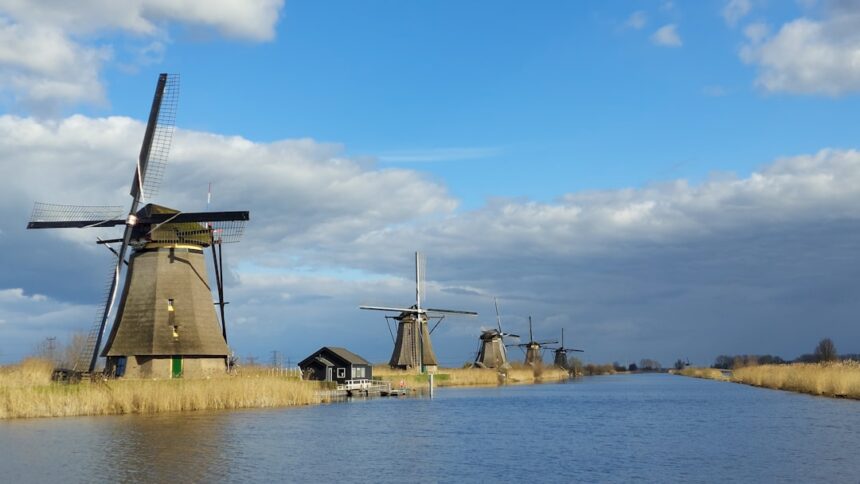
The Netherlands, a nation renowned for its picturesque landscapes and intricate waterways, faces a unique challenge due to its geographical positioning. Approximately one-third of the country lies below sea level, making it particularly vulnerable to flooding and the relentless forces of nature. As a result, coastal defense has become a cornerstone of Dutch infrastructure and national policy.
This article delves into the historical evolution, current strategies, and future challenges of coastal defense in the Netherlands, highlighting the innovative approaches that have emerged from centuries of experience. The significance of coastal defense in the Netherlands extends beyond mere protection; it embodies a cultural identity shaped by the struggle against water.
The Dutch have long been pioneers in hydraulic engineering, and their expertise has garnered international attention. As climate change intensifies and sea levels rise, the need for effective coastal defense becomes increasingly urgent. This article will explore the multifaceted aspects of coastal defense in the Netherlands, examining historical developments, current strategies, and future innovations that will shape the nation’s response to environmental challenges.
Key Takeaways
- The Netherlands has a long history of innovative coastal defense, primarily using dikes and sand dunes.
- Current strategies combine traditional infrastructure with modern technology to protect against rising sea levels.
- Coastal defense varies regionally, adapting to urban and rural needs and geographic differences.
- Climate change poses significant challenges, prompting international collaboration and new innovations.
- Lessons from the Netherlands highlight the importance of adaptive, multi-layered approaches to coastal protection.
History of Coastal Defense in the Netherlands
The history of coastal defense in the Netherlands is a tale of resilience and ingenuity. The earliest forms of flood protection can be traced back to the Middle Ages when communities began constructing rudimentary dikes to shield their lands from storm surges and high tides. These early efforts laid the groundwork for more sophisticated systems that would evolve over the centuries.
By the 17th century, during the Dutch Golden Age, significant advancements were made in hydraulic engineering, leading to the construction of extensive dike systems that transformed the landscape and allowed for agricultural expansion. The catastrophic North Sea Flood of 1953 marked a pivotal moment in Dutch coastal defense history. This disaster claimed over 1,800 lives and inundated vast areas of land, prompting a national reckoning regarding flood protection.
In response, the Dutch government initiated the Delta Works project, an ambitious engineering endeavor designed to fortify the coastline and prevent future disasters. This project not only showcased cutting-edge technology but also symbolized a collective commitment to safeguarding the nation from water-related threats. The Delta Works remains one of the most significant achievements in coastal engineering worldwide, illustrating how historical events can catalyze transformative change.
Current Coastal Defense Strategies in the Netherlands
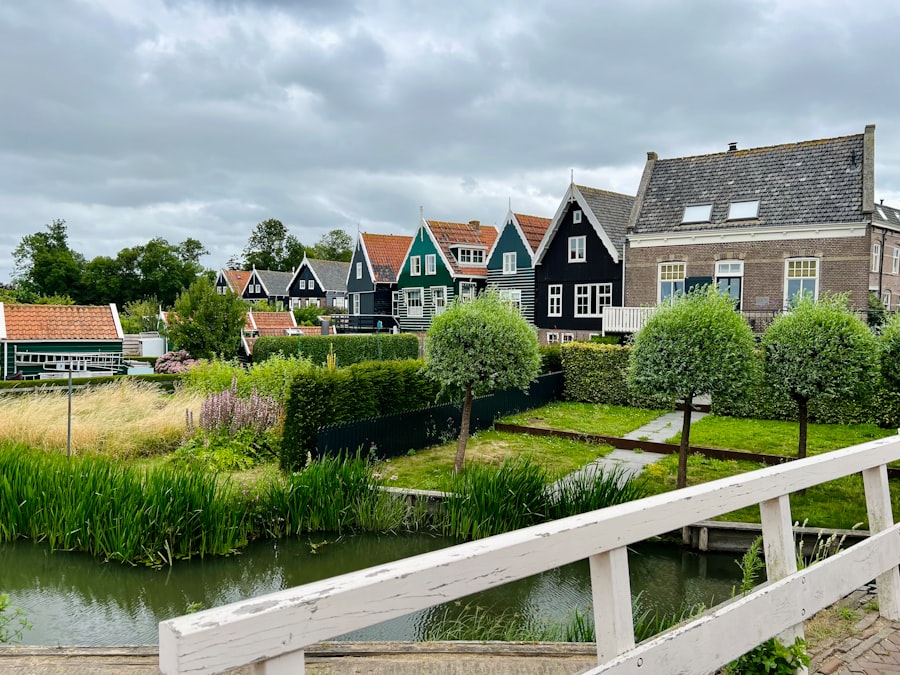
Today, the Netherlands employs a multifaceted approach to coastal defense that combines traditional methods with innovative technologies. The country’s coastal defense strategy is anchored in a comprehensive understanding of hydrology, geography, and climate science. Central to this strategy is the use of dikes, which serve as barriers against storm surges and high tides.
These structures are meticulously designed and regularly maintained to ensure their effectiveness in protecting vulnerable areas. In addition to dikes, the Netherlands has embraced nature-based solutions as part of its coastal defense strategy. The restoration and enhancement of natural ecosystems, such as wetlands and sand dunes, play a crucial role in mitigating flooding risks.
These natural barriers not only absorb excess water but also provide habitats for diverse wildlife. By integrating ecological considerations into coastal defense planning, the Netherlands aims to create resilient landscapes that can adapt to changing environmental conditions while preserving biodiversity.
Comparison of Coastal Defense Infrastructure in Different Regions of the Netherlands
The coastal defense infrastructure in the Netherlands varies significantly across different regions, reflecting local geographical features and historical contexts. In the western provinces, where urban centers like Rotterdam and The Hague are located, extensive dike systems and advanced flood barriers are prevalent. These areas face higher population densities and economic activities, necessitating robust protection measures to safeguard both lives and livelihoods.
Conversely, in more rural regions such as Zeeland and Friesland, coastal defense strategies may rely more heavily on natural features like sand dunes and marshlands. These areas often prioritize ecological restoration alongside traditional engineering solutions. The differences in infrastructure highlight how regional characteristics influence coastal defense planning and implementation.
While urban areas may focus on technological advancements, rural regions often emphasize sustainable practices that harmonize with local ecosystems.
Role of Dikes in Coastal Defense
| Coastal Defense Feature | Netherlands | Comparison Country: United States | Comparison Country: Japan |
|---|---|---|---|
| Length of Coastline Protected (km) | 3500 | 19,924 | 29,751 |
| Percentage of Land Below Sea Level | 26% | Less than 1% | Less than 1% |
| Main Coastal Defense Structures | Sea dikes, storm surge barriers, dunes | Seawalls, levees, dunes | Seawalls, tsunami barriers, breakwaters |
| Notable Defense Project | Delta Works | Hurricane Barrier (New Bedford) | Great East Japan Earthquake Tsunami Barriers |
| Annual Maintenance Cost (approx.) | €1 billion | €0.5 billion | €0.7 billion |
| Flood Risk Reduction Level | Protection against 1 in 10,000 year flood | Protection against 1 in 100 year flood | Protection against 1 in 1,000 year tsunami |
| Use of Innovative Technology | Automated storm surge barriers, real-time monitoring | Satellite monitoring, flood forecasting | Early warning systems, tsunami detection buoys |
Dikes are perhaps the most iconic symbols of Dutch coastal defense, representing centuries of engineering prowess and community effort. These earthen structures serve as formidable barriers against rising waters, protecting agricultural land and urban settlements alike. The design and construction of dikes have evolved significantly over time, incorporating advanced materials and engineering techniques to enhance their resilience against extreme weather events.
The maintenance of dikes is equally critical to their effectiveness. Regular inspections and upgrades ensure that these structures can withstand the increasing pressures posed by climate change and rising sea levels. The Dutch government invests heavily in monitoring systems that provide real-time data on dike integrity, allowing for timely interventions when necessary.
This proactive approach underscores the importance of dikes not only as physical barriers but also as integral components of a comprehensive coastal defense strategy.
Importance of Sand Dunes in Coastal Defense
Sand dunes play a vital role in the coastal defense landscape of the Netherlands, serving as natural buffers against storm surges and erosion. These dynamic formations are shaped by wind and wave action, creating a protective barrier that absorbs energy from incoming tides. The presence of healthy sand dunes can significantly reduce the impact of flooding on inland areas, making them an essential element of coastal resilience.
In recent years, there has been a concerted effort to restore and enhance sand dune ecosystems along the Dutch coastline. This involves not only planting vegetation to stabilize dunes but also implementing sustainable land-use practices that promote natural processes. By prioritizing the health of sand dunes, the Netherlands aims to create a more resilient coastline that can adapt to changing environmental conditions while providing recreational opportunities for residents and visitors alike.
The disparity between urban and rural coastal defense measures in the Netherlands is striking. In urban areas like Amsterdam and Rotterdam, where population density is high and economic activities are concentrated, coastal defense strategies often prioritize technological solutions such as flood barriers and advanced drainage systems. These measures are designed to protect critical infrastructure and ensure public safety in densely populated regions.
In contrast, rural areas tend to adopt a more holistic approach that integrates natural features into their coastal defense strategies. Here, communities may rely on restoring wetlands or enhancing sand dunes as part of their flood management efforts. This approach not only provides protection but also fosters biodiversity and enhances local ecosystems.
The differences between urban and rural strategies highlight the need for tailored solutions that consider local contexts while addressing broader climate challenges.
Impact of Climate Change on Coastal Defense in the Netherlands
Climate change poses significant challenges to coastal defense efforts in the Netherlands, with rising sea levels and increased frequency of extreme weather events threatening existing infrastructure. As temperatures rise globally, glaciers melt, contributing to higher ocean levels that put low-lying areas at risk. The Dutch government recognizes these threats and has initiated comprehensive studies to assess vulnerabilities across various regions.
In response to these challenges, there is an ongoing push for innovation in coastal defense strategies. This includes exploring new materials for dike construction that can withstand harsher conditions as well as investing in research on adaptive management practices that allow for flexibility in response to changing environmental conditions. The impact of climate change necessitates a proactive approach that not only addresses immediate threats but also anticipates future challenges.
Collaboration with Other Countries in Coastal Defense Efforts
The Netherlands has long been recognized as a leader in coastal defense engineering, attracting interest from countries facing similar challenges around the world. Collaborative efforts with other nations have become increasingly important as global climate change exacerbates flooding risks across various regions. The Dutch government actively engages in knowledge-sharing initiatives, providing expertise on flood management strategies and innovative engineering solutions.
International partnerships have led to joint projects aimed at enhancing coastal resilience globally. For instance, collaborations with countries like Bangladesh and Indonesia focus on developing sustainable flood management practices tailored to local contexts. By sharing best practices and lessons learned from their own experiences, the Dutch contribute significantly to global efforts aimed at mitigating climate-related risks while fostering international solidarity.
Future Challenges and Innovations in Coastal Defense in the Netherlands
Looking ahead, the Netherlands faces several challenges in maintaining effective coastal defense systems amid evolving environmental conditions. As climate change continues to impact sea levels and weather patterns, there is an urgent need for innovative solutions that can adapt to these changes while ensuring public safety. Research into new materials for dike construction, such as bio-based alternatives or advanced composites, is gaining traction as engineers seek sustainable options that minimize environmental impact.
Moreover, integrating technology into coastal defense strategies presents exciting opportunities for enhancing resilience. Smart monitoring systems equipped with sensors can provide real-time data on water levels and structural integrity, enabling timely responses to potential threats. Additionally, community engagement plays a crucial role in shaping future coastal defense initiatives; involving local populations in decision-making processes fosters a sense of ownership and responsibility toward protecting their environments.
Lessons Learned and Best Practices in Coastal Defense from the Netherlands
The experience of the Netherlands offers valuable lessons for countries grappling with similar coastal challenges worldwide. The nation’s commitment to innovation, sustainability, and community engagement has resulted in a robust coastal defense framework that effectively balances human needs with environmental considerations. By prioritizing both traditional engineering solutions like dikes and natural approaches such as sand dune restoration, the Dutch exemplify a holistic strategy that can serve as a model for others.
As climate change continues to reshape global landscapes, collaboration among nations will be essential for developing effective coastal defense measures. The Netherlands’ willingness to share knowledge and expertise underscores the importance of collective action in addressing shared challenges. Ultimately, by learning from past experiences while embracing new technologies and practices, countries can build resilient futures capable of withstanding the forces of nature while safeguarding their communities against rising tides.
In exploring the coastal defense strategies of the Netherlands, a related article that provides valuable insights is available at