
To optimize your workflow and maximize your output, it’s essential to establish a clear and concise work intention at the outset of each task or project. This foundational element acts as a compass, guiding your efforts and preventing aimless wandering.
Your work intention is not merely a fleeting thought; it is the distilled essence of what you aim to achieve. It is the architect’s blueprint before the first brick is laid, the playwright’s premise before the first scene is written. Without this clear articulation, you risk expending energy without direction, much like a ship setting sail without a destination, destined to drift upon the vast ocean of your to-do list.
Why Intentions Matter More Than You Think
The human brain thrives on clarity. When presented with an ambiguous goal, it can become paralyzed or, worse, pursue a path that deviates from the optimal route. A well-defined intention cuts through this ambiguity, acting as a filter for your actions and decisions. It helps you prioritize, manage your time effectively, and ultimately, reach your desired outcome with greater efficiency.
The Cognitive Load of Ambiguity
Consider the mental effort required to navigate a foggy landscape versus a clear one. In the fog, every step is tentative, every landmark uncertain. The same applies to your work. When your intention is vague, your cognitive load increases significantly as you constantly second-guess your actions and try to decipher the “real” objective. A clear intention removes this fog, allowing your cognitive resources to be directed towards execution rather than equivocation.
Intentions as an Accountability Partner
A written or mentally articulated intention serves as an internal form of accountability. It provides a tangible benchmark against which you can measure your progress. This self-imposed accountability fosters a sense of responsibility and encourages you to stay on track, much like a personal trainer who holds you to your fitness goals.
The Anatomy of a Strong Work Intention
A robust work intention possesses several key characteristics. It should be specific, measurable, achievable, relevant, and time-bound (SMART), though the rigidity of this framework can be adapted. The core principle remains: it must be actionable and clearly understood.
Specificity: Pinpointing the Target
Vague intentions are like trying to hit a target by firing blindly. Specificity ensures you know precisely what you are aiming for. Instead of “improve customer service,” aim for “reduce average customer response time by 15% by the end of the quarter.” This precision leaves no room for interpretation and provides a clear focus.
Measurability: Quantifying Success
How will you know if you have succeeded? Measurability provides the metrics. Whether it’s a numerical target, a qualitative standard, or a tangible deliverable, having a way to quantify your progress is crucial. If your intention is to “write a blog post,” a measurable intention would be “draft a 1,000-word blog post on the benefits of mindfulness by Friday.”
Achievability: Setting Realistic Expectations
While ambition is commendable, setting unrealistic intentions can lead to discouragement and burnout. Your intentions should be challenging enough to foster growth but achievable within your available resources and timeframe. Think of it as scaling a mountain: you need to be able to see the summit and have the stamina to reach it, rather than attempting to scale Everest on your first climbing expedition.
Relevance: Aligning with Larger Goals
Your work intention should not exist in a vacuum. It should align with your broader professional objectives and the goals of your team or organization. If your intention doesn’t contribute to the larger picture, it could be a misallocation of your time and energy. It’s like planting a seed in barren soil; it simply won’t yield the desired fruit.
Timeliness: The Anchor of Urgency
A deadline imbues an intention with a sense of urgency and helps prevent procrastination. By setting a clear timeframe, you create a natural impetus to act. This helps to transform your intention from a wish into a tangible accomplishment.
If you’re looking to craft a concise one-sentence intention for your work, you might find it helpful to explore related resources that delve deeper into the topic. For instance, the article on productive goal-setting techniques at Productive Patty offers valuable insights on how to articulate your intentions effectively, ensuring they align with your overall objectives and enhance your productivity.
The Process of Articulation: From Thought to Statement
The act of articulating your intention is as important as the intention itself. It requires thoughtful consideration and a structured approach. This process transforms abstract thoughts into concrete, actionable statements.
Pre-Task Reflection: The Groundwork
Before diving into a task, dedicate a few moments to introspection. What is the primary objective? What is the desired outcome? What are the essential components that must be addressed? This initial reflection is akin to preparing the soil before planting seeds.
Identifying the Core Problem or Opportunity
Every task originates from a need or an aspiration. Identifying this core problem or opportunity is the first step in crafting a relevant intention. Are you aiming to solve a customer pain point, capitalize on a market trend, or refine an internal process? Understanding the “why” behind the task is paramount.
Envisioning the Ideal Outcome
Picture the finished product. What does success look like? Is it a polished report, a functional piece of software, or a well-received presentation? This mental visualization helps to solidify the objective and provides a clear target to aim for.
Drafting Your Intention: The Blueprint of Action
Once you have a clear understanding of your objective, you can begin to draft your intention. This can be a brief written statement, a mental affirmation, or a bulleted list. The form is less important than the content.
The Power of a Single Sentence
Often, a single, well-crafted sentence can encapsulate your intention effectively. For instance, “My intention is to complete the first draft of the project proposal by 5 PM tomorrow, focusing on outlining the key objectives and proposed solutions.” This sentence is specific, time-bound, and clearly defines the immediate deliverable.
Bullet Points for Multi-faceted Tasks
For more complex tasks, using bullet points can be beneficial. This allows you to break down the intention into smaller, more manageable components. For example, if your intention is to prepare for a client meeting, your bullet points might include:
- Review the client’s previous engagement history.
- Identify key pain points and potential areas for discussion.
- Prepare a concise presentation outlining potential solutions.
- Anticipate potential questions and formulate responses.
Refining and Confirming: Ensuring Clarity and Precision
Once drafted, take a moment to review and refine your intention. Does it accurately reflect your objective? Is it clear and unambiguous? Could it be misinterpreted by someone else?
Self-Correction and Iteration
The process of refinement is iterative. You may need to rephrase, add details, or make adjustments to ensure your intention is as precise as possible. Think of it as a sculptor chiseling away at a block of marble, gradually revealing the intended form.
Seeking External Validation (When Necessary)
In collaborative environments, it can be beneficial to share your intention with a colleague or supervisor. Their feedback can help identify any blind spots or misunderstandings, ensuring everyone is aligned. This is like having an editor review your manuscript; they can catch errors and suggest improvements you might have missed.
Strategies for Effective Intention Setting
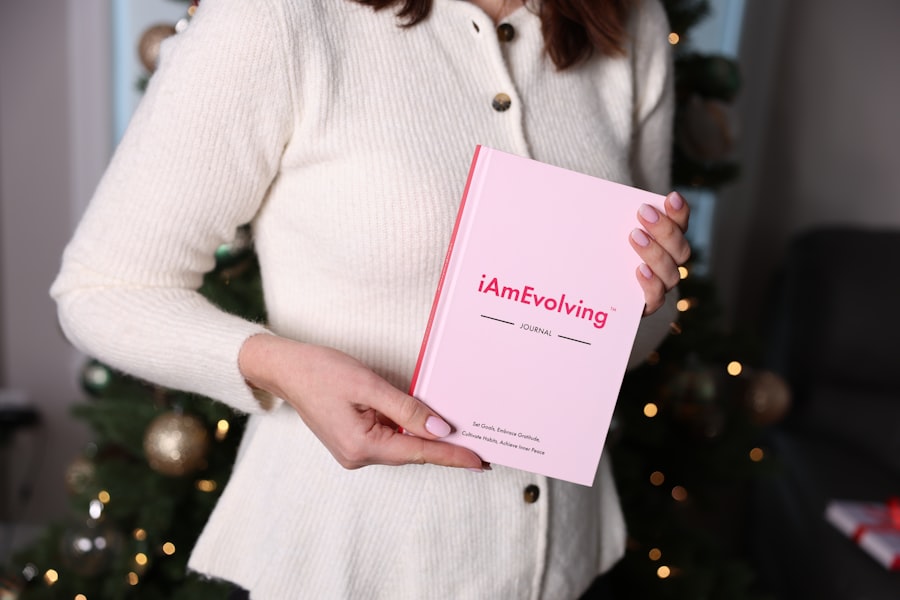
Setting effective work intentions is a skill that can be honed through practice and the adoption of strategic approaches. It’s not a one-size-fits-all endeavor, and you may find certain strategies resonate more than others.
The “5 Ws and 1 H” Framework
A classic journalistic approach can be surprisingly effective for work intentions. Ask yourself:
- Who: Who is this task for? Who is responsible for its execution?
- What: What needs to be accomplished? What is the desired outcome?
- When: When does it need to be completed? What are the milestones?
- Where: Where will the work take place? Where will the outcome be applied?
- Why: Why is this task important? What problem does it solve or opportunity does it address?
- How: How will the task be executed? What methods or resources will be used?
Answering these questions provides a comprehensive understanding that underpins a strong intention.
The “Morning Ritual” Approach
Integrating intention setting into your daily routine can significantly impact your productivity. Before you delve into emails or begin your first task, take 5-10 minutes to define your intentions for the day.
Setting Daily Intentions: A Micro-Level Focus
Your daily intentions should be specific to the tasks and priorities you have set for that day. They act as a localized compass, guiding you through the immediate challenges and opportunities. For instance, your intention for the morning might be: “To address the most critical email inquiries and complete the data analysis for the Q3 report.”
Weekly Intentions: The Mid-Range Horizon
Extending this practice to a weekly level provides a broader perspective. Your weekly intentions can outline the major projects or goals you aim to achieve within the next five to seven days. This helps to ensure that your daily efforts are contributing to larger objectives.
The “End-of-Day Review” for Tomorrow
Just as setting intentions for the current day is beneficial, reviewing and setting intentions for the next day at the end of your current workday can be incredibly powerful. This allows your mind to process the day’s events and begin strategizing for the upcoming challenges while you’re still in a work-oriented mindset.
Preparing for the Next Day’s Launch
By taking a few minutes at the end of your workday to sketch out tomorrow’s key tasks and objectives, you avoid the morning scramble and hit the ground running. This is like preparing your launchpad the night before a rocket launch; all systems are go for immediate ignition.
Minimizing Decision Fatigue
Constantly making decisions throughout the day can lead to decision fatigue, diminishing your ability to make optimal choices later on. Pre-setting your intentions for the following day helps to mitigate this by front-loading some of those significant decisions.
Overcoming Obstacles to Clear Intentions
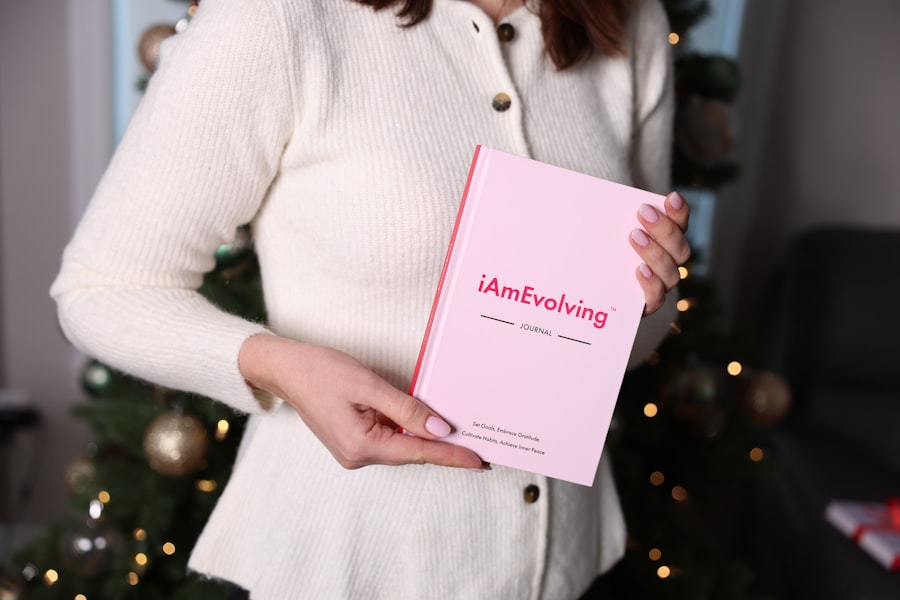
Despite the clear advantages, you may encounter challenges in consistently setting and adhering to clear work intentions. Awareness of these potential roadblocks is the first step towards overcoming them.
The Lure of Distraction and the “Urgency Trap”
In today’s hyper-connected world, distractions are ubiquitous. The constant barrage of notifications, emails, and instant messages can pull you away from your intended focus. Furthermore, the “urgency trap” can lead you to prioritize immediate, often less important, tasks over your well-defined intentions.
Recognizing and Mitigating External Interruptions
Establish strategies to minimize external interruptions. This might involve turning off notifications for specific periods, dedicating “focus time” blocks, or communicating your availability to colleagues. Think of it as building soundproof walls around your workspace to preserve your concentration.
Differentiating Urgency from Importance
Not all urgent tasks are important. Learn to distinguish between tasks that demand immediate attention due to external pressure and those that are truly critical for achieving your objectives. A clear intention acts as your internal BS detector, helping you filter out the noise.
The Fear of Commitment and the “Perfectionist’s Paralysis”
Sometimes, the act of setting a clear intention can feel like a commitment, and some individuals may shy away from this. The “perfectionist’s paralysis” can also come into play, where the fear of not being able to execute a perfectly crafted intention prevents the intention from being articulated at all.
Embracing Imperfect Clarity
Understand that your first attempt at an intention may not be perfect, and that’s perfectly acceptable. The goal is progress, not immediate perfection. Your intention is a living document, subject to refinement as you gain more information or as circumstances evolve.
The Value of a “Good Enough” Intention
Sometimes, a clear and actionable, though not perfectly optimized, intention is far more valuable than an imagined, unattainable perfect intention that never materializes. Aim for clarity that facilitates action, rather than striving for an elusive ideal that hinders it.
The Challenge of Ambiguous or Evolving Tasks
Some tasks are inherently ambiguous or their scope can change rapidly. In such scenarios, setting rigid intentions might feel counterproductive. It’s crucial to adapt your approach to suit the nature of the task.
Intentions as adaptable Frameworks
When dealing with ambiguous tasks, your intention can serve as a flexible framework rather than a rigid blueprint. It might outline the immediate next steps or the broader areas you intend to explore. For instance, an intention for exploratory research might be: “To identify three potential new market segments by conducting preliminary literature reviews and competitor analysis over the next two days.”
Iterative Intention Setting for Dynamic Projects
For projects with evolving requirements, you can adopt an iterative approach to intention setting. This involves setting shorter-term intentions that are regularly reviewed and adjusted as the project progresses. This allows for agility and responsiveness to changing circumstances.
When crafting a one-sentence intention for work, it’s essential to focus on clarity and purpose to guide your daily activities. A helpful resource that delves deeper into this topic can be found in an article that offers practical tips and examples. By exploring this article, you can gain insights on how to articulate your intentions effectively, ensuring they align with your overall goals and enhance your productivity.
The Ripple Effect: How Clear Intentions Transform Your Work
| Metric | Description | Example | Tips |
|---|---|---|---|
| Clarity | How clear and understandable the intention sentence is | “To improve team communication by actively listening.” | Use simple, direct language |
| Focus | Degree to which the sentence targets a specific goal or behavior | “To complete all project tasks ahead of schedule.” | Be specific about the desired outcome |
| Positivity | Use of positive and motivating language | “To foster a collaborative and supportive work environment.” | Frame intentions in a positive way |
| Brevity | Length and conciseness of the sentence | “To enhance my presentation skills.” | Keep it to one sentence, avoid unnecessary words |
| Actionability | Whether the intention includes an actionable step | “To schedule weekly check-ins with my team.” | Include clear actions or behaviors |
The benefits of crafting clear and concise work intentions extend far beyond individual task completion. They create a profound ripple effect that can transform your overall productivity, your professional growth, and even your work-life balance.
Enhanced Productivity and Efficiency
When you operate with a clear intention, you eliminate wasted effort. You focus your energy on the most impactful actions, leading to a significant increase in productivity and efficiency. You are no longer navigating with a compass that’s spinning wildly; you have a true north.
Streamlined Workflow and Reduced Rework
Clear intentions minimize misinterpretations and reduce the need for rework. When everyone understands the objective, the likelihood of errors and misunderstandings diminishes. This streamlined process saves valuable time and resources.
Improved Time Management and Prioritization
With a defined intention, prioritizing tasks becomes more intuitive. You can readily assess which activities align with your objectives and which are tangential or unnecessary. This leads to more effective time management and a greater sense of control over your workload.
Cultivating Focus and Deep Work
Clear intentions are the bedrock of focus and the facilitator of deep work. By consciously defining what you want to achieve, you create a mental boundary against distractions, allowing you to immerse yourself in cognitively demanding tasks.
The Power of Single-Tasking
In an era of constant multitasking, the ability to single-task with intention is a superpower. Clear intentions encourage you to commit to one task at a time, allowing for deeper engagement and higher-quality output.
Mastering the Art of Concentration
Just as an athlete trains their muscles, you can train your ability to concentrate by consistently setting and pursuing clear intentions. Each success reinforces your ability to stay focused and resist distractions.
Fostering a Sense of Accomplishment and Motivation
Achieving clearly defined goals provides a tangible sense of accomplishment. Each completed intention, no matter how small, contributes to a growing sense of progress and boosts your motivation to tackle future challenges.
The Feedback Loop of Success
The act of setting and achieving intentions creates a positive feedback loop. The satisfaction derived from accomplishment fuels your desire to set more challenging intentions and continue the cycle of productivity and growth.
A Foundation for Continuous Improvement
By consistently reflecting on your intentions and their outcomes, you lay the groundwork for continuous improvement. You learn what strategies work best for you, identify areas where your intentions can be more effective, and progressively refine your approach to work. This journey of setting clear intentions is not a destination but an ongoing process of self-discovery and enhancement.

STOP Your Dopamine Drain: The 24-Hour Reset
FAQs
What is a one sentence intention for work?
A one sentence intention for work is a concise statement that clearly defines your primary goal or focus in a professional setting. It helps guide your actions and decisions throughout the workday or project.
Why is it important to write a one sentence intention for work?
Writing a one sentence intention helps increase clarity, focus, and motivation. It ensures you stay aligned with your priorities, improves productivity, and can reduce distractions during your work.
How do I write an effective one sentence intention for work?
To write an effective one sentence intention, be specific about what you want to achieve, use positive language, keep it clear and concise, and focus on what you can control or influence during your work.
Can a one sentence intention for work change throughout the day?
Yes, a one sentence intention can be adjusted as priorities shift or new tasks arise. It’s helpful to revisit and revise your intention to stay aligned with your current goals and workload.
Where should I write or display my one sentence intention for work?
You can write your one sentence intention on a sticky note, in a planner, or as a reminder on your computer or phone. Keeping it visible throughout the day helps reinforce your focus and commitment.