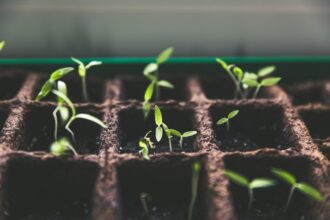
Iterative improvement is a fundamental principle in skill development. This approach involves making small, incremental changes rather than attempting to achieve perfection immediately. By dividing larger goals into manageable components, individuals can systematically enhance their abilities and concepts.
Each iteration provides valuable feedback that informs subsequent adjustments, leading to progressively better results. This methodical process not only improves the quality of work but also strengthens confidence through visible advancement. The practice of revisiting and refining work yields significant benefits.
Each review cycle offers new insights, revealing previously unnoticed opportunities for enhancement. This continuous evaluation cultivates intellectual curiosity and encourages experimentation with alternative methods and concepts. Adopting iterative improvement as a standard practice enables ongoing personal and professional development, effectively converting obstacles into learning experiences.
Key Takeaways
- Continuous iteration enhances skills and outcomes over time.
- Constructive feedback is essential for meaningful growth.
- Patience and persistence drive long-term creative success.
- Balancing creativity with practical goals ensures effective progress.
- Embracing failure fosters learning and resilience.
Embracing the Creative Process
Creativity is often romanticized as a spontaneous burst of inspiration, but in reality, it is a process that requires dedication and openness. You must learn to embrace the creative journey, understanding that it is filled with twists and turns. Allow yourself the freedom to explore various avenues without the pressure of immediate results.
This exploration can lead to unexpected discoveries and innovations that enrich your work. By immersing yourself in the creative process, you cultivate an environment where ideas can flourish. Moreover, embracing creativity means accepting that not every idea will be a winner.
You may find that some concepts resonate while others fall flat. This is a natural part of the creative landscape. Instead of viewing these moments as failures, consider them stepping stones toward greater understanding.
Each experience contributes to your growth as a creator, helping you refine your voice and style. By nurturing this mindset, you create a fertile ground for creativity to thrive.
Setting Goals and Milestones

Setting clear goals and milestones is essential for navigating your creative journey effectively. When you define what you want to achieve, you create a roadmap that guides your efforts. These goals can be both short-term and long-term, providing you with a sense of direction and purpose.
As you establish these benchmarks, ensure they are specific, measurable, achievable, relevant, and time-bound (SMART). This clarity will help you stay focused and motivated as you work toward your aspirations. In addition to setting goals, breaking them down into smaller milestones can make the process feel less daunting.
Each milestone serves as a mini-celebration of your progress, reinforcing your commitment to your craft. You might find that tracking your achievements not only boosts your morale but also helps you identify patterns in your work habits. By regularly assessing your progress against these milestones, you can make necessary adjustments to stay on course and maintain momentum.
Seeking Feedback and Critique
Feedback is an invaluable tool in your creative arsenal.
Whether it’s from peers, mentors, or even your audience, constructive criticism can illuminate blind spots and inspire new ideas.
You may feel vulnerable when sharing your creations, but remember that feedback is not a reflection of your worth; rather, it is an opportunity for growth. Embrace this process with an open mind and a willingness to learn. When receiving feedback, it’s essential to approach it with discernment.
Not all critiques will resonate with you or align with your vision. Take the time to evaluate the suggestions you receive and determine which ones will genuinely enhance your work. Engaging in discussions about your creations can also deepen your understanding of your audience’s perspective.
By incorporating valuable insights while staying true to your artistic voice, you can elevate your craft to new heights.
Adapting and Evolving Your Craft
| Metric | Description | Measurement Method | Target Frequency | Improvement Action |
|---|---|---|---|---|
| Content Engagement Rate | Percentage of audience interacting with content (likes, comments, shares) | Engagements / Total Views | Weekly | Adjust content style or topics based on engagement trends |
| Content Production Velocity | Number of content pieces created per time period | Count of published content per week/month | Monthly | Optimize workflow to increase or maintain consistent output |
| Audience Growth Rate | Rate at which new followers or subscribers are gained | (New Followers / Total Followers) * 100 | Monthly | Experiment with promotional strategies or collaborations |
| Feedback Incorporation Rate | Percentage of audience feedback implemented in new content | Implemented Suggestions / Total Suggestions Received | Quarterly | Review feedback and prioritize actionable improvements |
| Content Quality Score | Internal rating of content based on creativity, clarity, and value | Peer review or self-assessment on a scale of 1-10 | Per Content Piece | Identify areas for skill development or resource investment |
| Iteration Cycle Time | Time taken to complete one cycle of content creation, feedback, and improvement | Average days from initial draft to final version | Per Project | Streamline processes to reduce cycle time without sacrificing quality |
The creative landscape is ever-changing, and as an artist or creator, you must be willing to adapt and evolve. Stagnation can hinder your growth and limit your potential.
By remaining flexible in your approach, you open yourself up to a world of possibilities that can enrich your work and keep it relevant. As you adapt, consider how external influences—such as cultural shifts or technological advancements—can impact your craft. Staying informed about trends in your field can inspire innovation and help you connect with contemporary audiences.
However, it’s crucial to balance adaptation with authenticity; while it’s beneficial to evolve, ensure that any changes align with your core values and artistic vision. This balance will allow you to grow while remaining true to yourself.
The Role of Patience and Persistence

Patience and persistence are vital qualities in any creative endeavor. The road to success is rarely linear; it often involves setbacks and challenges that test your resolve. Cultivating patience allows you to navigate these obstacles with grace, understanding that mastery takes time.
You may encounter moments of frustration or self-doubt along the way, but remember that every artist faces these hurdles. Embrace them as part of the journey rather than as signs of failure. Persistence is equally important; it’s the driving force that keeps you moving forward despite difficulties.
When faced with challenges, remind yourself of your passion for your craft and the reasons why you started in the first place. This intrinsic motivation can fuel your determination to push through tough times. By combining patience with persistence, you create a powerful synergy that propels you toward achieving your goals.
Learning from Failure and Setbacks
Failure is often viewed negatively, but in reality, it is one of the most valuable teachers on your creative journey. Each setback presents an opportunity for reflection and growth. When things don’t go as planned, take a step back and analyze what went wrong.
What lessons can you extract from the experience? By reframing failure as a learning opportunity rather than a defeat, you empower yourself to approach future challenges with newfound wisdom. Moreover, sharing your experiences with failure can foster connection with others who may be facing similar struggles.
Vulnerability can be a powerful tool for building community and support among fellow creators. By discussing setbacks openly, you not only normalize the experience but also inspire others to persevere through their own challenges. Remember that every successful creator has faced obstacles; it’s how they respond to those setbacks that ultimately defines their journey.
Balancing Creativity and Practicality
While creativity is essential for artistic expression, practicality plays a crucial role in bringing those ideas to fruition. Striking a balance between the two can be challenging but necessary for success. You may find yourself torn between pursuing bold artistic visions and adhering to practical constraints such as time, budget, or resources.
Learning how to navigate this tension will enable you to create work that is both innovative and feasible. To achieve this balance, consider setting aside dedicated time for brainstorming without limitations before transitioning into planning mode where practicality comes into play. Allow yourself the freedom to dream big initially; then assess how those dreams can be realized within the constraints you face.
This dual approach encourages creativity while ensuring that your ideas remain grounded in reality.
Leveraging Technology and Tools
In today’s digital age, technology offers an array of tools that can enhance your creative process significantly. From software applications designed for design or writing to platforms for collaboration and sharing work, leveraging these resources can streamline your workflow and expand your capabilities. Familiarizing yourself with various tools can open up new avenues for creativity that may have previously seemed out of reach.
However, it’s essential to strike a balance between utilizing technology and maintaining authenticity in your work. While tools can enhance efficiency and provide new possibilities, they should not overshadow the core essence of what makes your creations unique. Use technology as an ally in your creative journey rather than allowing it to dictate or limit your artistic expression.
Cultivating a Growth Mindset
A growth mindset is fundamental for anyone looking to thrive creatively. This mindset embraces the belief that abilities and intelligence can be developed through dedication and hard work. When you adopt this perspective, challenges become opportunities for learning rather than insurmountable obstacles.
You may find that viewing setbacks as part of the learning process empowers you to take risks and explore new ideas without fear of failure. To cultivate a growth mindset, surround yourself with individuals who inspire and challenge you. Engage in discussions about creativity and share experiences openly; this exchange of ideas fosters an environment where growth is celebrated.
Additionally, practice self-compassion by acknowledging that everyone has room for improvement—your journey is uniquely yours, filled with both triumphs and lessons learned along the way.
Celebrating and Reflecting on Successes
As you progress on your creative journey, it’s essential to take time to celebrate your successes—both big and small. Acknowledging achievements reinforces positive behavior and motivates you to continue striving for excellence. Whether it’s completing a project or reaching a milestone in your development, take moments to reflect on what you’ve accomplished and how far you’ve come.
Reflection is equally important; it allows you to assess what worked well and what could be improved in future endeavors. By analyzing both successes and challenges, you gain valuable insights that inform your next steps as a creator. This practice not only enhances self-awareness but also fosters a deeper appreciation for the journey itself—reminding you that every experience contributes to the rich tapestry of your creative life.
In conclusion, navigating the creative landscape requires a multifaceted approach that encompasses iterative improvement, embracing the creative process, setting goals, seeking feedback, adapting skills, exercising patience, learning from failures, balancing creativity with practicality, leveraging technology, cultivating a growth mindset, and celebrating successes along the way. By integrating these elements into your practice, you empower yourself to thrive as a creator while continuously evolving in pursuit of excellence.
For creators looking to enhance their work through an iterative improvement framework, it’s essential to explore various strategies and insights. A related article that delves into practical methods for refining creative processes can be found at this link. This resource provides valuable tips and examples that can help creators implement effective iterative practices in their projects.
WATCH THIS! 🚨 Success Feels MORE Dangerous Than Failure—Here’s Why (The Icarus Principle)
FAQs
What is the iterative improvement framework for creators?
The iterative improvement framework for creators is a systematic approach that involves continuously refining and enhancing creative work through repeated cycles of feedback, evaluation, and modification. It helps creators improve their projects step-by-step by making incremental changes based on insights gained during each iteration.
How does the iterative improvement framework benefit creators?
This framework benefits creators by promoting ongoing learning and adaptation, reducing the risk of major errors, and enabling more effective problem-solving. It encourages experimentation and flexibility, leading to higher quality outcomes and more innovative results over time.
What are the key steps in the iterative improvement process?
The key steps typically include: planning or designing an initial version, creating or implementing the work, gathering feedback or evaluating results, analyzing the feedback, and making improvements. These steps are repeated in cycles until the desired level of quality or performance is achieved.
Can the iterative improvement framework be applied to all types of creative work?
Yes, the iterative improvement framework is versatile and can be applied to various creative fields such as writing, design, art, software development, music production, and more. It is effective wherever continuous refinement and adaptation are valuable.
How often should creators iterate using this framework?
The frequency of iterations depends on the project scope, complexity, and feedback availability. Some projects may require rapid, frequent iterations, while others might benefit from longer cycles. The key is to iterate as often as needed to make meaningful improvements without causing unnecessary delays.
What tools can assist creators in implementing the iterative improvement framework?
Tools such as project management software, version control systems, feedback platforms, prototyping tools, and collaboration apps can facilitate the iterative process by organizing work, tracking changes, collecting feedback, and enabling communication among stakeholders.
Is feedback essential in the iterative improvement framework?
Yes, feedback is a critical component of the iterative improvement framework. It provides creators with external perspectives and insights that help identify areas for enhancement, validate ideas, and guide subsequent iterations.
How does the iterative improvement framework differ from traditional linear workflows?
Unlike traditional linear workflows that follow a sequential, one-time process, the iterative improvement framework emphasizes repeated cycles of development and refinement. This approach allows for flexibility, continuous learning, and adaptation based on real-time feedback, leading to better end results.