
A brand is not merely a logo; it is the sum total of perceptions an audience holds about your startup. Think of it as the invisible DNA that dictates how your venture is understood, remembered, and interacted with. Before you even design a single visual element or write a line of marketing copy, you must unearth the very essence of your brand. This foundational work acts as your compass, guiding every subsequent decision.
Uncovering Your Purpose: The “Why” Behind Your Business
Every successful startup operates with a clear “why.” This is not simply about generating profit, but about the problem you solve, the need you fulfill, or the impact you strive to make. Consider the following:
- Problem Identification: What specific pain point or inefficiency does your product or service address for your target audience?
- Solution Articulation: How precisely does your offering resolve this problem, and what unique value proposition do you bring to the table?
- Impact Assessment: Beyond immediate functionality, what broader positive change or benefit does your startup aim to deliver to its users, industry, or society? This deeper purpose often resonates most powerfully with customers and employees alike.
Articulating Your Vision and Mission: Your North Star and Your Path
Once your purpose is clear, you can distill it into concise statements that encapsulate your aspirations and your operational strategy.
- Vision Statement: This is your long-term aspiration, a vivid picture of the future you are striving to create. It should be ambitious, inspirational, and enduring. For example, a vision statement might focus on “empowering every small business with accessible, intuitive accounting tools.”
- Mission Statement: This statement outlines your company’s core focus, its reason for existence, and its primary activities. It is more grounded and actionable than your vision. A corresponding mission statement might be “to develop and deliver user-friendly cloud-based accounting software that simplifies financial management for entrepreneurs.”
- Values Definition: What are the non-negotiable principles that will guide your decisions and shape your company culture? These values, such as integrity, innovation, or customer-centricity, are the bedrock of your brand’s ethical framework and influence how you interact with all stakeholders.
Understanding Your Audience: The Recipients of Your Message
Your brand identity is not created in a vacuum; it is shaped by those you intend to serve. Without a deep understanding of your target audience, your brand will struggle to resonate.
- Demographic Segmentation: Identify key demographic characteristics such as age, gender, income level, education, and geographic location. While these provide a basic framework, they are often insufficient for truly effective branding.
- Psychographic Profiling: Delve deeper into your audience’s attitudes, beliefs, values, interests, lifestyles, and motivations. What are their aspirations? What are their fears? What problems keep them awake at night that your solution addresses?
- Behavioral Analysis: Examine their purchasing habits, brand loyalties, technology adoption, and common communication channels. How do they prefer to consume information? What influences their decisions? Crafting detailed buyer personas based on this research provides a rich, multi-dimensional view of your ideal customer.
Building a strong brand identity is crucial for any startup looking to establish itself in the market. For those interested in learning more about this topic, you can explore a related article that offers valuable insights and practical tips on how to create a compelling brand identity. Check it out here: How to Build a Strong Brand Identity. This resource provides a comprehensive guide to help you define your brand’s mission, values, and visual elements, ensuring that your startup stands out in a competitive landscape.
Shaping Your Narrative: The Story You Tell
Every brand has a story, whether you consciously craft it or not. Proactive narrative development allows you to control how your startup is perceived, building emotional connections and fostering loyalty. This narrative extends beyond marketing copy; it is woven into every touchpoint your audience has with your brand.
Crafting Your Brand Story: The Arc of Your Journey
Your brand story is a compelling narrative that explains who you are, why you exist, and why it matters to your audience. It’s not a sales pitch; it’s an authentic recounting that humanizes your brand.
- Origin Story: How did your startup come to be? What inspired its creation? The journey from initial idea to tangible product or service offers a relatable and often inspiring narrative.
- Challenges and Triumphs: What obstacles have you faced, and how have you overcome them? Sharing vulnerability and resilience can build trust and demonstrate your commitment.
- Customer Impact Stories: How has your product or service positively transformed the lives or businesses of your customers? Testimonials and case studies are powerful components of your brand story, demonstrating real-world value.
Defining Your Brand Voice and Tone: How You Communicate
Your brand voice is the consistent personality and perspective conveyed in all your communications. Your brand tone is the emotional nuance applied to that voice, adapting to different contexts.
- Brand Voice: Is your brand voice authoritative, playful, empathetic, innovative, or professional? This should be consistent across all platforms. A B2B enterprise software company, for example, might adopt an authoritative and knowledgeable voice, while a startup selling artisanal coffee might aim for a warm, inviting, and slightly whimsical voice.
- Brand Tone: While your voice is constant, your tone can shift. You might use a more serious and informative tone when discussing compliance issues but a more celebratory and enthusiastic tone when announcing a new feature.
- Communication Guidelines: Establish clear guidelines for internal and external communications to ensure consistency. This includes preferred terminology, appropriate language, and examples of “do’s and don’ts.”
Developing Your Brand Messaging: The Words You Choose
Messaging is the specific content used to communicate your brand’s value proposition. It translates your brand essence into clear, concise, and compelling language.
- Core Message Development: Identify the few, absolute key messages you want your audience to remember about your brand. These should be memorable and encapsulate your unique selling proposition.
- Value Proposition Articulation: Clearly state the benefits your product or service provides, not just its features. Focus on how you improve your customers’ lives or businesses. For example, instead of “Our software has algorithm X,” state “Our software uses algorithm X to reduce your processing time by 30%, freeing up valuable resources.”
- Tagline and Slogans: These short, memorable phrases capture the essence of your brand. A tagline is usually enduring, while a slogan might be campaign-specific. “Just Do It” is a classic example of a powerful tagline.
Crafting Your Visual Identity: The Face of Your Brand
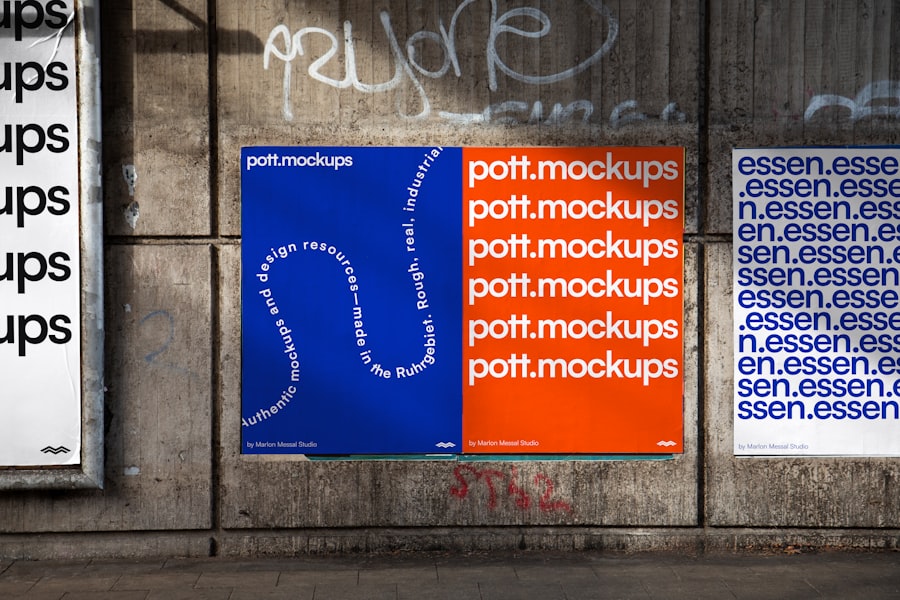
While narrative and essence form the soul of your brand, your visual identity is its outward manifestation. This is what your audience first sees and remembers, creating an immediate impression that reinforces your core message. A well-designed visual identity acts as a shortcut to understanding and recognition.
Designing Your Logo: The Cornerstone of Recognition
Your logo is the most immediate symbol of your brand. It should be unique, memorable, adaptable, and timeless.
- Simplicity and Memorability: A strong logo is often simple, making it easily recognizable and recallable. Overly complex designs can be confusing and fail to leave a lasting impression.
- Versatility and Scalability: Your logo will appear across numerous platforms and sizes, from a favicon on a website to a billboard. Ensure it remains clear and impactful regardless of scale or medium.
- Relevance and Timelessness: The design should resonate with your industry and target audience, avoiding trendy elements that might quickly become outdated. While small updates are possible, a truly timeless logo retains its power over decades.
- Color Psychology Integration: Colors evoke specific emotions and associations. Research the psychological impact of colors and choose a palette that aligns with your brand’s desired perception. For example, blue often conveys trust and stability, while green suggests growth and nature.
Establishing Your Brand Guidelines: The Visual Command Center
A comprehensive set of brand guidelines ensures consistency across all visual communications. Think of it as a playbook for anyone interacting with your brand’s visual elements.
- Logo Usage Rules: Detailed specifications on minimum size, clear space around the logo, approved color variations, and unacceptable alterations.
- Color Palette Specification: Primary and secondary color palettes with precise HEX, RGB, CMYK, and Pantone values. This ensures accurate reproduction across print and digital media.
- Typography Selection: Primary and secondary font families, including specific weights, sizes, and usage contexts for headlines, body copy, and captions. Typography plays a crucial role in conveying personality and readability.
- Imagery and Iconography Style: Guidelines for photography style (e.g., candid vs. staged, color vs. black and white), illustration style, and icon design to maintain visual cohesion.
- Layout and Composition Principles: Recommendations for grid systems, spacing, and general layout principles for marketing materials, website design, and other visual assets.
Developing Brand Touchpoints: Consistent Visual Experience
Every interaction a customer has with your brand is a touchpoint. Ensuring visual consistency across all these points strengthens your brand identity and reinforces credibility.
- Website Design: Your website is often the digital storefront of your business. Ensure it reflects your brand’s visual identity, voice, and values, providing a user-friendly and aesthetically pleasing experience.
- Marketing Materials: Brochures, ads, social media graphics, and presentations should all adhere to your brand guidelines, presenting a unified and professional image.
- Product Packaging (if applicable): For physical products, packaging is a critical visual touchpoint. It needs to be functional, appealing, and clearly branded.
- Office Environment/Retail Spaces: If you have a physical presence, the design of your space should embody your brand’s aesthetic and values, creating an immersive experience for visitors.
Building Brand Equity: The Value of Your Reputation

Brand equity is the commercial value derived from consumer perception of your brand name rather than from the product or service itself. It’s the accumulated goodwill and trust you build, leading to brand loyalty and competitive advantage. Think of it as the invisible asset that allows you to command higher prices, attract better talent, and weather market challenges.
Cultivating Brand Awareness: Getting Noticed
Building awareness means making your target audience familiar with your brand and its offerings. It’s the first step in establishing any meaningful connection.
- Content Marketing: Create valuable and relevant content (blog posts, videos, infographics, podcasts) that addresses your audience’s needs and interests, establishing your brand as a thought leader.
- Social Media Engagement: Actively participate on platforms where your target audience spends their time, sharing relevant content, engaging in conversations, and building a community around your brand.
- Public Relations: Earned media coverage through press releases, media outreach, and expert commentary can generate significant awareness and credibility.
- Partnerships and Collaborations: Aligning with complementary businesses or influencers can expose your brand to new audiences and leverage existing trust.
Fostering Brand Association: What Comes to Mind
Brand associations are the attributes, emotions, and thoughts that come to mind when a customer thinks about your brand. Strong, positive associations are key to driving preference.
- Unique Selling Proposition (USP): Clearly communicate what makes your brand distinct from competitors. This Differentiation is often tied to a specific benefit or feature that you excel at.
- Emotional Connection: Move beyond purely functional benefits to evoke positive emotions. Does your brand inspire joy, trust, excitement, or peace of mind? Emotional resonance creates deeper, more lasting connections.
- Brand Experience: Every interaction a customer has with your brand contributes to their associations. Ensure these experiences are consistently positive, from pre-purchase research to post-purchase support. A seamless and enjoyable customer journey reinforces desired brand associations.
Driving Brand Loyalty: Customers for Life
Brand loyalty is the tendency of consumers to continuously purchase one brand’s products over another. It’s the ultimate goal of strong branding, reducing marketing costs and increasing customer lifetime value.
- Exceptional Customer Service: Provide outstanding support that resolves issues efficiently and pleasantly. This can transform a negative experience into an opportunity to build loyalty.
- Consistent Quality: Deliver on your promises every time. Consistency in product quality and service delivery builds trust and reliability, discouraging customers from seeking alternatives.
- Community Building: Create opportunities for your customers to connect with each other and with your brand. This could be through online forums, exclusive events, or loyalty programs.
- Feedback Integration: Actively solicit and incorporate customer feedback. Demonstrating that you listen to and value your customers’ input fosters a sense of partnership and commitment. This continuous improvement loop is vital for long-term customer satisfaction and loyalty.
Building a strong brand identity is crucial for any startup looking to make its mark in the competitive market. A related article that provides valuable insights on this topic can be found at Productive Patty, where you can discover effective strategies to create a cohesive and memorable brand presence. By understanding the key elements of brand identity, entrepreneurs can better connect with their target audience and establish a lasting impression.
Sustaining Your Brand: Evolution, Not Stagnation
| Step | Action | Key Metrics | Tools/Resources | Estimated Time |
|---|---|---|---|---|
| 1 | Define Your Brand Purpose | Clarity of mission statement (scale 1-10) | Brand workshops, brainstorming sessions | 1-2 weeks |
| 2 | Identify Target Audience | Audience segmentation accuracy (% match) | Market research tools, surveys | 2-3 weeks |
| 3 | Create Visual Identity (Logo, Colors, Typography) | Brand recognition rate (% in surveys) | Graphic design software, branding agencies | 3-4 weeks |
| 4 | Develop Brand Voice and Messaging | Consistency score across channels (scale 1-10) | Content guidelines, copywriting tools | 2 weeks |
| 5 | Build Online Presence (Website, Social Media) | Website traffic, social media engagement rates | Website builders, social media platforms | 4-6 weeks |
| 6 | Engage with Community and Gather Feedback | Customer satisfaction score, feedback volume | Surveys, social listening tools | Ongoing |
| 7 | Refine and Evolve Brand Identity | Brand loyalty rate, repeat customer percentage | Analytics platforms, customer feedback | Ongoing |
A brand is a living entity, not a static artifact. The business landscape is constantly shifting, customer expectations evolve, and new competitors emerge. To remain relevant and thriving, your brand must be capable of adapting and growing without losing its foundational identity. This requires continuous monitoring, strategic evolution, and a proactive approach to maintaining your brand’s health.
Monitoring Brand Health: Taking Your Brand’s Pulse
Regularly assess how your brand is perceived by its audience and how effectively it is meeting its objectives. This data-driven approach allows for informed adjustments.
- Brand Perception Surveys: Conduct surveys to gauge customer awareness, recall, associations, and overall sentiment towards your brand. Ask specific questions about attribute perception and comparison to competitors.
- Social Listening and Sentiment Analysis: Monitor online conversations about your brand across social media, review sites, and forums. Tools for sentiment analysis can help you understand the prevailing emotional tone of these discussions.
- Competitive Analysis: Regularly assess the branding strategies of your competitors. What are they doing well? Where are their weaknesses? How can your brand differentiate itself effectively in a crowded market?
- Internal Brand Audits: Periodically review all internal and external communications and touchpoints to ensure consistency with brand guidelines and messaging. Are employees embodying the brand values? Is external material aligned?
Adapting to Market Changes: Staying Agile
The market is a dynamic environment. Your brand must demonstrate agility to respond to new trends, technological advancements, and shifts in consumer behavior.
- Trend Identification: Stay informed about emerging industry trends, cultural shifts, and technological innovations that could impact your brand or target audience.
- Brand Extension and Innovation: Consider new product lines, services, or market segments that naturally extend your brand’s offerings without diluting its core identity. This requires careful consideration to ensure new ventures align with existing brand equity.
- Response to Evolving Customer Needs: As customer preferences change, be prepared to adapt your product, service, and communication strategies. This might involve updating your messaging or even refreshing your visual identity. Ignoring these shifts can lead to obsolescence. For instance, a brand that once relied heavily on print advertising would need to pivot significantly to digital channels as consumer media consumption patterns change.
Protecting Your Brand Integrity: Guarding Your Reputation
Your brand is a valuable asset, and protecting its integrity from dilution, misuse, or negative associations is paramount.
- Trademark and Copyright Protection: Legally secure your brand name, logo, and unique intellectual property. This prevents others from exploiting your established identity.
- Crisis Management Plan: Develop a strategy for addressing potential negative publicity or brand crises. How will you respond to a product recall, a social media misstep, or a severe customer complaint? A clear plan can mitigate damage and preserve trust.
- Internal Brand Advocacy: Ensure your employees understand and embody your brand. They are often the front-line representatives, and their actions directly impact brand perception. Provide training and foster a culture where brand values are lived daily.
- Ethical Brand Practices: Maintain transparency, honesty, and ethical conduct in all business operations. In an era of heightened consumer awareness, ethical lapses can severely damage a brand’s reputation and lead to long-lasting negative associations. Your brand needs to be seen not just as offering a good product, but as being a good actor in the market.

WATCH NOW ▶️ WARNING: Your Brain Is Secretly Killing Your Momentum🚨
FAQs
What is a star identity?
A star identity refers to the unique personal brand or public persona that a celebrity or public figure creates and maintains to distinguish themselves in the entertainment industry or other public arenas.
Why is building a star identity important?
Building a star identity is important because it helps individuals stand out, attract a loyal fan base, and create opportunities for career growth and endorsements by establishing a recognizable and relatable image.
What are the key elements of a star identity?
Key elements of a star identity include a consistent personal style, clear values and messaging, a unique talent or skill, public image management, and engagement with fans through media and social platforms.
How can someone start building their star identity?
To start building a star identity, one should identify their unique qualities, develop a consistent and authentic image, create content that showcases their talents, engage with their audience, and seek opportunities for exposure and networking.
What role does social media play in building a star identity?
Social media plays a crucial role by providing a platform for direct communication with fans, sharing personal stories and achievements, promoting work, and shaping public perception in real-time, making it easier to build and maintain a star identity.