
Energy Consumption Monitoring: Benefits and Applications
In today’s fast-paced world, understanding energy consumption is increasingly important. Daily energy trend tracking provides insights into usage patterns, helping identify opportunities for improved efficiency and cost reduction. Monitoring consumption enables informed decisions that benefit both financial resources and environmental sustainability, allowing individuals to take control of their energy habits.
Tracking daily energy trends helps identify consumption fluctuations related to specific activities or environmental changes. Users may discover usage spikes during particular times of day or week. These insights enable practical adjustments, such as rescheduling energy-intensive activities to off-peak hours or investing in energy-efficient appliances.
Energy consumption monitoring extends beyond data collection, fostering a comprehensive understanding of how individual choices affect both economic and environmental outcomes.
Key Takeaways
- Tracking daily energy trends is crucial for understanding consumption patterns and making informed decisions.
- Various tools and technologies, including apps and smart meters, facilitate effective daily energy monitoring.
- Both businesses and individuals can benefit from daily energy trend tracking to optimize usage and reduce costs.
- Staying informed about energy trends supports conservation efforts and promotes sustainable energy practices.
- Advances in technology will continue to enhance the accuracy and accessibility of daily energy trend tracking in the future.
How to Monitor Daily Energy Trends
Monitoring daily energy trends can be a straightforward process if you approach it methodically. Start by collecting data on your energy consumption from your utility provider or smart meter. Many utility companies offer online portals where you can view your daily usage statistics.
This data will serve as the foundation for your tracking efforts. You can also consider using energy monitoring devices that provide real-time feedback on your consumption, allowing you to see how much energy you’re using at any given moment. Once you have access to your energy data, the next step is to establish a routine for reviewing it.
Set aside time each day or week to analyze your consumption patterns. Look for trends over time, such as increases during specific seasons or drops during vacations. You might find it helpful to create visual representations of your data, such as graphs or charts, which can make it easier to spot trends and anomalies.
By consistently monitoring your energy usage, you’ll develop a clearer picture of your habits and be better equipped to make changes that lead to greater efficiency.
Understanding the Impact of Daily Energy Trends
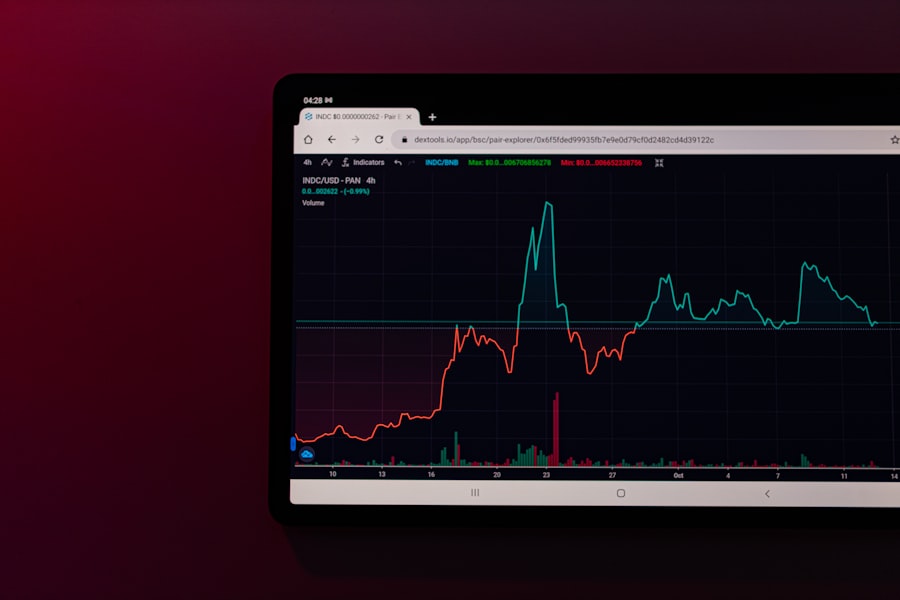
Understanding the impact of daily energy trends goes beyond just recognizing how much energy you consume; it involves grasping the broader implications of your usage patterns. For instance, high energy consumption not only affects your monthly bills but also contributes to increased greenhouse gas emissions and environmental degradation. By tracking your daily energy trends, you can become more aware of how your choices affect the planet and take steps to mitigate those impacts.
Additionally, recognizing the impact of daily energy trends can help you identify opportunities for improvement. For example, if you notice that your energy usage spikes during certain hours, it may indicate that you’re using outdated appliances or that you’re not taking advantage of energy-saving practices. By understanding these trends, you can implement changes that not only reduce your carbon footprint but also enhance your overall quality of life.
The more informed you are about the consequences of your energy consumption, the more empowered you’ll feel to make positive changes.
Tools and Resources for Tracking Daily Energy Trends
There are numerous tools and resources available to help you track daily energy trends effectively. One of the most accessible options is smartphone applications designed for energy monitoring. These apps often allow you to input your utility data and provide insights into your consumption patterns over time.
Some even offer features like reminders for peak usage times or tips for reducing energy waste. In addition to apps, consider investing in smart home devices that monitor energy usage in real-time.
Furthermore, many utility companies offer online dashboards that visualize your energy consumption data, making it easier for you to track trends and identify areas for improvement. By leveraging these tools and resources, you’ll be well-equipped to monitor and manage your daily energy trends effectively.
Tips for Staying Informed About Daily Energy Trends
| Date | Energy Consumption (kWh) | Peak Demand (kW) | Renewable Energy Usage (%) | Carbon Emissions (kg CO2) | Energy Cost |
|---|---|---|---|---|---|
| 2024-06-01 | 350 | 45 | 30 | 210 | 120 |
| 2024-06-02 | 370 | 50 | 32 | 222 | 125 |
| 2024-06-03 | 340 | 48 | 28 | 204 | 118 |
| 2024-06-04 | 360 | 47 | 31 | 216 | 122 |
| 2024-06-05 | 355 | 46 | 29 | 213 | 121 |
Staying informed about daily energy trends requires a proactive approach. One effective strategy is to subscribe to newsletters or blogs focused on energy efficiency and sustainability. These resources often provide valuable insights into new technologies, best practices, and emerging trends in the energy sector.
By keeping yourself updated on industry developments, you’ll be better positioned to adapt your habits and make informed decisions. Another useful tip is to engage with local community initiatives focused on energy conservation. Many communities offer workshops or informational sessions on reducing energy consumption and promoting sustainability.
Participating in these events not only enhances your knowledge but also connects you with like-minded individuals who share similar goals. By fostering a sense of community around energy awareness, you’ll find additional motivation to stay informed and committed to tracking your daily energy trends.
The Role of Technology in Daily Energy Trend Tracking
Technology plays a pivotal role in simplifying the process of daily energy trend tracking.
Smart meters provide real-time data on your usage, allowing you to see exactly how much energy you’re consuming at any given moment.
This immediate feedback can be incredibly motivating, encouraging you to adjust your habits in real-time. Moreover, the integration of artificial intelligence and machine learning into energy management systems has revolutionized how we track and analyze our consumption patterns. These technologies can identify trends and anomalies in your usage data, offering personalized recommendations for reducing waste and improving efficiency.
As technology continues to evolve, the tools available for tracking daily energy trends will become even more sophisticated, making it easier for you to stay informed and make impactful changes.
Daily Energy Trend Tracking for Businesses
For businesses, daily energy trend tracking is not just a matter of sustainability; it’s also a critical component of operational efficiency and cost management. By monitoring their energy consumption closely, businesses can identify inefficiencies that may be driving up costs unnecessarily. This practice allows companies to implement targeted strategies for reducing waste and optimizing their operations.
Additionally, businesses that prioritize daily energy trend tracking often find themselves better positioned to meet regulatory requirements related to sustainability and emissions reduction. Many industries are facing increasing pressure from consumers and governments alike to adopt greener practices. By actively tracking their energy usage and making improvements based on their findings, businesses can enhance their reputation while also contributing positively to the environment.
Daily Energy Trend Tracking for Personal Use
On a personal level, daily energy trend tracking can lead to significant benefits in terms of both cost savings and environmental impact. By being aware of how much energy you’re using on a daily basis, you can make small adjustments that add up over time. For instance, turning off lights when leaving a room or unplugging devices when they’re not in use can lead to noticeable reductions in your monthly bills.
Furthermore, tracking your daily energy trends can foster a sense of accountability and responsibility regarding your consumption habits. When you see the direct correlation between your actions and their impact on both your finances and the environment, you’re more likely to make conscious choices that align with your values. This awareness can lead to a more sustainable lifestyle overall, as you become more mindful of how every action contributes to larger environmental issues.
How Daily Energy Trend Tracking Can Help with Energy Conservation
Daily energy trend tracking is an invaluable tool for promoting energy conservation efforts at both individual and community levels. By consistently monitoring your usage patterns, you can identify specific areas where conservation efforts would be most effective. For example, if you notice that heating or cooling accounts for a significant portion of your monthly bill, you might consider investing in better insulation or programmable thermostats.
Moreover, understanding your daily energy trends allows you to set realistic conservation goals based on actual data rather than assumptions. This data-driven approach makes it easier to track progress over time and celebrate achievements along the way. As you become more adept at conserving energy through informed choices, you’ll likely inspire those around you—friends, family members, or colleagues—to adopt similar practices.
The Future of Daily Energy Trend Tracking
The future of daily energy trend tracking looks promising as technology continues to advance at an unprecedented pace. Innovations such as smart grids and IoT (Internet of Things) devices are set to revolutionize how we monitor and manage our energy consumption. These technologies will enable even greater levels of automation and real-time feedback, making it easier than ever for individuals and businesses alike to track their usage patterns.
Additionally, as awareness around climate change grows, there will likely be an increased emphasis on sustainability initiatives that incorporate daily energy trend tracking as a core component. Governments may implement policies that encourage or incentivize individuals and businesses to adopt these practices, further driving the adoption of innovative tracking solutions. As we move forward into this new era of energy management, staying informed about emerging technologies will be essential for maximizing the benefits of daily energy trend tracking.
Making Informed Decisions with Daily Energy Trend Tracking
Ultimately, the goal of daily energy trend tracking is to empower you to make informed decisions about your consumption habits. By understanding how much energy you’re using and identifying patterns in your behavior, you’ll be better equipped to implement changes that lead to greater efficiency and sustainability. Whether you’re looking to save money on utility bills or reduce your carbon footprint, having access to accurate data is key.
As you continue on this journey of monitoring and analyzing your daily energy trends, remember that every small change counts. The insights gained from this practice can lead not only to personal benefits but also contribute positively to broader environmental goals. By making informed decisions based on data-driven insights, you’ll play an active role in shaping a more sustainable future for yourself and generations to come.
For those interested in staying updated on the latest energy trends, a great resource is the article on daily energy trend tracking available at Productive Patty. This article provides valuable insights and tools for monitoring energy consumption patterns, helping individuals and businesses make informed decisions about their energy use.
WATCH THIS! 🚨 Why ‘Balance’ Is A Productivity Trap
FAQs
What is energy trend tracking daily?
Energy trend tracking daily refers to the process of monitoring and analyzing energy consumption, production, and market trends on a daily basis. This helps individuals, businesses, and organizations stay informed about changes in energy usage, prices, and sources.
Why is daily energy trend tracking important?
Daily tracking allows for timely decision-making, helps optimize energy usage, reduces costs, and supports sustainability goals. It also enables quick responses to fluctuations in energy markets and supply-demand dynamics.
What types of energy trends are typically tracked daily?
Common trends include electricity and fuel consumption, renewable energy generation, energy prices, grid demand, carbon emissions, and efficiency metrics.
Who uses daily energy trend tracking?
Utility companies, energy traders, policymakers, environmental organizations, businesses with high energy usage, and consumers interested in managing their energy footprint use daily energy trend tracking.
What tools are used for energy trend tracking daily?
Tools include smart meters, energy management software, data analytics platforms, real-time monitoring systems, and market analysis services.
Can daily energy trend tracking help reduce energy costs?
Yes, by identifying peak usage times, inefficiencies, and opportunities for shifting consumption, daily tracking can help reduce energy costs.
How does energy trend tracking support sustainability?
Tracking energy trends helps monitor renewable energy integration, reduce carbon emissions, and promote energy-efficient practices, contributing to environmental sustainability.
Is energy trend tracking daily relevant for residential users?
Yes, with smart home devices and energy monitors, residential users can track their daily energy consumption to save money and reduce environmental impact.
What challenges exist in daily energy trend tracking?
Challenges include data accuracy, integration of diverse data sources, real-time analysis complexity, and the need for user-friendly interfaces.
Where can I find reliable daily energy trend data?
Reliable data can be found through government energy agencies, utility providers, energy market platforms, and specialized analytics companies.