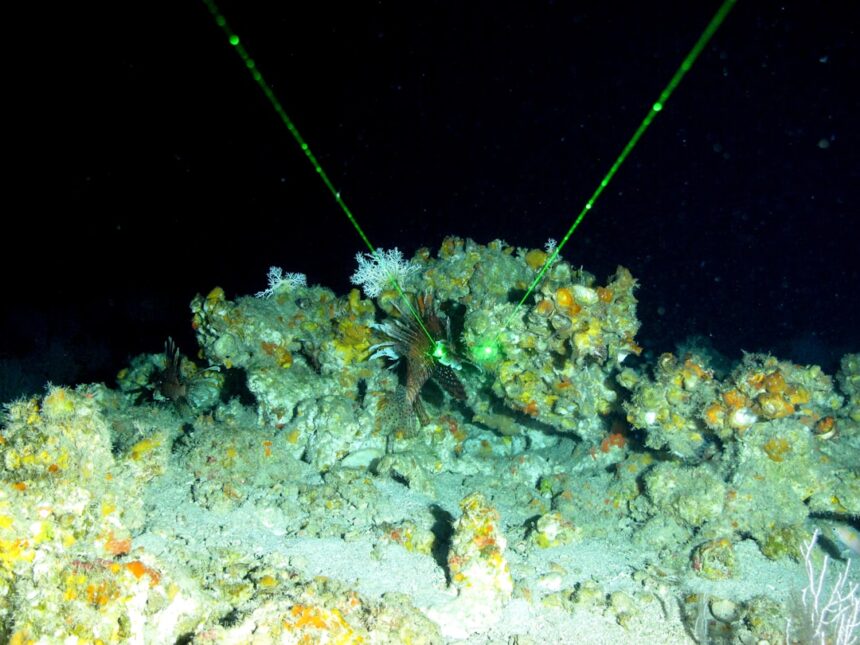
The darkness of the abyssal plain in the Clarion-Clipperton Zone (CCZ) is not an empty void. It is a realm teeming with life, a slow-moving ecosystem that has evolved over millennia in a stable, nutrient-scarce environment. Now, this ancient world faces an unprecedented threat: the prospect of large-scale deep-sea mining. You are standing on the precipice of a decision that could profoundly alter the ocean’s last great frontier. This article delves into the potential environmental consequences of this nascent industry, focusing on the unique vulnerabilities of the CCZ.
The Clarion-Clipperton Zone, a vast expanse of the Pacific Ocean floor between Hawaii and Mexico, is characterized by its deep, dark, and cold environment. It boasts pressures hundreds of times greater than at the surface, near-freezing temperatures, and a complete absence of sunlight. Despite these seemingly extreme conditions, it hosts a remarkable diversity of life, much of which remains undiscovered. The CCZ has become a focal point for deep-sea mining interests primarily due to its vast deposits of polymetallic nodules.
The Promise of Nodules: A Mineral Bonanza
Polymetallic nodules are potato-sized concretions that litter the seafloor, formed over millions of years as minerals precipitate out of seawater. They are rich in valuable metals, including nickel, cobalt, copper, and manganese – elements crucial for the production of batteries, electronics, and renewable energy technologies. The sheer abundance of these nodules in the CCZ makes it one of the most economically attractive regions for deep-sea mining. The potential for a significant return on investment, coupled with the increasing demand for these finite terrestrial resources, drives the strong interest from mining corporations.
Unearthing Terrestrial Pressures: Resource Scarcity and Geopolitics
The global demand for raw materials, particularly those used in the green energy transition, is skyrocketing. Many of these key minerals are currently concentrated in a few politically unstable regions. The prospect of securing a more geographically diverse and potentially more stable supply chain through deep-sea mining offers a compelling geopolitical advantage to nations and corporations. This perceived necessity, however, overshadows the inherent uncertainties and risks associated with accessing these resources from the deep ocean.
Exploration Without Borders: The Legal Framework
The mining of the international seabed, including the CCZ, is governed by the International Seabed Authority (ISA), established under the United Nations Convention on the Law of the Sea (UNCLOS). The ISA is tasked with regulating mineral-related activities in the seabed area beyond national jurisdiction, ensuring that they are carried out for the benefit of humankind as a whole, and that the marine environment is protected from harmful effects. However, the ISA’s regulatory framework is still under development, and the robust environmental safeguards are yet to be definitively established and implemented.
Deep-sea mining, particularly in the Clarion-Clipperton Zone, has raised significant environmental concerns due to its potential impact on marine ecosystems. An insightful article discussing these issues can be found at Productive Patty, where the implications of mining activities on biodiversity and the delicate balance of deep-sea habitats are explored in detail. This resource provides a comprehensive overview of the ongoing debates surrounding the sustainability of such practices and the need for stringent regulations to protect these vulnerable environments.
The Mechanical Scars: Impacts of Nodules Collection
The process of collecting polymetallic nodules involves significant physical interaction with the seafloor. Large, specialized vessels will descend to the abyssal plains, employing sophisticated machinery to mine the nodules. The environmental consequences of this direct physical disturbance are multifaceted and potentially long-lasting.
Physical Disturbance of the Seafloor: Scraping and Sedimentation
The primary method of nodule collection involves a ‘collector’ that scrapes or scoops nodules from the seabed. This action directly removes not only the nodules but also the organisms that live on or within the sediment layer. The seafloor itself, a delicate ecosystem built over eons, will be physically altered, leveled, and churned. Furthermore, the excavation process will inevitably stir up vast plumes of sediment.
Smothering the Benthos: Sediment Plumes and Their Reach
When nodules are disturbed, fine sediment particles are suspended in the water column, creating sediment plumes. These plumes can drift for considerable distances, carried by currents. Organisms living on the seafloor, known as benthic organisms, rely on filter-feeding to obtain nourishment. Heavy sedimentation can clog their feeding apparatuses, leading to suffocation and starvation. Even sessile (immobile) organisms can be buried and killed. The impact is not confined to the immediate mining area; the far-reaching effects of these plumes can create a ‘dead zone’ for susceptible species extending well beyond the mining operations.
Habitat Destruction: Loss of Nodule-Associated Communities
Polymetallic nodules are not inert objects; they serve as crucial habitat for a variety of deep-sea organisms. For many species, the nodule surface provides a substrate for attachment, a refuge from predation, and a focal point for feeding. Entire communities have evolved to be directly associated with these nodules. The removal of nodules, therefore, is not merely the removal of minerals; it is the destruction of established habitats and the obliteration of the unique ecosystems that depend on them. This includes a significant proportion of endemic species, meaning they are found nowhere else on Earth.
Noise and Vibration Pollution: Disrupting the Deep
The operation of mining equipment, including the immense pumps and machinery used to transport nodules to the surface, generates significant noise and vibrations. In the deep sea, where sound travels efficiently and organisms often rely on acoustic signals for communication, navigation, and defense, this anthropogenic noise can be highly disruptive.
Sensory Overload: Impact on Marine Life Communication and Behavior
Many deep-sea species, including fish, crustaceans, and invertebrates, use sound to communicate, find mates, and avoid danger. Continuous, high-intensity noise from mining operations can mask these vital acoustic signals, leading to confusion, stress, and altered behaviors. This can disrupt breeding patterns, reduce foraging success, and increase vulnerability to predation. The long-term behavioral impacts of such persistent noise pollution are poorly understood but are likely to be significant.
Physiological Stress: The Unseen Toll
Beyond behavioral changes, the constant barrage of noise and vibration can induce physiological stress in deep-sea organisms. This can manifest as increased metabolic rates, weakened immune systems, and reproductive impairment. While the direct impact on individual organisms might be subtle, in a slow-reproducing and vulnerable ecosystem, cumulative physiological stress can have significant population-level consequences.
The ‘Tailings’ Tale: Discharge and the Water Column
Once the nodules are brought to the surface, they are processed. This process separates the valuable minerals from the waste material, often referred to as ‘tailings’. The disposal of these tailings in the ocean is a significant environmental concern.
Discharge of Processed Material: A Chemical and Physical Cocktail
The waste material from nodule processing can contain residual metals, processing chemicals, and finely ground sediment. The discharge of this slurry back into the ocean, typically over the continental shelf or even directly into the deep sea, introduces a cocktail of potentially toxic substances into the water column.
Contamination of the Water Column: Spread of Pollutants
The discharged tailings can spread rapidly, carried by currents. This introduces a range of pollutants into an environment that has historically been pristine. The presence of heavy metals, some of which are toxic even at low concentrations, poses a direct threat to marine life. Filter feeders, plankton, and other organisms in the water column can ingest these particles, leading to bioaccumulation of toxins in their tissues.
Eutrophication and Oxygen Depletion: The Nutrient Imbalance
While not as obvious as direct toxicity, the introduction of processed material can also lead to unintended consequences like eutrophication. If the tailings contain significant amounts of organic matter or certain nutrients, they can fuel the growth of phytoplankton. While some phytoplankton productivity is essential, excessive blooms can deplete dissolved oxygen in the water, creating hypoxic or anoxic zones where most marine life cannot survive. This is particularly concerning in the oxygen-limited deep sea.
Impact on Mid-Water Ecosystems: Undoing the Delicate Balance
The discharge of tailings does not just affect the seafloor; it also impacts the mid-water, or pelagic, ecosystems. These zones are home to a vast array of plankton, jellyfish, and fish, many of which undertake vertical migrations.
Disrupting Migratory Patterns: Lost Pathways
Many deep-sea organisms undertake daily or seasonal migrations between the surface and the depths. The presence of discharged tailings, with their associated chemical and physical changes, could disrupt these crucial migratory routes, affecting food availability, reproductive success, and predator-prey interactions. Organisms relying on specific water layers or currents for their life cycles could be particularly vulnerable.
Food Web Cascades: Unforeseen Repercussions
The ingestion of tailings by planktonic organisms, from the smallest phytoplankton to larger zooplankton, can have cascading effects throughout the food web. As these contaminated organisms are consumed by higher trophic levels, toxins bioaccumulate and biomagnify, potentially reaching dangerously high concentrations in larger predators, including commercially important fish species. This represents a significant and largely unexplored risk to the entire marine food web.
The Unseen and Unknown: Biodiversity and Ecosystem Function
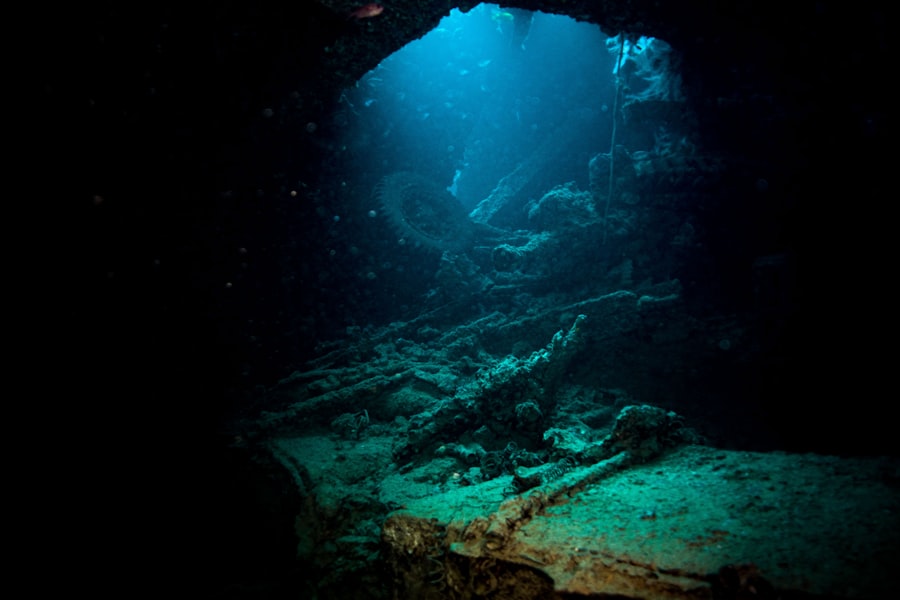
The deep sea, and the CCZ in particular, is often referred to as the ‘last great frontier’ because so much of its biodiversity remains to be discovered and understood. The potential impacts of deep-sea mining on these unknown ecosystems are a profound concern.
The Undiscovered and the Vulnerable: A Biodiversity Hotspot Under Threat
The CCZ is recognized as a global hotspot for biodiversity, with a high proportion of endemic species. Many of these species have exceptionally slow growth rates and long lifespans, making them highly vulnerable to disturbance. The mining process could lead to the extinction of species before they are even discovered and documented, representing an irreversible loss of biological heritage.
Unique Adaptations: Fragile Life Forms at Risk
Life in the deep sea has evolved remarkable adaptations to survive extreme conditions. These adaptations, such as slow metabolism, low reproductive rates, and specialized feeding strategies, also make these organisms ill-suited to withstand rapid environmental change. The physical disturbance, sedimentation, and pollution associated with deep-sea mining represent a drastic shift that these deeply specialized life forms may not be able to tolerate.
Endemism and Irreversible Loss: A Global Responsibility
The high rate of endemism in the CCZ means that many species found there exist nowhere else on Earth. Therefore, any habitat destruction or population decline in this region will result in the extinction of that species globally. This underscores the immense responsibility that humankind has in protecting this unique part of our planet. Once an endemic species is lost from the CCZ, it is lost forever.
Ecosystem Function and Resilience: A Slow Recovery
The deep-sea ecosystem operates on very different timescales compared to surface environments. Recovery from disturbance in the abyssal plains is likely to be exceptionally slow, if it occurs at all. The complex interactions between species, nutrient cycling, and habitat structure are intricately linked and may take millennia to re-establish.
Slow Recovery Rates: A Millennia-Long Process
The slow growth rates and limited reproductive capacity of deep-sea organisms mean that recovery from mining impacts will be measured in centuries, if not millennia. The physical scars on the seafloor may persist for tens of thousands of years. The very stability of the deep-sea environment to which these organisms are adapted is what makes them so slow to bounce back from disruption.
Tipping Points and Irreversible Damage: The Risk of System Collapse
There is a significant risk that deep-sea mining could push certain deep-sea ecosystems beyond their resilience threshold, leading to irreversible damage or a complete collapse of the ecosystem. This would have profound and cascading consequences for the ocean as a whole, impacting global biogeochemical cycles and the health of the wider marine environment. The interconnectedness of the ocean means that damage in one area can have far-reaching and unpredictable consequences for others.
Deep-sea mining in the Clarion-Clipperton Zone has raised significant concerns regarding its environmental impact, particularly on unique ecosystems and biodiversity. An insightful article discusses these implications in detail, highlighting the potential risks to marine life and the delicate balance of deep-sea habitats. For further reading on this critical issue, you can explore the article here: environmental impact of deep-sea mining. Understanding these challenges is essential as we navigate the future of ocean resource extraction.
The Future of the Abyssal Plains: Research, Regulation, and Precaution
| Environmental Impact | Metrics |
|---|---|
| Biodiversity Loss | Number of species affected |
| Habitat Destruction | Area of seafloor impacted |
| Sediment Plumes | Extent of sediment dispersion |
| Chemical Pollution | Concentration of heavy metals in water |
The debate surrounding deep-sea mining is complex, balancing potential economic benefits with significant environmental risks. As you consider this prospect, the need for robust research, stringent regulation, and a precautionary approach becomes paramount.
The Imperative of Research: Knowledge Gaps and Uncertainty
A fundamental challenge facing deep-sea mining is the vast lack of knowledge about the deep-sea environment. Before large-scale exploitation can be considered, extensive scientific research is required to fully understand the biodiversity, ecosystem functions, and potential impacts of mining activities. This research needs to be independent and comprehensive.
Baseline Studies: Understanding What Exists Before It’s Gone
Comprehensive baseline studies are crucial to document the existing biodiversity and ecosystem structure of the CCZ. This inventory is essential for monitoring the impacts of mining and assessing the effectiveness of any mitigation measures. Without a clear understanding of what is present before mining begins, it is impossible to accurately measure the damage caused.
Impact Assessment and Monitoring: Tracking the Damage
Developing and implementing effective environmental impact assessments and long-term monitoring programs are vital. These programs must be designed to detect subtle changes in the ecosystem and to identify potential tipping points. Unfortunately, current monitoring technologies and methodologies for the deep sea are still in their infancy, and the logistical challenges are immense.
Robust Regulation: Safeguarding the Ocean Commons
The International Seabed Authority (ISA) has the responsibility to develop and implement regulations for deep-sea mining. These regulations must be based on the best available scientific evidence and prioritize the protection of the marine environment. This includes a comprehensive environmental impact assessment process, strict operational standards, and effective enforcement mechanisms.
The Precautionary Principle: When in Doubt, Err on the Side of Caution
The precautionary principle dictates that if an action or policy has a suspected risk of causing harm to the public or the environment, in the absence of scientific consensus that harm would not ensue, the burden of proof falls on those taking an action. In the context of deep-sea mining, this means that before mining proceeds, the proponent must demonstrate that it will not cause serious or irreversible harm to the marine environment. Given the significant knowledge gaps, the precautionary principle should be the guiding star.
Moratoria and Protected Areas: A Pause for Prudence
Many scientists and environmental organizations advocate for a moratorium on deep-sea mining until the environmental risks are better understood and effective safeguards can be put in place. The designation of large, representative marine protected areas within the CCZ is also essential to conserve vulnerable ecosystems and biodiversity. These measures are not about halting progress but about ensuring that progress does not come at the irreversible cost of our planet’s most precious and fragile ecosystems. The deep ocean, with its ancient life and delicate balances, demands this respect.
FAQs
What is deep-sea mining?
Deep-sea mining is the process of retrieving mineral deposits from the ocean floor. This can include valuable metals such as copper, nickel, cobalt, and rare earth elements.
What is the Clarion-Clipperton Zone?
The Clarion-Clipperton Zone (CCZ) is a region in the Pacific Ocean that is being targeted for deep-sea mining due to its rich deposits of polymetallic nodules, which contain valuable minerals.
What are the potential environmental impacts of deep-sea mining in the CCZ?
Deep-sea mining in the CCZ could have significant environmental impacts, including habitat destruction, disruption of deep-sea ecosystems, and the release of sediment plumes that could smother marine life.
What are some concerns raised by environmentalists and scientists about deep-sea mining in the CCZ?
Environmentalists and scientists have raised concerns about the potential loss of biodiversity, the unknown long-term effects on deep-sea ecosystems, and the potential for irreversible damage to this largely unexplored and fragile environment.
What are some potential regulations and safeguards for deep-sea mining in the CCZ?
There are ongoing discussions about establishing regulations and safeguards for deep-sea mining in the CCZ, including the development of environmental impact assessments, the establishment of protected areas, and the implementation of monitoring and mitigation measures to minimize the potential negative impacts.