The depths of the Pacific Ocean, a realm of perpetual twilight and immense pressure, are becoming an increasingly attractive frontier for a new kind of resource extraction: deep-sea mining. You might envision colossal machines churning up the seabed, but the reality is more nuanced, and its potential repercussions for one of the Pacific’s most vital resources – tuna – are a growing concern. Your tuna sandwich, your sushi platter, the livelihoods of coastal communities, and the intricate balance of a vast marine ecosystem are all indirectly linked to these deep-sea ventures.
Deep-sea mining refers to the process of extracting mineral deposits from the ocean floor, typically at depths between 200 and 5,000 meters. These deposits, often found on abyssal plains, seamounts, and along mid-ocean ridges, are rich in valuable metals like cobalt, nickel, copper, and manganese, crucial for the manufacturing of electronics, batteries, and renewable energy technologies. The methods employed for extraction are varied, but the most prominent include:
Seabed Mobile Mining Systems
These are akin to underwater bulldozers or vacuum cleaners. Large, autonomous vehicles crawl across the seafloor, scraping or sucking up polymetallic nodules (potato-sized mineral concretions found on the seabed) or cutting into cobalt-rich crusts that form on the flanks of seamounts. These machines are designed to operate in harsh, high-pressure environments. The sediment and minerals are then pumped to the surface via riser pipes.
Seafloor Massive Sulfide (SMS) Mining
This method targets hydrothermal vents, often referred to as “black smokers.” These geologically active areas spew mineral-rich superheated water, creating massive sulfide deposits. Specialized cutting equipment, often resembling giant circular saws or excavators, is used to break apart these sulfide chimneys. The resulting material is then collected and transported to the surface.
Seamounts Mining
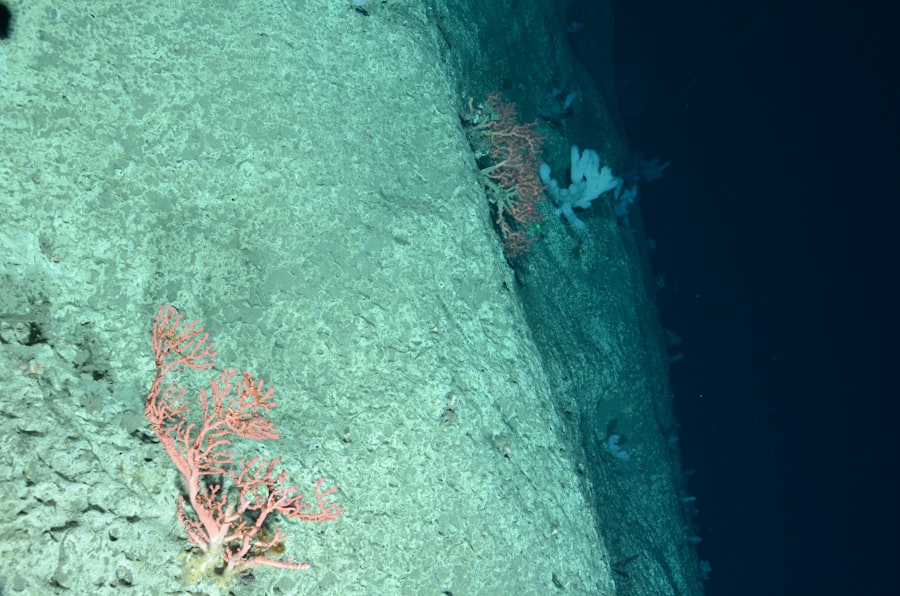
Seamounts, underwater mountains, are often attractive targets due to their higher concentrations of cobalt-rich crusts. Mining operations here involve scraping or cutting these crusts from the seamount slopes. This method can be particularly disruptive to the unique and often slow-growing ecosystems that develop on seamounts.
Deep sea mining has emerged as a contentious issue, particularly concerning its potential impact on Pacific tuna fisheries, which are vital to the region’s economy and food security. An insightful article discussing these implications can be found at Productive Patty, where the environmental concerns and economic stakes of deep sea mining are explored in detail. The article highlights how mining activities could disrupt the delicate marine ecosystems that support tuna populations, raising alarms among environmentalists and local fishing communities alike.
The Pacific’s Vital Tuna Fisheries
The Pacific Ocean is the world’s largest producer of tuna, a fish that is not only a globally significant food source but also sustains numerous economies and cultures across the region. These iconic migratory species – including skipjack, yellowfin, bigeye, and albacore tuna – undertake vast journeys, shaping complex food webs and underpinning the economic stability of many island nations and coastal communities. Understanding the dynamics of these fisheries is crucial before considering the potential impacts of deep-sea mining.
Tuna Species and Their Habitats
Your interest in tuna might focus on the delicious flesh, but these fish are far more than just a culinary item. Different species occupy distinct ecological niches within the Pacific. Skipjack tuna, for instance, are often found in the upper water column and are a key target for purse seine fisheries. Yellowfin and bigeye tuna, on the other hand, inhabit deeper, warmer waters, often congregating around underwater features. Albacore tuna are known for their longer migrations and are found in cooler, temperate waters. These varied habitats mean that their exposure to the potential impacts of deep-sea mining can differ significantly.
The Economic and Social Significance
For many Pacific island nations, tuna is not merely a commodity; it’s a lifeline. The revenues generated from tuna fishing licenses and exports often represent a substantial portion of their GDP. Beyond government revenue, these fisheries support a vast network of jobs, from fishermen and cannery workers to researchers and support staff. Disruptions to these fisheries can have cascading negative effects on food security, employment, and the cultural identity of island communities. Your understanding of this economic dependency is vital for appreciating the gravity of the potential impacts.
Tuna Migration Patterns
Tuna are highly migratory, traversing thousands of kilometers across the Pacific. Their movements are influenced by ocean currents, temperature, and the availability of prey. These extensive migrations mean that any disturbance in one area could potentially have far-reaching consequences for tuna populations in distant regions. The migratory routes of tuna often take them through waters where deep-sea mining exploration and potential operations are being considered.
Potential Impacts of Deep Sea Mining on Tuna Habitats
While deep-sea mining operations occur at significant depths, their influence is not confined to the immediate seabed. The physical and chemical disturbances generated by these activities can propagate through the water column and affect the broader marine environment, including the habitats that tuna rely upon. Your awareness of these indirect effects is key to a comprehensive understanding.
Sediment Plumes and Water Column Turbidity
One of the most immediate concerns is the generation of sediment plumes. When mining vehicles disturb the seafloor, fine particles of sediment can be stirred up, creating clouds of suspended matter. These plumes can drift for considerable distances, carried by ocean currents. The increased turbidity can reduce light penetration, impacting phytoplankton productivity, which forms the base of the marine food web. For tuna, a reduction in plankton could mean less food available for their prey.
Effects on Photosynthesis
Phytoplankton, microscopic marine algae, are responsible for a significant portion of the Earth’s oxygen production through photosynthesis. If sediment plumes reduce the amount of sunlight reaching the surface waters, phytoplankton growth can be significantly hampered. Since many small fish and invertebrates that tuna feed on rely on phytoplankton directly or indirectly, a decline in phytoplankton populations can have a detrimental ripple effect.
Obstruction of Filter Feeders
Some organisms that tuna prey upon, or that are part of the larger food web, are filter feeders. Increased turbidity can clog the feeding apparatus of these organisms, reducing their ability to consume food and potentially leading to starvation or reduced reproductive success.
Noise Pollution and Marine Mammals
Deep-sea mining operations involve the use of heavy machinery, pumps, and vessel traffic, all of which generate significant underwater noise. This noise pollution can be particularly disruptive to marine mammals, which rely heavily on sound for communication, navigation, and foraging. While tuna are fish, the disruption of their ecosystem, including the behavior of marine mammals that might predate on them or compete for food, can indirectly affect tuna populations.
Impact on Cetacean Communication and Navigation
Whales and dolphins, for example, use complex vocalizations to communicate, find mates, and locate prey. Persistent, loud noise from mining operations can mask these essential sounds, leading to disorientation, stress, and avoidance of important feeding or breeding grounds. Changes in the behavior of these large predators could have unforeseen consequences for the tuna populations they interact with.
Disruption of Prey Localization
Many marine predators, including some species of tuna and their predators, use echolocation or sound to locate prey. Noise pollution can interfere with their ability to detect and capture food sources, impacting their foraging success.
Habitat Alteration and Loss
The direct physical disturbance of the seabed by mining equipment can lead to the complete destruction or alteration of habitats. Areas rich in biodiversity, such as seamounts and hydrothermal vents, are particularly vulnerable. While tuna may not directly forage on the deep seabed itself, the structures and ecosystems that exist there can support the food web that ultimately sustains tuna.
Seamount Ecosystems
Seamounts are often biodiversity hotspots, hosting unique communities of corals, sponges, and fish. These ecosystems can act as nurseries for juvenile fish or as resting and feeding grounds for migratory species. The physical removal of seamount crusts or destruction of vent communities can eliminate these crucial habitats, impacting the entire food web.
Benthic Fauna Disruption
The seafloor supports a diverse array of organisms, including crustaceans, mollusks, and various worms. These benthic invertebrates are often prey for larger fish, and their disruption can have cascading effects up the food chain.
Indirect Impacts on Tuna Behavior and Food Sources
The impacts of deep-sea mining are not limited to the physical environment; they can also directly influence the behavior and availability of food for tuna. Your understanding of these indirect pathways is critical for a complete risk assessment.
Changes in Prey Distribution and Availability
If sediment plumes alter the distribution of plankton or disorient filter feeders, the food sources for smaller fish that tuna prey upon will be affected. This can lead to a shift in prey distribution, forcing tuna to expend more energy searching for food or to move to less suitable areas.
Zooplankton Displacement
Zooplankton, small marine animals that form a crucial link in the marine food web, can be affected by increased turbidity and altered water chemistry. If their distribution shifts, the fish that feed on them will also shift, followed by the larger predatory fish, including tuna.
Foraging Efficiency Reduction
As prey becomes more dispersed or harder to find due to environmental changes, tuna may experience a reduction in their foraging efficiency. This can lead to slower growth rates, reduced reproductive success, and increased vulnerability to predation.
Attraction or Repulsion Effects
The operational noise and the artificial structures created by mining equipment could, paradoxically, attract or repel certain species. While preliminary, some research suggests that certain fish may be attracted to the structures for shelter or as a source of food. Conversely, the noise and disturbance might push tuna and their prey away from traditional feeding grounds.
Aggregation Around Structures
Underwater structures, even artificial ones, can sometimes become focal points for marine life. Whether this is beneficial or detrimental to tuna depends on the species and the specific context. If structures attract predators of tuna, it could increase their mortality. If they attract prey, it could be beneficial, but this is speculative and likely site-specific.
Avoidance of Mining Areas
Tuna, like many migratory species, have preferences for certain environmental conditions. Significant, persistent disturbances like noise and turbidity might cause them to avoid areas where mining operations are active, potentially disrupting their established migratory routes and access to crucial feeding grounds.
The growing interest in deep sea mining has raised significant concerns regarding its potential impact on Pacific tuna fisheries, which are vital for both the ecosystem and local economies. A recent article explores how the disruption of marine habitats from mining activities could threaten tuna populations and the livelihoods of communities that depend on them. For more insights on this pressing issue, you can read the full article here.
The Regulatory Landscape and Future Uncertainties
| Impact on Pacific Tuna Fisheries | Metrics |
|---|---|
| Decrease in Tuna Population | Percentage of decline in tuna population due to deep sea mining activities |
| Disruption of Tuna Migration | Number of tuna migration routes affected by deep sea mining operations |
| Changes in Tuna Behavior | Observations of altered feeding and breeding patterns in tuna due to mining activities |
| Impact on Tuna Habitat | Extent of damage to tuna spawning and feeding grounds caused by deep sea mining |
Governing deep-sea mining is a complex, evolving challenge. The responsible management of this emerging industry, particularly in relation to vulnerable ecosystems and vital fisheries, requires robust international cooperation and precautionary approaches. Your perspective on the current state of regulation is important for understanding the path forward.
The Role of the International Seabed Authority (ISA)
The ISA is an intergovernmental organization established by the United Nations Convention on the Law of the Sea (UNCLOS). It is responsible for organizing, regulating, and controlling all mineral-related activities in the international seabed area, the “Area,” beyond national jurisdiction. The ISA’s mandate is to ensure that the mineral resources of the Area are managed for the benefit of humankind as a whole. This includes establishing rules, regulations, and procedures for exploration and exploitation, as well as protecting the marine environment.
Development of Mining Codes
The ISA is currently developing a comprehensive mining code, which will set out the detailed requirements for deep-sea mining contractors. This code is subject to ongoing negotiation and debate among member states, industry representatives, and environmental organizations. The content of this code will be critical in determining the level of environmental protection afforded to deep-sea ecosystems.
Environmental Impact Assessments
The ISA requires contractors to conduct environmental impact assessments (EIAs) before they can obtain exploration or exploitation licenses. However, the effectiveness and rigor of these EIAs are often debated, with concerns raised about the adequacy of baseline data and the long-term monitoring requirements.
Precautionary Principle and Mitigation Strategies
The precautionary principle suggests that where there are threats of serious or irreversible damage, lack of full scientific certainty should not be used as a reason for postponing cost-effective measures to prevent environmental degradation. Applying this principle to deep-sea mining means that operations should not proceed if there is a significant risk of harm to marine ecosystems, particularly without a thorough understanding of the potential impacts.
Research Gaps and Knowledge Deficits
A significant challenge is the lack of comprehensive scientific knowledge about deep-sea ecosystems. Many of these environments are poorly understood, and the long-term consequences of mining are largely unknown. Closing these research gaps is crucial for informed decision-making.
Development of Mitigation Technologies
Various technologies are being developed to mitigate the environmental impacts of deep-sea mining, such as specialized sediment plume containment systems and quieter machinery. However, the effectiveness and feasibility of these technologies at scale remain to be proven.
The Long-Term Outlook for Pacific Tuna
The long-term outlook for Pacific tuna fisheries is intrinsically linked to the health of the ocean environment. If deep-sea mining proceeds without stringent oversight and a deep commitment to environmental protection, it could contribute to a decline in tuna stocks and the degradation of the marine ecosystem upon which they depend. The economic and social fabric of Pacific island nations could be severely impacted. Your informed engagement with these issues is crucial for advocating for sustainable management practices and ensuring the future of these vital resources. The decisions made today regarding deep-sea mining will echo through the ocean for generations to come.
FAQs
What is deep sea mining?
Deep sea mining is the process of retrieving mineral deposits from the ocean floor. This is typically done using remotely operated vehicles to collect nodules or ore deposits containing valuable metals such as copper, nickel, cobalt, and rare earth elements.
How does deep sea mining impact Pacific tuna fisheries?
Deep sea mining can potentially impact Pacific tuna fisheries through the destruction of habitats, changes in water quality, and disturbances to the marine ecosystem. This can lead to a decline in tuna populations and disrupt the livelihoods of fishing communities that rely on tuna for sustenance and income.
What are the potential environmental consequences of deep sea mining on Pacific tuna fisheries?
The potential environmental consequences of deep sea mining on Pacific tuna fisheries include habitat destruction, increased sedimentation, disruption of food chains, and the release of toxic substances into the water. These factors can have a negative impact on tuna populations and the overall health of the marine ecosystem.
Are there regulations in place to mitigate the impact of deep sea mining on Pacific tuna fisheries?
Currently, there are limited regulations specifically addressing the impact of deep sea mining on Pacific tuna fisheries. However, there are international efforts to develop guidelines and regulations to minimize the environmental impact of deep sea mining activities, including those that may affect tuna populations.
What are some potential solutions to mitigate the impact of deep sea mining on Pacific tuna fisheries?
Potential solutions to mitigate the impact of deep sea mining on Pacific tuna fisheries include the establishment of marine protected areas, the implementation of strict environmental regulations for deep sea mining activities, and the promotion of sustainable fishing practices. Additionally, further research and monitoring of the impact of deep sea mining on tuna populations are essential for developing effective conservation measures.