Project planning is an essential element of effective project management. Regardless of project scope—from minor tasks to major initiatives—a structured plan significantly improves outcomes. A comprehensive project plan functions as a strategic guide, directing teams through each project phase while maintaining alignment with established objectives.
The absence of a clear plan often results in navigating uncertain conditions, which frequently causes miscommunication, schedule delays, and project failure. Additionally, project planning improves communication between team members and stakeholders.
When all parties share a common understanding of project objectives and deadlines, it establishes clarity and shared purpose. Team members can clearly understand their specific roles and responsibilities, reducing errors and improving coordination. Effective project planning therefore establishes the foundation for success while creating conditions that support productive teamwork.
You can learn more about overcoming the perfectionism loop in this insightful video.
Key Takeaways
- Effective project planning is crucial for achieving clear goals and successful outcomes.
- Identifying objectives and assessing resources help create realistic timelines and task delegation.
- Risk assessment and contingency plans prepare the project for potential challenges.
- Continuous communication, monitoring, and adaptability ensure smooth progress.
- Celebrating milestones and evaluating results foster learning and improvement for future projects.
Identifying Project Goals and Objectives
The first step in any project planning process is to identify clear goals and objectives. This is where you define what you want to achieve and establish measurable outcomes that will guide your efforts. Setting specific, measurable, achievable, relevant, and time-bound (SMART) goals is essential for maintaining focus throughout the project lifecycle.
By articulating your goals clearly, you create a shared vision that motivates your team and aligns their efforts toward a common purpose. In addition to setting goals, it’s crucial to break them down into smaller, manageable objectives. This approach allows you to track progress more effectively and make adjustments as needed.
For instance, if your goal is to launch a new product, your objectives might include conducting market research, developing a prototype, and executing a marketing strategy. By outlining these objectives, you can create a structured plan that guides your actions and keeps you accountable.
Assessing Resources and Constraints
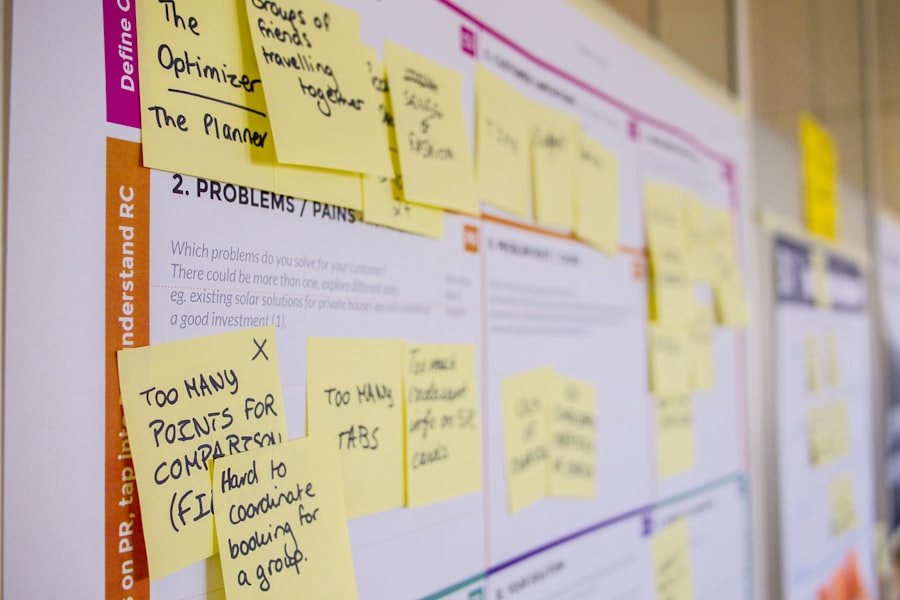
Once you have established your project goals and objectives, the next step is to assess the resources at your disposal and identify any constraints that may impact your project. Resources can include personnel, budget, equipment, and time. Understanding what you have available will help you allocate these resources efficiently and avoid overextending yourself or your team.
In addition to assessing resources, it’s equally important to recognize any constraints that may pose challenges during the project. These could be external factors such as regulatory requirements or internal limitations like budget restrictions. By identifying these constraints early on, you can develop strategies to mitigate their impact.
This proactive approach not only enhances your ability to navigate challenges but also empowers you to make informed decisions throughout the project.
Creating a Realistic Timeline
A realistic timeline is a cornerstone of effective project planning. It provides a framework for scheduling tasks and milestones while ensuring that you stay on track to meet your goals. When creating a timeline, consider the complexity of each task and the dependencies between them.
This will help you allocate sufficient time for each phase of the project while avoiding bottlenecks that could derail progress. In addition to setting deadlines for individual tasks, it’s essential to build in buffer time for unexpected delays or challenges. Life is unpredictable, and projects often encounter unforeseen obstacles that can impact timelines.
By incorporating flexibility into your schedule, you can adapt more easily to changes without compromising the overall success of the project. A well-structured timeline not only keeps you organized but also instills confidence in your team as they work toward achieving project milestones.
Delegating Responsibilities and Tasks
| Metric | Description | Ideal Range | Notes |
|---|---|---|---|
| Planning Time | Amount of time spent on initial project planning | 10-20% of total project duration | Ensures sufficient planning without causing delays |
| Number of Planning Meetings | Count of meetings held to finalize project plan | 3-5 meetings | Enough to cover key points without over-discussion |
| Scope Definition Completeness | Percentage of project scope clearly defined at planning stage | 70-85% | Allows flexibility for adjustments during execution |
| Risk Identification Coverage | Percentage of major risks identified and documented | 60-75% | Focus on critical risks to avoid over-preparation |
| Resource Allocation Accuracy | Degree to which allocated resources match actual needs | 80-90% | Balances preparedness with resource efficiency |
| Contingency Planning Level | Extent of contingency plans developed | Minimal to moderate | Prepares for key uncertainties without exhaustive scenarios |
| Plan Revision Frequency | Number of times the project plan is revised before execution | 1-2 times | Prevents over-planning and keeps plan adaptable |
Effective delegation is key to maximizing productivity and ensuring that all aspects of the project are managed efficiently. As a project manager or team leader, it’s your responsibility to assign tasks based on each team member’s strengths and expertise. By understanding the skills and capabilities of your team, you can delegate responsibilities in a way that empowers individuals while fostering collaboration.
When delegating tasks, it’s important to provide clear instructions and expectations. This includes outlining deadlines, deliverables, and any necessary resources or support. Open communication is vital during this process; encourage team members to ask questions or seek clarification if needed.
By fostering an environment of trust and support, you can enhance team morale and ensure that everyone feels valued in their contributions to the project.
Risk Assessment and Contingency Planning

Every project comes with its own set of risks and uncertainties. Conducting a thorough risk assessment allows you to identify potential issues before they arise and develop contingency plans to address them effectively. Start by brainstorming possible risks associated with your project—these could range from budget overruns to resource shortages or even changes in market conditions.
Once you have identified potential risks, prioritize them based on their likelihood of occurrence and potential impact on the project. For each significant risk, create a contingency plan outlining how you will respond if it materializes. This proactive approach not only prepares you for challenges but also instills confidence in your team that you are equipped to handle unexpected situations.
Communication and Collaboration
Effective communication is the backbone of successful project management. Establishing clear channels of communication ensures that everyone involved in the project is informed about progress, changes, and any challenges that arise. Regular check-ins and updates can help keep team members aligned and engaged throughout the project lifecycle.
Collaboration is equally important; fostering a culture of teamwork encourages creativity and innovation. Encourage open dialogue among team members, allowing them to share ideas and insights freely. Utilizing collaborative tools such as project management software can streamline communication and enhance transparency, making it easier for everyone to stay connected and informed.
Monitoring and Tracking Progress
Monitoring progress is essential for ensuring that your project stays on track toward achieving its goals. Implementing key performance indicators (KPIs) allows you to measure progress against established objectives effectively. Regularly reviewing these metrics helps you identify areas where adjustments may be needed or where additional support may be required.
In addition to tracking quantitative metrics, consider gathering qualitative feedback from team members throughout the project. This feedback can provide valuable insights into team dynamics, morale, and any challenges they may be facing. By actively engaging with your team during this process, you can foster a culture of continuous improvement that enhances overall project performance.
Adapting to Changes and Challenges
No matter how well you plan, projects often encounter unexpected changes or challenges along the way. The ability to adapt quickly is crucial for maintaining momentum and ensuring success. When faced with unforeseen circumstances, take a step back to assess the situation objectively.
Identify what has changed and how it impacts your project goals. Once you have a clear understanding of the new landscape, collaborate with your team to develop solutions or alternative strategies. Flexibility is key; being open to adjusting timelines or reallocating resources can help you navigate challenges more effectively.
Embracing change as an opportunity for growth rather than a setback will empower both you and your team to overcome obstacles with resilience.
Celebrating Milestones and Achievements
Celebrating milestones is an important aspect of project management that often gets overlooked amidst the hustle of deadlines and deliverables.
Take time to acknowledge when key milestones are reached or when significant tasks are completed; this reinforces a sense of accomplishment among team members.
Celebrations don’t have to be extravagant; simple gestures such as team shout-outs during meetings or small rewards can go a long way in fostering a positive work environment. By celebrating achievements together, you create a culture of appreciation that encourages continued effort and commitment toward achieving the project’s ultimate goals.
Evaluating the Project and Learning for Future Planning
Once the project is complete, it’s essential to conduct a thorough evaluation to assess its overall success and identify areas for improvement in future planning efforts. Gather feedback from all stakeholders involved in the project—this includes team members, clients, and any other relevant parties. Analyzing this feedback will provide valuable insights into what worked well and what could be improved upon.
In addition to gathering feedback, review key performance metrics against your initial goals and objectives. Did you meet your deadlines? Were resources allocated effectively?
Understanding these aspects will help inform your approach for future projects. By taking the time to evaluate each project thoroughly, you position yourself for continuous growth as a project manager while enhancing your team’s effectiveness in future endeavors. In conclusion, effective project planning encompasses various elements that contribute to overall success—from identifying goals to celebrating achievements at every stage of the process.
By prioritizing communication, collaboration, adaptability, and evaluation throughout your projects, you set yourself up for success while fostering an environment where teams thrive together toward shared objectives.
Effective project planning is crucial for the success of any initiative, but it’s important to strike a balance between thorough preparation and flexibility. Over-preparation can lead to analysis paralysis, where teams become so bogged down in details that they struggle to move forward. For insights on how to navigate this delicate balance, you can check out a related article on project planning at Productive Patty. This resource offers practical tips to help teams plan effectively without getting lost in the minutiae.
WATCH THIS! 🎯 PERFECTIONISM LOOP THAT KILLS YOUR DREAMS — How to Break Free in 5 Minutes
FAQs
What is project planning without over preparation?
Project planning without over preparation involves creating a clear and effective plan for a project without spending excessive time or resources on unnecessary details. It focuses on balancing thoroughness with efficiency to ensure the project progresses smoothly.
Why is avoiding over preparation important in project planning?
Avoiding over preparation helps prevent delays, reduces wasted effort, and allows teams to adapt quickly to changes. It ensures that planning is practical and actionable rather than overly complex or time-consuming.
How can I avoid over preparation when planning a project?
To avoid over preparation, focus on defining clear objectives, identifying key tasks, setting realistic timelines, and allocating resources efficiently. Use iterative planning methods and prioritize essential information to keep the plan concise and flexible.
What are the risks of over preparation in project planning?
Over preparation can lead to analysis paralysis, increased costs, missed deadlines, and reduced team motivation. It may also cause the project to become inflexible, making it harder to respond to unforeseen challenges.
Can project planning without over preparation still ensure project success?
Yes, effective project planning without over preparation can still lead to successful outcomes by emphasizing clarity, prioritization, and adaptability. The key is to plan sufficiently to guide the project while remaining open to adjustments.
What tools can help with efficient project planning?
Tools such as project management software (e.g., Trello, Asana, Microsoft Project), simple Gantt charts, and collaborative platforms can help streamline planning without overcomplicating the process.
How detailed should a project plan be to avoid over preparation?
A project plan should be detailed enough to outline objectives, deliverables, timelines, and responsibilities but avoid unnecessary minutiae. The level of detail depends on the project’s complexity and stakeholder requirements.
Is iterative planning a good approach to prevent over preparation?
Yes, iterative planning allows teams to develop the plan in stages, incorporating feedback and changes as the project progresses. This approach helps avoid spending too much time on upfront planning and supports continuous improvement.