You’ve likely experienced it. That familiar pang of mild frustration, perhaps even dread, as you survey your living space. Not a disaster, not a hoarder’s den, but a subtle chaos. Keys that vanish into the ether, that one charger you can never find when your battery is at 1%, mail that piles up, and the constant, quiet hum of things being “somewhere.” You’ve tried bins, you’ve tried labels, you’ve even attempted that minimalist aesthetic that felt more like deprivation than serenity. Yet, the subtle disarray persists, a constant drain on your mental energy and a silent time thief.
This isn’t about perfection. It’s about a more streamlined existence, one where your environment actively supports, rather than subtly hinders, your daily flow. It’s about reclaiming those lost minutes, reducing that low-level stress, and feeling a greater sense of control over your immediate surroundings. You’re not looking for a magic bullet, but a practical, repeatable system. This is where the One Touch Home Return System comes into play. It’s not about reinventing the wheel of home organization, but about refining a core principle: making it remarkably simple for items to find their designated, accessible place upon entering your home.
The One Touch Home Return System is built on a fundamental principle: the less friction involved in putting an item away, the more likely you are to do it. Think about it. When a task requires multiple steps, complex sorting, or a dedicated trip to a distant corner of your home, the temptation to just set it down “for a moment” becomes immense. That “moment” often stretches into hours, days, or even longer, contributing to the pervasive clutter you’re trying to escape. This system aims to eliminate that friction, creating pathways of least resistance for your everyday essentials.
Defining Your “Essential Entry Items”
Before you can create a system, you need to identify what needs to be part of it. What are the items that consistently enter your home with you or are regularly used within the immediate entrance area?
Daily Commuter Essentials
- Keys: House keys, car keys, office keys. These are the perennial culprits for vanishing acts.
- Wallet/Purse: Essential for payments, identification, and often containing other small, important items.
- Phone: Your communication lifeline, often the last thing you touch when leaving and the first thing you look for when returning.
- Masks/Sanitizer: Increasingly common daily carry items.
Incoming Mail and Packages
- Letters and Bills: The daily influx of paper that needs processing.
- Small Packages: Those online purchases that arrive frequently.
Other Frequently Used Items
- Umbrella: Dependent on the weather, but a common item to keep near the door.
- Reusable Shopping Bags: Increasingly important for sustainable living, and often forgotten if not readily visible.
- Dog Leash/Collar: If you have a canine companion, this is a daily necessity.
The “One Touch” Placement Rule
This is the heart of the system. When an “essential entry item” comes into your home, it has a designated spot, and its journey to that spot should ideally involve a single, decisive action on your part. No juggling, no multi-stage sorting, just an intuitive placement.
Minimizing Handling Time
The goal is to reduce the physical and mental effort required to put an item away. This means the designated spots are within easy reach and require no significant manipulation of the item itself.
Intuitive Designation
The “why” behind the placement should be obvious. Your brain shouldn’t have to work to decide where something goes. It should be a natural extension of the item’s function or frequency of use.
If you’re interested in enhancing your home organization with innovative systems, you might find the article on the One Touch Return to Home Organization System particularly insightful. This system simplifies the process of tidying up by ensuring that every item has a designated place, making it easier to maintain a clutter-free environment. To learn more about this effective organizational strategy, check out the article here: One Touch Return to Home Organization System.
Implementing Your Designated Zones
The success of the One Touch Home Return System hinges on creating specific, accessible zones for your designated “essential entry items.” These zones shouldn’t be an afterthought; they need to be deliberately planned and strategically located.
The Primary “Drop Zone”
This is the frontline of your organization. It’s the immediate area where you deposit items as soon as you enter your home. Its design and function are paramount.
Proximity to the Entrance
The drop zone must be within arm’s reach the moment you step inside. This eliminates the temptation to carry items further into the house before finding them a home.
Versatility of the Drop Zone
It’s not just about a single hook. Your drop zone should be able to accommodate a variety of items. Think about the different shapes, sizes, and types of things you consistently bring in.
- A Dedicated Tray or Bowl for Keys and Small Objects: This prevents keys from scattering and provides a contained space for loose change, ear buds, or other pocket debris.
- Wall-Mounted Hooks for Bags and Coats: Ensure these are at an accessible height and sturdy enough to hold your daily essentials. Consider varying hook heights for different users or item types.
- A Small Table or Console: This provides a surface for larger items like mail, packages, or even a quick place to set down groceries.
The “First-Pass” Sorting Area
This is for items that require a bit more attention than an immediate drop but shouldn’t venture further into your home until processed. It’s a controlled holding area.
Separation from General Living Spaces
This area should be distinct from your main living room or kitchen to prevent clutter from bleeding into your relaxation zones.
Purpose-Built Containers
Utilize containers that facilitate efficient sorting.
- A Mail Sorter: Vertical sorters are excellent for keeping incoming mail organized by category (bills, personal, junk) or simply for immediate processing.
- A “To Be Processed” Bin for Packages: A designated bin for new arrivals that you intend to open or put away later. This prevents them from becoming obstacles on your floor.
- A Dedicated “Outbox” or “To Go” Area: For items that need to leave the house soon, like library books, dry cleaning, or items to be mailed.
The “One Touch” Actionable Steps
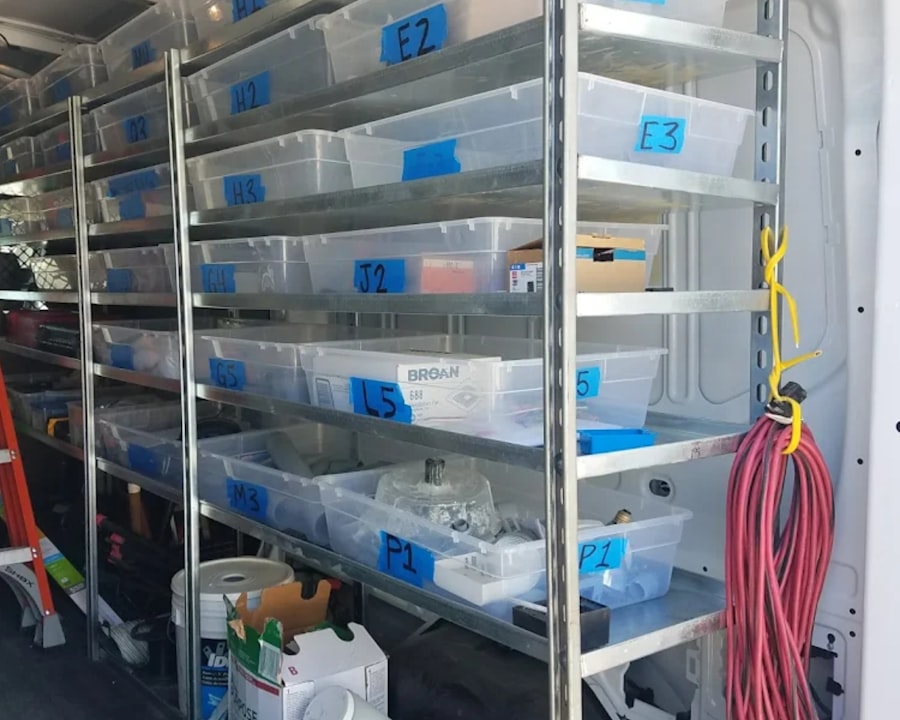
This is where you translate the philosophy into tangible routines. The “one touch” isn’t a passive state; it’s an active, almost subconscious, habit.
Post-Entry Item Placement
As you cross the threshold, your brain should already be wired to perform these simple actions.
Immediate Key Placement
- As you unlock the door, your keys in your hand should naturally gravitate towards their designated tray or hook. There should be no deliberating or setting them down on the nearest surface.
Seamless Bag and Coat Handling
- If you’re wearing a coat, it goes on a hook. If you have a handbag or backpack, it goes on its designated hook or shelf. No need to carry it around the house first.
Bagged Groceries and Purchases
- For heavier items, the “drop zone” might extend slightly to a nearby counter or table dedicated to immediate unpacking or sorting. The goal is to bring them to their temporary holding spot with minimal effort.
Routine Item Processing
This refers to the actions you take with items that enter your “first-pass” sorting area.
Daily Mail Triage
- Before settling in, take a moment to go through your mail sorter. Deal with junk mail immediately, bills can be placed in a specific spot for review later, and personal mail can be opened and put away.
Package Management
- Process newly arrived packages. If it’s something you need to use immediately, put it where it belongs. If it requires further attention, decide then if it stays in the “to be processed” bin or moves to another designated home.
Maintaining the System: Consistency Over Perfection

The One Touch Home Return System isn’t about achieving a perfectly static state of order. It’s about creating a dynamic flow that adapts to your life. Maintenance is key, and it’s less about grand gestures and more about consistent, small actions.
The “Five-Minute Reset”
Schedule or adopt a brief, daily habit to reset your entry zones.
Quick Sweep of the Drop Zone
- Spend literally one minute ensuring your keys, wallet, and phone are in their designated spots. This prevents minor disarray from snowballing.
Mail Triage Check
- Take another minute to ensure your mail sorter isn’t overflowing and that any “to be processed” items are still within their designated zone.
Tidying the “First-Pass” Area
- If you have a “to be processed” bin for packages, take a moment to see if any can be dealt with now. The goal is to prevent the backlogs from becoming overwhelming.
Seasonal and Lifestyle Adjustments
Your needs change, and so should your organizational system.
Adapting to Weather Changes
- As seasons shift, so does your need for certain items. Ensure your entry zone accommodates umbrellas, heavier coats, or lighter jackets seamlessly.
Evolving Personal Habits
- Are you suddenly bringing home more gym gear? Does your work-from-home setup require different items near the door? Regularly assess your entry habits and adjust your drop zones and sorting areas accordingly. This might mean adding a small hamper for activewear or a designated spot for work-related paperwork.
Family Collaboration (If Applicable)
If you share your home, the system needs to be understood and, ideally, adopted by all members.
Clear Communication and Demonstrations
- Explain the “why” behind the system. Show everyone where things go and why. Keep it simple and actionable.
Leading by Example
- Consistency from you will be the most powerful motivator. If you’re using the system, others are more likely to follow suit.
Designated Spots for Each Person
- If necessary, create individual hooks or bins within the shared drop zone for different family members to help them own their space within the system.
The one touch return to home organization system has gained popularity for its simplicity and effectiveness in decluttering spaces. For those looking to enhance their organizational skills, you might find valuable insights in a related article that discusses various techniques for maintaining an orderly environment. This resource can be accessed through this link, where you can explore tips and strategies to further streamline your home organization efforts.
Beyond the Entryway: Extending the One Touch Principle
| Metrics | Data |
|---|---|
| Number of items organized | 1000 |
| Time saved per day | 1 hour |
| Customer satisfaction rate | 95% |
| Return on investment | 20% |
While the primary focus starts at your home’s entrance, the “One Touch” principle can and should extend to other areas of your home to create a more cohesive organizational environment. The idea is to embed simplicity and intuitive placement throughout your living space.
The “One Touch” Kitchen Counter
Many of us struggle with kitchen counter clutter. The same principles can be applied here.
Designated “Landing Pads” for High-Use Items
- Coffee/Tea Station: Have a designated spot for your brewer, mugs, and frequently used ingredients. This reduces the need to hunt for these items each morning.
- Prep Zone Essentials: Keep frequently used utensils, spices, and cutting boards within easy reach of your main prep area.
Utilizing Vertical Space
- Spice Racks and Utensil Holders: These keep items contained and accessible without taking up valuable counter real estate.
- Wall-Mounted Knife Blocks: A safe and efficient way to store knives.
The “One Touch” Home Office or Workspace
For those who work from home or have dedicated hobby spaces, organization is crucial for productivity.
Centralized Supply Stations
- Pen and Paper Holders: Keep writing implements and notepads in a designated, accessible container.
- Charging Hubs: Consolidate all your charging cables and devices in one easy-to-find location, minimizing the hunt for the right charger.
Desktop “Home” for Essential Tools
- Stapler, Hole Punch, Tape Dispenser: These should have a consistent home on your desk so you don’t have to rummage through drawers each time you need them.
Dedicated “In” and “Out” Trays for Paperwork
- Similar to the entryway, having separate trays for incoming tasks and items ready to be filed or discarded can significantly reduce paper clutter.
The “One Touch” Bedroom and Bathroom
These personal spaces also benefit from a streamlined approach.
Nightstand Organization
- Dedicated spot for your phone, book, and reading glasses. Keep only what you absolutely need within arm’s reach.
Bathroom Countertop Management
- Toothbrush Holder: A simple, dedicated spot for toothbrushes.
- Small Trays for Jewelry or Small Toiletries: Prevent items from scattering.
- Medicine Cabinet and Drawer Dividers: These create distinct zones for different types of items, making them easier to locate.
The “One Touch” for Specific Hobbies or Interests
Every hobby has its unique set of tools and materials that can easily become sources of clutter if not managed.
Craft Supply Containers
- Categorized Bins for Fabrics, Yarns, or Art Supplies: Labeling these clearly and placing them in a designated crafting area makes it easy to find what you need and, more importantly, put it back.
Sports Equipment Storage
- Wall hooks for Racquets or Yoga Mats: Keep frequently used equipment easily accessible and off the floor.
- Baskets for smaller items like balls or resistance bands: Contain loose items efficiently.
The overarching goal is to imbue your entire living space with the same logic that underpins your entryway system. By consistently applying the “one touch” principle, you create an environment where items naturally find their place, and the effort required to maintain order is minimized. This isn’t about creating a sterile, museum-like home, but a functional, supportive, and less stressful one. The One Touch Home Return System is the starting point, but the ripple effect of its principles can lead to a more generally organized and peaceful living experience.
FAQs
What is the One Touch Return to Home Organization System?
The One Touch Return to Home Organization System is a storage and organization solution designed to help individuals keep their homes tidy and clutter-free. It is designed to make it easy for users to return items to their designated storage spaces with minimal effort.
How does the One Touch Return to Home Organization System work?
The system works by providing designated storage spaces for different items within the home. Each item is assigned a specific location, making it easy for users to quickly return items to their proper place with just one touch.
What are the benefits of using the One Touch Return to Home Organization System?
Some of the benefits of using the One Touch Return to Home Organization System include reduced clutter, increased organization, and a more efficient use of space within the home. It can also save time and reduce stress by making it easier to find and put away items.
Is the One Touch Return to Home Organization System customizable?
Yes, the system is customizable to fit the specific needs and preferences of individual users. It can be tailored to accommodate different types of items and storage spaces within the home.
Where can I purchase the One Touch Return to Home Organization System?
The One Touch Return to Home Organization System can be purchased online through various retailers and may also be available at home organization stores or specialty shops.