
Embrace Quiet Adventure with Silent Walks
There’s a pervasive narrative in our society that equates adventure with adrenaline, with loud exhilaration and the conquering of difficult terrain. We’re bombarded with images of daring feats, of pushing limits and chasing the next big thrill. But what if adventure could also exist in stillness, in a hushed encounter with the world around you? You are about to discover the profound and often overlooked power of silent walks, a quiet adventure that resides within your reach, offering a different kind of exploration, a deeper connection, and a potent form of rejuvenation.
You might initially dismiss the idea of a “silent walk” as rather quaint, perhaps even a bit dull. After all, haven’t you always been told that adventure requires noise, movement, and a certain amount of hubris? Yet, within the deliberate act of walking without the constant soundtrack of conversation, music, or internal chatter, a remarkable transformation can occur. This isn’t about rejecting the vibrant aspects of life; it’s about recognizing that richness can also be found in the absence of external stimuli.
Redefining Adventure Beyond the Spectacle
Consider the typical portrayals of adventure. They often involve scaling mountains, navigating treacherous rapids, or exploring remote jungles. These are undoubtedly thrilling experiences, but they are also high-octane, demanding significant physical and mental exertion, and often requiring substantial resources. Your silent walk, however, offers an adventure that is accessible to almost everyone, regardless of physical ability or financial means. It’s an adventure that resides not in conquering external challenges, but in the subtle conquest of your own internal noise.
The Internal Landscape as a Frontier
For too long, you’ve likely focused your attention outward, seeking novel experiences and external validation. The silent walk invites you to turn your gaze inward, to explore the vast and often unexamined landscape of your own mind. Without the distractions of social interaction or the stimulation of digital feeds, your thoughts begin to take on a different quality. They may become clearer, more nuanced, or perhaps you’ll discover entirely new patterns of thinking. This internal exploration is a genuine frontier, offering insights and understanding that can be far more impactful than any external conquest.
The Sensory Reawakening
One of the most immediate and rewarding aspects of a silent walk is the reawakening of your senses. In our hurried, multi-tasking lives, we often move through the world on autopilot, our senses dulled by constant input. When you commit to silence, you create the space for these senses to come alive again.
Listening to the Unheard
When your ears are free from the chatter of conversation or the hum of technology, you become acutely aware of the subtle symphony of nature. You might hear the intricate rustling of leaves, the distinct call of different bird species, the gentle murmur of a distant stream, or even the almost imperceptible crunch of your own footsteps on gravel. These sounds, often lost in the din of everyday life, create a rich and immersive experience.
Distinguishing the Subtle Auditory Cues
Pay attention to the nuances. Can you differentiate between the sound of wind rustling through pine needles versus deciduous leaves? Can you identify the agitated chirp of a sparrow when a perceived threat is near? This act of focused listening is not merely passive; it’s an active engagement with your environment, a form of deep listening that fosters a sense of presence.
Seeing with Renewed Clarity
Just as your hearing sharpens, so too does your vision. Without the distraction of conversation, you are more likely to notice the intricate details of your surroundings. The subtle variations in color on a leaf, the delicate structure of a spiderweb, the way sunlight filters through the canopy, the texture of bark on a tree – these are all elements that might have previously passed you by.
Appreciating the Microcosm
Your silent walk is an invitation to appreciate the microcosm. You might find yourself mesmerized by the industriousness of an ant colony, the dewdrop clinging precariously to a blade of grass, or the intricate patterns of moss growing on a stone. These small wonders, often overlooked, offer a profound sense of beauty and complexity.
Cultivating a Deeper Connection with Nature
The act of walking in natural settings is often associated with a sense of well-being, but adding silence to the experience amplifies this connection. It allows you to move beyond a superficial appreciation and foster a more intimate relationship with the natural world.
Becoming Part of the Environment
When you are silent, you disrupt the environment less. You become less of an intruder and more of a participant. This can lead to a remarkable phenomenon: wildlife may become more accustomed to your presence, allowing for closer observation than you might otherwise achieve. You are no longer simply observing nature from a distance; you are subtly integrating into its fabric.
Observing Wildlife with Respectful Distance
You might find yourself encountering creatures you wouldn’t normally see, or observing familiar ones in new ways. A deer grazing peacefully in a meadow, a squirrel darting up a tree, a dragonfly hovering over a pond – these moments of shared space, facilitated by your quiet presence, can be incredibly moving. Remember to maintain a respectful distance, allowing the animals to exist undisturbed.
Noticing the Rhythms of the Natural World
Beyond individual encounters, silence allows you to attune yourself to the broader rhythms of nature. You can observe the cyclical patterns of growth and decay, the subtle shifts in light throughout the day, or the changing scent of the air as the seasons progress. This awareness fosters a sense of interconnectedness and a deeper understanding of your place within the larger ecological system.
Understanding Seasonal Transitions
Even a short walk can reveal subtle indicators of seasonal change. The unfurling of new buds in spring, the profusion of wildflowers in summer, the vibrant hues of autumn foliage, or the stark beauty of bare branches in winter – these are all tangible manifestations of nature’s enduring cycles, made more apparent when you are not rushing past them.
Silent walks can serve as a refreshing way to embrace low-stakes novelty, allowing individuals to connect with their surroundings and thoughts without the distractions of modern life. For those interested in exploring this concept further, a related article can be found at Productive Patty, which delves into the benefits of mindful walking and how it can enhance creativity and reduce stress.
The Psychological Benefits of Intentional Solitude
Beyond the sensory and environmental engagements, the silent walk offers significant psychological benefits. It provides a dedicated space for introspection, stress reduction, and the cultivation of inner peace, often proving more effective than forced relaxation techniques.
A Sanctuary for Your Mind
In a world that constantly demands your attention, a silent walk offers a sanctuary for your mind. It’s a deliberate act of stepping away from the demands of modern life, offering respite from the relentless barrage of information and social obligations. This intentional solitude allows you to recharge and reset.
Escaping the Digital Onslaught
Your smartphone, though a powerful tool, can also be a constant source of distraction and anxiety. By choosing to leave it behind or to switch it off during your silent walks, you liberate yourself from the pressure to respond, to engage, and to be constantly available. This digital detox is a crucial component of the silent adventure.
Setting Boundaries for Digital Well-being
The practice of silent walks can train you to set healthier boundaries with technology in other areas of your life. You begin to realize that you don’t need to be constantly connected to feel engaged or informed. This can translate into more focused work, more present relationships, and a greater sense of control over your attention.
Silent walks can provide a refreshing break from the noise of daily life, allowing individuals to reconnect with their thoughts and surroundings. For those interested in exploring the benefits of such tranquil experiences, a related article discusses how low stakes novelty can enhance creativity and mindfulness. You can read more about it in this insightful piece on productive habits. Engaging in silent walks not only fosters a sense of peace but also encourages a deeper appreciation for the world around us.
Reducing Stress and Anxiety
The act of walking itself is a known stress reliever, but when combined with silence, its therapeutic effects are amplified. The rhythmic motion, coupled with the absence of cognitive load from conversation or internal rumination, can have a profound impact on your nervous system. You discover a potent antidote to the pressures of daily life.
The Calming Effect of Rhythmic Movement
The repetitive motion of walking can induce a meditative state. Your body’s natural rhythm can synchronize with the environment, promoting a sense of calm and grounding. This physical activity, devoid of performance pressure, allows your mind to quiet down.
Mindful Walking as a Form of Moving Meditation
You may find yourself naturally slipping into a form of moving meditation. Your breath may deepen, your muscles may relax, and your thoughts may begin to flow more smoothly, without resistance. This isn’t about achieving a specific mental state, but rather about allowing whatever arises to be observed without judgment.
Fostering Self-Awareness and Clarity
The quiet introspection afforded by a silent walk can lead to surprising insights about yourself. Without the influence of external opinions or the need to formulate responses, your true thoughts and feelings can surface, offering a clearer understanding of your motivations, desires, and challenges.
Unpacking Complex Thoughts
When you’re not pressed for an answer or influenced by another’s perspective, you have the space to truly unpack complex thoughts. You can revisit decisions, explore different angles of a problem, or simply allow yourself to ponder abstract ideas without interruption. This unhurried contemplation can lead to significant personal growth.
Identifying Recurring Patterns of Thought
During a silent walk, you might begin to notice recurring thought patterns that have been operating beneath the surface of your awareness. Perhaps you find yourself repeatedly worrying about the same things, or experiencing certain anxieties without understanding their origins. This self-awareness is the first step toward addressing these patterns.
Practicalities for Your Silent Adventure
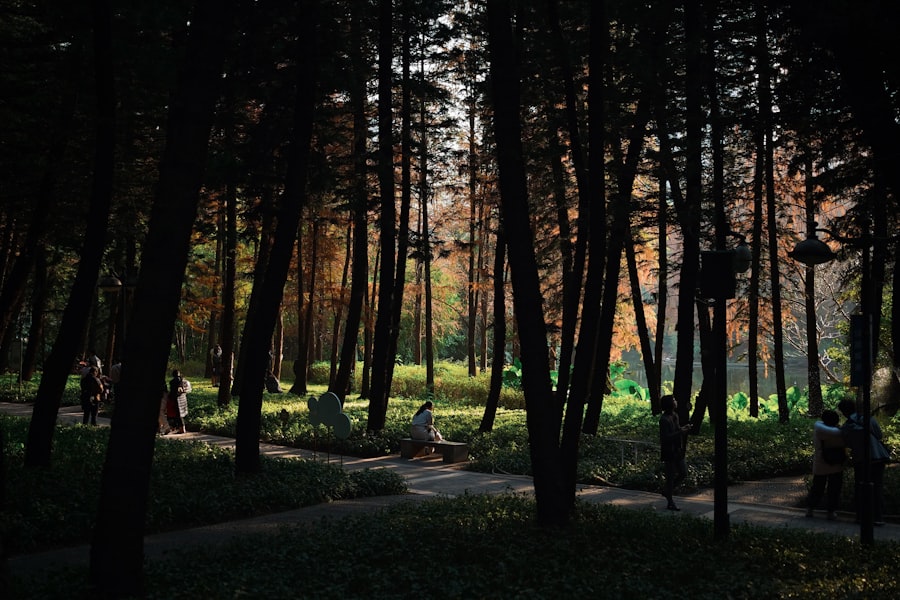
Embarking on a silent adventure doesn’t require elaborate preparation. The beauty of this practice lies in its simplicity and accessibility. However, a few thoughtful considerations can enhance your experience and ensure it remains a positive and rewarding endeavor.
Choosing Your Location and Time Wisely
The environment you choose can significantly impact the quality of your silent walk. While any quiet space can work, certain locations lend themselves particularly well to this form of exploration.
Parks and Nature Trails
Local parks and designated nature trails are often ideal. They offer a degree of natural beauty and a reduction in urban noise. Look for trails that are less frequented, especially during peak hours, to maximize the sense of solitude.
Exploring Urban Green Spaces
Even within a bustling city, you can often find pockets of tranquility. University campuses, botanical gardens, or less-trafficked sections of larger city parks can provide surprisingly peaceful walking routes.
Early Mornings and Late Afternoons
Consider the times of day. Early mornings, before the world fully awakens, and late afternoons, as the day winds down, often offer the quietest periods.
Embracing the Dawn Chorus or the Evening Calm
The dawn chorus of birds provides a unique auditory experience in the early morning, while the serene ambiance of the late afternoon can be equally captivating for a different kind of contemplative stroll.
Essential Gear and Minimalist Approach
The beauty of silent walks is their low-tech nature. You don’t need specialized equipment, but a few considered items can make your experience more comfortable and enjoyable.
Comfortable Footwear
This is paramount. Ensure you have supportive and comfortable shoes appropriate for the terrain you’ll be traversing. Blisters and discomfort will detract from the silent adventure.
Investing in Quality Walking Shoes
Consider investing in a good pair of walking shoes, especially if you plan to make silent walks a regular practice. They can make a significant difference in your comfort and endurance.
Weather-Appropriate Clothing
Dress in layers, anticipating changes in temperature and potential weather shifts. Being comfortably dressed allows you to focus on your experience rather than being preoccupied with the elements.
Consulting a Weather Forecast
Before you head out, take a moment to check the local weather forecast. This allows you to pack accordingly and avoid being caught unprepared.
Optional: Water and a Small Snack
For longer walks, carrying a reusable water bottle is a good idea. A small, easily digestible snack can also be beneficial if you anticipate needing a little energy boost.
Hydration as a Key to Sustained Enjoyment
Staying hydrated is important for overall well-being and can prevent fatigue, allowing you to fully immerse yourself in the experience of your silent walk.
Setting Intentions (Without Rigidity)
While the essence of a silent walk is spontaneity and openness, setting a gentle intention can add focus to your experience. However, avoid being overly prescriptive.
A Gentle Purpose for Your Walk
Your intention might be as simple as “to observe,” “to clear my head,” or “to appreciate the present moment.” This provides a gentle direction without creating pressure to achieve a specific outcome.
Allowing for Unforeseen Discoveries
The most profound moments often arise unexpectedly. Be open to the discoveries that emerge, even if they weren’t part of your initial intention. The adventure lies in the journey, not just a predetermined destination.
Deepening the Practice: Beyond the Occasional Stroll
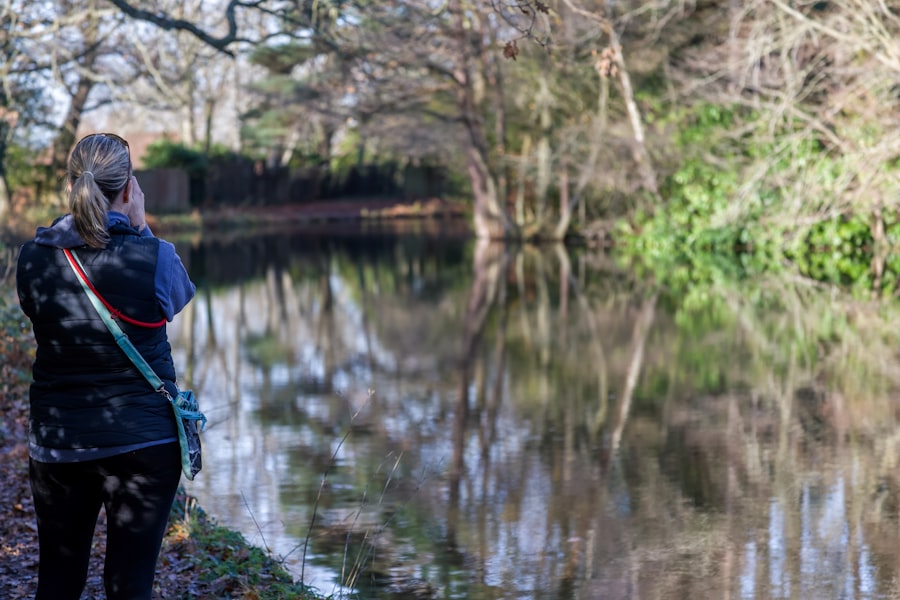
Once you’ve experienced the initial allure of silent walks, you might find yourself wanting to integrate this practice more consistently into your life. This isn’t about creating another chore, but about nurturing a source of ongoing rejuvenation and discovery.
Establishing a Regular Routine
Consistency is key to reaping the full benefits of any practice. Even short, regular silent walks can be more impactful than infrequent, long excursions.
Integrating into Your Weekly Schedule
Look for opportunities to weave silent walks into your existing routine. Perhaps a weekday lunch break, a weekend morning, or even a short walk before bed can become your designated quiet time.
Finding Pockets of Time in Busy Schedules
You don’t need an entire afternoon. Even 20-30 minutes of dedicated silence and movement can offer significant mental and emotional relief.
Varying Your Environments and Experiences
To keep the practice fresh and engaging, intentionally seek out different walking environments. This exposes you to new sensory inputs and challenges.
Exploring Urban and Natural Landscapes
Alternating between a quiet park, a woodland trail, or even a less-trafficked urban street can offer varied experiences. Each environment presents its unique symphony of sounds and sights.
Discovering Local Gems
Make a point of exploring lesser-known trails or natural areas in your vicinity. This can lead to unexpected discoveries and a deeper appreciation for your local surroundings.
Reflecting and Journaling (Optional but Beneficial)
While some choose to remain in pure silence, others find value in externalizing their experiences afterwards. This can solidify insights and provide a record of their journey.
Post-Walk Introspection
After your walk, take a few moments to simply sit with your thoughts and feelings. Allow the sensations and observations from your silent journey to settle within you.
Journaling Your Observations and Insights
If you are inclined, keeping a journal can be a powerful tool. Jot down any observations, thoughts, or feelings that emerged during your walk. This can help you identify patterns and track your progress.
Sharing the Experience (When and If You Choose)
The solitary nature of the silent walk is its core, but there may come a time when you wish to share its essence with others.
The Power of Quiet Guidance
You might find yourself naturally encouraging friends or family to try a silent walk, not by forcing the experience upon them, but by gently explaining its benefits and offering a guided walk as an invitation.
Inspiring Others Through Example
Often, the most compelling way to inspire others is through your own transformed demeanor. Your increased sense of calm, your sharper observation skills, and your general well-being may speak volumes about the power of silent adventure.
Embrace the quiet adventure that awaits you. Your silent walk is not about escaping the world, but about re-engaging with it, and with yourself, in a profound and deeply personal way. It is an ongoing exploration, a continuous rediscovery, and a testament to the extraordinary richness found in the stillness.
FAQs
What are silent walks?
Silent walks are a form of walking meditation where participants walk in silence, focusing on their surroundings and their own thoughts. It is a practice of mindfulness and being present in the moment.
What are the benefits of silent walks?
Silent walks can help reduce stress, improve mental clarity, and promote a sense of calm and relaxation. It allows individuals to connect with nature and themselves, and can be a form of self-care and reflection.
How can I participate in silent walks?
You can participate in silent walks by finding organized groups or events in your community that offer this activity. Alternatively, you can also engage in silent walks on your own by choosing a peaceful location and dedicating time for a silent walk.
What should I bring for a silent walk?
For a silent walk, it is recommended to wear comfortable clothing and footwear suitable for walking. Bringing water, a journal, and a camera to capture moments of inspiration or beauty can also enhance the experience.
Are silent walks suitable for everyone?
Silent walks can be suitable for individuals of all ages and fitness levels. However, it is important to consider any physical limitations or health concerns before participating. It is always advisable to consult with a healthcare professional before engaging in any new physical activity.