
The MVP (Minimum Viable Product) approach is a product development strategy centered on delivering only the essential features needed to satisfy user requirements while conserving time and resources. This methodology prioritizes functionality over perfection, allowing teams to focus on value creation rather than unnecessary refinement. The initial product release need not be comprehensive; it requires sufficient functionality to collect user feedback and test core assumptions.
The MVP framework promotes an experimental approach to product development. Teams systematically test hypotheses, collect performance data, and refine the product based on actual user behavior. This iterative cycle enables continuous product improvement and allows for strategic pivots when data indicates a change in direction is warranted.
The approach requires flexibility and responsiveness to user insights, ensuring development efforts remain aligned with market needs and user preferences, even when the development path requires course corrections.
Key Takeaways
- Adopt an MVP mindset by focusing on essential features and continuous improvement.
- Set achievable goals and view failures as valuable learning experiences.
- Prioritize self-growth and maintain a growth mindset to foster development.
- Actively seek feedback, stay adaptable, and iterate based on insights.
- Build resilience by embracing challenges, taking risks, and celebrating progress.
Setting Realistic Goals
Setting realistic goals is crucial for maintaining motivation and ensuring progress. When you establish objectives that are achievable, you create a roadmap that guides your actions and decisions. You should start by breaking down larger aspirations into smaller, manageable tasks.
This not only makes the journey less daunting but also allows you to celebrate small victories along the way. By setting specific, measurable, attainable, relevant, and time-bound (SMART) goals, you can create a clear vision of what success looks like for you. Moreover, it’s essential to regularly reassess your goals as you progress.
Life is dynamic, and circumstances can change rapidly. By remaining flexible and adjusting your goals as needed, you can stay aligned with your evolving priorities and aspirations.
Remember, the key is not just to set goals but to ensure they are realistic and aligned with your current capabilities and resources. You can learn more about overcoming the perfectionism loop in this insightful video.
Embracing Failure as a Learning Opportunity

Failure is often viewed negatively, but when you shift your perspective, it becomes a valuable teacher. Embracing failure as a learning opportunity allows you to analyze what went wrong and extract lessons that can inform your future endeavors. Instead of fearing mistakes, you should welcome them as integral parts of your growth journey.
Each setback provides insights that can lead to better decision-making and improved strategies moving forward. When you adopt this mindset, you’ll find that failure no longer feels like an endpoint but rather a stepping stone toward success. You can cultivate resilience by reflecting on your experiences and identifying patterns in your behavior or decision-making processes that may have contributed to the failure.
This self-reflection not only enhances your problem-solving skills but also builds confidence in your ability to navigate challenges. Ultimately, embracing failure empowers you to take risks and pursue ambitious goals without the paralyzing fear of making mistakes.
Prioritizing Self-Improvement
Prioritizing self-improvement is essential for personal and professional growth. You should actively seek opportunities to enhance your skills, knowledge, and overall well-being. This commitment to continuous learning can take many forms, from enrolling in courses and attending workshops to reading books or engaging in meaningful conversations with mentors.
By investing in yourself, you equip yourself with the tools necessary to adapt to changing circumstances and seize new opportunities. Additionally, self-improvement requires self-awareness. You must take the time to reflect on your strengths and weaknesses honestly.
Understanding where you excel can help you leverage those skills effectively, while recognizing areas for growth allows you to focus your efforts strategically. By setting aside time for self-reflection and actively seeking feedback from others, you can create a personalized development plan that aligns with your goals and aspirations.
Cultivating a Growth Mindset
| Metric | Description | Measurement Method | Target Value | Frequency |
|---|---|---|---|---|
| Iteration Speed | Time taken to complete one cycle of personal development improvement | Track days/weeks between setting a goal and reviewing progress | 1-2 weeks per iteration | Per iteration |
| Goal Completion Rate | Percentage of personal development goals completed within a set timeframe | Number of goals completed / total goals set | 80% or higher | Monthly |
| Feedback Incorporation | Degree to which feedback is integrated into personal growth plans | Self-assessment and peer feedback comparison | At least 70% of feedback applied | After each feedback session |
| Learning Velocity | Number of new skills or concepts learned per month | Count of new skills/concepts documented | 2-3 new skills per month | Monthly |
| Minimum Viable Experimentation | Number of small-scale experiments or habit tests conducted | Track experiments initiated and outcomes | At least 1 experiment per week | Weekly |
| Adaptability Score | Self-rated ability to pivot or adjust plans based on results | Survey or self-rating scale (1-10) | 7 or above | Quarterly |
Cultivating a growth mindset is fundamental to achieving long-term success. This mindset is characterized by the belief that abilities and intelligence can be developed through dedication and hard work. When you embrace a growth mindset, challenges become opportunities for growth rather than obstacles to avoid.
You begin to see effort as a pathway to mastery, which encourages persistence in the face of difficulties. To foster a growth mindset, surround yourself with positive influences—people who inspire you and challenge you to think differently. Engage in activities that push you out of your comfort zone, whether it’s taking on new responsibilities at work or pursuing hobbies that require skill development.
By consistently challenging yourself and embracing new experiences, you reinforce the belief that growth is possible and that setbacks are merely part of the learning process.
Seeking Feedback and Iterating
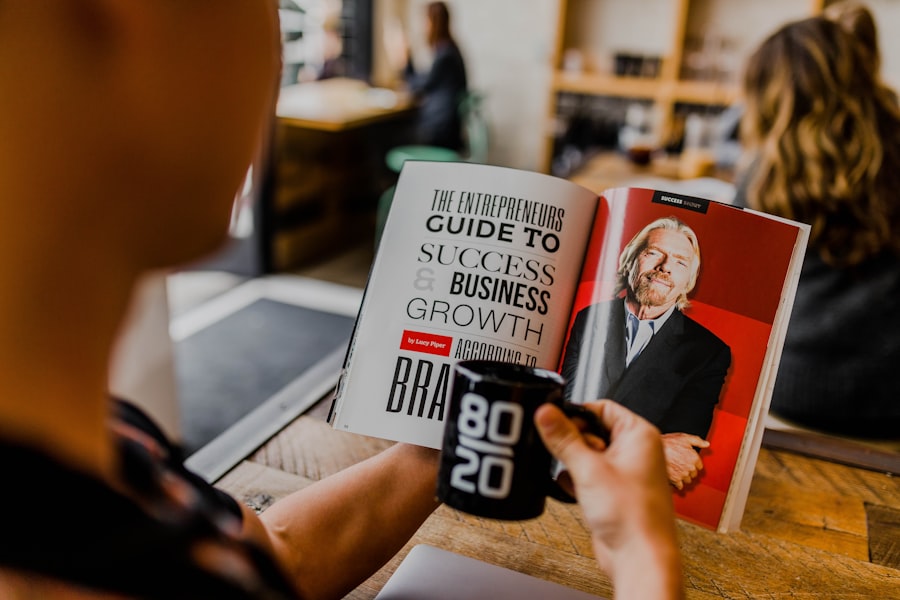
Seeking feedback is an invaluable practice that can significantly enhance your personal and professional development. When you actively solicit input from others, you gain diverse perspectives that can illuminate blind spots in your thinking or approach. Constructive criticism can be uncomfortable at times, but it is essential for growth.
By welcoming feedback with an open mind, you demonstrate a commitment to improvement and a willingness to adapt based on others’ insights. Once you receive feedback, it’s crucial to iterate on your ideas or projects based on what you’ve learned. This iterative process allows you to refine your work continuously and align it more closely with the needs of your audience or stakeholders.
Remember that iteration doesn’t mean abandoning your original vision; instead, it’s about enhancing it through informed adjustments. By embracing this cycle of feedback and iteration, you position yourself for ongoing success and innovation.
Embracing Adaptability and Flexibility
In today’s fast-paced world, adaptability and flexibility are essential traits for navigating change effectively. You must be willing to adjust your plans and strategies in response to new information or shifting circumstances. This doesn’t mean abandoning your goals; rather, it involves being open to alternative paths that may lead to success.
When faced with unexpected challenges or opportunities, your ability to pivot can make all the difference in achieving your desired outcomes. To cultivate adaptability, practice mindfulness and stay attuned to your environment. Being aware of external factors that may impact your plans allows you to respond proactively rather than reactively.
Additionally, embrace uncertainty as a natural part of life; instead of fearing it, view it as an opportunity for exploration and growth. By fostering a mindset of adaptability, you empower yourself to thrive in any situation.
Focusing on Incremental Progress
Focusing on incremental progress is a powerful strategy for achieving long-term goals without feeling overwhelmed. Rather than fixating on the end result, concentrate on making small, consistent improvements over time. This approach not only makes large projects more manageable but also helps maintain motivation as you witness tangible progress along the way.
Celebrate each step forward, no matter how minor it may seem; these small victories accumulate over time and contribute significantly to your overall success. Moreover, incremental progress allows for greater flexibility in adjusting your approach as needed. If something isn’t working as planned, you can easily pivot without feeling like you’ve lost everything you’ve worked for.
By breaking down larger tasks into smaller milestones, you create a sense of accomplishment that fuels further motivation and commitment to your goals.
Embracing Challenges and Taking Risks
Embracing challenges and taking risks are essential components of personal growth and achievement. When you step outside of your comfort zone, you expose yourself to new experiences that can lead to valuable insights and skills development. While it’s natural to feel apprehensive about taking risks, remember that every successful individual has faced challenges along their journey.
By reframing challenges as opportunities for growth rather than threats, you empower yourself to tackle them head-on. Taking calculated risks also involves assessing potential outcomes and preparing for various scenarios. This proactive approach allows you to make informed decisions while still embracing uncertainty.
Building Resilience and Perseverance
Building resilience is crucial for overcoming adversity and maintaining focus on your goals despite setbacks. Resilience is not just about bouncing back from failure; it’s about developing the mental fortitude to keep moving forward even when faced with challenges. To cultivate resilience, practice self-care by prioritizing physical health, mental well-being, and emotional balance.
Engaging in activities that recharge you—whether through exercise, meditation, or spending time with loved ones—can help fortify your resilience. Perseverance goes hand-in-hand with resilience; it’s the determination to keep pushing forward despite difficulties or discouragements. When faced with obstacles, remind yourself of your long-term vision and the reasons behind your goals.
This sense of purpose will fuel your perseverance during tough times. By building both resilience and perseverance into your daily life, you’ll develop a strong foundation that enables you to navigate challenges with confidence.
Celebrating Small Wins and Milestones
Celebrating small wins and milestones is an essential practice for maintaining motivation throughout your journey toward larger goals. Acknowledging these achievements reinforces positive behavior and reminds you of how far you’ve come. Whether it’s completing a challenging task or reaching a specific milestone in a project, take the time to recognize these moments of success—doing so fosters a sense of accomplishment that propels you forward.
Incorporating celebrations into your routine doesn’t have to be elaborate; simple gestures like treating yourself or sharing accomplishments with friends can be incredibly rewarding. These celebrations serve as reminders that progress is being made, even if it feels slow at times. By consistently celebrating small wins along the way, you’ll cultivate a positive mindset that encourages continued effort toward achieving your ultimate aspirations.
In conclusion, adopting an MVP mindset involves understanding the importance of setting realistic goals while embracing failure as a learning opportunity. Prioritizing self-improvement and cultivating a growth mindset will empower you on this journey. Seeking feedback allows for iteration while adaptability ensures you’re prepared for change.
Focusing on incremental progress helps maintain motivation as you embrace challenges and take risks along the way. Building resilience will support perseverance through adversity while celebrating small wins keeps the momentum alive as you strive toward greater achievements.
The concept of a minimum viable product (MVP) is not only applicable in the realm of startups and product development but can also be a powerful mindset for personal development. By focusing on the essentials and iterating based on feedback, individuals can make significant strides in their personal growth. For more insights on how to apply this mindset effectively, check out this article on Productive Patty.
WATCH THIS! 🎯 PERFECTIONISM LOOP THAT KILLS YOUR DREAMS — How to Break Free in 5 Minutes
FAQs
What is a Minimum Viable Product (MVP) mindset?
The Minimum Viable Product (MVP) mindset is an approach that focuses on creating the simplest version of a product or solution that can be released to test ideas and gather feedback quickly. It emphasizes learning and iteration over perfection.
How does the MVP mindset apply to personal development?
In personal development, the MVP mindset encourages individuals to start with small, manageable changes or goals rather than waiting for the perfect plan. It promotes taking action, learning from experiences, and continuously improving oneself incrementally.
Why is adopting an MVP mindset beneficial for personal growth?
Adopting an MVP mindset helps reduce procrastination and fear of failure by focusing on progress rather than perfection. It allows individuals to test new habits or skills early, receive feedback, and adjust their approach, leading to more effective and sustainable personal growth.
Can the MVP mindset help overcome perfectionism?
Yes, the MVP mindset directly counters perfectionism by valuing early action and learning over flawless execution. It encourages embracing imperfection as part of the growth process, which can help individuals move forward without being stuck by unrealistic standards.
What are some examples of applying the MVP mindset in personal development?
Examples include starting a new habit with a simple, achievable step (like meditating for one minute daily), trying out a new skill with a basic project, or setting a small goal to test motivation before committing to larger objectives.
How can feedback be integrated into the MVP mindset for personal development?
Feedback can come from self-reflection, mentors, peers, or measurable outcomes. Using this feedback, individuals can assess what works, what doesn’t, and make informed adjustments to their personal development strategies.
Is the MVP mindset suitable for all types of personal development goals?
While the MVP mindset is versatile, it is especially effective for goals that benefit from experimentation and iteration, such as skill acquisition, habit formation, and behavioral changes. Some goals requiring long-term commitment or external validation may need additional strategies alongside the MVP approach.
How does the MVP mindset encourage continuous learning?
By focusing on releasing a minimum viable version and iterating based on feedback, the MVP mindset fosters a cycle of experimentation, reflection, and improvement, which naturally supports ongoing learning and adaptation.
Can the MVP mindset reduce the fear of failure in personal development?
Yes, because it frames failure as a learning opportunity rather than a setback. By starting small and iterating, individuals can minimize risks and view challenges as part of the growth process.
Where can I learn more about adopting an MVP mindset for personal development?
Resources include books on lean startup principles, personal development blogs, online courses on growth mindset and habit formation, and workshops focused on iterative learning and goal setting.