
Stoicism, an ancient Greek philosophy founded in Athens by Zeno of Citium, provides a comprehensive framework for addressing life’s complexities. At its foundation, Stoicism identifies virtue—comprising wisdom, courage, justice, and temperance—as the supreme good. This philosophical tradition emphasizes rationality and self-control, advocating for concentration on controllable factors while accepting the uncontrollable.
Stoics maintained that developing internal peace and resilience leads to a fulfilling life, independent of external circumstances. The historical depth of Stoicism includes significant contributors who shaped its doctrines. Prominent thinkers such as Seneca, Epictetus, and Marcus Aurelius produced extensive writings that remain relevant in contemporary times.
Their philosophical insights highlight that while life presents numerous challenges and uncertainties, one’s response to these difficulties determines character. Stoic principles foster a mindset centered on personal development and emotional health, enabling individuals to manage life’s fluctuations with dignity and equanimity.
Key Takeaways
- Stoicism teaches resilience by focusing on what we can control and accepting what we cannot.
- Practicing mindfulness and gratitude enhances emotional stability and mental clarity.
- Embracing acceptance helps in letting go of negative emotions and reduces suffering.
- Living in harmony with nature encourages purpose and meaning in daily life.
- Stoic values strengthen relationships through empathy, wisdom, and courage.
Applying Stoic Principles to Everyday Challenges
In your daily life, you encounter a myriad of challenges that can test your patience and resolve. Whether it’s dealing with a difficult colleague at work or facing unexpected setbacks, applying Stoic principles can provide you with the tools to respond effectively. One key aspect of Stoicism is the practice of distinguishing between what is within your control and what is not.
By focusing your energy on your thoughts, actions, and reactions, you can cultivate a sense of empowerment that helps you navigate even the most trying situations. For instance, when faced with criticism or negativity from others, instead of reacting defensively, you can choose to reflect on the feedback objectively. This approach allows you to maintain your composure and consider whether there is any truth in the criticism.
By doing so, you not only demonstrate emotional maturity but also open yourself up to personal growth. Remember that challenges are opportunities for learning; by applying Stoic principles, you can transform obstacles into stepping stones toward greater resilience.
Cultivating Resilience and Inner Strength
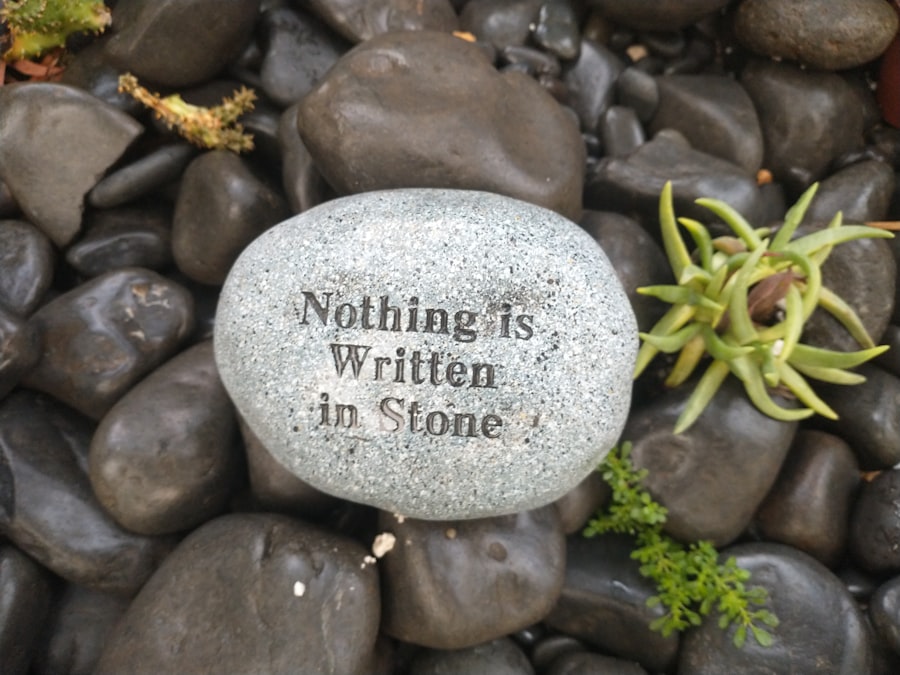
Resilience is a vital quality that enables you to bounce back from adversity and maintain your well-being in the face of life’s challenges. Stoicism teaches that resilience is not merely about enduring hardships but also about developing an inner strength that allows you to thrive despite them. You can cultivate this resilience by practicing self-reflection and embracing discomfort as a natural part of life.
When you confront your fears and uncertainties head-on, you build a foundation of strength that empowers you to face future challenges with confidence. Moreover, the Stoic practice of negative visualization can be a powerful tool in fostering resilience. By imagining worst-case scenarios, you prepare yourself mentally for potential setbacks.
This exercise helps you appreciate what you have while simultaneously reducing the fear of loss. As you become more comfortable with uncertainty, you’ll find that your capacity for resilience grows. Embracing the Stoic mindset allows you to view challenges as opportunities for growth rather than insurmountable obstacles.
Embracing the Power of Acceptance and Letting Go
Acceptance is a cornerstone of Stoic philosophy, teaching you to embrace reality as it is rather than how you wish it to be. This principle encourages you to let go of attachments to outcomes and expectations that are beyond your control. When you practice acceptance, you free yourself from the burden of frustration and disappointment.
Instead of resisting what life throws your way, you learn to navigate it with grace and poise. Letting go can be particularly liberating when it comes to past grievances or regrets. Holding onto negative emotions only serves to weigh you down and hinder your personal growth.
By adopting a Stoic perspective, you can acknowledge your feelings without allowing them to dictate your actions. This process of acceptance enables you to move forward with clarity and purpose, fostering a sense of peace within yourself.
Fostering Emotional Stability and Mental Clarity
| Metric | Description | Daily Implementation Example | Expected Benefit |
|---|---|---|---|
| Emotional Resilience | Ability to remain calm and composed under stress | Practice negative visualization for 5 minutes | Reduced anxiety and improved stress management |
| Mindfulness | Awareness of present moment without judgment | Reflect on daily actions and thoughts each evening | Increased self-awareness and better decision-making |
| Control Focus | Distinguishing between what is within and outside your control | List concerns and categorize them by control | Improved focus on actionable tasks and reduced frustration |
| Virtue Practice | Living according to wisdom, courage, justice, and temperance | Set daily intentions aligned with Stoic virtues | Enhanced moral character and personal integrity |
| Gratitude | Appreciation for what one has | Write down three things you are grateful for each day | Increased happiness and contentment |
| Journaling | Reflective writing to process thoughts and progress | Spend 10 minutes journaling about challenges and responses | Greater clarity and emotional regulation |
In a world filled with distractions and uncertainties, emotional stability is essential for maintaining mental clarity. Stoicism offers practical strategies for achieving this stability by encouraging you to cultivate mindfulness and self-awareness. By regularly reflecting on your thoughts and emotions, you can identify patterns that may be contributing to stress or anxiety.
This awareness allows you to take proactive steps toward managing your emotional state. Additionally, practicing gratitude can significantly enhance your emotional stability. By focusing on the positive aspects of your life and expressing appreciation for them, you shift your mindset away from negativity.
This practice aligns with Stoic teachings by reminding you that happiness is not found in external circumstances but rather in your perspective. As you foster emotional stability through these practices, you’ll find that mental clarity follows suit, enabling you to make more thoughtful decisions in your daily life.
Living in Harmony with Nature and the Universe
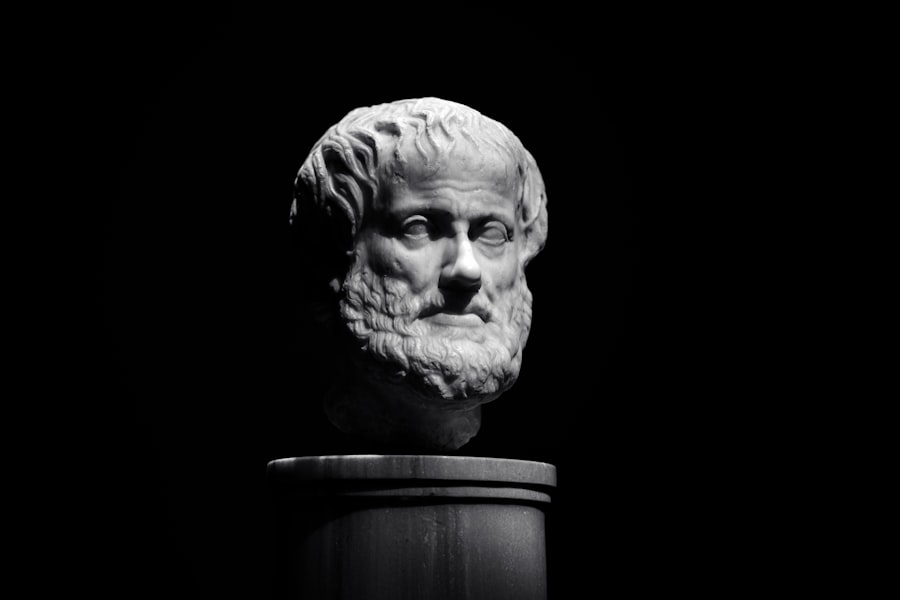
Stoicism emphasizes the importance of living in harmony with nature and understanding your place within the larger universe. This perspective encourages you to recognize that everything is interconnected and that your actions have consequences beyond your immediate surroundings. By aligning yourself with the natural order of things, you can cultivate a sense of purpose and belonging.
You may find solace in the idea that nature operates according to its own laws and rhythms. By observing the world around you—whether it’s the changing seasons or the cycles of life—you can gain insight into the impermanence of existence. Embracing this understanding allows you to approach life with humility and gratitude, recognizing that each moment is a gift.
As you strive to live in harmony with nature, you’ll discover a deeper appreciation for the beauty and complexity of life itself.
Practicing Mindfulness and Gratitude
Mindfulness is a powerful practice that aligns seamlessly with Stoic principles. By cultivating present-moment awareness, you can enhance your ability to respond thoughtfully rather than react impulsively. Mindfulness encourages you to observe your thoughts and feelings without judgment, allowing you to gain insight into your inner landscape.
This practice fosters emotional regulation and helps you maintain a sense of calm amidst life’s chaos. Incorporating gratitude into your mindfulness practice amplifies its benefits. Taking time each day to reflect on what you’re thankful for shifts your focus from scarcity to abundance.
This simple yet profound practice can transform your outlook on life, helping you appreciate even the smallest joys. As you cultivate mindfulness and gratitude together, you’ll find that they reinforce one another, creating a positive feedback loop that enhances your overall well-being.
Navigating Adversity with Courage and Wisdom
Adversity is an inevitable part of life, but how you navigate it defines your character. Stoicism teaches that courage is not the absence of fear but rather the ability to act in spite of it. When faced with challenges, remind yourself that every obstacle presents an opportunity for growth and learning.
By approaching adversity with courage and wisdom, you’ll develop a deeper understanding of yourself and your capabilities. Drawing upon Stoic teachings can provide valuable insights during difficult times. For instance, consider the concept of “amor fati,” or love of fate.
This principle encourages you to embrace whatever happens as necessary for your growth. Instead of resisting adversity or wishing for things to be different, accept it as part of your journey. By doing so, you’ll cultivate resilience and emerge from challenges stronger than before.
Finding Purpose and Meaning in Daily Life
In a fast-paced world filled with distractions, finding purpose and meaning in daily life can sometimes feel elusive. Stoicism offers guidance on how to cultivate a sense of purpose by aligning your actions with your values. Reflecting on what truly matters to you allows you to set meaningful goals that resonate with your authentic self.
As you engage in activities that align with your values—whether it’s pursuing a passion project or contributing to your community—you’ll experience a greater sense of fulfillment. Stoicism teaches that true happiness comes from living in accordance with virtue rather than seeking external validation or material possessions. By focusing on what brings meaning to your life, you’ll create a more purposeful existence.
Building Stronger Relationships through Stoic Values
Relationships are an integral part of the human experience, and Stoicism provides valuable insights into fostering healthy connections with others. One key aspect is practicing empathy and understanding toward those around you. Recognizing that everyone faces their own struggles allows you to approach interactions with compassion rather than judgment.
Additionally, effective communication is essential for building strong relationships. Stoicism encourages open dialogue rooted in honesty and respect. By expressing yourself authentically while also being receptive to others’ perspectives, you’ll create an environment conducive to trust and collaboration.
As you embody Stoic values in your relationships, you’ll find that they deepen and enrich your connections with others.
Embracing Stoicism as a Path to Personal Growth and Fulfillment
Ultimately, embracing Stoicism as a guiding philosophy can lead to profound personal growth and fulfillment. By integrating its principles into your daily life, you’ll cultivate resilience, emotional stability, and a deeper understanding of yourself and the world around you. The journey toward self-improvement is ongoing; each day presents an opportunity to apply Stoic teachings in new ways.
As you navigate life’s challenges with courage and wisdom, you’ll discover that Stoicism empowers you to live authentically and purposefully. The path may not always be easy, but by embracing this philosophy, you’ll equip yourself with the tools needed to thrive amidst uncertainty. In doing so, you’ll not only enhance your own well-being but also inspire those around you to embark on their own journeys toward personal growth and fulfillment.
Implementing Stoic philosophy in daily life can significantly enhance our resilience and perspective on challenges. For those interested in practical applications of Stoicism, I recommend reading the article available at this link. It offers valuable insights and actionable steps to incorporate Stoic principles into your everyday routine, helping you cultivate a mindset of tranquility and strength.
FAQs
What is Stoic philosophy?
Stoic philosophy is an ancient Greek school of thought founded in the early 3rd century BCE by Zeno of Citium. It teaches the development of self-control and fortitude as a means to overcome destructive emotions and to live a life in accordance with reason and nature.
How can Stoic philosophy be applied in daily life?
Stoic philosophy can be applied daily by practicing mindfulness, focusing on what is within your control, accepting things you cannot change, reflecting on your actions, and cultivating virtues such as wisdom, courage, justice, and temperance.
What are the main principles of Stoicism?
The main principles of Stoicism include living in harmony with nature, distinguishing between what is within our control and what is not, practicing virtue as the highest good, and maintaining equanimity in the face of external events.
Can Stoicism help with stress and anxiety?
Yes, Stoicism can help manage stress and anxiety by encouraging individuals to focus on their own responses rather than external circumstances, promoting acceptance of events beyond control, and fostering resilience through rational thinking.
Who were some famous Stoic philosophers?
Famous Stoic philosophers include Marcus Aurelius, Seneca the Younger, and Epictetus, all of whom wrote extensively on Stoic principles and their application to daily life.
Is Stoicism a religion?
No, Stoicism is not a religion. It is a philosophy and way of life that emphasizes ethics, logic, and personal discipline without involving worship or belief in deities.
What are some common Stoic practices?
Common Stoic practices include daily reflection or journaling, negative visualization (contemplating potential challenges), practicing gratitude, and rehearsing responses to difficult situations to build mental resilience.
How does Stoicism view emotions?
Stoicism does not advocate suppressing emotions but encourages understanding and managing them through reason. It distinguishes between destructive emotions and rational feelings aligned with virtue.
Can anyone practice Stoicism?
Yes, Stoicism is accessible to anyone interested in improving their mental resilience, ethical behavior, and overall well-being through practical philosophy.
What benefits can one expect from implementing Stoic philosophy daily?
Benefits include increased emotional resilience, improved decision-making, greater self-discipline, reduced stress, enhanced focus on personal growth, and a more balanced perspective on life’s challenges.