
Personal growth refers to the ongoing process of developing skills, expanding knowledge, and increasing self-awareness throughout one’s lifetime. This concept encompasses the pursuit of self-improvement and adaptation to change as individuals work toward optimizing their potential. Research indicates that personal growth extends beyond external achievements to include internal development, involving the examination and refinement of personal values, beliefs, and objectives.
Studies suggest this process contributes to enhanced satisfaction in both personal and professional contexts. Personal growth operates across multiple dimensions of human experience. These include emotional development, which involves understanding and managing feelings; intellectual growth, characterized by expanding knowledge and cognitive abilities; social development, encompassing relationship skills and interpersonal effectiveness; and spiritual growth, relating to meaning-making and connection to larger purposes.
Evidence suggests that progress in these interconnected areas influences overall psychological well-being and life satisfaction. Effective personal growth typically involves systematic self-assessment and goal-setting processes. Regular reflection on experiences, identification of strengths and areas for development, and strategic planning form the foundation of structured personal development.
This methodical approach enables individuals to establish clear objectives and align their behaviors with desired outcomes, creating measurable pathways for continued growth.
Key Takeaways
- Personal growth involves continuous self-improvement through clear goals and a growth mindset.
- Emotional intelligence and self-confidence are crucial for overcoming fears and limiting beliefs.
- Adaptability and effective communication enhance relationships and personal development.
- Prioritizing self-care supports overall wellness and sustained progress.
- Mentorship and reflection help celebrate achievements and guide future growth.
Setting Clear Goals and Objectives
Setting clear goals and objectives is a crucial step in your personal growth journey. Goals provide direction and purpose, helping you stay focused on what truly matters to you. When you set specific, measurable, achievable, relevant, and time-bound (SMART) goals, you create a framework that guides your actions and decisions.
This clarity allows you to break down larger aspirations into manageable steps, making the process less overwhelming and more attainable. As you establish your goals, consider both short-term and long-term objectives. Short-term goals can serve as stepping stones toward your larger aspirations, providing you with a sense of accomplishment along the way.
Long-term goals, on the other hand, give you a vision for your future and help you maintain motivation during challenging times. Regularly reviewing and adjusting your goals is also essential, as it allows you to adapt to changing circumstances and ensure that your objectives remain aligned with your evolving values and priorities.
Cultivating a Growth Mindset
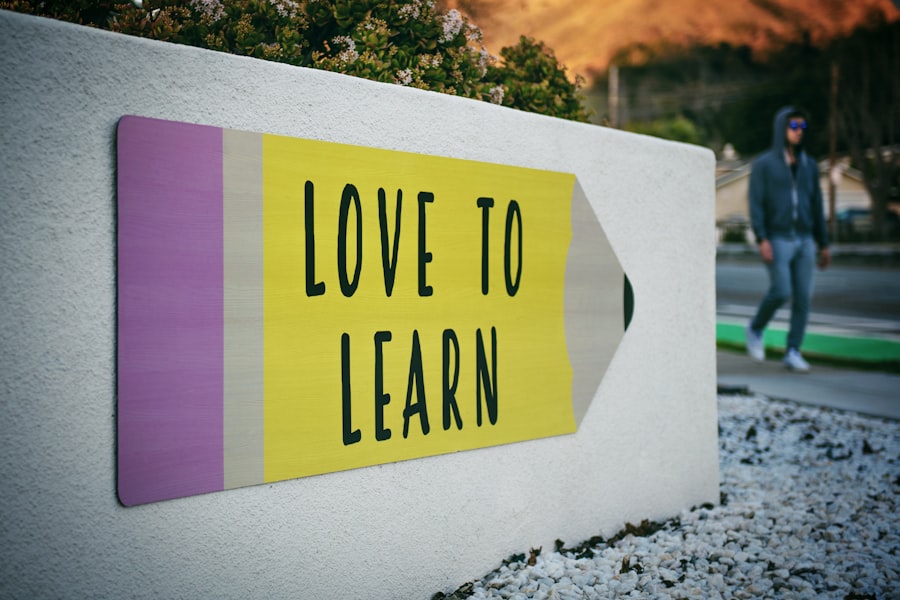
A growth mindset is the belief that your abilities and intelligence can be developed through dedication and hard work. Embracing this mindset is essential for personal growth, as it encourages resilience in the face of challenges and fosters a love for learning. When you adopt a growth mindset, you view setbacks as opportunities for growth rather than as failures.
This perspective shift can significantly impact how you approach obstacles in your life. To cultivate a growth mindset, start by challenging negative self-talk and reframing your thoughts. Instead of saying, “I can’t do this,” try telling yourself, “I can’t do this yet.” This simple change in language can open up new possibilities and encourage you to embrace challenges with enthusiasm.
Additionally, seek out opportunities for learning and development, whether through formal education, workshops, or self-directed study. Surrounding yourself with individuals who share a growth mindset can also inspire you to adopt this perspective in your own life.
Developing Emotional Intelligence
Emotional intelligence (EI) is the ability to recognize, understand, and manage your own emotions while also being attuned to the emotions of others. Developing EI is vital for personal growth because it enhances your relationships, decision-making skills, and overall well-being. By becoming more emotionally intelligent, you can navigate social situations with greater ease and empathy, leading to more meaningful connections with those around you.
To improve your emotional intelligence, start by practicing self-awareness. Take time to reflect on your emotions and identify triggers that may influence your reactions. Journaling can be an effective tool for this purpose, allowing you to explore your feelings in depth.
Additionally, work on developing empathy by actively listening to others and trying to understand their perspectives. Engaging in open conversations about emotions can also help strengthen your emotional intelligence and foster deeper connections with those in your life.
Building Self-Confidence and Self-Esteem
| Metric | Description | Typical Range | Measurement Frequency |
|---|---|---|---|
| Goal Setting Effectiveness | Percentage of personal goals clearly defined and documented | 60% – 90% | Monthly |
| Time Management Efficiency | Ratio of planned productive hours to total available hours | 70% – 85% | Weekly |
| Skill Development Progress | Number of new skills acquired or improved per quarter | 2 – 5 skills | Quarterly |
| Self-Reflection Frequency | Number of self-reflection sessions conducted | 4 – 8 sessions | Monthly |
| Networking Growth | Increase in professional or personal contacts | 5% – 15% growth | Quarterly |
| Emotional Intelligence Score | Assessment score based on self-awareness and empathy | 70 – 90 (out of 100) | Biannually |
| Reading & Learning Hours | Hours spent on personal development reading or courses | 5 – 10 hours/week | Weekly |
| Stress Management Effectiveness | Self-rated ability to manage stress on a scale of 1-10 | 7 – 9 | Monthly |
Self-confidence and self-esteem are foundational elements of personal growth. When you believe in yourself and recognize your worth, you are more likely to take risks and pursue opportunities that align with your goals. Building self-confidence involves acknowledging your strengths and accomplishments while also accepting your imperfections.
This balance allows you to approach challenges with a sense of assurance rather than fear. To enhance your self-esteem, start by setting realistic expectations for yourself. Celebrate small victories along the way, as these moments of success can boost your confidence over time.
Surround yourself with supportive individuals who uplift and encourage you. Engaging in positive self-talk is also essential; replace negative thoughts with affirmations that reinforce your capabilities. As you cultivate self-confidence, you’ll find that you’re more willing to step outside of your comfort zone and embrace new experiences.
Overcoming Limiting Beliefs and Fears

Limiting beliefs are negative thoughts or assumptions that hold you back from reaching your full potential. These beliefs often stem from past experiences or societal conditioning and can create barriers to personal growth. To overcome these limiting beliefs, it’s essential to identify them first.
Take time to reflect on the thoughts that hinder your progress and challenge their validity. Once you’ve recognized these beliefs, work on reframing them into more empowering statements. For example, if you believe you’re not good enough to pursue a particular career path, reframe that thought by reminding yourself of your skills and experiences that qualify you for the role.
Additionally, confront your fears head-on by gradually exposing yourself to situations that trigger anxiety or self-doubt. By taking small steps outside of your comfort zone, you’ll build resilience and prove to yourself that you are capable of overcoming obstacles.
Embracing Change and Adaptability
Change is an inevitable part of life, and embracing it is crucial for personal growth. When you resist change, you may find yourself stuck in old patterns that no longer serve you. On the other hand, when you adopt an adaptable mindset, you open yourself up to new opportunities and experiences that can enrich your life.
Embracing change requires flexibility and a willingness to let go of the familiar in favor of the unknown. To become more adaptable, practice mindfulness techniques that help you stay present in the moment. This awareness allows you to respond thoughtfully to changes rather than reacting impulsively out of fear or resistance.
Additionally, seek out new experiences that challenge your comfort zone; whether it’s trying a new hobby or meeting new people, these experiences can help you develop resilience in the face of change. Remember that every change brings with it the potential for growth; by embracing it wholeheartedly, you’ll discover new facets of yourself along the way.
Enhancing Communication and Interpersonal Skills
Effective communication is a cornerstone of personal growth and success in both personal and professional relationships. The ability to express yourself clearly while also listening actively to others fosters understanding and collaboration. To enhance your communication skills, start by practicing active listening—this means fully engaging with the speaker without interrupting or formulating responses in your mind while they talk.
Additionally, work on expressing yourself assertively rather than passively or aggressively. Use “I” statements to convey your feelings without placing blame on others; for example, saying “I feel overwhelmed when deadlines are tight” instead of “You always give me too much work.” This approach encourages open dialogue and helps build trust in relationships. As you refine your communication skills, you’ll find that interactions become more meaningful and productive.
Practicing Self-Care and Wellness
Self-care is an essential component of personal growth that often gets overlooked in our busy lives. Taking care of yourself physically, emotionally, and mentally allows you to recharge and maintain balance as you pursue your goals. Prioritizing self-care means recognizing when you need rest or support and making intentional choices that promote well-being.
Incorporate activities into your routine that nourish both body and mind—this could include regular exercise, healthy eating habits, mindfulness practices like meditation or yoga, or simply taking time for hobbies that bring you joy. Establishing boundaries is also crucial; learn to say no when necessary to protect your time and energy. By prioritizing self-care, you’ll cultivate resilience and create a solid foundation for continued personal growth.
Seeking Mentorship and Guidance
Mentorship can play a pivotal role in your personal growth journey by providing valuable insights, support, and encouragement from those who have walked similar paths before you. A mentor can offer guidance based on their experiences while also challenging you to think critically about your goals and aspirations. Seeking mentorship allows you to tap into a wealth of knowledge that can accelerate your development.
When looking for a mentor, consider individuals who inspire you—whether they are professionals in your field or someone whose life experiences resonate with you personally. Approach potential mentors with genuine curiosity about their journey; most people appreciate sharing their insights with those eager to learn. Additionally, be open to feedback from mentors; constructive criticism can be instrumental in helping you identify areas for improvement as well as celebrating successes along the way.
Celebrating Achievements and Reflecting on Progress
As you navigate through your personal growth journey, it’s essential to take time to celebrate achievements—both big and small—and reflect on the progress you’ve made along the way. Acknowledging milestones reinforces positive behavior patterns while boosting motivation for future endeavors. Celebrating achievements doesn’t always have to be grand; even small victories deserve recognition.
Set aside regular intervals—whether weekly or monthly—to reflect on what you’ve accomplished since setting out on this journey.
This practice fosters gratitude for the progress you’ve made while providing insight into areas where further growth may be needed.
By celebrating achievements regularly, you’ll cultivate a positive mindset that propels you forward on your path toward continuous personal development. In conclusion, personal growth is an ongoing process that requires dedication, self-reflection, and a willingness to embrace change.
For aspiring achievers looking to enhance their personal development journey, a great resource is the article available on Productive Patty. This site offers valuable insights and practical tips that can help individuals unlock their potential and achieve their goals. You can explore more about personal development strategies by visiting Productive Patty.
FAQs
What is personal development?
Personal development refers to activities, practices, and processes that improve self-awareness, develop talents and potential, enhance quality of life, and contribute to the realization of dreams and aspirations.
Why is personal development important for aspiring achievers?
Personal development helps aspiring achievers build essential skills such as goal-setting, time management, resilience, and emotional intelligence, which are crucial for achieving success in both personal and professional life.
What are common areas of focus in personal development?
Common areas include improving communication skills, building self-confidence, enhancing leadership abilities, managing stress, developing a growth mindset, and setting and achieving goals.
How can one start a personal development journey?
Starting a personal development journey typically involves self-assessment to identify strengths and weaknesses, setting clear and achievable goals, seeking resources such as books or courses, and consistently practicing new skills and habits.
Are there specific tools or techniques used in personal development?
Yes, tools such as journaling, meditation, goal-setting frameworks (like SMART goals), time management techniques, and feedback from mentors or coaches are commonly used in personal development.
Can personal development improve career prospects?
Absolutely. Personal development enhances skills like communication, leadership, and problem-solving, which are highly valued in the workplace and can lead to better job performance, promotions, and career advancement.
Is personal development a one-time process or ongoing?
Personal development is an ongoing process. Continuous learning and self-improvement help individuals adapt to changes, overcome challenges, and achieve long-term success.
What role does mindset play in personal development?
Mindset is critical; a growth mindset encourages embracing challenges, learning from failures, and persisting despite obstacles, all of which are essential for personal growth and achievement.
Can personal development help with work-life balance?
Yes, personal development often includes strategies for managing time, setting boundaries, and prioritizing tasks, which can improve work-life balance and overall well-being.
Where can aspiring achievers find resources for personal development?
Resources can be found in books, online courses, workshops, seminars, podcasts, coaching programs, and support groups focused on various aspects of personal growth.