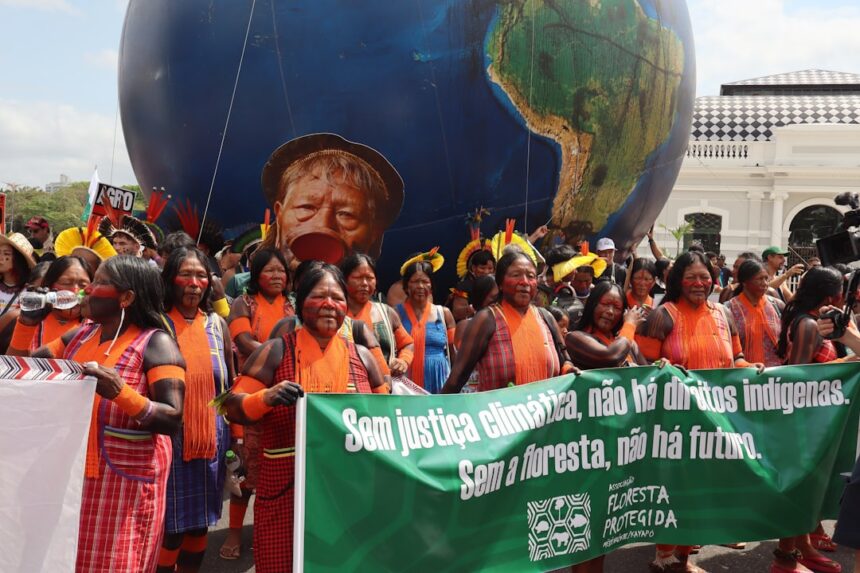
Environmental justice addresses the unequal distribution of environmental hazards that disproportionately affects marginalized communities. The framework advocates for fair allocation of environmental benefits and risks, establishing that all people deserve access to healthy environments regardless of income, race, or location. Research consistently demonstrates that low-income and minority populations experience higher exposure to pollution, toxic waste facilities, and environmental health risks while having reduced influence in environmental decision-making processes.
The environmental justice movement originated during the 1960s civil rights era when activists documented connections between racial discrimination and environmental harm. A pivotal moment occurred in 1982 when residents of Warren County, North Carolina—a predominantly African American community—protested the placement of a hazardous waste landfill in their area. Subsequent studies, including the United Church of Christ’s 1987 report “Toxic Wastes and Race,” provided statistical evidence of environmental racism in facility siting decisions.
Contemporary environmental justice encompasses multiple issues including climate change impacts, water quality disparities, air pollution exposure, and land use policies. Communities of color and low-income areas face higher rates of asthma, cancer, and other health conditions linked to environmental contamination. These populations also experience greater vulnerability to climate-related disasters such as flooding, extreme heat, and storms due to inadequate infrastructure and limited resources for adaptation or relocation.
Effective environmental justice solutions require integrated approaches that address both environmental hazards and underlying socioeconomic inequalities. This includes meaningful community participation in environmental planning, enforcement of anti-discrimination laws, investment in affected communities, and policies that prevent the concentration of environmental burdens in vulnerable areas.
Key Takeaways
- Environmental justice focuses on fair treatment and meaningful involvement of all communities in environmental policies.
- Marginalized communities face disproportionate impacts from climate change, exacerbating existing inequalities.
- Equitable climate adaptation requires addressing social, economic, and racial barriers to ensure all communities can build resilience.
- Government policies and community-led initiatives play crucial roles in promoting fair and effective climate adaptation strategies.
- Building partnerships and learning from successful case studies are key to advancing environmental justice and sustainable climate solutions.
The Impact of Climate Change on Marginalized Communities
Climate change poses a significant threat to all communities; however, its effects are felt most acutely by marginalized populations. These communities often lack the resources necessary to adapt to changing environmental conditions, making them more vulnerable to climate-related disasters such as floods, heatwaves, and hurricanes. For instance, low-income neighborhoods may be situated in flood-prone areas or lack adequate infrastructure to cope with extreme weather events.
As a result, residents face heightened risks to their health, safety, and livelihoods. Moreover, marginalized communities frequently experience a lack of access to information and resources that could help them prepare for and respond to climate change.
The intersection of poverty, race, and environmental vulnerability creates a cycle of disadvantage that is difficult to break. Addressing these disparities is crucial for building resilience and ensuring that all communities can thrive in the face of climate change.
The Importance of Equitable Climate Adaptation
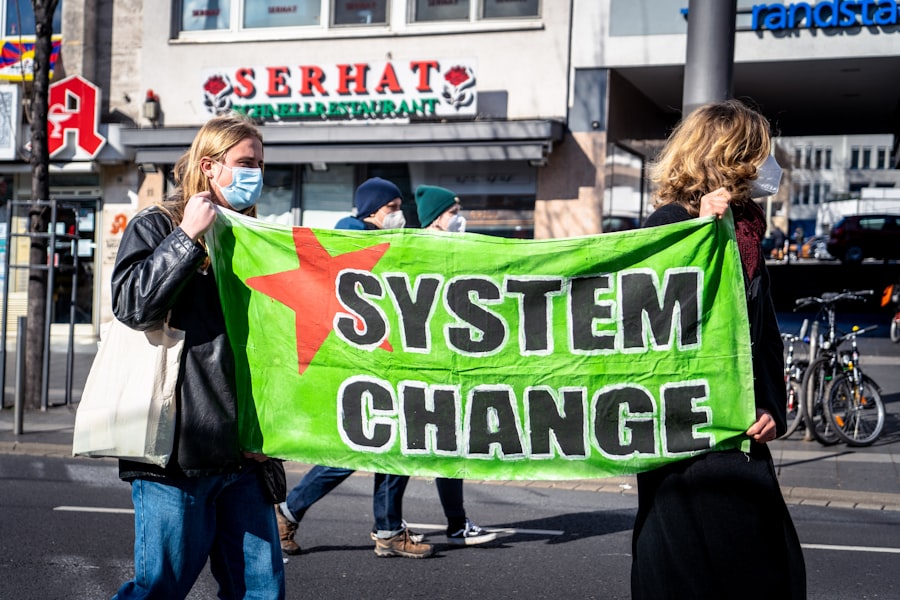
Equitable climate adaptation is essential for fostering resilience among vulnerable populations. It involves implementing strategies that not only address the immediate impacts of climate change but also promote social equity and justice. By prioritizing the needs of marginalized communities in adaptation planning, policymakers can help ensure that these populations are not left behind in the transition to a more sustainable future.
This approach recognizes that effective adaptation requires collaboration and input from those most affected by climate change. Furthermore, equitable climate adaptation can lead to broader societal benefits. When marginalized communities are empowered to participate in decision-making processes and have access to resources for adaptation, they can contribute valuable insights and solutions that benefit everyone.
This collaborative approach fosters a sense of ownership and agency among community members, ultimately leading to more effective and sustainable outcomes. By investing in equitable adaptation strategies, society can work towards a future where all individuals have the opportunity to thrive in a changing climate.
Barriers to Equitable Climate Adaptation
Despite the importance of equitable climate adaptation, several barriers hinder progress in this area. One significant challenge is the lack of political will and commitment from government officials to prioritize marginalized communities in climate planning. Often, decision-makers focus on short-term economic gains rather than long-term sustainability and equity.
This can result in policies that overlook the needs of vulnerable populations or fail to allocate sufficient resources for adaptation efforts. Additionally, systemic inequalities in access to information and resources create further obstacles. Marginalized communities may lack representation in decision-making processes, leading to a disconnect between their needs and the policies implemented by local governments.
This lack of representation can perpetuate existing disparities and hinder effective adaptation efforts. To overcome these barriers, it is essential to advocate for inclusive policies that prioritize equity and ensure that all voices are heard in climate discussions.
Strategies for Addressing Environmental Injustice
| Metric | Description | Example Data | Relevance to Environmental Justice |
|---|---|---|---|
| Vulnerability Index | Measures community susceptibility to climate hazards based on socioeconomic and environmental factors | High: 0.85, Medium: 0.50, Low: 0.20 | Identifies communities at greater risk to climate impacts, often marginalized groups |
| Access to Green Infrastructure | Percentage of population with access to parks, urban forests, and green spaces | Urban low-income areas: 30%, Affluent areas: 75% | Highlights disparities in climate adaptation resources and benefits |
| Heatwave Mortality Rate | Number of deaths per 100,000 people during heatwave events | Low-income neighborhoods: 15, City average: 7 | Reflects disproportionate health impacts of climate extremes on vulnerable populations |
| Community Engagement Level | Percentage of residents participating in climate adaptation planning | Marginalized communities: 40%, General population: 65% | Measures inclusivity and representation in adaptation decision-making |
| Investment in Adaptation Projects | Proportion of funding allocated to projects benefiting disadvantaged communities | 25% of total adaptation budget | Ensures equitable distribution of resources for climate resilience |
Addressing environmental injustice requires a multifaceted approach that encompasses policy changes, community engagement, and education. One effective strategy is to implement community-based participatory research (CBPR), which involves collaborating with marginalized communities to identify their specific needs and priorities regarding environmental issues. By involving community members in the research process, policymakers can gain valuable insights that inform more equitable solutions.
Another important strategy is to promote access to resources and funding for adaptation initiatives in marginalized communities. This can include providing grants for community-led projects or establishing partnerships with local organizations that have established trust within these populations. By empowering communities with the necessary tools and resources, they can take an active role in shaping their own futures and addressing environmental injustices.
The Role of Government and Policy in Promoting Equitable Climate Adaptation
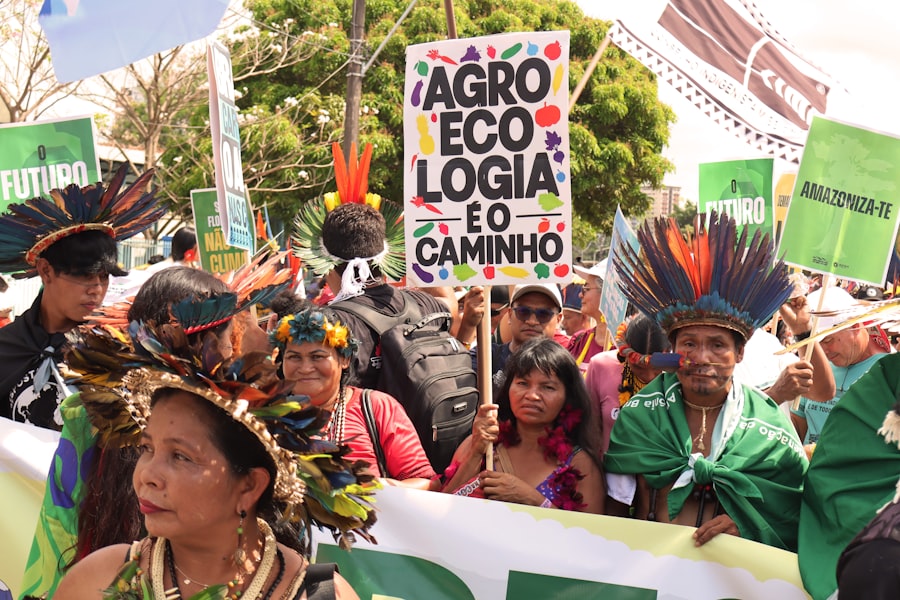
Government plays a crucial role in promoting equitable climate adaptation through policy development and implementation. Policymakers must prioritize equity in climate action plans by ensuring that marginalized communities receive adequate support and resources for adaptation efforts. This can involve creating targeted funding programs that address the unique challenges faced by these populations or establishing regulations that protect vulnerable communities from environmental hazards.
Moreover, government agencies should actively engage with marginalized communities in the decision-making process. By fostering collaboration between policymakers and community members, governments can ensure that policies reflect the needs and priorities of those most affected by climate change. This participatory approach not only enhances the effectiveness of adaptation strategies but also builds trust between communities and government institutions.
Community-Led Solutions for Climate Resilience
Community-led solutions are vital for building climate resilience among marginalized populations. These solutions often emerge from grassroots initiatives that prioritize local knowledge and expertise. For example, community members may develop their own adaptation strategies based on their unique experiences and understanding of local environmental conditions.
By leveraging their knowledge, these communities can create tailored solutions that address their specific vulnerabilities. Additionally, community-led initiatives foster social cohesion and empower individuals to take action on climate issues. When residents come together to address shared challenges, they build stronger networks of support and resilience.
These initiatives can range from creating community gardens to implementing local disaster preparedness plans. By prioritizing community-led solutions, society can harness the collective strength of marginalized populations in the fight against climate change.
The Intersection of Race, Class, and Environmental Justice
The intersection of race, class, and environmental justice is a critical aspect of understanding how environmental issues disproportionately affect marginalized communities. Racial minorities often face systemic barriers that limit their access to resources and opportunities, making them more vulnerable to environmental hazards. For instance, neighborhoods predominantly inhabited by people of color may be located near industrial sites or highways, exposing residents to higher levels of pollution.
Class also plays a significant role in shaping environmental experiences. Low-income individuals may lack the financial means to relocate from hazardous areas or invest in home improvements that enhance resilience against climate impacts. This intersectionality highlights the need for comprehensive approaches that address both racial and economic disparities in environmental justice efforts.
By recognizing these interconnected factors, advocates can develop more effective strategies for promoting equity in climate adaptation.
Building Partnerships for Equitable Climate Adaptation
Building partnerships between various stakeholders is essential for advancing equitable climate adaptation efforts. Collaboration among government agencies, non-profit organizations, community groups, and academic institutions can lead to more comprehensive solutions that address the diverse needs of marginalized populations. These partnerships can facilitate knowledge sharing, resource allocation, and capacity building within communities.
Moreover, fostering relationships between different sectors can enhance advocacy efforts for policy changes that prioritize equity in climate action. By uniting diverse voices around common goals, stakeholders can amplify their impact and drive meaningful change at local, regional, and national levels. Building strong partnerships is crucial for creating a collective movement towards equitable climate adaptation.
Case Studies of Successful Equitable Climate Adaptation Initiatives
Examining case studies of successful equitable climate adaptation initiatives provides valuable insights into effective strategies for addressing environmental injustice. One notable example is the “Green Infrastructure” project implemented in several urban areas across the United States. This initiative focuses on creating green spaces such as parks and community gardens in low-income neighborhoods while simultaneously addressing stormwater management issues.
By involving community members in the planning process, these projects not only enhance urban resilience but also promote social cohesion. Another successful initiative is the “Community Resilience Building” program developed by various non-profit organizations in partnership with local governments. This program engages residents in identifying vulnerabilities within their communities and developing tailored adaptation strategies.
By prioritizing local knowledge and fostering collaboration among stakeholders, these initiatives empower marginalized populations to take charge of their own resilience efforts.
The Future of Environmental Justice and Climate Adaptation
The future of environmental justice and climate adaptation hinges on continued advocacy for equitable policies and practices. As climate change intensifies its impact on vulnerable communities worldwide, it is imperative that stakeholders remain committed to addressing systemic inequalities within adaptation efforts. This requires ongoing collaboration among government agencies, community organizations, and individuals dedicated to promoting social justice.
Furthermore, integrating principles of equity into climate action plans will be essential for building resilience among marginalized populations. By prioritizing inclusive decision-making processes and empowering communities with resources for adaptation, society can work towards a future where all individuals have equal opportunities to thrive in a changing environment. The path forward will require collective action and unwavering commitment to achieving environmental justice for all.
Environmental justice is a critical aspect of climate adaptation, as it addresses the disproportionate impacts of climate change on marginalized communities. A related article that delves into this topic is available at this link. It explores how equitable policies and community engagement can enhance resilience and ensure that all voices are heard in the climate adaptation process.
FAQs
What is environmental justice?
Environmental justice refers to the fair treatment and meaningful involvement of all people, regardless of race, color, national origin, or income, in the development, implementation, and enforcement of environmental laws, regulations, and policies. It aims to ensure that no group of people bears a disproportionate share of negative environmental impacts.
What does climate adaptation mean?
Climate adaptation involves making adjustments in natural or human systems in response to actual or expected climatic stimuli or their effects. The goal is to reduce harm or exploit beneficial opportunities associated with climate change.
How are environmental justice and climate adaptation connected?
Environmental justice and climate adaptation are connected because vulnerable and marginalized communities often face greater risks from climate change impacts. Effective climate adaptation strategies must address these disparities to ensure equitable protection and resilience for all populations.
Why is environmental justice important in climate adaptation efforts?
Environmental justice is important in climate adaptation because marginalized communities frequently have fewer resources to cope with climate impacts and are more likely to live in areas prone to hazards like flooding or heatwaves. Incorporating environmental justice ensures that adaptation measures do not exacerbate existing inequalities and that benefits are shared fairly.
What are some examples of climate adaptation strategies that promote environmental justice?
Examples include investing in resilient infrastructure in underserved communities, ensuring access to clean water and air, involving local residents in planning processes, and prioritizing resources for those most vulnerable to climate impacts.
Who are the most affected by environmental injustices related to climate change?
Low-income communities, indigenous peoples, communities of color, and other marginalized groups are often the most affected by environmental injustices related to climate change due to systemic inequalities and limited access to resources.
How can policymakers incorporate environmental justice into climate adaptation planning?
Policymakers can incorporate environmental justice by engaging with affected communities, conducting equity assessments, prioritizing funding for vulnerable populations, and creating inclusive decision-making processes that reflect diverse perspectives.
What role do community organizations play in environmental justice and climate adaptation?
Community organizations play a critical role by advocating for vulnerable populations, raising awareness, facilitating community engagement, and helping to design and implement adaptation strategies that meet local needs.
Are there international frameworks addressing environmental justice in climate adaptation?
Yes, international frameworks such as the United Nations Framework Convention on Climate Change (UNFCCC) emphasize the importance of equity and justice in climate action, encouraging countries to consider vulnerable populations in their adaptation plans.
How can individuals contribute to environmental justice in climate adaptation?
Individuals can contribute by staying informed, supporting policies and initiatives that promote equity, participating in local planning efforts, and advocating for the rights and needs of marginalized communities in the context of climate change.