
As the day winds down, you may find yourself reflecting on the events that unfolded. The importance of a relaxing evening routine cannot be overstated. It serves as a bridge between the hustle and bustle of your day and the tranquility of a restful night.
Establishing a calming routine allows you to signal to your body that it’s time to unwind, promoting better sleep and overall well-being. When you prioritize relaxation in the evening, you create a sanctuary for your mind and body, helping to alleviate stress and anxiety that may have accumulated throughout the day. Moreover, a well-structured evening routine can enhance your productivity for the following day.
By taking time to decompress, you allow your mind to process the day’s events, which can lead to clearer thinking and improved focus.
Ultimately, a calming evening routine is not just about preparing for sleep; it’s about nurturing your mental and emotional health, setting the stage for a more balanced life.
Key Takeaways
- Establishing a relaxing evening routine is crucial for better sleep and stress reduction.
- Creating a calm environment and limiting screen time help prepare the mind for rest.
- Practices like mindful breathing, meditation, gentle stretching, and yoga promote relaxation.
- Activities such as sipping herbal tea, journaling, and reading or listening to soothing music enhance unwinding.
- Setting a regular bedtime and seeking professional help when necessary support overall sleep health.
Creating a Calm Environment
To cultivate a relaxing evening routine, the first step is to create a calm environment. Your surroundings play a significant role in how you feel, so consider transforming your space into a sanctuary of peace. Start by decluttering your living area; a tidy space can lead to a tidy mind.
Remove any distractions that may hinder your ability to relax, such as excessive noise or cluttered surfaces. You might also want to dim the lights or use soft lamps to create a warm ambiance that invites tranquility. In addition to decluttering, consider incorporating elements that promote relaxation.
Soft textiles, such as plush blankets and cushions, can make your space feel more inviting. You might also want to introduce calming scents through essential oils or candles. Scents like lavender or chamomile are known for their soothing properties and can help signal to your brain that it’s time to unwind.
By intentionally crafting an environment that fosters relaxation, you set the stage for a peaceful evening routine that allows you to let go of the day’s stresses.
Mindful Breathing and Meditation

Once you’ve established a calming environment, you can delve into mindful breathing and meditation as integral components of your evening routine. Mindful breathing is a simple yet powerful practice that helps center your thoughts and calm your nervous system. As you sit comfortably in your serene space, take a moment to focus on your breath.
Inhale deeply through your nose, allowing your abdomen to expand fully, and then exhale slowly through your mouth. This rhythmic breathing not only helps reduce stress but also promotes a sense of grounding. Meditation can further enhance this experience by allowing you to cultivate awareness and presence.
You might choose to meditate for just a few minutes or longer, depending on what feels right for you. Guided meditations are widely available through apps or online platforms, providing gentle direction as you navigate this practice. As you meditate, allow thoughts to come and go without judgment; simply observe them and return your focus to your breath.
This practice can help clear mental clutter and prepare you for a restful night ahead.
Gentle Stretching and Yoga
Incorporating gentle stretching or yoga into your evening routine can significantly enhance relaxation and promote physical well-being. After a long day, your body may feel tense or fatigued, making it essential to release any built-up tension. Simple stretches can help alleviate tightness in your muscles and improve circulation, making it easier for you to unwind.
You might start with neck rolls or shoulder shrugs, gradually moving into deeper stretches that target areas where you hold stress. Yoga is another excellent way to connect with your body while promoting relaxation.
Poses such as Child’s Pose or Legs-Up-the-Wall are particularly effective in promoting relaxation and reducing anxiety. As you move through these poses, focus on your breath and allow yourself to be present in the moment. This combination of gentle movement and mindfulness can create a profound sense of peace as you transition from day to night.
Unwinding with a Warm Bath or Shower
| Activity | Duration (minutes) | Purpose | Recommended Time | Notes |
|---|---|---|---|---|
| Dim Lights | 5 | Signal body to prepare for sleep | 30 minutes before bed | Use warm, low-intensity lighting |
| Limit Screen Time | 60 | Reduce blue light exposure | 1 hour before bed | Switch to reading or relaxing activities |
| Light Stretching | 10 | Relax muscles and reduce tension | 20 minutes before bed | Focus on gentle movements |
| Meditation or Deep Breathing | 10 | Calm the mind and reduce stress | 15 minutes before bed | Use guided meditation apps if needed |
| Warm Herbal Tea | 15 | Promote relaxation | 30 minutes before bed | Avoid caffeine and sugar |
| Journaling | 10 | Reflect and clear the mind | 20 minutes before bed | Write about positive events or worries |
| Consistent Bedtime | N/A | Regulate circadian rhythm | Same time every night | Helps improve sleep quality |
A warm bath or shower can be one of the most soothing ways to unwind after a long day. The warmth of the water envelops you, providing comfort while helping to relax tense muscles. You might consider adding Epsom salts or essential oils to your bath for an extra touch of luxury and relaxation.
The act of soaking in warm water not only calms the body but also signals to your mind that it’s time to let go of the day’s stresses. If you prefer showers, consider making it a mindful experience as well. Focus on the sensation of water cascading over your skin, allowing it to wash away any lingering tension or worries.
You might even take this opportunity to practice gratitude by reflecting on positive moments from your day while enjoying the warmth of the water. Whether you choose a bath or shower, this ritual can serve as a powerful way to transition into a state of relaxation before bedtime.
Sipping Soothing Herbal Tea
As part of your evening routine, sipping on soothing herbal tea can be an excellent way to promote relaxation and prepare for sleep. Herbal teas such as chamomile, peppermint, or valerian root are known for their calming properties and can help ease anxiety while promoting restful sleep. The act of brewing tea itself can be meditative; take your time selecting your favorite blend, boiling water, and watching the leaves steep.
Once you have your cup of tea in hand, find a comfortable spot where you can sit quietly and enjoy it without distractions. As you sip slowly, take note of the flavors and aromas, allowing yourself to be fully present in the moment. This simple ritual not only nourishes your body but also provides an opportunity for reflection and mindfulness as you wind down from the day.
Journaling and Gratitude Practice
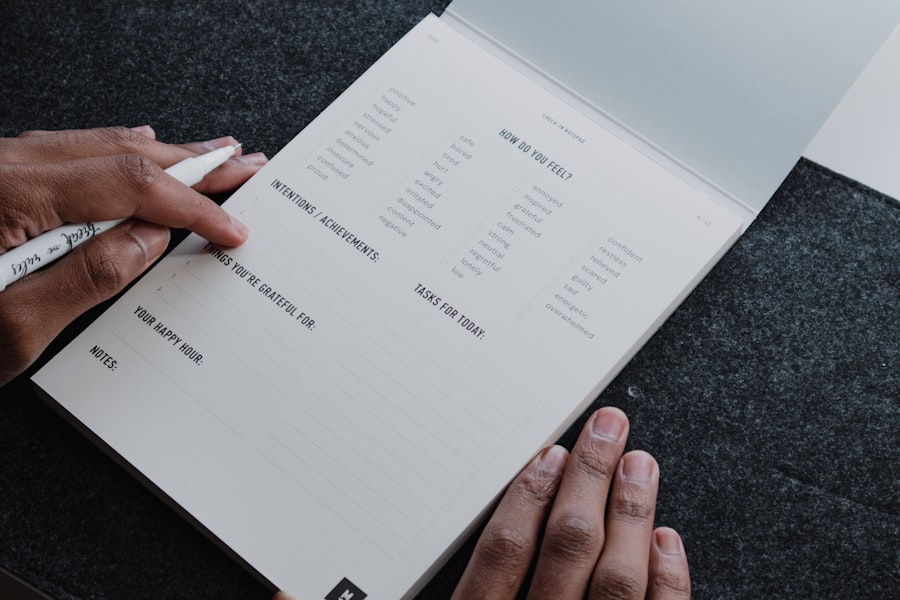
Journaling is another powerful tool that can enhance your evening routine by providing an outlet for self-reflection and emotional processing. Taking time to write down your thoughts can help clear mental clutter and provide clarity on any lingering concerns from the day. You might choose to jot down what went well during the day or any challenges you faced; this practice allows you to acknowledge both positive experiences and areas for growth.
Incorporating gratitude into your journaling practice can further amplify its benefits. Consider writing down three things you are grateful for each evening before bed. This simple act shifts your focus from stressors to positive aspects of your life, fostering a sense of contentment and peace.
By ending your day with gratitude, you cultivate a mindset that appreciates life’s small joys, setting a positive tone for the following day.
Reading or Listening to Relaxing Music
Engaging in reading or listening to relaxing music can be an excellent way to unwind during your evening routine. Choosing a book that captivates your interest allows you to escape into another world while providing a break from daily stressors. Whether it’s fiction, poetry, or self-help literature, immersing yourself in a good book can transport you away from worries and into a state of calm.
Alternatively, listening to soothing music can create an atmosphere conducive to relaxation. Consider creating a playlist filled with soft melodies or nature sounds that resonate with you. As you listen, allow yourself to be fully present in the experience; focus on the rhythm and harmonies while letting go of any distractions from the day.
Both reading and listening to music serve as gentle reminders that it’s time to slow down and embrace tranquility before sleep.
Limiting Screen Time
In today’s digital age, limiting screen time in the evening is crucial for promoting relaxation and better sleep quality. The blue light emitted by screens can interfere with melatonin production, making it harder for you to fall asleep when it’s finally time for bed. To create an effective evening routine, consider setting boundaries around technology use in the hours leading up to bedtime.
Instead of scrolling through social media or binge-watching shows, opt for activities that promote relaxation and mindfulness instead. You might choose to engage in hobbies like knitting or drawing or spend quality time with loved ones without screens present. By consciously reducing screen time in the evening, you allow yourself the opportunity to unwind naturally and prepare for restorative sleep.
Setting a Regular Bedtime
Establishing a regular bedtime is essential for maintaining healthy sleep patterns and ensuring that you wake up feeling refreshed each morning. Your body thrives on routine; by going to bed at the same time each night, you help regulate your internal clock, making it easier for you to fall asleep and wake up naturally. Consider setting an alarm not just for waking up but also as a reminder that it’s time to start winding down.
As part of this routine, create rituals that signal bedtime is approaching—this could include dimming lights, turning off screens, or engaging in calming activities like reading or journaling. By prioritizing consistency in your bedtime routine, you foster an environment conducive to restful sleep while enhancing overall well-being.
Seeking Professional Help if Needed
While establishing an evening routine filled with relaxation techniques can significantly improve your well-being, there may be times when additional support is necessary. If you find that stress or anxiety persists despite these efforts, seeking professional help is essential. Mental health professionals can provide guidance tailored specifically to your needs, offering strategies that may not be accessible through self-care alone.
Therapy or counseling can provide valuable insights into underlying issues contributing to stress or anxiety while equipping you with coping mechanisms that promote resilience over time. Remember that seeking help is not a sign of weakness but rather an empowering step toward prioritizing your mental health and overall quality of life. In conclusion, creating a relaxing evening routine is vital for nurturing both mental and physical well-being.
By incorporating practices such as mindful breathing, gentle stretching, journaling, and limiting screen time into your evenings, you pave the way for restful nights filled with rejuvenation and peace. Embrace these rituals as opportunities not just for relaxation but also as acts of self-care that honor your needs at the end of each day.
Creating an effective evening wind down routine can significantly enhance your overall well-being and prepare you for a restful night’s sleep. For more insights on establishing a calming evening ritual, you can check out this informative article on Productive Patty. It offers practical tips and strategies to help you unwind and transition smoothly into your nighttime routine.
WATCH THIS! 🧠 Cortisol Is The REAL Productivity Killer (And How to End the Burnout Loop)
FAQs
What is an evening wind down routine?
An evening wind down routine is a set of calming activities performed before bedtime to help relax the mind and body, making it easier to fall asleep.
Why is having an evening wind down routine important?
Having an evening wind down routine helps reduce stress, improve sleep quality, and establish a consistent sleep schedule, which benefits overall health and well-being.
What activities are commonly included in an evening wind down routine?
Common activities include reading, gentle stretching or yoga, meditation, deep breathing exercises, listening to calming music, and avoiding screens or bright lights.
How long should an evening wind down routine last?
An effective evening wind down routine typically lasts between 20 to 60 minutes, depending on personal preference and schedule.
When should I start my evening wind down routine?
It is recommended to begin the routine about 30 to 60 minutes before your intended bedtime to allow sufficient time for relaxation.
Can an evening wind down routine help with insomnia?
Yes, establishing a consistent evening wind down routine can help manage insomnia by signaling to the body that it is time to prepare for sleep.
Should I avoid certain activities during my evening wind down routine?
Yes, it is best to avoid stimulating activities such as using electronic devices, consuming caffeine or heavy meals, and engaging in intense exercise close to bedtime.
Is it necessary to follow the same routine every night?
Consistency is beneficial, but the routine can be adjusted as needed. The key is to engage in relaxing activities that help signal your body to prepare for sleep.
Can an evening wind down routine improve mental health?
Yes, by reducing stress and promoting relaxation, an evening wind down routine can contribute positively to mental health and emotional well-being.
Are there any tools or products that can enhance an evening wind down routine?
Tools such as essential oil diffusers, weighted blankets, calming teas, and sleep masks can enhance relaxation during an evening wind down routine.