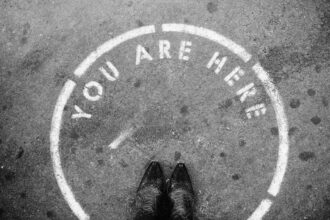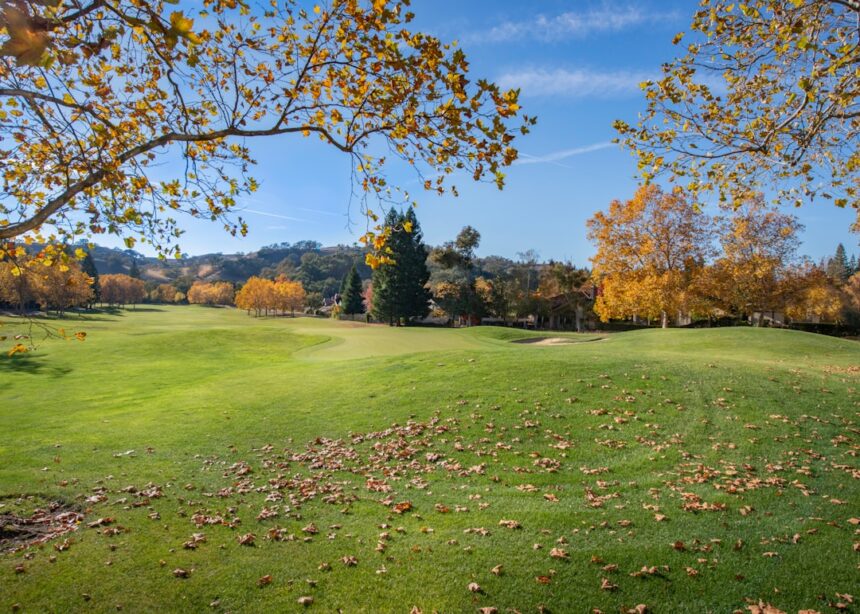
Your perception of the world, dictated by the scope of your visual field, can significantly influence your internal state. By actively and intentionally expanding this visual aperture, you can cultivate a greater sense of calm and mitigate the physiological and psychological effects of stress. This is not a mystical practice, but rather a trainable skill that leverages your innate perceptual abilities to create a buffer against the insistent demands of modern life. Think of your current visual field as a narrow spotlight, intensely illuminating a small area while leaving the periphery in shadow. For stress relief, the objective is to widen this beam, allowing more of your environment to become visible and thus, understandable.
Understanding the Mechanisms of Visual Field and Stress
The interplay between your visual field and your stress response is multi-faceted. When you are stressed, your attentional focus often narrows, a phenomenon known as “tunnel vision.” This is an evolutionary mechanism designed to help you concentrate on immediate threats. However, in chronic stress situations, this constant narrowing can lead to an overemphasis on perceived problems, creating a feedback loop of anxiety. Your visual field, therefore, becomes a physical manifestation of your mental state.
The Biological Underpinnings of Narrowed Attention
- The Amygdala’s Role: The amygdala, a region of the brain central to processing emotions, particularly fear, plays a critical role. When a perceived threat is detected, the amygdala triggers the release of stress hormones like cortisol and adrenaline. This hormonal cascade primes the body for a “fight or flight” response, which often involves a narrowing of sensory input, including visual focus, to prioritize immediate danger assessment.
- Sympathetic Nervous System Activation: The sympathetic nervous system, responsible for the body’s fight-or-flight response, is activated during stress. This activation leads to physiological changes such as increased heart rate, rapid breathing, and muscle tension, all of which can contribute to a feeling of being overwhelmed. The narrowing of the visual field can be a byproduct of this heightened arousal.
- Cognitive Load and Information Overload: When faced with numerous stressors, your cognitive system can become overloaded. This overload can manifest as difficulty processing information and a tendency to focus on what is immediately perceived as problematic, further constricting your visual attention.
The Psychological Impact of Limited Perspective
- Perpetuation of Negative Thought Patterns: A constricted visual field can reinforce negative thought loops. If your focus is solely on problems within a small scope, it becomes difficult to identify solutions or alternative perspectives that lie beyond that immediate, constricted view.
- Increased Reactivity: When you are only seeing a small sliver of your reality, you are more likely to react intensely to stimuli within that sliver. This can lead to an experience of being easily triggered and emotionally reactive, as you are missing the broader context that might temper your response.
- Sense of Confinement: A naturally narrowed visual field, often exacerbated by stress, can create a subjective feeling of confinement or being trapped. This sensation can mirror the feeling of being trapped by one’s circumstances or by anxiety itself.
Practical Techniques for Visual Field Expansion
Expanding your visual field is not about physically altering your eyes, but rather about retraining your brain’s attentional and perceptual mechanisms. This involves conscious effort and consistent practice. Think of it as broadening the range of your mental camera lens.
Oculomotor Exercises for Enhanced Peripheral Awareness
These exercises are designed to encourage your eyes to move more freely and to engage your peripheral vision more deliberately.
- The Peripheral Scan: Sit or stand comfortably with your gaze directed forward at a fixed point. Slowly move your eyes to the left, noting what you can see in your extreme left peripheral vision without turning your head. Hold this gaze for a few seconds, consciously registering the shapes, colors, and movement. Then, slowly return your gaze to the center. Repeat this process by scanning to the right. Gradually increase the duration you hold your gaze in the periphery, and the complexity of details you try to note. This exercise trains your eyes to actively gather information from beyond your direct line of sight.
- The Circle Scan: Fix your gaze on a point ahead of you. Imagine a large circle around that point. With your eyes, trace the circumference of this imagined circle, moving clockwise and then counter-clockwise. The intention here is to encourage smooth, continuous eye movement and to engage all areas of your visual field. Pay attention to the edges of your vision as you complete the circle.
- The “Zoom Out” Visualization: While focusing on a single object directly in front of you, mentally imagine yourself “zooming out” your perspective. Imagine this object becoming smaller and smaller, and your surroundings becoming progressively larger and more encompassing. This is a mental exercise that encourages a broader perceptual sweep, even if your physical gaze remains relatively fixed initially.
Mindfulness and Attentional Shifting
Mindfulness practices are inherently about cultivating present moment awareness, which can directly counteract the narrow focus of stress.
- The “5-4-3-2-1” Grounding Technique: This is a well-established mindfulness exercise that encourages you to engage your senses and bring your awareness back to your immediate environment. Identify five things you can see, four things you can touch, three things you can hear, two things you can smell, and one thing you can taste. The “seeing” component of this exercise specifically prompts you to broaden your visual search.
- Intentional Observation of Your Surroundings: Dedicate moments throughout your day to consciously observe the details of your environment. This could be while walking, sitting, or even during mundane activities. Instead of passively seeing, actively look. What are the textures of the walls? What colors are present in the natural light? What is happening in the background of your usual perspective? This deliberate act of visual data gathering expands your perceived space.
- Practicing “Soft Gaze”: Instead of a fixed, intense stare, cultivate a “soft gaze.” This involves relaxing your eye muscles and allowing your vision to be more diffuse, taking in a wider panorama without fixating on any single point. This can be practiced during periods of rest or even during conversations, allowing you to be more aware of the overall environment without being visually overwhelmed.
Environmental Interventions for Visual Field Expansion
Your environment plays a crucial role in shaping your visual experience. By making intentional changes, you can create spaces that naturally encourage a broader visual field.
Optimizing Your Living and Working Spaces
- Strategic Placement of Mirrors: Mirrors are powerful tools for visually expanding a space. Strategically placed mirrors can reflect light and create the illusion of greater depth, effectively doubling your perceived visual field in a room. Consider placing mirrors opposite windows to maximize the reflection of natural light and the outdoors.
- Incorporating Open-Shelving and Minimalist Decor: Cluttered spaces can contribute to a sense of visual overwhelm and perceived confinement. Opting for open shelving and minimalist decor can reduce visual noise and allow your gaze to travel more freely across surfaces. This creates a sense of spaciousness and reduces the mental effort required to process your surroundings.
- Utilizing Natural Light and Window Views: Maximizing natural light and ensuring unobstructed views from windows are paramount. Natural light is inherently less harsh than artificial light and can contribute to a more relaxed visual experience. Views of nature, in particular, have been shown to have restorative effects. Position your workspace near a window, and ensure that your seating areas allow for enjoyment of the external environment.
The Power of Nature and Green Spaces
- Immersive Nature Experiences: Spending time in nature inherently encourages a broader visual field. Whether it’s a walk in a park, a hike in the woods, or simply sitting by a body of water, the expansive vistas of natural environments naturally draw your gaze outwards. Pay attention to the vastness of the sky, the layers of foliage, and the distant horizons.
- Bringing Nature Indoors: Even when you cannot be outdoors, bringing elements of nature into your indoor environment can have a beneficial effect. Houseplants can add visual interest and a sense of vitality to a room. Images or artwork depicting natural landscapes can also serve to expand your perceived visual space.
- The Restorative Effects of Green Spaces: Studies have consistently shown that exposure to green spaces reduces stress and improves cognitive function. The visual complexity and sheer scale of natural environments are key contributors to these benefits. Even a brief period of looking at trees or a park can provide a mental respite.
The Cognitive Benefits of a Broadened Perspective
Expanding your visual field is not merely an exercise in eye movement; it has profound cognitive implications that directly contribute to stress relief.
Enhanced Problem-Solving and Creativity
- Access to More Information: A wider visual field allows you to take in more surrounding information. This increased input can provide you with a richer dataset for cognitive processing, leading to more nuanced understanding and a greater capacity for creative solutions. When you are not solely fixated on a single point of distress, other potential avenues become visible.
- Reduced Cognitive Rigidity: Stress can lead to cognitive rigidity, where you become stuck in a particular way of thinking. By actively broadening your visual input, you are encouraging your brain to consider a wider range of stimuli, which can help to break down these rigid thought patterns and foster more flexible thinking.
- Facilitating “Aha!” Moments: Many creative breakthroughs occur when the mind is allowed to wander and connect disparate pieces of information. A broadened visual field provides more raw material for these connections to be made, increasing the likelihood of experiencing those insightful “aha!” moments.
Improved Emotional Regulation and Resilience
- Contextualizing Stressors: When you are able to see the bigger picture, individual stressors can feel less overwhelming. A wider visual field allows you to contextualize challenges within a broader framework, diminishing their perceived magnitude and impact. This is akin to seeing the entire forest rather than being lost among a few trees.
- Increased Sense of Agency: By actively engaging your visual field and expanding your perception, you are reclaiming a sense of control over your experience. This increased sense of agency can counter feelings of helplessness often associated with stress and build greater psychological resilience.
- Cultivating a Sense of Calm: The act of intentionally broadening your visual scope can be inherently calming. It signals to your brain that you are not under immediate threat and that you have the capacity to observe and process your environment in a relaxed state. This can lead to a gradual reduction in underlying anxiety and a more sustained sense of peace.
Integrating Visual Field Expansion into Daily Life
The most effective stress relief strategies are those that can be seamlessly integrated into your existing routines. Expanding your visual field is no different.
Habit Stacking and Micro-Practices
- The “Window Pause”: Whenever you find yourself near a window, take a moment to consciously expand your gaze outwards. Instead of a fleeting glance, actively scan the horizon, note the distant objects, and observe the movement of clouds or natural elements. This can be a brief, but impactful, pause in your day.
- The “Commute Scan”: During your commute, whether by car, public transport, or on foot, dedicate a portion of the journey to actively observing your surroundings with deliberate attention. Notice details you would normally miss – the architecture of buildings, the patterns of trees, the interactions of people.
- The “Mealtime Observation”: During meals, rather than rushing through the experience, take a few extra moments to observe the details of your plate, your immediate surroundings, and the people you are with. This mindful observation can extend to engaging with your broader environment if the setting allows.
Utilizing Technology Mindfully
- Nature Documentaries and Virtual Tours: While not a substitute for real-world experience, watching nature documentaries or engaging with virtual tours of expansive landscapes can offer a temporary expansion of your visual field and a mental respite.
- Strategic Screensavers and Wallpapers: Choose calming, expansive images for your computer or phone screensavers and wallpapers – perhaps vistas of mountains, oceans, or starry skies. These visual cues can serve as subtle reminders to broaden your perspective.
- The “Digital Detox” for Your Eyes: Periodically, intentionally step away from screens and engage in activities that require primarily analog visual input. This can help to reset your visual focus and prevent the strain and narrowing that prolonged screen time can induce.
In conclusion, actively engaging with and expanding your visual field is a potent, accessible, and scientifically supported method for stress relief. By understanding the biological and psychological underpinnings of narrowed attention and by implementing practical techniques, you can train your perception to embrace a wider world, fostering greater calm, enhanced cognitive function, and increased resilience in the face of life’s pressures.
FAQs
What is the visual field and why is it important for stress reduction?
The visual field refers to the entire area that can be seen when the eyes are fixed in one position. Widening the visual field can help reduce stress by promoting relaxation, improving spatial awareness, and encouraging a more mindful and open perspective.
How can widening the visual field help reduce stress?
Widening the visual field can reduce stress by decreasing eye strain, enhancing peripheral vision, and fostering a sense of calm. It encourages the brain to process more visual information, which can shift focus away from stressors and promote a more relaxed mental state.
What are some exercises to widen the visual field?
Exercises to widen the visual field include peripheral vision training, such as focusing on a central point while becoming aware of objects in the periphery, eye movement exercises like shifting gaze horizontally and vertically, and practicing mindful observation of the environment to increase visual awareness.
Can improving posture affect the visual field and stress levels?
Yes, improving posture can positively affect the visual field by allowing the eyes to align properly and reducing tension in the neck and shoulders. Good posture supports better eye movement and can contribute to lower stress levels by promoting relaxation and reducing physical discomfort.
Are there any lifestyle changes that support widening the visual field for stress reduction?
Lifestyle changes that support widening the visual field include regular breaks from screen time, spending time outdoors in natural environments, practicing mindfulness and relaxation techniques, and maintaining overall eye health through proper nutrition and hydration. These habits can enhance visual awareness and contribute to stress reduction.