You are likely familiar with the sensation: the relentless buzzing of the modern world, a constant barrage of notifications, deadlines, and urgent demands. Your mind, a finely tuned instrument, finds itself overwhelmed, its delicate strings vibrating with stress. In this environment, finding moments of genuine calm can feel like searching for a single, silent star in a sky illuminated by a thousand flickering neon signs. This article explores one specific, approachable technique for cultivating that inner quiet: far point gaze.
Far point gaze is a seemingly simple yet profoundly effective practice rooted in the understanding of human visual perception and its connection to our nervous system. It’s not about actively “trying” to calm down, but rather creating a gentle, passive shift in your visual focus that, in turn, influences your physiological state. Think of your visual attention as a spotlight; you can direct it intensely on a single object to dissect its every detail, or you can widen its beam to encompass a broader landscape. Far point gaze encourages the latter.
The Science Behind the Gaze
Your eyes are not merely passive cameras; they are active explorers of your environment. The muscles that control your eyes, along with the intricate network of nerves connecting them to your brain, play a crucial role in regulating your body’s stress response. When you engage in prolonged, intense focus on a close-up object (a common occurrence in our screen-dominated lives), your ciliary muscles (responsible for focusing the lens of the eye) are contracted. This sustained contraction can contribute to eye strain and, more importantly, can signal to your brain that you are in a state of “vigilance” or “threat detection.”
The Autonomic Nervous System Connection
This is where the connection to your autonomic nervous system becomes critical. Your autonomic nervous system is divided into two branches: the sympathetic nervous system, responsible for your “fight or flight” response, and the parasympathetic nervous system, which promotes “rest and digest” functions. Prolonged close focus can inadvertently keep your sympathetic nervous system in a heightened state of readiness, while far point gaze can help to activate the parasympathetic nervous system, effectively putting the brakes on your stress response. It’s akin to switching from a high-strung race car engine to a smoothly purring cruiser.
Distinguishing Far Point Gaze from Simple Relaxation
It is important to differentiate far point gaze from other relaxation techniques. While meditation and deep breathing exercises are invaluable, far point gaze offers a distinct, visually-driven pathway to calm. It doesn’t necessarily require you to empty your mind or control your breath. Instead, it leverages the innate power of your visual system to indirectly influence your internal state. You are not forcing relaxation; you are creating the conditions for it to arise naturally.
Incorporating techniques for a far point gaze can significantly enhance your ability to find calm in stressful situations. For a deeper understanding of this practice and its benefits, you can refer to a related article that explores various methods to achieve tranquility through mindful gazing. To learn more, visit this link: How to Use a Far Point Gaze for Calm.
The Mechanics of Far Point Gaze
Implementing far point gaze is straightforward, requiring no special equipment or extensive training. The core principle lies in directing your visual attention to an object that is at least 20 feet (approximately 6 meters) away. This distance is considered the “far point” for most individuals, where the eye’s focusing muscles can relax.
Finding Your “Far Point” Object
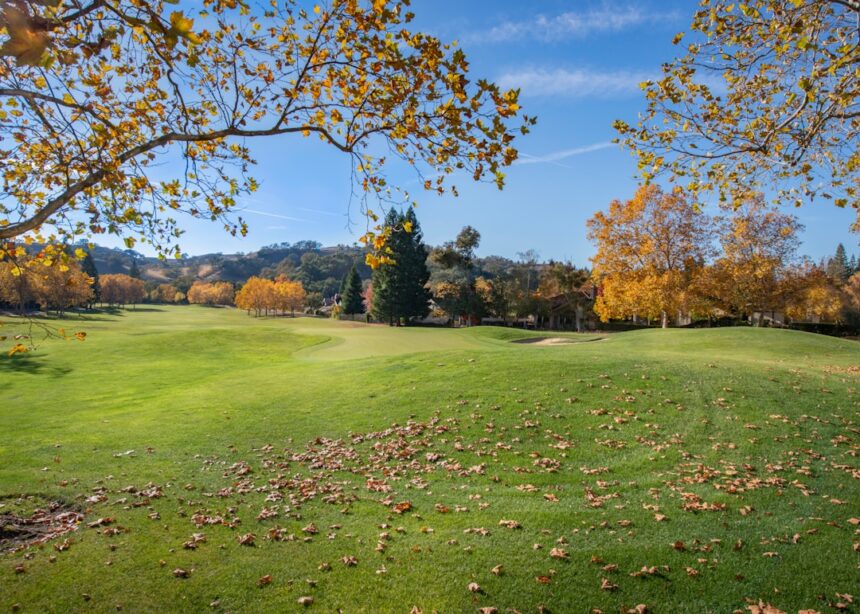
The key is to select an object that allows your eyes to remain relatively still and unfocused in the traditional sense. This doesn’t mean staring blankly, but rather allowing your gaze to soften and encompass the object without straining to discern fine details. Imagine looking through a window at a distant tree. Your eyes are not intensely examining each leaf, but rather taking in the overall form and texture of the tree against the backdrop.
The Role of a Softened Gaze
A “softened gaze” is essential. This means avoiding the intense, narrowed focus that you might use to read a book or examine a computer screen. Instead, allow your eyelids to relax, your pupils to dilate slightly, and your vision to become slightly less crisp. Think of it as looking at the horizon on a clear day; the details meld together, and the expanse becomes the primary focus. This unclenching of the visual muscles sends a signal of safety and ease to your brain.
Practical Application: Window Gazing and Nature
The most accessible application of far point gaze is often through window gazing. Position yourself near a window and direct your gaze to a distant object outside – a building, a tree, a cloud, or even the expanse of the sky. Resist the urge to analyze what you are seeing. Simply allow your vision to rest upon the object. Similarly, spending time in nature offers abundant opportunities for far point gaze. Looking at distant mountains, a vast ocean, or a sweeping landscape naturally encourages this expansive visual focus.
Therapeutic Benefits of Far Point Gaze
The consistent practice of far point gaze can yield a spectrum of benefits, extending beyond immediate stress reduction to encompass improvements in overall well-being. By retraining your visual habits, you can begin to shift your body’s default response to external stimuli.
Reducing Ocular Strain and Fatigue
For individuals who spend extended periods focusing on screens or engaging in close-up work, far point gaze offers a welcome respite. The sustained contraction of the ciliary muscles can lead to symptoms such as headaches, blurred vision, and dry eyes. Regularly shifting your focus to distant objects allows these muscles to relax, alleviating strain and preventing fatigue. It’s like giving your eyes a much-needed break from intense concentration.
Alleviating Symptoms of Stress and Anxiety
The physiological mechanisms discussed earlier directly translate into tangible reductions in stress and anxiety. By activating the parasympathetic nervous system, far point gaze can lower heart rate, reduce blood pressure, and promote a sense of calm. This can be particularly beneficial for individuals experiencing the physical manifestations of stress, such as muscle tension, shallow breathing, and irritability. It provides a gentle, non-intrusive way to disengage from the mental chatter and physical tension associated with anxiety.
Enhancing Focus and Cognitive Function
Paradoxically, by intentionally shifting your focus away from immediate tasks, far point gaze can actually improve your ability to concentrate later. This practice can be viewed as a form of “visual rest,” allowing your brain to reset and consolidate information. When you return to your close-up work with a less fatigued visual system, you may find that your focus is sharper and your cognitive stamina is enhanced. It’s akin to a short power nap for your eyes and brain, preparing you for renewed effort.
Promoting Better Sleep Quality
The constant stimulation from screens and the mental agitation associated with stress can significantly disrupt sleep patterns. By consciously incorporating far point gaze into your daily routine, especially in the hours leading up to bedtime, you can signal to your body that it is time to wind down. The reduction in sympathetic nervous system activity promotes relaxation and can make it easier to fall asleep and experience more restful sleep.
Integrating Far Point Gaze into Daily Life
The beauty of far point gaze lies in its adaptability. It requires no significant time commitment and can be seamlessly woven into your existing schedule, transforming mundane moments into opportunities for cultivating calm.
Micro-Practices: The Power of Brief Intervals
You don’t need to dedicate lengthy sessions to experience the benefits. Even short, frequent intervals of far point gaze can be impactful. This is where the concept of “micro-practices” comes into play. Every time you transition between tasks, take a short break from your computer, or simply find yourself with a moment of stillness, consciously shift your gaze to a distant object for 30 seconds to a minute. These brief interludes act like tiny anchors of calm throughout your day.
The Commute as a Sanctuary
Your daily commute, often a source of stress, can be repurposed as a dedicated time for far point gaze. If you are a passenger, consciously look out the window and allow your gaze to wander over the passing scenery. If you drive, find moments when you can safely pause at a red light or pull over to briefly observe a distant landmark. The continuous flow of the external environment provides ample opportunity for your eyes to engage in this restorative practice.
Desk-Bound Solutions: Strategic Eye Breaks
For those whose work keeps them tethered to a desk, strategic eye breaks are essential. Set a timer to remind yourself to look away from your screen every 20-30 minutes. Instead of scrolling through your phone during these breaks, direct your gaze out a window or at a distant wall decoration. Even a few moments of this practice can prevent the cumulative effects of prolonged close focus.
Mindful Moments: Integrating into Existing Routines
Consider integrating far point gaze into existing routines. While brushing your teeth, for instance, you might glance at a distant object through a bathroom window. While waiting for the kettle to boil, take a moment to focus on something far away. These small integrations ensure that the practice becomes a natural extension of your day, rather than an additional chore.
Incorporating techniques like far point gaze can significantly enhance your sense of calm and focus during stressful moments. This method encourages you to shift your attention to a distant object, allowing your mind to relax and your body to respond with a sense of tranquility. For more insights on achieving a peaceful state of mind, you might find this article on mindfulness practices helpful. You can read it here to explore various strategies that complement the far point gaze technique.
Challenges and Considerations
| Step | Action | Description | Duration | Expected Effect |
|---|---|---|---|---|
| 1 | Find a Far Point | Identify a distant object or spot to focus your gaze on, ideally 20 feet or more away. | 1 minute | Helps shift focus away from immediate stressors. |
| 2 | Relax Your Eyes | Softly gaze at the far point without straining or squinting. | 2-3 minutes | Reduces eye tension and promotes relaxation. |
| 3 | Deep Breathing | Combine the gaze with slow, deep breaths to enhance calmness. | 3-5 minutes | Activates the parasympathetic nervous system, lowering stress. |
| 4 | Maintain Posture | Keep a comfortable and upright posture while gazing. | Throughout practice | Supports overall relaxation and alertness. |
| 5 | Repeat Regularly | Practice the far point gaze technique multiple times daily. | 2-3 times/day | Improves long-term stress management and calmness. |
While far point gaze is generally a low-barrier technique, there are certain considerations and potential challenges to be aware of to optimize its effectiveness and ensure your comfort.
The Temptation of Over-Focus
One common pitfall is the tendency to inadvertently over-focus, even when attempting far point gaze. Your mind might try to bring the distant object into sharp relief, negating the intended relaxation of the ciliary muscles. Remember that the goal is a softened gaze, not a super-sharp one. If you find yourself squinting or straining, ease back and allow your vision to blur slightly.
Environmental Limitations
In some environments, finding truly distant objects can be challenging. Dense urban landscapes with tall buildings can obstruct far-reaching views. In such cases, you may need to be more creative. Look for the sky above the buildings, or focus on a distant streetlamp or sign. Even focusing on a blank wall at a sufficient distance can provide some benefit. The key is to move your visual focal point away from immediate proximity.
The Role of Intention
While far point gaze is a relatively passive practice, having a gentle intention to relax can enhance its efficacy. You are not forcing relaxation, but rather creating the conditions for it. Think of it as tending a small garden; you provide the soil, water, and sunlight, and then allow the plant to grow at its own pace. Your intention is the gentle tending.
When to Seek Professional Guidance
For individuals experiencing persistent or severe eye discomfort, significant anxiety, or sleep disturbances, far point gaze may be a supplementary tool but not a replacement for professional medical or psychological advice. If your symptoms are impacting your daily life, it is crucial to consult with an eye care professional or a mental health expert to address underlying issues.
Far point gaze offers a simple yet powerful avenue for navigating the complexities of modern life. By consciously shifting your visual focus, you can gently guide your nervous system towards a state of calm, reduce physical and mental strain, and foster a greater sense of well-being. It is a practice that empowers you to find pockets of stillness amidst the noise, reminding you that even in the most demanding circumstances, a quiet space resides within the reach of your gaze.
WATCH NOW ▶️ STOP Your Mental Drain: The 24-Hour Decision Reset
FAQs
What is a far point gaze?
A far point gaze involves focusing your eyes on a distant object or point, typically several feet away or more. This technique helps relax the eye muscles and can reduce eye strain.
How does using a far point gaze promote calmness?
Focusing on a distant point encourages relaxation by shifting attention away from immediate stressors and reducing tension in the eyes and mind. This can help lower stress levels and promote a sense of calm.
When is the best time to practice a far point gaze for calm?
The far point gaze can be practiced anytime you feel stressed, anxious, or mentally fatigued. It is especially helpful during breaks from screen time or after intense concentration.
How long should I maintain a far point gaze to feel its calming effects?
Typically, maintaining a far point gaze for 20 to 30 seconds at a time can be effective. Repeating this several times throughout the day can enhance relaxation and reduce eye strain.
Are there any specific techniques to enhance the effectiveness of a far point gaze?
Yes, combining the far point gaze with deep, slow breathing and a relaxed posture can amplify its calming effects. Ensuring the distant point is comfortable to look at and free from distractions also helps.