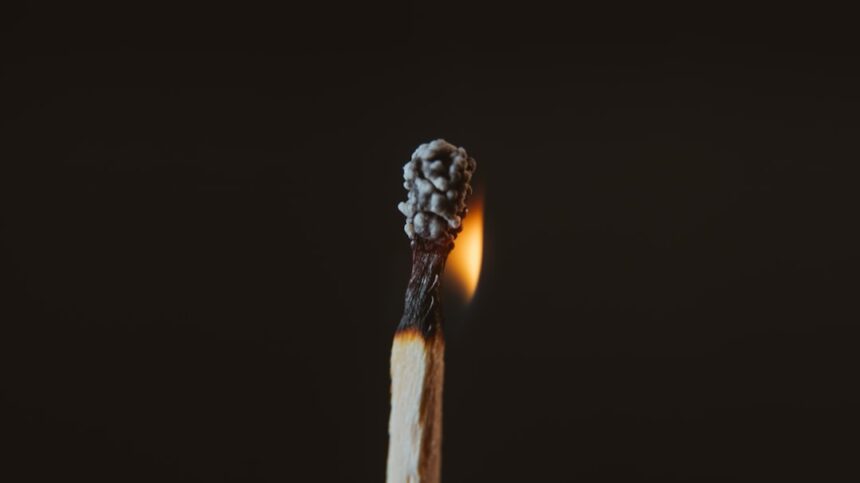
Burnout, a state of emotional, physical, and mental exhaustion caused by prolonged or excessive stress, can significantly impact high achievers. This guide offers a comprehensive protocol for recovering from this debilitating condition.
Burnout is not a sign of weakness, but rather a natural consequence of sustained pressure on your internal reserves. Think of yourself as a high-performance engine; running at peak capacity for extended periods without proper maintenance and refueling will inevitably lead to system failure. This section breaks down the core components of burnout, helping you identify its presence with clarity.
The Three Pillars of Burnout
Burnout is typically characterized by three interconnected dimensions, as described by leading researchers in the field. Recognizing these facets is the first step toward targeted intervention.
Emotional Exhaustion
This is the most commonly recognized symptom, manifesting as a profound depletion of emotional and mental energy. It’s like trying to draw water from a well that has run dry; there’s simply nothing left to give. You might experience feelings of being overwhelmed, irritable, and unable to cope with daily demands. This can extend to a diminished capacity to empathize with others, both professionally and personally.
Cynicism and Detachment
This dimension involves developing a detached or cynical attitude towards your work and responsibilities. It’s as if you’ve erected a protective barrier around yourself, emotionally distancing yourself from the very things that once motivated you. This can manifest as a loss of engagement, increased negativity, and a sense of futility regarding your efforts. Tasks that were once stimulating can feel like tedious chores, devoid of any intrinsic reward.
Reduced Personal Accomplishment
This pillar is characterized by a growing sense of ineffectiveness and a lack of accomplishment. Despite your best efforts, you may feel that your contributions are going unnoticed, or that you are simply not achieving what you once did. This feeling of inadequacy can be particularly demoralizing for high achievers, who often derive a significant portion of their self-worth from their accomplishments. It’s like rowing a boat against a strong current, only to feel like you’re not making any progress.
Identifying the Red Flags
Recognizing the early warning signs of burnout is crucial for preventing a full-blown crisis. Subtle shifts in your behavior and emotional state can be indicators that your internal systems are under strain.
Behavioral Manifestations
- Increased irritability and impatience: Small annoyances can trigger disproportionate emotional responses.
- Withdrawal from social activities: You may find yourself canceling plans or avoiding social interactions.
- Procrastination and difficulty concentrating: Your ability to focus on tasks may diminish, leading to a backlog of work.
- Changes in sleep patterns: Insomnia or excessive sleeping can be common.
- Increased use of coping mechanisms: This can include relying more heavily on substances like alcohol or caffeine, or engaging in escapist behaviors.
Emotional and Cognitive Symptoms
- Persistent feelings of fatigue and low energy: You feel drained, even after rest.
- Loss of motivation and enthusiasm: The spark that once fueled your drive has diminished.
- Sense of hopelessness and helplessness: You may feel trapped or unable to change your situation.
- Increased self-doubt and criticism: You may find yourself questioning your abilities and constantly criticizing your own performance.
- Difficulty making decisions: Even minor choices can feel overwhelming.
For those seeking effective strategies to overcome burnout, particularly high achievers who often push themselves to the limit, exploring comprehensive recovery protocols can be invaluable. A related article that delves into this topic is available at Productive Patty, where you can find insights and actionable steps designed to help individuals regain their energy and motivation.
Resetting the System: Immediate Burnout Intervention
When burnout has taken hold, it’s imperative to implement immediate interventions to halt the downward spiral. This stage is about stabilizing your internal environment and preventing further deterioration. Think of it as stopping the leak before it floods the ship.
The Essential Pause: Strategic Disconnection
The first and most critical step is to create a deliberate pause. This is not about shirking responsibility, but about strategically stepping back to allow for recovery. It’s like hitting the emergency brake before a train derails.
Unplugging from Work Demands
Disengaging from work-related stimuli is paramount. This means setting clear boundaries and minimizing exposure to work-related communication.
Digital Detoxification
Mute notifications, set specific times for checking emails, and resist the urge to constantly be “on.” This is about reclaiming your mental space from the incessant demands of the digital world.
Delegating and Declining
If possible, delegate tasks that are contributing to your overload. Learning to say “no” to non-essential requests is a powerful act of self-preservation.
Implementing a Sabbatical or Extended Break
For severe burnout, a longer period of absence may be necessary. This allows for a more profound reset, akin to letting a field lie fallow to restore its fertility.
Recharging Your Batteries: Sleep and Nutrition
The physical foundations of your well-being are often the first casualties of burnout. Addressing sleep and nutrition is non-negotiable.
Prioritizing Restorative Sleep
Sleep is not a luxury; it is a fundamental biological imperative for recovery and repair.
Establishing a Consistent Sleep Schedule
Aim for 7-9 hours of quality sleep per night. Consistency is key to regulating your body’s natural sleep-wake cycle.
Optimizing Your Sleep Environment
Ensure your bedroom is dark, quiet, and cool. Consider blackout curtains, earplugs, or a white noise machine if needed.
Nourishing Your Body for Recovery
What you eat directly impacts your energy levels and your ability to heal.
Balanced and Nutrient-Dense Diet
Focus on whole foods, fruits, vegetables, lean proteins, and healthy fats. Avoid processed foods, excessive sugar, and caffeine, which can disrupt sleep and exacerbate anxiety.
Hydration as a Core Component
Dehydration can contribute to fatigue and cognitive impairment. Ensure you are drinking plenty of water throughout the day.
Rebuilding Your Reservoir: Long-Term Recovery Strategies

Once you have stabilized the immediate crisis, the focus shifts to rebuilding your resilience and preventing future burnout. This is about fortifying your internal defenses and developing sustainable habits.
Reclaiming Your Purpose and Values
Burnout often leaves you questioning your motivations. Reconnecting with your core values and sense of purpose can rekindle your inner fire.
Reflecting on Your “Why”
Take the time to understand what truly drives you, beyond external validation or pressure. What are the fundamental principles that guide your actions?
Aligning Activities with Values
Ensure your daily activities and commitments are in alignment with your core values. This creates a sense of coherence and meaning.
Cultivating Sustainable Habits for Well-being
Burnout recovery is not a temporary fix; it requires a fundamental shift in how you approach your life and work.
Mindfulness and Stress Management Techniques
These practices are like building a stronger immune system for your mind.
Meditation and Deep Breathing Exercises
Regular practice can help you develop greater awareness of your thoughts and feelings, and equip you to respond to stress more effectively. Even a few minutes of mindful breathing can interrupt the stress response.
Yoga and Tai Chi
These practices combine physical movement with mental focus, promoting relaxation and reducing muscle tension.
Setting Healthy Boundaries
This is the art of protecting your energy and preventing overextension; it’s like building a fence around your valuable resources.
Learning to Say “No” Gracefully
Differentiated priorities are essential. Understand your capacity and decline requests that would compromise your well-being. You don’t need to justify your boundaries; they are simply for your protection.
Time Management and Prioritization
Effective time management is not about cramming more in, but about strategically allocating your energy. Focus on what is truly important and learn to let go of the rest.
Engaging in Restorative Activities
These are the activities that fill your cup and bring you joy, counteracting the drain of stress.
Hobbies and Creative Pursuits
Rediscover activities that you enjoy purely for the pleasure they bring. This could be anything from painting to playing a musical instrument.
Spending Time in Nature
The restorative power of nature is well-documented. Walks in parks, hikes in forests, or simply sitting by the water can have a profound impact on your mental and emotional state.
Meaningful Social Connections
Nurturing relationships with supportive friends and family provides a vital buffer against stress and isolation.
Preventing Future Burnout: Sustainable High Performance

Recovery is the first phase; prevention is the long-term strategy for ensuring you can continue to achieve without succumbing to burnout again. This is about building a robust and adaptable framework for sustained excellence.
Proactive Energy Management
This involves a conscious and continuous effort to monitor and manage your energy levels. It’s like having a real-time dashboard for your personal resources.
Regular Self-Assessment
Make it a habit to check in with yourself regularly. Are you feeling energized or depleted? What are the current stressors in your life?
Strategic Recovery Practices
Integrate short, regular breaks and periods of rest into your routine, rather than waiting until you are depleted. Think of these as proactive maintenance for your engine.
Cultivating a Supportive Environment
The people and places you surround yourself with can significantly impact your resilience.
Seeking Supportive Relationships
Nurture connections with individuals who uplift and understand you. Avoid relationships that drain your energy or contribute to stress.
Advocating for Healthy Work Cultures
If you are in a position of influence, advocate for policies and practices that promote employee well-being and prevent burnout. This may include flexible work arrangements, reasonable workloads, and supportive management.
Embracing a Growth Mindset
Viewing challenges as opportunities for learning and growth, rather than threats, can significantly enhance your resilience.
Learning from Setbacks
Instead of dwelling on failures, analyze what went wrong and identify lessons learned. This reframes setbacks as stepping stones for future success.
Continuous Skill Development
Investing in your skills and knowledge not only enhances your professional capabilities but also boosts your confidence and sense of competence, which are protective factors against burnout.
For high achievers navigating the challenging path of burnout recovery, understanding effective strategies is crucial. A comprehensive resource that delves into this topic can be found in a related article on the importance of self-care and its impact on productivity. You can explore more about these essential recovery protocols by visiting this insightful article, which offers practical tips tailored for those striving to regain their energy and focus.
When to Seek Professional Help
| Metric | Description | Recommended Target | Measurement Frequency |
|---|---|---|---|
| Sleep Duration | Average hours of sleep per night | 7-9 hours | Daily |
| Work Hours | Average hours worked per day | 6-8 hours | Weekly |
| Stress Level | Self-reported stress on a scale of 1-10 | Below 5 | Daily |
| Physical Activity | Minutes of moderate exercise per week | 150 minutes | Weekly |
| Mindfulness Practice | Minutes spent on meditation or mindfulness daily | 10-20 minutes | Daily |
| Social Interaction | Hours spent with friends/family per week | 5+ hours | Weekly |
| Break Frequency | Number of breaks taken during work hours | 1 break every 90 minutes | Daily |
| Energy Levels | Self-reported energy on a scale of 1-10 | Above 7 | Daily |
| Burnout Symptoms | Presence of symptoms like fatigue, cynicism, and inefficacy | Minimal to none | Monthly |
While this guide provides a comprehensive protocol, there are times when professional intervention is necessary. Recognizing these signs and acting upon them is a sign of strength, not weakness.
Identifying Signs Requiring Professional Support
If you find yourself experiencing persistent symptoms of burnout that do not improve with self-care strategies, or if your burnout is significantly impacting your daily functioning, it is essential to seek professional help.
Prolonged and Severe Symptoms
If symptoms such as deep depression, anxiety, or suicidal ideation are present, immediate professional help is paramount.
Impaired Daily Functioning
When burnout begins to interfere with your ability to work, maintain relationships, or care for yourself, it’s a clear indicator that you need professional guidance.
Types of Professional Support Available
A range of professionals can assist you on your burnout recovery journey.
Therapists and Counselors
Mental health professionals can provide evidence-based therapies, such as Cognitive Behavioral Therapy (CBT) or Dialectical Behavior Therapy (DBT), to help you understand and manage the underlying causes of your burnout. They can also offer strategies for stress management, coping mechanisms, and emotional regulation.
Medical Professionals
Your primary care physician can rule out any underlying medical conditions that might be contributing to your symptoms and can provide guidance on lifestyle modifications. In some cases, they may refer you to specialists.
Coaches Specializing in Burnout
Burnout coaches can work with you to develop practical strategies for managing workload, setting boundaries, and restoring work-life balance. They can offer personalized guidance and accountability.
By understanding the multifaceted nature of burnout and implementing a comprehensive recovery protocol, you can navigate this challenging period and emerge with renewed strength and a more sustainable approach to high achievement. Remember, recovery is not about returning to your previous state, but about evolving into a more resilient and balanced individual.
FAQs
What is burnout and how does it affect high achievers?
Burnout is a state of physical, emotional, and mental exhaustion caused by prolonged stress and overwork. High achievers are particularly susceptible due to their intense work ethic and high expectations, which can lead to decreased productivity, fatigue, and emotional detachment.
What are the key steps in a burnout recovery protocol for high achievers?
A burnout recovery protocol typically includes recognizing the signs of burnout, prioritizing rest and self-care, setting realistic goals, seeking professional support if needed, and gradually reintroducing work with balanced routines to prevent relapse.
How important is rest and sleep in recovering from burnout?
Rest and quality sleep are crucial for recovery as they help restore physical and mental energy, improve cognitive function, and regulate mood. High achievers should aim for consistent sleep schedules and incorporate relaxation techniques to enhance recovery.
Can lifestyle changes help prevent burnout in high achievers?
Yes, lifestyle changes such as regular exercise, healthy nutrition, mindfulness practices, and maintaining social connections can reduce stress levels and improve resilience, thereby helping to prevent burnout.
When should a high achiever seek professional help for burnout?
Professional help should be sought if symptoms of burnout persist despite self-care efforts, if there are signs of depression or anxiety, or if burnout significantly impairs daily functioning and quality of life. Mental health professionals can provide tailored strategies and support.