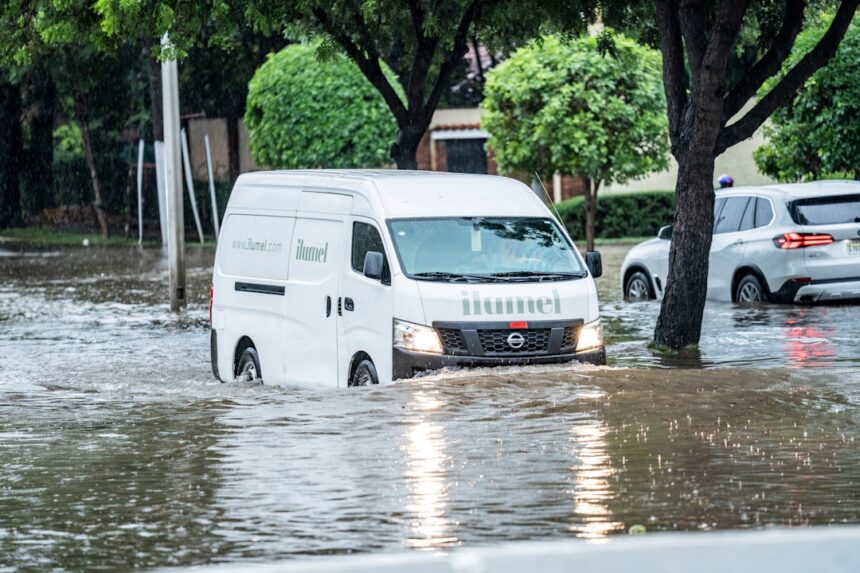
Japan’s flood triage system serves as a systematic emergency response framework for managing flood disasters that have historically affected the country. Located in a region characterized by monsoon seasons, typhoons, and heavy precipitation, Japan experiences frequent flooding events that require coordinated disaster management strategies. The triage methodology, adapted from medical emergency protocols, involves the systematic prioritization of resources and emergency responses based on assessed risk levels and community vulnerability.
This flood management approach operates through structured risk assessment procedures, community-based preparedness programs, and coordinated government response mechanisms. The system evaluates flood severity, population density, infrastructure vulnerability, and available resources to determine response priorities. Japan’s flood triage framework encompasses both immediate emergency response protocols and long-term disaster resilience planning, incorporating lessons learned from historical flood events and ongoing climate research.
The implementation of flood triage in Japan involves multiple governmental levels, from national disaster management agencies to local municipal authorities, working in coordination with community organizations and emergency services. This systematic approach has evolved through decades of flood management experience and continues to adapt to changing environmental conditions and urban development patterns across the Japanese archipelago.
Key Takeaways
- Flood triage in Japan is a systematic approach to prioritize flood response and resource allocation.
- Japan’s history of frequent and severe floods has driven the development of advanced flood triage systems.
- The Japanese government, along with local communities, plays a crucial role in implementing and supporting flood triage.
- Training and preparedness are essential components to ensure effective flood triage during emergencies.
- Continuous evaluation and adaptation have led to successes, challenges, and future improvements in Japan’s flood triage efforts.
History of Floods in Japan
Japan’s history is marked by a series of catastrophic floods that have shaped its landscape and societal structures. From ancient times to the present day, the country has experienced numerous significant flooding events, often exacerbated by its geographical features and climatic conditions. The earliest recorded floods date back to the 8th century, with historical texts documenting the destruction wrought by overflowing rivers and torrential rains.
Over the centuries, these events have prompted the development of various flood management strategies, evolving from rudimentary measures to sophisticated systems. The Great Kanto Earthquake in 1923 and subsequent floods highlighted the vulnerabilities of urban areas, leading to increased awareness and investment in flood control infrastructure. The post-war period saw a surge in economic growth, which further intensified urbanization and altered natural water flow patterns.
As cities expanded, so did the risks associated with flooding. The 1959 Isewan Typhoon was a turning point, resulting in widespread devastation and prompting the government to implement more rigorous flood control measures. This historical backdrop underscores the necessity for an effective flood triage system that can adapt to changing environmental conditions and urban landscapes.
The Need for Flood Triage
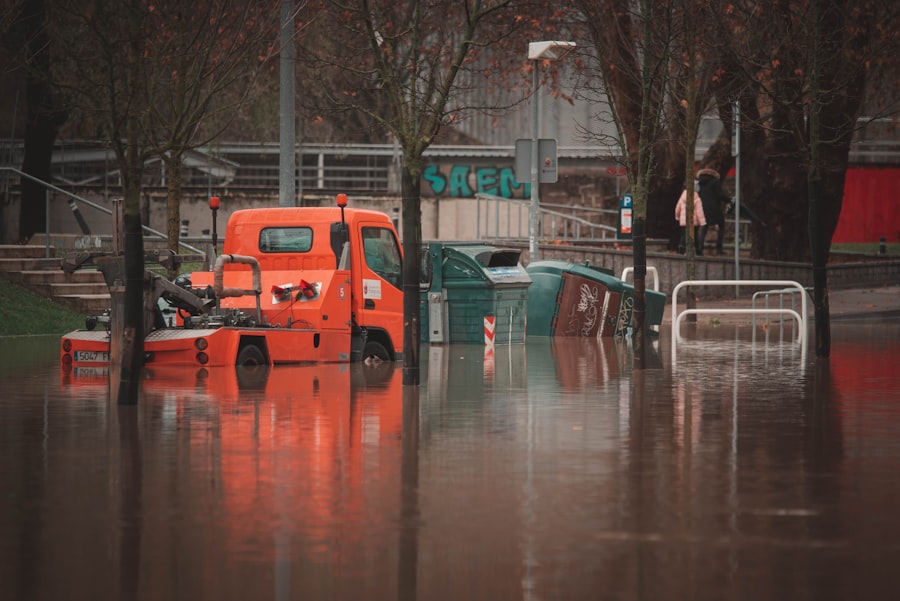
The need for flood triage in Japan arises from the increasing frequency and intensity of flooding events, driven by climate change and urbanization. As weather patterns become more unpredictable, communities find themselves facing unprecedented challenges. Traditional flood management approaches often fall short in addressing the complexities of modern disasters, necessitating a more nuanced response strategy.
Flood triage allows for a systematic evaluation of needs during emergencies, ensuring that resources are allocated efficiently and effectively. Moreover, Japan’s dense population and extensive infrastructure create additional layers of complexity during flood events. In densely populated urban areas, the potential for loss of life and property damage escalates dramatically during floods.
Triage becomes essential not only for immediate rescue operations but also for long-term recovery efforts. By prioritizing interventions based on urgency and severity, flood triage helps to minimize chaos during disasters and fosters a more organized response that can save lives and protect property.
Implementation of Flood Triage by the Japanese Government
The Japanese government has taken significant steps to implement flood triage as part of its broader disaster management framework. Recognizing the limitations of traditional emergency responses, authorities have integrated triage principles into their disaster preparedness plans. This involves collaboration between various government agencies, local authorities, and non-governmental organizations to create a cohesive response strategy that addresses both immediate needs and long-term recovery.
One notable aspect of this implementation is the establishment of early warning systems that provide timely information about impending floods. These systems enable communities to prepare adequately and respond swiftly when disasters strike. Additionally, the government has invested in training programs for emergency responders, equipping them with the skills necessary to assess situations rapidly and prioritize interventions based on established criteria.
This proactive approach reflects a commitment to enhancing resilience against flooding while ensuring that vulnerable populations receive the support they need during crises.
Components of the Flood Triage System
| Metric | Value | Description |
|---|---|---|
| Number of Flood Triage Centers | 150 | Centers established nationwide for flood-related emergency triage |
| Average Response Time | 30 minutes | Time taken from flood alert to triage team deployment |
| Personnel Trained in Flood Triage | 5,000 | Number of government and volunteer staff trained for flood triage |
| Evacuation Assistance Provided | 20,000 people | Number of individuals assisted during flood evacuations in last year |
| Flood Triage Equipment Stocked | 10,000 units | Includes medical kits, communication devices, and rescue tools |
| Annual Budget Allocation | Not disclosed | Government funding dedicated to flood triage operations |
| Flood Triage Drills Conducted | 25 per year | Simulated exercises to prepare teams for flood emergencies |
The flood triage system in Japan comprises several key components designed to facilitate effective disaster response. Central to this system is a robust data collection and analysis framework that allows authorities to assess risk levels accurately. Geographic Information Systems (GIS) play a crucial role in mapping flood-prone areas and identifying vulnerable populations.
Another essential component is community engagement. Local residents are often the first responders during disasters, making their involvement critical in the triage process.
Training programs aimed at educating communities about flood risks and response strategies empower individuals to take action when faced with emergencies. Furthermore, collaboration between local governments and community organizations fosters a sense of shared responsibility, enhancing overall preparedness.
Role of Local Communities in Flood Triage
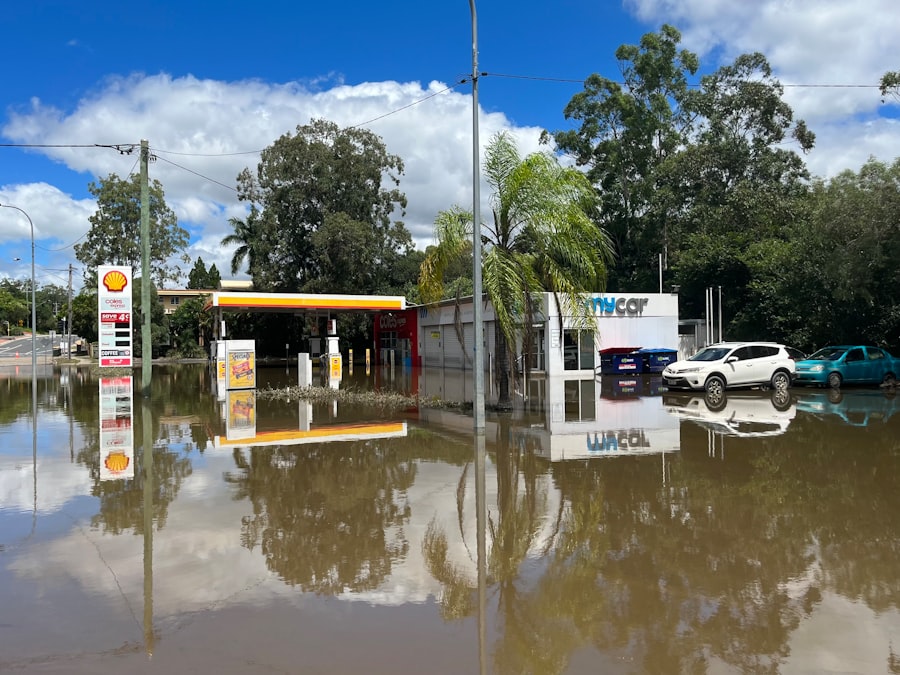
Local communities play an indispensable role in the success of flood triage efforts in Japan. Their intimate knowledge of the area, coupled with firsthand experience of past flooding events, positions them as vital contributors to disaster response initiatives. Community members are often more attuned to the specific needs of their neighborhoods, allowing them to provide valuable insights during triage assessments.
Moreover, local organizations frequently serve as conduits for information dissemination during emergencies. They can mobilize resources quickly and coordinate volunteer efforts to assist those affected by floods. By fostering strong community networks, Japan enhances its overall resilience against flooding while ensuring that responses are tailored to meet local needs effectively.
This grassroots involvement not only strengthens immediate disaster response but also cultivates a culture of preparedness that can mitigate future risks.
Training and Preparedness for Flood Triage
Training and preparedness are cornerstones of an effective flood triage system in Japan. The government has recognized that equipping emergency responders with the necessary skills is paramount for successful disaster management.
These initiatives ensure that responders can act decisively during emergencies, minimizing confusion and maximizing efficiency. In addition to formal training for professionals, community-based preparedness programs have gained traction across Japan. Workshops and drills are organized to educate residents about flood risks and response protocols.
These initiatives empower individuals to take proactive measures in safeguarding their families and properties during floods. By fostering a culture of preparedness at both institutional and community levels, Japan enhances its capacity to respond effectively to flooding events.
Successes and Challenges of Flood Triage in Japan
The implementation of flood triage in Japan has yielded notable successes while also presenting challenges that require ongoing attention. One significant achievement is the establishment of comprehensive early warning systems that have improved response times during flooding events. These systems have been instrumental in saving lives by providing timely alerts to at-risk populations, allowing them to evacuate or take necessary precautions.
However, challenges persist in ensuring equitable access to resources during disasters. Vulnerable populations, including the elderly and those with disabilities, may face barriers in receiving assistance during floods. Addressing these disparities requires continuous evaluation of triage processes and targeted interventions to ensure that no one is left behind during emergencies.
Additionally, as climate change continues to alter weather patterns, Japan must remain adaptable in its approach to flood management, continually refining its triage system to meet evolving challenges.
Lessons Learned from the Implementation of Flood Triage
The experiences gained from implementing flood triage in Japan offer valuable lessons for other nations facing similar challenges. One key takeaway is the importance of integrating local knowledge into disaster response strategies. Engaging communities not only enhances situational awareness but also fosters trust between authorities and residents, leading to more effective collaboration during emergencies.
Another lesson is the necessity for continuous training and education at all levels of society. As new technologies emerge and climate conditions change, ongoing training ensures that responders remain equipped with up-to-date knowledge and skills. Furthermore, regular drills involving both professionals and community members can reinforce preparedness efforts and build resilience against future flooding events.
Future Plans for Flood Triage in Japan
Looking ahead, Japan’s commitment to enhancing its flood triage system remains steadfast. Future plans include further investment in advanced technologies such as artificial intelligence and machine learning to improve predictive modeling for flooding events. By harnessing these innovations, authorities aim to refine risk assessments and enhance early warning systems.
Additionally, there is a growing recognition of the need for international collaboration in addressing climate-related challenges. Japan plans to share its experiences with other countries facing similar flooding risks while learning from global best practices in disaster management. This collaborative approach not only strengthens Japan’s own resilience but also contributes to a collective effort toward mitigating the impacts of climate change on vulnerable communities worldwide.
The Impact of Flood Triage on Japanese Communities
In conclusion, flood triage has emerged as a vital component of Japan’s disaster management strategy, significantly impacting communities across the nation. By prioritizing resources based on urgency and need, this approach has enhanced response efficiency during flooding events while fostering resilience among local populations. The integration of community involvement, advanced technologies, and continuous training has created a robust framework capable of adapting to evolving challenges posed by climate change.
As Japan continues to refine its flood triage system, it serves as a model for other nations grappling with similar issues. The lessons learned from its implementation underscore the importance of collaboration between government agencies, local communities, and international partners in building a more resilient future against natural disasters. Ultimately, flood triage not only saves lives but also strengthens the social fabric of Japanese communities by promoting preparedness and solidarity in times of crisis.
In light of the recent flooding events in Japan, the government’s flood triage efforts have come under scrutiny. For a deeper understanding of the strategies being implemented, you can read a related article that discusses the challenges and responses of the Japanese government during such natural disasters. Check it out here: