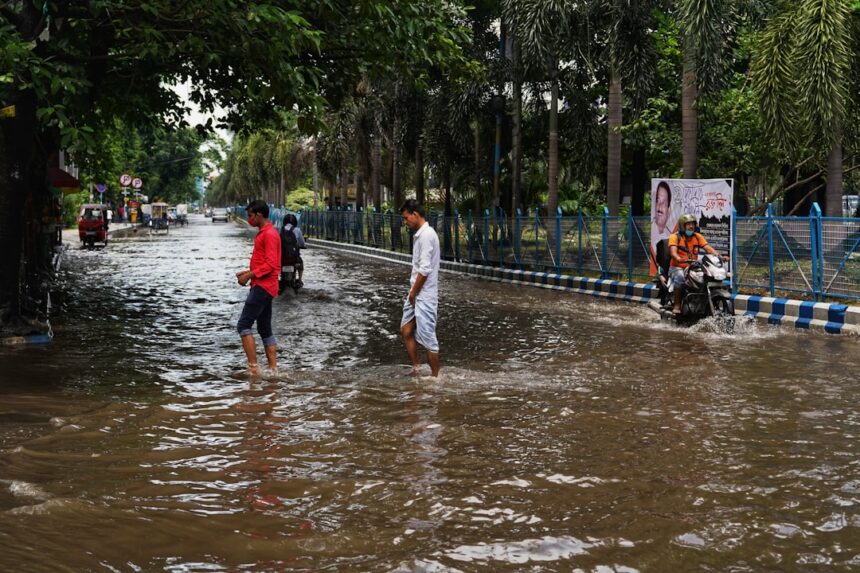
Japan, an archipelago located in the Pacific Ring of Fire, experiences frequent natural disasters, with flooding representing one of the most significant threats to the nation. The country’s geographical characteristics, including steep mountainous terrain covering approximately 73% of its landmass and over 35,000 rivers, create conditions that amplify flood risks during heavy rainfall and typhoon events. Japan receives an average annual precipitation of 1,600 millimeters, with seasonal variations that can produce extreme weather conditions.
The Japanese government has implemented a comprehensive flood management system that integrates structural and non-structural measures. This approach encompasses dam construction, river channel modifications, early warning systems, and community-based disaster preparedness programs. The strategy addresses multiple flood types, including riverine flooding, urban flooding, and coastal inundation from storm surges.
Climate change has intensified Japan’s flood challenges, with meteorological data showing increased frequency of extreme precipitation events exceeding 50 millimeters per hour since the 1980s. Sea level rise projections of 0.39 to 0.72 meters by 2100 further compound coastal flood risks. These changing conditions have prompted updates to flood protection standards and the adoption of adaptive management strategies that can respond to evolving environmental conditions.
Japan’s flood protection framework operates through coordination between national, prefectural, and municipal governments, supported by specialized agencies such as the Japan Meteorological Agency and river management authorities. The system emphasizes real-time monitoring, risk assessment, and rapid response capabilities to minimize flood impacts on the population of approximately 125 million people.
Key Takeaways
- Japan combines traditional methods with cutting-edge technologies to enhance flood protection.
- Government and community collaboration is crucial in implementing effective flood measures.
- Innovative technologies have led to significant success in mitigating flood damage.
- International cooperation helps Japan improve and share flood protection strategies.
- Japan’s experience offers valuable lessons for other countries facing flood risks.
History of Floods in Japan
Japan’s history is marked by numerous devastating floods that have shaped its approach to disaster management. Historical records indicate that significant flooding events have occurred as far back as the 8th century, with the most catastrophic floods often coinciding with typhoons or heavy monsoon rains. The Great Kanto Earthquake of 1923, followed by the subsequent flooding of Tokyo Bay, serves as a stark reminder of the destructive potential of natural disasters.
These events not only caused immense loss of life but also led to widespread destruction of infrastructure and homes. In the post-war era, Japan experienced rapid industrialization and urbanization, which further exacerbated the risks associated with flooding. The 1959 Isewan Typhoon, one of the deadliest typhoons in Japanese history, prompted significant changes in flood management policies.
The government recognized the need for a more systematic approach to flood control, leading to the establishment of various river improvement projects and the construction of dams and levees. Over the decades, these historical events have informed Japan’s evolving flood protection strategies, highlighting the necessity for continuous adaptation in the face of changing environmental conditions.
Traditional Flood Protection Methods in Japan
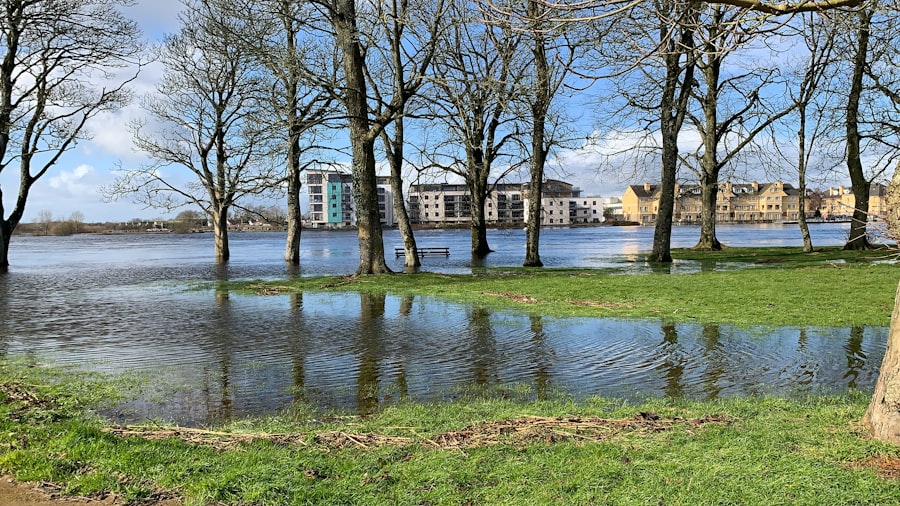
Japan’s traditional flood protection methods are deeply rooted in its cultural heritage and historical experiences with flooding. One of the most notable techniques is the use of “yui,” a community-based approach where local residents collaborate to build and maintain flood defenses such as levees and dikes. This method not only fosters a sense of community but also ensures that local knowledge and practices are integrated into flood management efforts.
The yui system exemplifies how traditional practices can be effective in mitigating flood risks while promoting social cohesion. In addition to community efforts, Japan has long utilized natural features for flood protection. The construction of rice paddies and wetlands has historically served as a buffer against flooding by absorbing excess rainwater.
These traditional agricultural practices not only provide food security but also contribute to the overall resilience of landscapes against flooding. Furthermore, ancient Japanese architecture often incorporated elevated structures designed to withstand flooding, showcasing an understanding of environmental challenges that has persisted through generations.
The Need for Innovative Flood Protection Strategies
As climate change continues to alter weather patterns and increase the frequency and intensity of extreme weather events, Japan faces an urgent need for innovative flood protection strategies. Traditional methods alone may no longer suffice in addressing the complexities of modern flooding scenarios. Urbanization has led to increased impervious surfaces, which exacerbate runoff and contribute to flash floods.
Consequently, there is a pressing demand for solutions that can adapt to these evolving challenges while ensuring the safety and well-being of communities. Moreover, Japan’s aging infrastructure poses additional challenges to effective flood management. Many existing levees and drainage systems require upgrades or replacements to meet contemporary standards.
The integration of innovative technologies into flood protection strategies can enhance the efficiency and effectiveness of these systems. By embracing new approaches such as smart water management systems and real-time monitoring technologies, Japan can better anticipate flooding events and respond more effectively when they occur.
Japan’s Innovative Flood Protection Technologies
| Metric | Details | Value/Description |
|---|---|---|
| Annual Flood Damage Reduction | Percentage decrease in flood-related damages due to protection measures | Approximately 70% reduction since 1980s |
| Length of Levees and Floodwalls | Total kilometers of levees and floodwalls constructed nationwide | Over 10,000 km |
| Reservoir Capacity for Flood Control | Total volume of reservoirs dedicated to flood mitigation | Approximately 5 billion cubic meters |
| Flood Forecasting Lead Time | Average time in hours for flood warnings before peak flood events | Up to 48 hours |
| Investment in Flood Protection (Annual) | Government budget allocation for flood control infrastructure and maintenance | Approximately 200 billion yen |
| Urban Flood Drainage Capacity | Drainage system capacity in major cities to handle heavy rainfall | Designed for 100-200 mm/hour rainfall intensity |
| Community Evacuation Drills | Frequency of nationwide flood evacuation drills | Conducted annually |
| Use of Advanced Technology | Implementation of AI and IoT for flood monitoring and response | Integrated in major river basins and urban areas |
Japan has emerged as a pioneer in developing innovative flood protection technologies that leverage advanced engineering and data analytics. One notable example is the use of “smart” levees equipped with sensors that monitor water levels and soil conditions in real-time. These sensors provide critical data that can inform decision-making during flooding events, allowing authorities to take timely action to protect vulnerable areas.
Additionally, automated floodgates have been implemented in various regions to control water flow during heavy rainfall, minimizing the risk of inundation.
By analyzing vast amounts of meteorological data, AI algorithms can forecast potential flooding events with greater accuracy than traditional methods.
This predictive capability enables authorities to issue timely warnings and mobilize resources effectively, ultimately saving lives and reducing property damage. Furthermore, Japan has invested in developing floating infrastructure that can adapt to rising water levels, showcasing a forward-thinking approach to flood resilience.
Role of Government in Implementing Flood Protection Measures
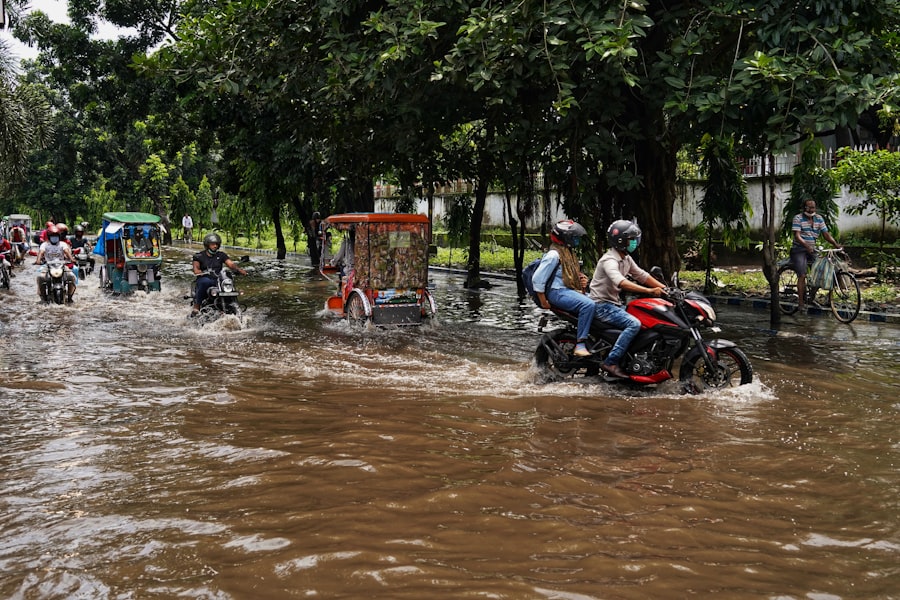
The Japanese government plays a crucial role in implementing flood protection measures at both national and local levels. Through comprehensive policies and regulations, the government establishes frameworks for disaster risk reduction and allocates funding for infrastructure projects aimed at enhancing flood resilience. The Ministry of Land, Infrastructure, Transport and Tourism (MLIT) is particularly instrumental in coordinating efforts across various sectors, ensuring that flood management strategies are integrated into urban planning and development initiatives.
In addition to funding infrastructure projects, the government also invests in public education campaigns aimed at raising awareness about flood risks and preparedness measures. By engaging citizens in discussions about disaster preparedness, the government fosters a culture of resilience that empowers communities to take proactive steps in safeguarding themselves against flooding events. This collaborative approach between government agencies and local communities is essential for building a comprehensive flood protection strategy that addresses both immediate needs and long-term sustainability.
Community Involvement in Flood Protection
Community involvement is a cornerstone of Japan’s flood protection strategy, reflecting the belief that local residents are best positioned to understand their unique vulnerabilities and resources. Grassroots organizations play an active role in disaster preparedness initiatives, organizing training sessions and simulations that equip residents with the skills needed to respond effectively during flooding events. These community-led efforts not only enhance individual preparedness but also strengthen social networks that are vital during times of crisis.
Moreover, local knowledge is invaluable in identifying specific risks associated with flooding in different regions. Community members often possess insights into historical flooding patterns and effective mitigation strategies that may not be captured by formal assessments. By incorporating this local expertise into planning processes, authorities can develop more tailored solutions that resonate with residents’ needs and preferences.
This collaborative approach fosters a sense of ownership among community members, encouraging them to take an active role in safeguarding their neighborhoods against flooding.
International Collaboration for Flood Protection
Japan recognizes that flooding is a global challenge that transcends national borders, necessitating international collaboration for effective solutions. The country actively engages in partnerships with other nations facing similar risks, sharing knowledge and best practices in flood management. Through forums such as the Asia-Pacific Economic Cooperation (APEC) and various United Nations initiatives, Japan contributes its expertise while learning from the experiences of others.
One notable example of international collaboration is Japan’s involvement in capacity-building programs aimed at enhancing disaster resilience in developing countries. By providing technical assistance and training on flood management strategies, Japan helps empower vulnerable nations to better prepare for and respond to flooding events. This commitment to global cooperation underscores Japan’s recognition that collective action is essential for addressing the complex challenges posed by climate change and natural disasters.
Success Stories of Japan’s Innovative Flood Protection Strategy
Japan’s innovative flood protection strategy has yielded numerous success stories that highlight its effectiveness in mitigating risks associated with flooding. One such example is the construction of the Metropolitan Area Outer Underground Discharge Channel (MAOUDC) in Tokyo. This massive underground facility was designed to divert excess rainwater during heavy storms away from urban areas prone to flooding.
Since its completion, MAOUDC has successfully prevented significant flooding incidents in Tokyo, demonstrating the potential of large-scale engineering projects in enhancing urban resilience. Another success story is the implementation of community-based disaster risk reduction programs across various regions in Japan. These initiatives have empowered local residents to take charge of their safety by developing evacuation plans and conducting regular drills.
As a result, communities have become more resilient and better prepared for potential flooding events. The positive outcomes from these programs serve as a testament to the effectiveness of integrating community involvement into disaster management strategies.
Challenges and Future Directions for Flood Protection in Japan
Despite its successes, Japan’s flood protection strategy faces several challenges that must be addressed to ensure continued effectiveness. One significant issue is the aging infrastructure that requires ongoing maintenance and upgrades to meet modern standards. As climate change intensifies weather patterns, there is an urgent need for investment in resilient infrastructure capable of withstanding extreme conditions.
Additionally, urbanization continues to pose challenges as cities expand into vulnerable areas prone to flooding. Balancing development with effective flood management requires innovative planning approaches that prioritize sustainability while accommodating growth. Future directions for Japan’s flood protection strategy may involve further integration of green infrastructure solutions such as permeable pavements and urban green spaces that enhance natural water absorption capabilities.
Lessons for Other Countries from Japan’s Flood Protection Strategy
Japan’s comprehensive approach to flood protection offers valuable lessons for other countries grappling with similar challenges posed by climate change and natural disasters. One key takeaway is the importance of integrating traditional knowledge with modern technology to create effective solutions tailored to local contexts. By valuing community involvement and leveraging local expertise, nations can develop more resilient strategies that resonate with their populations.
Furthermore, Japan’s emphasis on proactive measures—such as public education campaigns and early warning systems—highlights the significance of preparedness in mitigating disaster impacts. Other countries can benefit from adopting similar approaches that prioritize risk reduction through education and community engagement. Ultimately, Japan’s experience serves as a model for fostering resilience against flooding while promoting collaboration at both national and international levels.
Japan has long been recognized for its innovative flood protection strategies, which are crucial given the country’s vulnerability to natural disasters. A related article that delves into these strategies can be found at this link. The article discusses various measures implemented by Japan, including advanced engineering solutions and community preparedness initiatives, highlighting the nation’s commitment to safeguarding its citizens and infrastructure against flooding.
FAQs
What are the main causes of flooding in Japan?
Japan experiences flooding primarily due to heavy rainfall, typhoons, and seasonal monsoons. The country’s mountainous terrain and numerous rivers also contribute to rapid water runoff and potential flooding.
How does Japan’s geography influence its flood protection strategies?
Japan’s mountainous landscape and dense river networks require a combination of structural measures like dams, levees, and floodgates, as well as non-structural approaches such as early warning systems and land-use planning to effectively manage flood risks.
What structural measures are used in Japan to prevent floods?
Japan employs various structural flood protection measures including the construction of dams, levees, floodwalls, retention basins, and advanced drainage systems to control and redirect floodwaters.
How does Japan use technology in its flood protection strategy?
Japan utilizes advanced technologies such as real-time monitoring systems, weather forecasting, early warning alerts, and automated floodgate operations to enhance its flood response and mitigation efforts.
What role does community involvement play in Japan’s flood protection?
Community participation is vital in Japan’s flood protection strategy. Local residents are educated on disaster preparedness, evacuation procedures, and participate in regular drills to ensure effective response during flood events.
How does Japan integrate environmental considerations into its flood management?
Japan incorporates green infrastructure like wetlands restoration, riverbank vegetation, and floodplain management to reduce flood risks while preserving natural ecosystems and biodiversity.
What are non-structural flood protection measures in Japan?
Non-structural measures include land-use regulations, zoning laws, public education campaigns, disaster preparedness training, and the development of comprehensive emergency response plans.
How effective is Japan’s flood protection strategy?
Japan’s flood protection strategy is considered highly effective due to its combination of advanced engineering, technology, community engagement, and continuous improvement based on past flood experiences.
How does Japan prepare for typhoon-related flooding?
Japan prepares for typhoon-related flooding through early warning systems, pre-emptive evacuations, reinforcement of flood defenses, and coordination among government agencies for rapid disaster response.
What lessons has Japan learned from past floods?
Japan has learned the importance of integrating structural and non-structural measures, investing in technology, fostering community resilience, and maintaining flexible, adaptive flood management policies to reduce future flood impacts.