
Regret is a complex emotion that often arises when you reflect on past decisions and wish you had chosen differently. It can manifest as a sense of disappointment, sadness, or even guilt, stemming from the belief that your choices have led to undesirable outcomes. This feeling can be particularly intense when you consider the opportunities you missed or the paths you did not take.
Understanding regret involves recognizing that it is a natural part of the human experience, one that everyone encounters at some point in their lives. It serves as a reminder of your values and desires, highlighting what truly matters to you. As you delve deeper into the concept of regret, it becomes clear that it can serve both positive and negative functions.
On one hand, regret can motivate you to make better choices in the future, acting as a catalyst for personal growth and self-improvement. On the other hand, if left unchecked, it can lead to a cycle of rumination and self-blame, preventing you from moving forward. By acknowledging your regrets without allowing them to define you, you can begin to understand their role in your life and use them as stepping stones toward a more fulfilling existence.
Key Takeaways
- Regret is a common human experience that involves feeling sorrow or disappointment over past actions or decisions.
- Practicing mindfulness can help individuals make more intentional and thoughtful decisions, reducing the likelihood of future regrets.
- Letting go of past regrets involves acknowledging the emotions associated with them and actively choosing to move forward and focus on the present moment.
- Embracing the present moment involves being fully engaged and aware of one’s surroundings and experiences, leading to a greater sense of fulfillment and joy.
- Cultivating self-awareness and self-compassion is essential for understanding one’s values and making choices that align with them, ultimately reducing the likelihood of future regrets.
Practicing mindfulness in decision-making
Mindfulness is the practice of being fully present in the moment, allowing you to engage with your thoughts and feelings without judgment.
By taking a moment to pause and reflect before making a decision, you create space for clarity and insight.
This practice encourages you to consider not only the immediate consequences of your choices but also their long-term impact on your life. As you cultivate mindfulness in your decision-making process, you may find that it helps reduce feelings of regret. By being present and aware of your thoughts and emotions, you can make more informed choices that resonate with your values and aspirations.
Ultimately, practicing mindfulness empowers you to take ownership of your choices, fostering a sense of confidence and reducing the likelihood of future regrets.
Letting go of past regrets
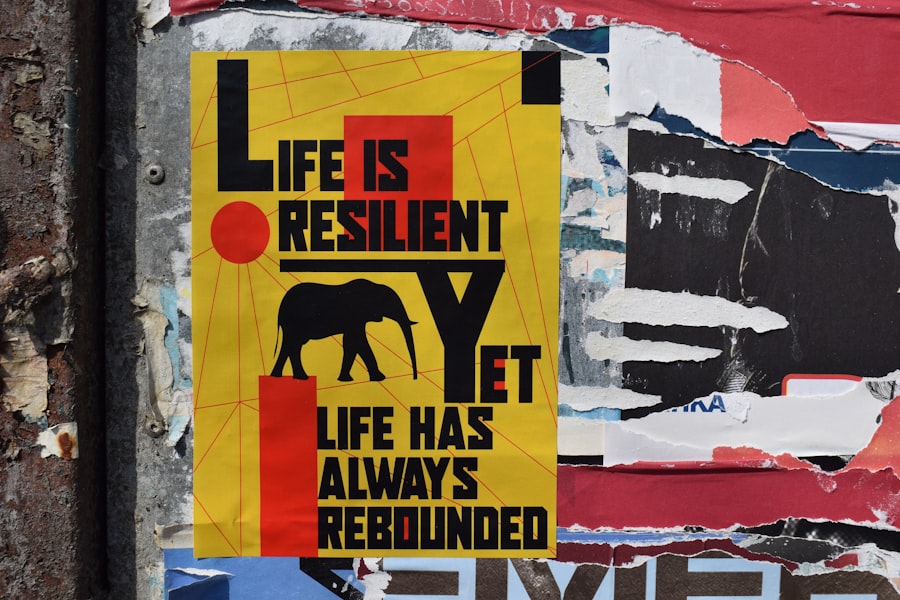
Letting go of past regrets is an essential step toward emotional healing and personal growth. It requires acknowledging the feelings associated with those regrets while also recognizing that dwelling on them serves no constructive purpose. You may find it helpful to engage in reflective practices, such as journaling or talking with a trusted friend, to process your emotions and gain perspective on your experiences.
By articulating your regrets, you can begin to understand their origins and the lessons they hold. As you work on releasing these burdens, consider adopting a mindset of forgiveness—both for yourself and for others involved in your past decisions. Understand that everyone makes mistakes, and it is through these experiences that you learn and grow.
By forgiving yourself for past choices, you free yourself from the weight of regret and open up space for new opportunities. Letting go is not about forgetting; rather, it is about accepting what has happened and choosing to move forward with a renewed sense of purpose.
Embracing the present moment
| Aspect | Metric |
|---|---|
| Awareness | Percentage of time spent mindfully present |
| Gratitude | Number of things appreciated daily |
| Acceptance | Frequency of letting go of resistance |
| Peace | Level of inner calmness |
Embracing the present moment is crucial for overcoming regret and finding fulfillment in life. When you focus on the here and now, you shift your attention away from what could have been and redirect it toward what is currently possible. This practice encourages you to engage fully with your surroundings, relationships, and experiences, fostering a deeper appreciation for life as it unfolds.
By immersing yourself in the present, you cultivate a sense of gratitude that can counteract feelings of regret. To embrace the present moment effectively, consider incorporating mindfulness techniques into your daily routine. Simple practices such as deep breathing, meditation, or mindful walking can help ground you in the now.
As you become more attuned to your thoughts and feelings in real-time, you’ll find it easier to let go of past regrets and focus on creating a meaningful future. Embracing the present allows you to savor life’s joys and challenges alike, transforming each moment into an opportunity for growth and connection.
Cultivating self-awareness and self-compassion
Self-awareness is the foundation for personal growth and emotional well-being. By developing a deeper understanding of your thoughts, feelings, and behaviors, you can identify patterns that contribute to feelings of regret. This awareness enables you to recognize when you’re falling into negative thought patterns or making choices that don’t align with your values.
As you cultivate self-awareness, you’ll find it easier to navigate life’s challenges with clarity and intention. Equally important is the practice of self-compassion. Being kind to yourself during moments of struggle or regret allows you to approach your experiences with understanding rather than judgment.
Instead of berating yourself for past mistakes, practice speaking to yourself as you would a close friend—offering support, encouragement, and understanding. This compassionate approach fosters resilience and helps you learn from your experiences without becoming mired in negativity.
Making choices aligned with personal values
Making choices that align with your personal values is essential for living a fulfilling life free from regret. When your decisions reflect what truly matters to you, you’re more likely to feel satisfied with the outcomes. To identify your core values, take time for introspection—consider what brings you joy, fulfillment, and a sense of purpose.
Once you’ve clarified these values, use them as a guiding compass when faced with decisions. As you begin to align your choices with your values, you’ll notice a shift in how you approach life. Decisions will feel more authentic and meaningful, reducing the likelihood of future regrets.
Additionally, this alignment fosters a sense of integrity within yourself; you’ll feel more confident in your choices knowing they resonate with who you are at your core. Embracing this alignment empowers you to live intentionally and authentically.
Learning from past mistakes without dwelling on them
Learning from past mistakes is an essential aspect of personal growth; however, it’s crucial to strike a balance between reflection and rumination. While it’s important to acknowledge what went wrong and extract valuable lessons from those experiences, dwelling on them can lead to feelings of regret that hinder progress. Instead of fixating on what could have been different, focus on how those mistakes have shaped who you are today.
To facilitate this learning process, consider adopting a growth mindset—viewing challenges as opportunities for development rather than setbacks. When reflecting on past mistakes, ask yourself what insights you’ve gained and how they can inform your future decisions. This approach allows you to honor your experiences while also empowering you to move forward with greater wisdom and resilience.
Fostering a positive and growth-oriented mindset
A positive and growth-oriented mindset is essential for overcoming regret and embracing life’s possibilities. By focusing on solutions rather than problems, you’ll cultivate an attitude that encourages exploration and resilience. This mindset allows you to view challenges as opportunities for growth rather than insurmountable obstacles.
When faced with setbacks or regrets, remind yourself that every experience contributes to your journey. To foster this mindset, surround yourself with positivity—engage with uplifting content, connect with supportive individuals, and practice gratitude regularly. By consciously choosing to focus on the positive aspects of life, you’ll create an environment conducive to growth and self-improvement.
This shift in perspective will not only help alleviate feelings of regret but also inspire you to pursue new opportunities with enthusiasm.
Building resilience and adaptability
Resilience is the ability to bounce back from adversity and adapt to change—a crucial skill when navigating life’s ups and downs. Building resilience involves developing coping strategies that allow you to face challenges head-on while maintaining a sense of hope and determination. When confronted with regret or difficult situations, resilient individuals are better equipped to find solutions and move forward.
To enhance your resilience, practice self-care regularly—prioritize activities that nourish your mind, body, and spirit. Additionally, cultivate strong support networks by surrounding yourself with people who uplift and encourage you during tough times. By fostering connections with others who share similar values or experiences, you’ll create a sense of belonging that bolsters your resilience in the face of adversity.
Nurturing meaningful relationships and connections
Meaningful relationships are vital for emotional well-being and can serve as a buffer against feelings of regret. When you cultivate deep connections with others—whether through family ties, friendships, or romantic partnerships—you create a support system that enriches your life experience. These relationships provide opportunities for shared joy, understanding, and growth while also offering comfort during challenging times.
To nurture these connections effectively, prioritize quality time spent together—engage in open conversations, share experiences, and express appreciation for one another regularly. By investing in meaningful relationships, you’ll create a network of support that helps alleviate feelings of regret while also enhancing your overall sense of fulfillment.
Finding joy and fulfillment in the present moment
Ultimately, finding joy and fulfillment in the present moment is key to overcoming regret and living a meaningful life. By focusing on what brings you happiness today—whether it’s pursuing hobbies, spending time with loved ones, or simply enjoying nature—you cultivate an appreciation for life’s simple pleasures. This practice encourages mindfulness and gratitude while helping you let go of past regrets.
To enhance this sense of fulfillment further, consider setting intentions for each day—identify specific actions or attitudes that will bring joy into your life. By consciously choosing to engage with activities that resonate with your passions and values, you’ll create a life filled with purpose and satisfaction. Embracing the present moment allows you to savor each experience fully while minimizing the weight of regret from the past.
In conclusion, navigating feelings of regret requires a multifaceted approach that encompasses mindfulness, self-awareness, resilience, meaningful relationships, and an appreciation for the present moment. By embracing these principles in your daily life, you’ll cultivate a deeper understanding of yourself while fostering personal growth and fulfillment along the way.
Living without regret is a pursuit many strive for, seeking a life filled with fulfillment and contentment. One insightful article that delves into this topic can be found on Productive Patty’s website. The article offers practical advice and strategies to help individuals make decisions that align with their values and long-term goals, ultimately leading to a life with fewer regrets. For more detailed guidance, you can read the full article by visiting Productive Patty.
WATCH THIS! Stop Donating Your 4,000 Weeks to Procrastination; Invest Minutes Like Compound Interest
FAQs
What does it mean to live without regret?
Living without regret means making decisions and choices that align with your values and goals, so that you can look back on your life with a sense of contentment and fulfillment, rather than wishing you had done things differently.
How can one live without regret?
Living without regret involves being mindful and intentional in your decision-making, taking responsibility for your actions, learning from your mistakes, and focusing on the present moment rather than dwelling on the past.
What are some practical tips for living without regret?
Some practical tips for living without regret include setting clear goals, being true to yourself, taking calculated risks, maintaining healthy relationships, practicing gratitude, and seeking personal growth and self-improvement.
Why is it important to live without regret?
Living without regret can lead to a greater sense of happiness, peace, and fulfillment, as well as a more positive outlook on life. It can also help to reduce stress and anxiety, and improve overall mental and emotional well-being.
Can anyone truly live without regret?
While it may be challenging to completely eliminate all feelings of regret, it is possible to minimize regret by making conscious choices, learning from past experiences, and focusing on personal growth and self-compassion.