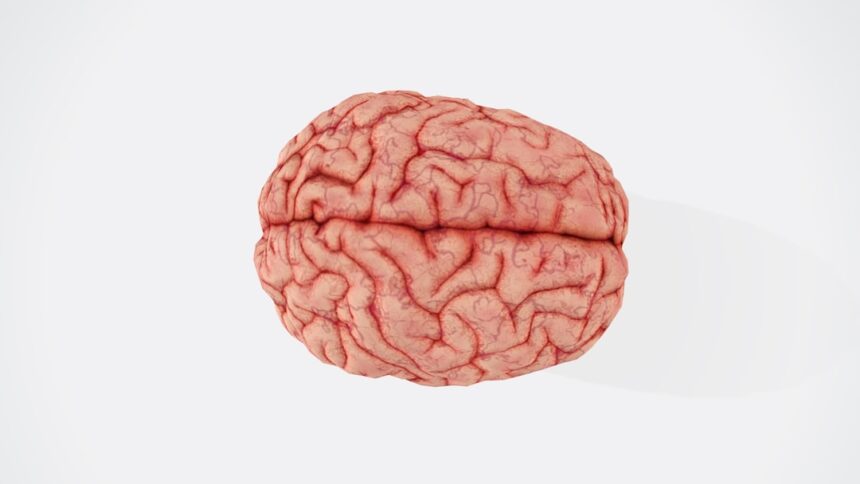
You are striving for consistent high performance. You’ve experienced moments of brilliance, those days where everything clicked, and you felt like an unstoppable force. Yet, the challenge you face is making those peaks the norm, not fleeting exceptions. This pursuit requires a fundamental understanding: consistent high performance isn’t solely about external factors or sheer willpower; it’s deeply rooted in how you’ve trained your brain. This article explores the science and practice of retraining your brain to achieve and maintain peak performance, not just in bursts, but as your baseline.
To master consistent high performance, you must first comprehend the biological machinery that drives it. Your brain, a complex network of neurons, operates on principles of plasticity, meaning it can be reshaped and rewired through experience and deliberate practice. Understanding these underlying mechanisms empowers you to intervene effectively.
Neuronal Plasticity: The Brain’s Adaptability
Your brain is not a static organ. It possesses neuroplasticity, the remarkable ability to reorganize itself by forming new neural connections throughout life. This is the fundamental principle that allows you to learn new skills, adapt to changing environments, and, crucially, retrain your brain for higher performance.
Synaptic Connections: The Building Blocks of Thought and Action
Think of your brain as a vast cityscape. Neurons are the buildings, and the synapses are the intricate network of roads and bridges connecting them. When you engage in a particular activity, the neural pathways associated with that activity are strengthened. Repeated practice is like repaving and widening those roads, making the traffic of information flow smoother and faster.
Neurogenesis: The Evolving Landscape
While the majority of your neurons are formed before birth, neurogenesis, the creation of new neurons, continues in specific areas of the adult brain, notably the hippocampus, which is crucial for learning and memory. This ongoing process means your brain is constantly updating and adapting, presenting an opportunity for targeted mental adjustments.
The Role of Brain Chemistry: Neurotransmitters as Performance Regulators
The symphony of your brain is orchestrated by chemical messengers called neurotransmitters. These molecules play a critical role in mood, motivation, focus, and energy levels, all of which are essential for sustained high performance.
Dopamine: The Reward and Motivation Chemical
Dopamine is often associated with pleasure, but its role in performance is more nuanced. It’s a key player in motivation, reward-seeking behavior, and the drive to pursue goals. When you anticipate a reward or achieve a small win, dopamine is released, reinforcing the behavior and making you more likely to repeat it.
Serotonin: The Mood Stabilizer
Serotonin influences mood, sleep, appetite, and social behavior. Adequate levels of serotonin contribute to feelings of well-being and emotional regulation, which are vital for resilience in the face of challenges and for maintaining focus over extended periods.
Norepinephrine: The Focus Enhancer
Norepinephrine, also known as noradrenaline, is involved in alertness, attention, and the “fight-or-flight” response. It helps you concentrate, react quickly, and stay energized when faced with demanding tasks.
If you’re looking to enhance your mental capabilities and achieve consistent high performance, you might find it beneficial to explore the article on retraining your brain available at Productive Patty. This resource offers practical strategies and insights that can help you develop a mindset geared towards productivity and success. By implementing the techniques discussed, you can unlock your full potential and maintain a high level of performance in both your personal and professional life.
Deconditioning Unhelpful Patterns: Breaking Down Mental Barriers
Before you can build new habits of high performance, you must first identify and dismantle the mental patterns that are hindering you. These ingrained habits, often formed unconsciously, can act as invisible anchors, preventing you from reaching your full potential.
Recognizing Cognitive Biases: The Mind’s Shortcuts
Your brain, in its quest for efficiency, often employs cognitive shortcuts known as biases. While these can be helpful in everyday decision-making, they can also lead to flawed judgments and unproductive behaviors in the context of performance.
Confirmation Bias: The Echo Chamber
Confirmation bias is the tendency to seek out, interpret, and remember information that confirms your existing beliefs, while ignoring evidence that contradicts them. In performance, this can manifest as a reluctance to consider feedback that doesn’t align with your self-perception, limiting your growth. It’s like wearing blinders that only allow you to see what you already expect to see.
Availability Heuristic: The Loudest Voice
The availability heuristic leads you to overestimate the likelihood or importance of events that are easily recalled. If you’ve recently experienced a setback, the memory of that failure might loom larger than past successes, making you hesitant to take on similar challenges.
Imposter Syndrome: The Internal Doubter
Imposter syndrome is a psychological pattern in which you doubt your skills and accomplishments and have a persistent fear of being exposed as a “fraud.” It’s a powerful internal barrier that can sabotage your confidence and lead you to underperform, even when evidence suggests otherwise. You may feel like you’re constantly waiting to be found out, despite your tangible achievements.
Addressing Learned Helplessness: Reclaiming Agency
Learned helplessness occurs when an individual experiences repeated aversive stimuli that they cannot control, leading them to accept negative situations passively and cease trying to change them. This can cripple your drive for high performance.
The Cycle of Inaction: Breaking the Pattern
Learned helplessness creates a vicious cycle: a perceived lack of control leads to a lack of effort, which reinforces the perception of powerlessness. Breaking this cycle requires actively seeking out opportunities for control and experiencing success, even in small measures.
Internal Locus of Control: Owning Your Outcomes
Developing an internal locus of control means believing that your own actions and efforts determine the outcomes in your life. This is the antithesis of learned helplessness and is a cornerstone of proactive, high-performing individuals.
Cultivating High-Performance Habits: Building New Neural Pathways

With an understanding of how your brain functions and an awareness of the barriers you face, you can begin the process of actively building new neural pathways that support consistent high performance. This is a deliberate and iterative process.
The Power of Deliberate Practice: Targeted Skill Refinement
Deliberate practice is not simply repeating a skill; it’s a structured approach focused on improving specific aspects of your performance. It involves pushing beyond your comfort zone, receiving regular feedback, and making constant adjustments.
Focused Attention: The Laser Beam
This form of practice demands undivided attention. You must dedicate your cognitive resources to the specific skill you are working on, minimizing distractions. Think of it as shining a powerful laser beam on a single point, rather than scattering light diffusely.
Targeted Feedback: The Compass
Seeking and actively incorporating feedback from experts or mentors is crucial. This feedback acts as a compass, guiding your practice toward areas that need the most improvement. Without it, you risk reinforcing incorrect techniques.
Iterative Improvement: The Sculptor’s Chisel
Deliberate practice is an ongoing process of refinement. You make small, incremental adjustments based on feedback, sculpting your skills over time. Each repetition is an opportunity to hone your technique.
Habit Formation: Automating Excellence
Habits are the bedrock of consistent behavior. By deliberately engineering your habits, you can automate the actions that lead to high performance, reducing the reliance on conscious effort and willpower.
The Habit Loop: Cue, Routine, Reward
Charles Duhigg’s model of the habit loop – cue, routine, reward – provides a framework for understanding and changing habits. Identifying the cue that triggers an unproductive behavior and replacing it with a new, high-performance routine, followed by a self-administered reward, can rewire your brain.
Keystone Habits: The Domino Effect
A keystone habit is a single habit that, when adopted, triggers a cascade of other positive changes. For instance, consistent exercise can lead to improved sleep, better diet, and increased productivity, all of which contribute to enhanced performance.
Optimizing Your Internal Environment: Fueling the Brain

Your brain’s ability to perform at a high level is significantly influenced by your internal physiological state. Optimizing this environment is as critical as any mental training.
Sleep: The Brain’s Recharge Cycle
Sleep is not merely a period of inactivity; it’s a crucial time for neural repair, memory consolidation, and emotional regulation. Chronic sleep deprivation severely impairs cognitive function, decision-making, and overall performance.
The Stages of Sleep: A Restorative Journey
Understanding the different stages of sleep – light sleep, deep sleep, and REM sleep – can highlight why consistent, quality sleep is so important. Each stage plays a vital role in restoring and recalibrating your brain for optimal functioning.
Sleep Hygiene: Paving the Way to Rest
Establishing good sleep hygiene – a set of practices that promote healthy sleep – is paramount. This includes maintaining a consistent sleep schedule, creating a conducive sleep environment, and avoiding stimulants before bed.
Nutrition: The Brain’s Fuel Source
What you eat directly impacts your brain’s chemistry and function. A balanced diet rich in essential nutrients provides the building blocks for neurotransmitters and protects against oxidative stress.
Macronutrients and Micronutrients: The Essential Ingredients
Ensure your diet includes adequate protein for neurotransmitter synthesis, healthy fats for brain structure and function, and complex carbohydrates for sustained energy. Micronutrients, such as vitamins and minerals, act as cofactors in countless enzymatic processes essential for brain health.
Hydration: The Unsung Hero
Dehydration, even mild, can lead to fatigue, reduced concentration, and impaired cognitive function. Maintaining adequate hydration is a simple yet powerful way to support optimal brain performance.
Stress Management: Navigating the Demands
While some stress can be a motivator, chronic stress is detrimental to cognitive function and can lead to burnout. Developing effective stress management techniques is essential for sustained high performance.
The Stress Response: A Double-Edged Sword
Your body’s stress response, mediated by hormones like cortisol, is designed for acute survival situations. However, prolonged activation of this system can damage neural pathways and impair executive functions.
Mindfulness and Meditation: Cultivating Calm
Practices like mindfulness and meditation have been shown to reduce stress, improve focus, and enhance emotional regulation. They train your brain to be present and less reactive to stressors, allowing for clearer thinking and more effective decision-making.
To achieve consistent high performance, it’s essential to understand the ways in which we can retrain our brains for optimal functioning. One effective approach is to adopt new habits that enhance focus and productivity. For further insights on this topic, you can explore a related article that delves into practical strategies for mental conditioning and performance enhancement. Check it out here to discover techniques that can help you unlock your full potential and maintain peak performance in your daily life.
Sustaining High Performance: The Long-Term Strategy
| Metric | Description | Recommended Practice | Expected Outcome | Measurement Method |
|---|---|---|---|---|
| Neuroplasticity | Brain’s ability to reorganize and form new neural connections | Engage in new learning activities and challenges daily | Improved adaptability and cognitive flexibility | Cognitive tests and brain imaging studies |
| Focus Duration | Length of time one can maintain concentrated attention | Practice mindfulness meditation and Pomodoro technique | Increased sustained attention and reduced distractions | Self-reported focus time and attention span tests |
| Stress Resilience | Ability to manage and recover from stress effectively | Regular physical exercise and breathing exercises | Lower cortisol levels and improved emotional regulation | Stress questionnaires and cortisol saliva tests |
| Sleep Quality | Restorative sleep that supports cognitive function | Maintain consistent sleep schedule and reduce screen time before bed | Enhanced memory consolidation and alertness | Sleep tracking devices and sleep quality surveys |
| Goal Setting | Clarity and specificity of performance goals | Use SMART goals and regular progress reviews | Higher motivation and measurable progress | Goal achievement rate and self-assessment |
| Positive Reinforcement | Use of rewards to encourage desired behaviors | Celebrate small wins and provide constructive feedback | Increased consistency and habit formation | Behavior tracking and feedback logs |
Mastering consistent high performance is not a destination; it’s a continuous journey. It requires ongoing adaptation, self-awareness, and a commitment to lifelong learning.
Continuous Learning and Adaptation: The Evolving Mind
The world and your field of expertise are constantly changing. To maintain high performance, you must embrace a mindset of continuous learning and be willing to adapt your strategies and skills.
Embracing Novelty: Expanding Your Horizons
Actively seeking out new information, challenging your assumptions, and engaging with diverse perspectives keeps your brain agile and adaptable. This openness to novelty prevents intellectual stagnation.
Seeking Out Challenges: The Growth Edge
Intentionally stepping outside your comfort zone, tackling new and difficult challenges, forces your brain to engage in novel problem-solving and build new neural connections. This is where significant growth occurs.
Self-Reflection and Calibration: Staying on Course
Regularly assessing your performance, identifying areas for improvement, and adjusting your approach is crucial for long-term success. This ongoing calibration ensures you remain aligned with your goals.
Performance Audits: A Periodic Check-up
Conducting periodic self-audits of your performance, akin to a detailed review of your work, can reveal patterns, strengths, and weaknesses you might otherwise overlook. This allows for targeted course correction.
Seeking Mentorship: The Guiding Light
Having mentors who can offer objective feedback and guidance is invaluable. They can provide an external perspective, helping you identify blind spots and navigate complex challenges. Their experience can act as a guiding light, illuminating paths you might not see on your own.
Resilience and Recovery: Bouncing Back Stronger
Setbacks are inevitable. Your ability to bounce back from them, learn from mistakes, and maintain your drive is a hallmark of consistently high performers.
The Psychology of Failure: Reframing Setbacks
View failures not as endpoints, but as data points. Analyze what went wrong, extract lessons learned, and integrate those insights into your future actions. This reframing is crucial for maintaining motivation.
Active Recovery: Recharging for the Next Challenge
Prioritize active recovery strategies – not just rest, but activities that replenish your physical and mental energy. This could include enjoyable hobbies, spending time in nature, or engaging in social connections. Properly recharging ensures you are ready to tackle the next challenge with renewed vigor.
By understanding the neurobiological underpinnings of performance, intentionally deconditioning unhelpful patterns, cultivating high-performance habits, optimizing your internal environment, and embracing a long-term strategy of continuous learning and adaptation, you can indeed retrain your brain to achieve and sustain the consistent high performance you seek. It is a challenging, yet immensely rewarding, endeavor.

WARNING: Your Brain Thinks Success Is A Threat
FAQs
What does it mean to retrain your brain for consistent high performance?
Retraining your brain for consistent high performance involves developing new mental habits and thought patterns that enhance focus, resilience, and productivity. It typically includes techniques such as mindfulness, goal setting, and cognitive restructuring to improve how you respond to challenges and maintain peak performance over time.
How long does it take to retrain your brain for better performance?
The time required to retrain your brain varies depending on the individual and the methods used. Generally, forming new neural pathways and habits can take anywhere from a few weeks to several months of consistent practice and reinforcement.
What are some effective techniques to retrain the brain for high performance?
Effective techniques include mindfulness meditation, visualization, positive affirmations, goal setting, cognitive behavioral strategies, and regular physical exercise. These methods help improve focus, reduce stress, and build mental resilience necessary for sustained high performance.
Can retraining the brain improve performance in both professional and personal life?
Yes, retraining the brain can enhance performance across various areas of life. Improved cognitive function, emotional regulation, and stress management contribute to better decision-making, productivity, and relationships both at work and in personal settings.
Is it necessary to seek professional help to retrain the brain for high performance?
While many techniques can be practiced independently, professional guidance from coaches, therapists, or trainers can provide personalized strategies, accountability, and support, making the retraining process more effective and tailored to individual needs.