
Glucose regulation is a vital process that your body undertakes to maintain optimal energy levels and overall health. At its core, glucose regulation involves the management of blood sugar levels, ensuring that they remain within a healthy range. When you consume carbohydrates, your body breaks them down into glucose, which then enters your bloodstream.
This increase in blood sugar triggers a series of hormonal responses, primarily involving insulin, to help transport glucose into your cells for energy or storage. Understanding this intricate balance is crucial for maintaining your health and preventing conditions such as diabetes. Your body’s ability to regulate glucose is influenced by various factors, including diet, physical activity, and hormonal balance.
However, when this regulation is disrupted, it can lead to significant health issues. For instance, if your blood sugar levels remain consistently high, it can result in insulin resistance, where your cells become less responsive to insulin.
This can create a vicious cycle that ultimately leads to type 2 diabetes and other metabolic disorders. By grasping the fundamentals of glucose regulation, you can take proactive steps to support your body’s natural processes.
Key Takeaways
- Glucose regulation is the process by which the body maintains stable blood sugar levels to support overall health and well-being.
- Balanced blood sugar levels are crucial for energy production, brain function, and overall metabolic health.
- Insulin plays a key role in glucose regulation by helping cells absorb glucose from the bloodstream for energy.
- Factors such as diet, exercise, stress, and medication can affect glucose regulation and blood sugar levels.
- Maintaining stable blood sugar levels can be achieved through a balanced diet, regular exercise, stress management, and monitoring blood sugar levels.
The Importance of Balanced Blood Sugar Levels
Maintaining balanced blood sugar levels is essential for your overall well-being. When your blood sugar levels are stable, you experience consistent energy throughout the day, improved mood stability, and better cognitive function. On the other hand, fluctuations in blood sugar can lead to feelings of fatigue, irritability, and difficulty concentrating.
You may find that when your blood sugar dips too low, you experience symptoms like dizziness or weakness, while spikes can leave you feeling jittery or anxious. Therefore, achieving balance is not just about avoiding extremes; it’s about fostering a sense of well-being in your daily life. Moreover, balanced blood sugar levels play a crucial role in preventing long-term health complications.
Chronic high blood sugar can lead to serious conditions such as cardiovascular disease, nerve damage, and kidney problems. By keeping your blood sugar within a healthy range, you reduce the risk of these complications and promote longevity. It’s important to recognize that achieving this balance requires a holistic approach that encompasses diet, exercise, stress management, and regular monitoring.
By prioritizing balanced blood sugar levels, you are investing in your health and future.
The Role of Insulin in Glucose Regulation
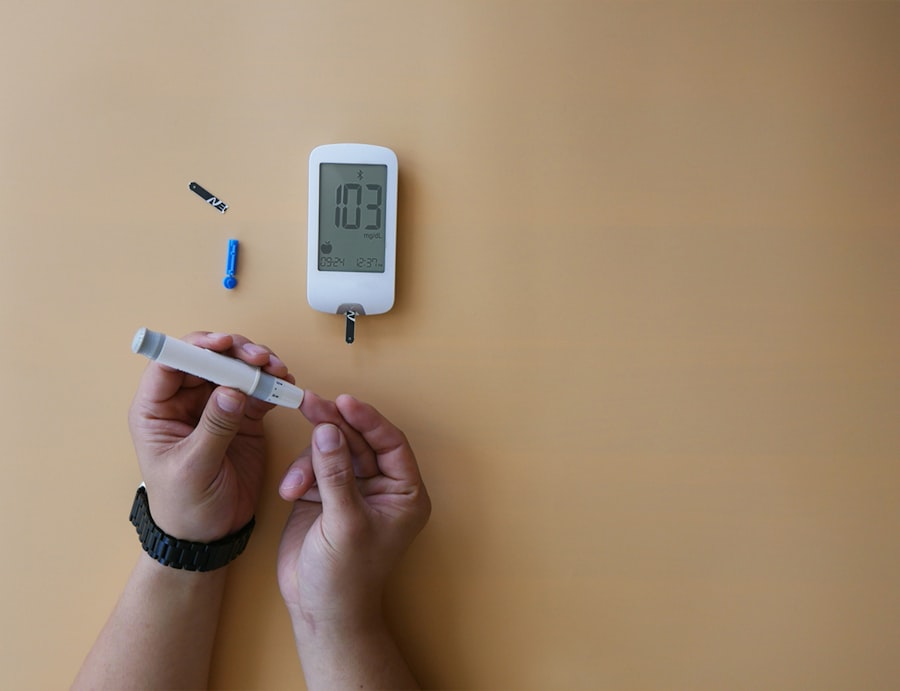
Insulin is a key hormone in the regulation of glucose levels in your body. Produced by the pancreas, insulin acts as a facilitator for glucose uptake by your cells. When you eat and your blood sugar rises, insulin is released into the bloodstream to help transport glucose into cells where it can be used for energy or stored for later use.
This process is essential for maintaining stable blood sugar levels and ensuring that your body has the energy it needs to function effectively. However, the relationship between insulin and glucose is not always straightforward. In some cases, your body may become resistant to insulin, meaning that even though insulin is present, it cannot effectively facilitate glucose uptake.
This condition can lead to elevated blood sugar levels and eventually result in type 2 diabetes if not addressed. Understanding the role of insulin in glucose regulation empowers you to make informed choices about your diet and lifestyle that can enhance insulin sensitivity and promote better health outcomes.
Factors Affecting Glucose Regulation
| Factors | Impact on Glucose Regulation |
|---|---|
| Diet | Can affect blood sugar levels, especially with high sugar and carbohydrate intake |
| Exercise | Can help lower blood sugar levels and improve insulin sensitivity |
| Stress | Can raise blood sugar levels through the release of stress hormones |
| Medication | Can affect blood sugar levels, especially in individuals with diabetes |
| Illness | Can cause blood sugar levels to rise due to the release of stress hormones |
Several factors can influence how well your body regulates glucose levels. One of the most significant factors is diet. The types of foods you consume can have a profound impact on your blood sugar levels.
For instance, foods high in refined sugars and carbohydrates can cause rapid spikes in blood sugar, while whole grains and fiber-rich foods tend to promote more stable levels. Additionally, portion sizes and meal timing also play a role; eating large meals or skipping meals can disrupt your body’s ability to maintain balance. Physical activity is another critical factor affecting glucose regulation.
Regular exercise helps improve insulin sensitivity and allows your muscles to utilize glucose more effectively. When you engage in physical activity, your body requires more energy, prompting it to draw on stored glucose for fuel. This not only helps lower blood sugar levels but also contributes to overall metabolic health.
Other factors such as stress levels, sleep quality, and hormonal changes can also impact how your body regulates glucose. By being aware of these influences, you can take steps to create an environment that supports healthy glucose regulation.
Tips for Maintaining Stable Blood Sugar Levels
To maintain stable blood sugar levels, consider adopting a balanced diet rich in whole foods. Focus on incorporating plenty of fruits, vegetables, whole grains, lean proteins, and healthy fats into your meals. These foods provide essential nutrients while helping to regulate blood sugar levels more effectively than processed options high in sugars and refined carbohydrates.
Additionally, try to eat smaller meals more frequently throughout the day rather than large meals that can lead to spikes and crashes in blood sugar. Incorporating regular physical activity into your routine is another effective strategy for maintaining stable blood sugar levels. Aim for at least 150 minutes of moderate-intensity exercise each week, which can include activities like brisk walking, cycling, or swimming.
Exercise not only helps improve insulin sensitivity but also promotes overall well-being by reducing stress and enhancing mood. Lastly, consider monitoring your blood sugar levels regularly if you have concerns about glucose regulation; this will help you identify patterns and make necessary adjustments to your lifestyle.
The Impact of Diet on Glucose Regulation

Your diet plays a pivotal role in how well your body regulates glucose levels. The types of carbohydrates you consume significantly influence your blood sugar response. Simple carbohydrates found in sugary snacks and beverages can cause rapid spikes in blood sugar levels, while complex carbohydrates from whole grains and legumes are digested more slowly, leading to gradual increases in glucose.
By choosing the right types of carbohydrates and balancing them with proteins and healthy fats, you can create meals that promote stable blood sugar levels. In addition to carbohydrate quality, portion control is essential for managing glucose regulation effectively. Eating large portions can overwhelm your body’s ability to process glucose efficiently, leading to elevated blood sugar levels.
Mindful eating practices—such as paying attention to hunger cues and savoring each bite—can help you develop a healthier relationship with food while supporting better glucose management. Furthermore, staying hydrated is crucial; drinking enough water helps maintain optimal bodily functions and supports kidney health in filtering excess glucose from the bloodstream.
The Role of Exercise in Glucose Regulation
Exercise is a powerful tool for regulating glucose levels and enhancing overall health. When you engage in physical activity, your muscles require energy, which they obtain from glucose stored in the bloodstream and muscles. This process helps lower blood sugar levels effectively while improving insulin sensitivity over time.
Whether it’s through aerobic exercises like running or cycling or strength training activities like weightlifting or resistance exercises, incorporating regular movement into your routine can have lasting benefits for glucose regulation. Moreover, exercise has additional advantages beyond just managing blood sugar levels. It promotes cardiovascular health by improving circulation and reducing the risk of heart disease—an important consideration for those concerned about diabetes-related complications.
Physical activity also releases endorphins that enhance mood and reduce stress levels; both of which are crucial for maintaining stable blood sugar levels. By making exercise a regular part of your life, you are not only supporting better glucose regulation but also fostering a healthier lifestyle overall.
Stress Management and its Effect on Blood Sugar
Stress management is often overlooked when discussing glucose regulation; however, it plays a significant role in how your body processes blood sugar. When you experience stress—whether physical or emotional—your body releases hormones such as cortisol and adrenaline that can raise blood sugar levels as part of the “fight or flight” response. Chronic stress can lead to consistently elevated cortisol levels, which may contribute to insulin resistance over time.
To mitigate the effects of stress on blood sugar regulation, consider incorporating relaxation techniques into your daily routine. Practices such as mindfulness meditation, deep breathing exercises, or yoga can help reduce stress levels and promote a sense of calmness. Additionally, engaging in hobbies or spending time with loved ones can provide emotional support and serve as effective stress relievers.
By prioritizing stress management strategies alongside other lifestyle changes, you can create a more balanced environment for maintaining healthy glucose levels.
Monitoring and Managing Blood Sugar Levels
Monitoring your blood sugar levels is an essential aspect of managing glucose regulation effectively—especially if you have diabetes or prediabetes. Regular monitoring allows you to identify patterns in how different foods or activities affect your blood sugar levels over time. This information empowers you to make informed decisions about your diet and lifestyle choices that support better health outcomes.
If you’re unsure how often to monitor your blood sugar or what target ranges are appropriate for you, consider consulting with a healthcare professional who specializes in diabetes management or nutrition. They can provide personalized guidance based on your individual needs and circumstances. Additionally, keeping a food diary or using mobile apps designed for tracking dietary intake can help you stay accountable while gaining insights into how various factors influence your glucose regulation.
Potential Health Risks of Poor Glucose Regulation
Poor glucose regulation poses several health risks that can significantly impact your quality of life over time. Chronic high blood sugar levels can lead to serious complications such as cardiovascular disease—where elevated glucose contributes to plaque buildup in arteries—and neuropathy—where nerve damage occurs due to prolonged exposure to high glucose levels. Additionally, poor regulation may result in kidney damage over time as the kidneys work harder to filter excess glucose from the bloodstream.
Furthermore, individuals with poorly managed blood sugar may experience frequent fatigue or mood swings due to fluctuations in energy levels caused by unstable glucose levels. This can affect daily functioning and overall well-being while increasing the risk of developing mental health issues such as anxiety or depression over time. By recognizing these potential risks associated with poor glucose regulation early on—and taking proactive steps toward improvement—you can safeguard both your physical and mental health.
Seeking Professional Help for Glucose Regulation
If you find yourself struggling with glucose regulation despite making lifestyle changes or if you have concerns about your blood sugar levels, seeking professional help is crucial. Healthcare providers specializing in endocrinology or nutrition can offer valuable insights tailored specifically to your needs while providing guidance on effective management strategies for maintaining healthy glucose levels. Additionally, working with a registered dietitian can help you develop personalized meal plans that align with your health goals while considering any dietary restrictions or preferences you may have.
They can also assist in educating you about food choices that promote stable blood sugar levels while addressing any misconceptions surrounding nutrition and diabetes management. In conclusion, understanding glucose regulation is essential for maintaining optimal health and preventing potential complications associated with poor management of blood sugar levels. By prioritizing balanced diets rich in whole foods alongside regular exercise routines while managing stress effectively—you empower yourself toward achieving better overall well-being through improved glucose regulation practices!
In the realm of health and wellness, understanding glucose regulation is crucial for maintaining optimal energy levels and overall well-being. A related article that delves into the intricacies of glucose management can be found on Productive Patty’s website. This article provides insights into how diet, exercise, and lifestyle choices can impact blood sugar levels and offers practical tips for maintaining balance. For more detailed information, you can read the full article by visiting Productive Patty’s website.
Caffeine: The Ultimate Productivity Scam You Fell For (Neuro-Economist Reveals The Truth) ☕️💸
FAQs
What is glucose regulation?
Glucose regulation refers to the body’s ability to maintain stable blood sugar levels through the coordination of various hormones and physiological processes.
Why is glucose regulation important?
Proper glucose regulation is essential for overall health and well-being. Fluctuations in blood sugar levels can lead to serious health complications, such as diabetes and metabolic syndrome.
What are the key hormones involved in glucose regulation?
The key hormones involved in glucose regulation include insulin, glucagon, and cortisol. Insulin helps lower blood sugar levels, while glucagon and cortisol work to raise blood sugar levels when they are too low.
How does the body regulate glucose levels?
The body regulates glucose levels through a process called glycogenolysis, gluconeogenesis, and glycolysis. These processes involve the breakdown of glycogen, the production of glucose from non-carbohydrate sources, and the breakdown of glucose for energy.
What factors can affect glucose regulation?
Factors that can affect glucose regulation include diet, physical activity, stress, illness, and certain medications. Maintaining a healthy lifestyle and managing these factors can help support proper glucose regulation.