
You’ve likely felt the incessant pull: the urge to check your phone, scroll endlessly, or seek out immediate gratification. This ubiquitous phenomenon, deeply rooted in neurobiology, has profound implications for your ability to pursue meaningful long-term goals. Understanding the mechanisms at play, particularly the role of dopamine, is the first step toward reclaiming your focus and enhancing your goal-achieving potential. This article will guide you through the concept of a dopamine detox, explaining its scientific basis and offering practical strategies to implement it in your life, thereby empowering you to master your goals rather than be mastered by fleeting desires.
Dopamine, a crucial neurotransmitter, is often colloquially referred to as the “pleasure chemical.” While it certainly plays a role in reward circuits, its primary function is more accurately described as a motivator. It drives you to seek out and engage with stimuli that are perceived as rewarding, thereby facilitating learning and survival.
The Dopamine Reward System
Your brain’s reward system, primarily involving the ventral tegmental area (VTA) and the nucleus accumbens, releases dopamine in anticipation of a reward, not just upon its receipt. This anticipatory release creates a powerful motivational drive. Imagine a hunter in ancient times; the dopamine surge wouldn’t come after catching the prey, but during the hunt, especially when the scent was fresh or the tracks visible. This system is ancient and highly conserved, meaning it’s fundamental to your existence.
Dopamine Surges and Modern Stimuli
In modern society, this ancient system encounters an unprecedented array of potent stimuli. Social media notifications, video games, sugary foods, pornography, and constant entertainment provide rapid, intense dopamine spikes. These stimuli often mimic the rewards that once required significant effort and time, effectively short-circuiting the natural reward pathways. You receive the dopamine hit without the commensurate effort, leading to a system that becomes increasingly accustomed to high levels of stimulation.
The Hedonic Treadmill
Continuous exposure to these potent stimuli can lead to a phenomenon known as the “hedonic treadmill.” This concept suggests that as you experience more pleasure, your baseline for what constitutes pleasure rises. What once brought joy now feels mundane, and you constantly need more intense stimuli to achieve the same level of satisfaction. This escalating demand makes it increasingly difficult to derive pleasure from simpler, more natural activities, and crucially, from the delayed gratification inherent in long-term goal pursuit.
Dopamine detox has gained popularity as a method to reset our brain’s reward system, allowing individuals to refocus on their goals and enhance productivity. For those interested in exploring how dopamine detox can be effectively integrated with goal setting, a related article can be found at Productive Patty. This resource provides valuable insights and practical tips on aligning your mental reset with achievable objectives, ultimately fostering a more productive lifestyle.
The Rationale Behind a Dopamine Detox
Given the pervasive nature of high-dopamine stimuli and their impact on your reward system, the concept of a dopamine detox emerges as a logical intervention. It’s not about eliminating dopamine entirely—an impossible and dangerous endeavor—but rather about resetting your brain’s sensitivity to it.
Resetting Dopamine Sensitivity
Think of your dopamine receptors as volume knobs. Constant exposure to loud noise (high-dopamine stimuli) can make your ears less sensitive, requiring even louder noise to be heard. Similarly, an abundance of immediate rewards can desensitize your dopamine receptors. A detox aims to lower the “volume” of external stimuli, allowing your receptors to regain their natural sensitivity. This re-sensitization makes natural, effort-based rewards, and even baseline activities, more appealing and satisfying.
Reclaiming Focus and Attention
One of the most insidious consequences of chronic dopamine overstimulation is the erosion of your ability to focus. The brain, constantly seeking stimulation, becomes fragmented in its attention. You jump from task to task, notification to notification, unable to engage deeply with any single activity. A dopamine detox helps to quiet this internal noise, allowing you to direct your attention more deliberately and sustain it for longer periods. This enhanced focus is a critical component of successful goal attainment.
Enhancing Intrinsic Motivation
Extrinsic motivators, such as likes on social media or external praise, can be powerful, but true, sustainable motivation often stems from within. When your brain is constantly seeking external validation and immediate gratification, your intrinsic motivation for challenging, long-term endeavors can wane. By reducing reliance on external rewards, a dopamine detox encourages you to rediscover the inherent satisfaction of the process itself, thereby strengthening your intrinsic drive.
Practical Steps Towards Your Detox
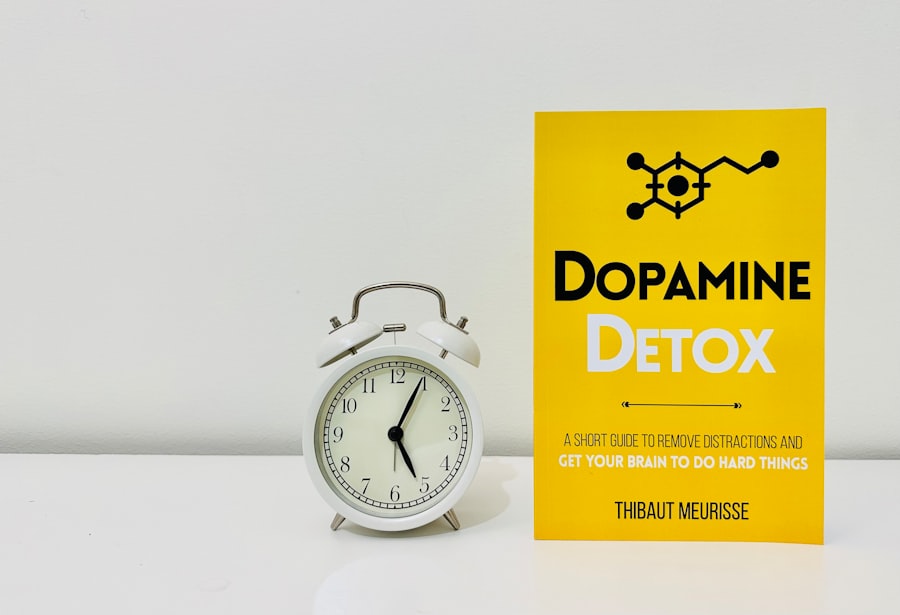
Embarking on a dopamine detox isn’t about self-deprivation; it’s about conscious choice and strategic limitations. You are taking control of your consumption of stimulating activities.
Identifying Your High-Dopamine Triggers
The first step is self-awareness. You must identify which activities provide you with instant, high-dopamine hits. These are often the activities you default to when bored, stressed, or procrastinating.
Common Culprits:
- Social Media: Endless scrolling on platforms like Instagram, TikTok, Facebook, or X.
- Video Games: Especially those with frequent rewards, loot boxes, or competitive elements.
- Pornography: Delivers intense, immediate gratification.
- Excessive TV/Streaming: Binge-watching shows can create a constant drip of novelty and anticipation.
- Sugary Foods and Fast Food: Highly palatable and engineered to be addictive.
- Impulsive Shopping: The thrill of a new purchase.
- Non-essential internet browsing: Aimless surfing without a specific purpose.
Implementing a Structured Reduction Period
Once you’ve identified your triggers, you need to implement a structured period of reduction. This can vary in duration and intensity depending on your readiness and specific goals.
Initial Short-Term Detox (e.g., 24-72 hours):
For beginners, a short, intensive detox can be a powerful proof of concept. During this period, eliminate all your identified high-dopamine activities. You should replace them with low-dopamine, productive, or contemplative activities. This might feel uncomfortable, even boring, which is a sign it’s working. Embrace the boredom; it’s a fertile ground for creativity and introspection.
Weekly Digital Sabbaths:
Many individuals find success by dedicating one day a week (e.g., Sunday) to being completely offline and engaging only in low-stimulation activities. This provides a regular reset for your brain and allows you to practice intentional living.
Gradual Integration and Mindful Consumption:
After an initial detox period, a complete ban on these activities is often unsustainable and unnecessary. The goal is mindful consumption. You want to reintroduce these activities strategically, rather than reactively. Establish strict rules for yourself:
- Time Limits: Allocate specific, limited blocks of time for social media or gaming. Use app blockers if necessary.
- Purposeful Engagement: Before opening an app, ask yourself, “Why am I doing this?” Is it to connect with a specific person, find specific information, or merely to fill an uncomfortable void?
- Contextual Use: Avoid using these stimuli in certain contexts, such as first thing in the morning, right before bed, or during meal times.
Engaging in Low-Dopamine Activities
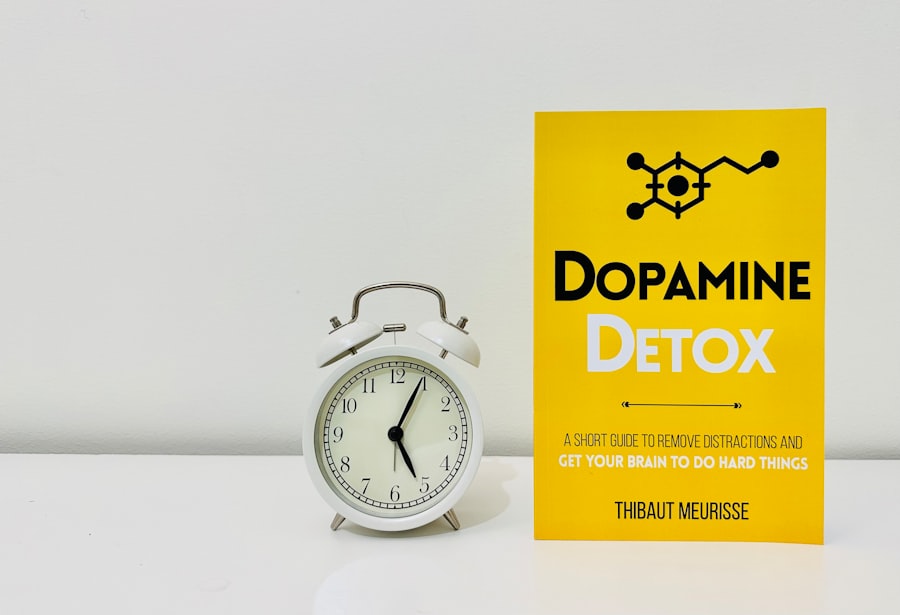
The success of a dopamine detox hinges not just on what you remove, but on what you replace it with. Low-dopamine activities are those that are inherently less stimulating but often provide deeper, more sustained satisfaction and foster genuine connection.
Cultivating Hobbies and Skills
Redirect your energy towards activities that require effort, practice, and delayed gratification.
Examples:
- Reading Physical Books: Engage with narratives and ideas without the distractions of the digital world.
- Learning a Musical Instrument: Requires consistent practice and yields incremental progress.
- Drawing, Painting, or Sculpting: Creative pursuits that demand focus and patience.
- Learning a New Language: A long-term commitment that builds valuable skills.
- Gardening: Connecting with nature and observing growth.
Embracing Nature and Physical Activity
Spending time outdoors and engaging in physical exercise are potent, natural mood boosters and stress reducers without the associated dopamine crash.
Benefits:
- Walking, Hiking, Biking: These activities provide fresh air and physical exertion.
- Meditation or Mindfulness: Training your brain to be present and observe thoughts without judgment.
- Spending Time in Green Spaces: Parks, forests, or even a quiet backyard can have a calming effect. Exposure to natural light also helps regulate your circadian rhythm.
Fostering Genuine Connection
Authentic human interaction, free from the curated facades of social media, provides a different, more profound kind of reward.
Strategies:
- In-Person Conversations: Meet friends or family for coffee, dinner, or a walk without phone distractions.
- Volunteering: Connect with others through shared purpose and contribute to your community.
- Writing Letters or Journaling: Expressing yourself through a slower, more deliberate medium.
Dopamine detox has gained popularity as a method to reset our brain’s reward system, allowing individuals to refocus on their goals and enhance productivity. For those interested in understanding how to effectively set and achieve goals while managing distractions, a related article can provide valuable insights. You can explore more about this topic in the article on goal setting, which discusses strategies to align your objectives with a more mindful approach to daily habits.
Measuring Your Progress and Sustaining the Change
| Metric | Description | Typical Range | Impact on Goal Setting |
|---|---|---|---|
| Dopamine Levels | Amount of dopamine released in the brain during activities | Low to High (varies by activity) | High dopamine spikes can reduce motivation for long-term goals |
| Duration of Dopamine Detox | Time spent avoiding high-dopamine stimuli (e.g., social media, junk food) | 12 hours to 7 days | Longer detox can improve focus and self-control for goal pursuit |
| Goal Clarity Score | Measure of how clearly goals are defined (scale 1-10) | 3 to 10 | Higher clarity improves motivation and progress tracking |
| Self-Control Index | Ability to resist distractions and temptations (scale 1-100) | 20 to 90 | Higher self-control correlates with better goal achievement |
| Productivity Increase (%) | Percentage increase in productive output after dopamine detox | 10% to 50% | Detox can lead to significant productivity gains in goal-related tasks |
| Emotional Stability | Level of mood regulation and stress reduction (scale 1-10) | 4 to 9 | Improved emotional stability supports consistent goal effort |
A dopamine detox is not a one-time event; it’s a shift in lifestyle and a continuous practice of mindful awareness. Measuring your progress helps sustain motivation.
Subjective and Objective Indicators
How will you know the detox is working? Pay attention to both your internal experience and observable changes.
Subjective Improvements:
- Increased Enjoyment of Simple Activities: The “boring” things start to feel more fulfilling.
- Enhanced Focus and Concentration: You find it easier to work on tasks for longer periods.
- Reduced Urges for Instant Gratification: The impulsive urge to check your phone or seek out distractions diminishes.
- Improved Sleep Quality: Less screen time before bed can lead to more restful sleep.
- Greater Sense of Calmness: Reduced anxiety and mental agitation.
- More Free Time: You discover you have more hours in the day than you thought.
Objective Changes:
- Reduced Screen Time: Monitor app usage with digital well-being tools.
- Increased Completion of Goals: You’re actually making progress on your long-term ambitions.
- Engagement in New Hobbies: You pick up and stick with activities that were once deferred.
- Improved Work/Study Performance: Your productivity metrics show an uptick.
Long-Term Strategies for Maintenance
Sustaining the benefits of a dopamine detox requires ongoing vigilance and the establishment of new habits.
Building New Habits:
You are not just stopping old habits; you are actively building new, healthier ones. Use habit-tracking apps or a physical journal to reinforce these new behaviors. Focus on consistency over perfection.
Creating a Supportive Environment:
- Designate “No-Phone Zones”: Keep your phone out of the bedroom, dining table, or during focused work periods.
- Remove Temptations: Delete distracting apps from your phone, unsubscribe from unnecessary newsletters, and declutter your digital space.
- Communicate Your Intentions: Inform friends and family about your detox goals so they understand if you’re less responsive online.
Regular Self-Assessment and Adjustment:
Periodically review your progress. Are you slipping back into old patterns? What new triggers have emerged? Be flexible and adjust your strategies as needed. Consider revisiting a short, intensive detox periodically to “re-calibrate” your system when you feel yourself becoming desensitized again.
Mastering your goals requires mastery of yourself. By understanding the intricate role of dopamine and intentionally managing your exposure to instant gratification, you empower your brain to reset, refocus, and re-engage with the deeper, more sustained rewards that come from meaningful effort and achievement. This isn’t a passive process; it’s an active, conscious choice to navigate the modern world with greater intentionality and purpose. You have the power to direct your attention and, by extension, your destiny.
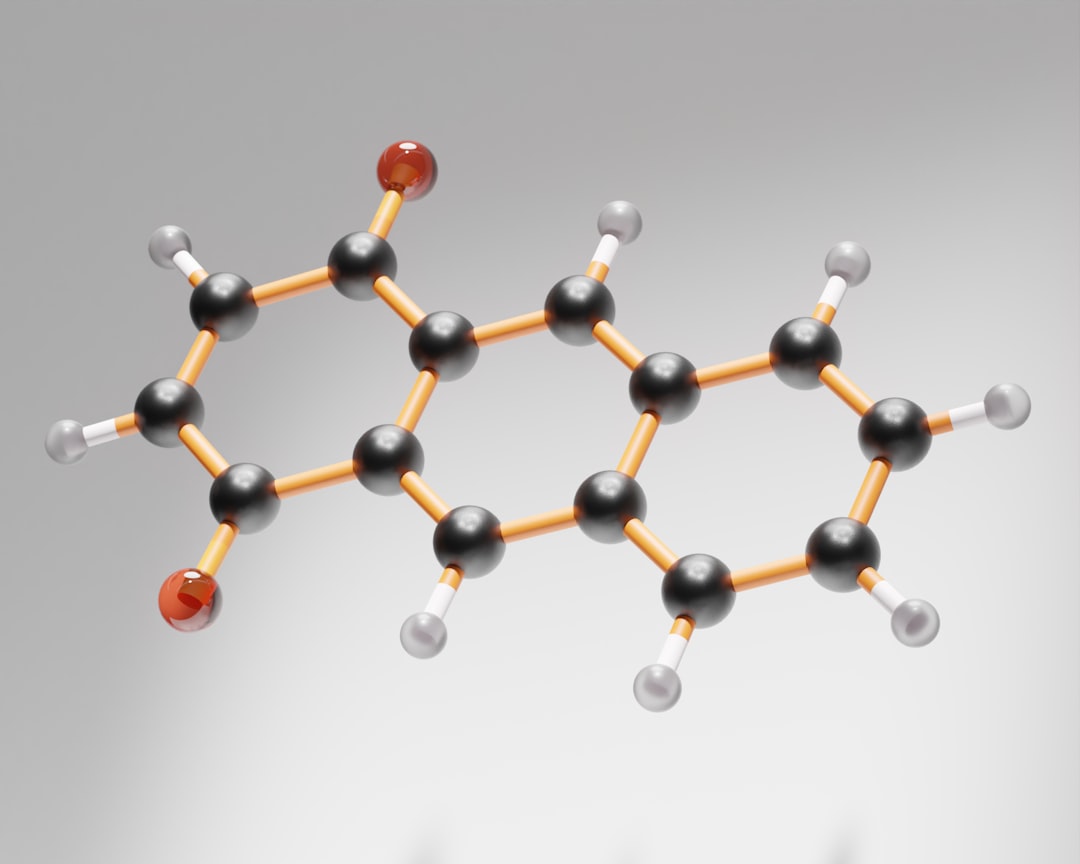
Dopamine detox for productivity reset
FAQs
What is dopamine detox?
Dopamine detox is a practice aimed at reducing overstimulation from activities that trigger excessive dopamine release, such as social media, video games, or junk food. The goal is to reset the brain’s reward system and improve focus and motivation.
How does dopamine detox relate to goal setting?
Dopamine detox can help improve goal setting by reducing distractions and increasing mental clarity. By limiting instant gratification activities, individuals may find it easier to concentrate on long-term goals and maintain motivation.
What activities are typically avoided during a dopamine detox?
Common activities avoided during a dopamine detox include using smartphones, social media, watching TV, playing video games, eating sugary or highly processed foods, and other behaviors that provide quick dopamine spikes.
How long should a dopamine detox last?
The duration of a dopamine detox varies depending on individual goals and preferences. It can range from a few hours to several days. Some people practice short daily detoxes, while others may do longer periods to achieve a more significant reset.
Are there any scientific studies supporting dopamine detox?
While the concept of dopamine detox is popular in self-help communities, there is limited direct scientific research specifically on dopamine detox. However, studies on dopamine and reward systems support the idea that reducing overstimulation can improve focus and self-control.