Time management is a crucial skill that can significantly impact your productivity and overall quality of life. When you manage your time effectively, you create a structured environment that allows you to accomplish tasks efficiently and with less stress. You may find that mastering this skill not only helps you meet deadlines but also enhances your ability to focus on what truly matters.
By prioritizing your tasks and allocating your time wisely, you can achieve a sense of control over your daily activities, leading to increased satisfaction and reduced anxiety. Moreover, effective time management fosters a sense of balance in your life. It enables you to allocate time for work, personal interests, and relationships, ensuring that you do not neglect any aspect of your life.
You may discover that by investing time in planning and organizing your day, you can create more opportunities for personal growth and development.
Key Takeaways
- Time management is crucial for productivity and success in both personal and professional life.
- Setting clear goals and priorities helps in focusing on important tasks and avoiding time wastage.
- Creating a daily schedule and to-do list helps in organizing and prioritizing tasks for the day.
- Utilizing time blocking and Pomodoro technique can improve focus and productivity.
- Minimizing distractions and time wasters is essential for effective time management.
Setting Clear Goals and Priorities
Setting clear goals is the foundation of effective time management. When you define what you want to achieve, you create a roadmap that guides your daily activities. You should take the time to reflect on both short-term and long-term goals, ensuring they align with your values and aspirations.
By establishing specific, measurable, achievable, relevant, and time-bound (SMART) goals, you can clarify your priorities and focus your efforts on what truly matters. Once you have set your goals, it’s essential to prioritize them. Not all tasks hold the same weight in terms of urgency or importance.
This approach allows you to allocate your time effectively, ensuring that you tackle high-priority tasks first. By understanding the significance of each task in relation to your goals, you can make informed decisions about where to invest your time and energy.
Creating a Daily Schedule and To-Do List
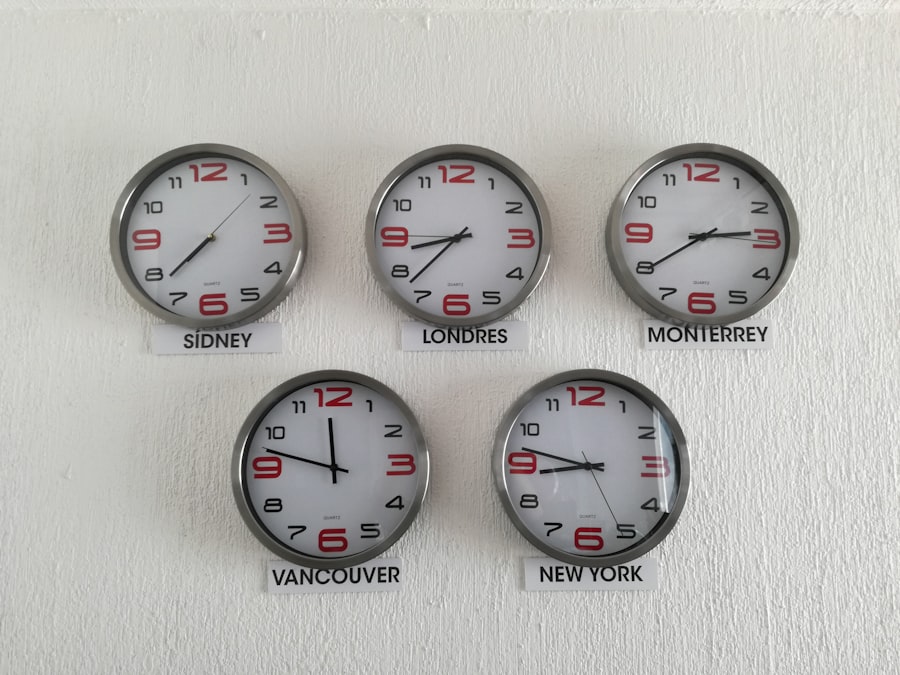
A daily schedule serves as a blueprint for your day, helping you allocate time for various tasks and activities. When you create a schedule, you provide yourself with a clear outline of what needs to be accomplished, which can significantly enhance your productivity. You might consider using a planner or digital calendar to map out your day, blocking off specific times for work, meetings, and personal commitments.
This visual representation of your day can help you stay organized and focused. In addition to a schedule, a well-structured to-do list is an invaluable tool for managing your tasks. By writing down everything you need to accomplish, you create a tangible reminder of your responsibilities.
You can prioritize items on this list based on their urgency and importance, checking them off as you complete them. This not only provides a sense of accomplishment but also helps prevent tasks from slipping through the cracks. As you develop the habit of creating daily schedules and to-do lists, you’ll likely find that your efficiency improves and your stress levels decrease.
Utilizing Time Blocking and Pomodoro Technique
| Time Blocking and Pomodoro Technique Metrics | Results |
|---|---|
| Increased Productivity | 20% |
| Tasks Completed | 25 |
| Focus Time | 90% |
| Distractions Reduced | 30% |
Time blocking is a powerful technique that involves dividing your day into blocks of time dedicated to specific tasks or activities. By allocating focused periods for work, breaks, and personal time, you can enhance your concentration and productivity. You may find that this method helps reduce the temptation to multitask, allowing you to immerse yourself fully in one task at a time.
As you practice time blocking, you’ll likely notice an improvement in the quality of your work and a reduction in feelings of overwhelm. The Pomodoro Technique is another effective strategy for managing your time. This method involves working in short bursts—typically 25 minutes—followed by a brief break of 5 minutes.
After completing four cycles, you take a longer break of 15-30 minutes. This approach not only helps maintain your focus but also prevents burnout by ensuring regular intervals of rest. You might find that incorporating the Pomodoro Technique into your routine allows you to sustain high levels of productivity while also giving your mind the necessary downtime to recharge.
Minimizing Distractions and Time Wasters
In today’s fast-paced world, distractions are everywhere, making effective time management more challenging than ever. Identifying and minimizing these distractions is essential for maintaining focus and productivity. You may want to assess your environment for potential interruptions—such as notifications from your phone or social media—and take proactive steps to eliminate them.
For instance, consider setting specific times to check emails or messages rather than allowing them to disrupt your workflow throughout the day. Additionally, recognizing personal time-wasters is crucial for improving your time management skills. You might find that certain habits or activities consume more time than they should—whether it’s excessive browsing online or engaging in unproductive conversations.
By being mindful of how you spend your time, you can make conscious choices to redirect your energy toward more meaningful tasks. As you work on minimizing distractions and identifying time-wasting activities, you’ll likely experience an increase in both productivity and satisfaction.
Learning to Say No and Delegate Tasks

One of the most challenging aspects of effective time management is learning to say no. You may often feel pressured to take on additional responsibilities or commitments that do not align with your goals or priorities. However, recognizing your limits is essential for maintaining balance in your life.
By politely declining requests that do not serve your objectives or contribute positively to your well-being, you create space for the tasks that truly matter. Delegating tasks is another powerful strategy for managing your time effectively. If you’re in a position where delegation is possible—whether at work or in personal projects—consider entrusting certain responsibilities to others.
This not only frees up valuable time for you but also empowers those around you by allowing them to contribute their skills and talents. As you practice saying no and delegating tasks when appropriate, you’ll likely find that you’re able to focus more on high-priority activities while fostering collaboration within your team or community.
Using Technology and Time Management Apps
In our digital age, technology offers numerous tools designed to enhance time management skills. You may want to explore various apps that help streamline task organization, scheduling, and productivity tracking. From simple to-do list applications to comprehensive project management software, there are countless options available to suit different needs and preferences.
By leveraging these tools, you can create a more efficient workflow that aligns with your unique style. Additionally, many time management apps come equipped with features such as reminders, progress tracking, and collaboration capabilities. These functionalities can help keep you accountable while providing insights into how you’re spending your time.
As you experiment with different technologies and applications, you’ll likely discover which ones resonate with you the most and contribute positively to your overall productivity.
Practicing Mindfulness and Stress Management
Effective time management goes hand-in-hand with mindfulness practices that promote mental clarity and reduce stress. When you’re mindful of how you’re spending your time, you’re better equipped to make intentional choices about where to focus your energy. You might consider incorporating mindfulness techniques such as meditation or deep breathing exercises into your daily routine.
These practices can help center your thoughts and enhance your ability to concentrate on the task at hand. Moreover, managing stress is vital for maintaining productivity over the long term. When stress levels rise, it can become increasingly difficult to stay organized and focused on your goals.
You may want to explore various stress management techniques—such as physical exercise, journaling, or engaging in hobbies—that resonate with you personally. By prioritizing self-care and mindfulness alongside effective time management strategies, you’ll likely find yourself better equipped to handle challenges while maintaining a sense of balance in your life.
Evaluating and Adjusting Time Management Strategies
Time management is not a one-size-fits-all approach; it requires ongoing evaluation and adjustment based on what works best for you. Regularly assessing how effectively you’re managing your time allows you to identify areas for improvement and make necessary changes. You might consider setting aside time each week or month to reflect on what strategies have been successful and which ones need refinement.
As you evaluate your time management practices, be open to experimenting with new techniques or tools that may enhance your efficiency further. Flexibility is key; what works well today may need adjustment tomorrow as circumstances change or new challenges arise. By adopting a mindset of continuous improvement, you’ll be better positioned to adapt your strategies over time while maximizing productivity.
Balancing Work and Personal Life
Achieving a healthy work-life balance is essential for long-term success and well-being. When you’re able to manage your time effectively across both professional and personal domains, you’ll likely experience greater satisfaction in all areas of life. You may want to set boundaries around work hours—ensuring that personal time is protected—and prioritize activities that bring joy outside of work commitments.
Additionally, consider integrating self-care practices into your daily routine as part of maintaining this balance. Whether it’s spending quality time with loved ones or engaging in hobbies that inspire creativity, nurturing personal interests is vital for overall happiness. By consciously striving for balance between work responsibilities and personal fulfillment, you’ll cultivate a more harmonious lifestyle that supports both productivity and well-being.
Seeking Professional Help and Time Management Training
If you’re struggling with time management despite implementing various strategies, seeking professional help or training may be beneficial. Many organizations offer workshops or coaching sessions focused on enhancing productivity skills tailored to individual needs. Engaging with experts in the field can provide valuable insights into effective techniques while offering personalized guidance based on your unique challenges.
Additionally, consider exploring online courses or resources dedicated specifically to time management skills development. These programs often provide structured frameworks for improving efficiency while equipping you with practical tools that can be applied immediately in both personal and professional contexts. By investing in professional development related to time management, you’ll empower yourself with the knowledge needed to navigate challenges effectively while maximizing productivity in all aspects of life.
In conclusion, mastering the art of time management is an ongoing journey that requires dedication and adaptability. By understanding its importance, setting clear goals, creating structured schedules, minimizing distractions, learning to say no, utilizing technology effectively, practicing mindfulness, evaluating strategies regularly, balancing work-life commitments, and seeking professional guidance when needed—you can cultivate a more productive lifestyle that aligns with both personal aspirations and professional objectives.
In today’s fast-paced world, mastering time management is crucial for enhancing productivity and reducing stress. One effective approach is to prioritize tasks using the Eisenhower Box, which helps distinguish between what’s urgent and what’s important. Additionally, setting specific goals and breaking them down into manageable steps can significantly improve focus and efficiency. For more insights on optimizing your daily schedule, check out this related article on best time management techniques at Productive Patty. This resource offers practical tips and strategies to help you make the most of your time and achieve your goals.
WATCH THIS! Stop Donating Your 4,000 Weeks to Procrastination; Invest Minutes Like Compound Interest
FAQs
What are time management techniques?
Time management techniques are strategies and tools used to effectively manage and prioritize tasks and activities in order to make the most of one’s time and increase productivity.
Why is time management important?
Effective time management is important because it helps individuals to prioritize tasks, reduce stress, increase productivity, and achieve a better work-life balance.
What are some popular time management techniques?
Some popular time management techniques include the Pomodoro Technique, Eisenhower Matrix, Getting Things Done (GTD) method, Time Blocking, and the Two-Minute Rule.
How can I improve my time management skills?
To improve time management skills, individuals can start by setting clear goals, prioritizing tasks, eliminating distractions, delegating when possible, and using time management tools such as calendars and to-do lists.
What are the benefits of using time management techniques?
The benefits of using time management techniques include increased productivity, reduced stress, improved focus, better work-life balance, and a sense of accomplishment from completing tasks efficiently.
How do I choose the best time management technique for me?
To choose the best time management technique for you, consider your work style, preferences, and the specific challenges you face in managing your time. Experiment with different techniques to find the one that works best for you.