
Navigating the shared landscape of a co-working space presents a unique challenge when your objective is deep, sustained focus. Unlike the solitary echo chamber of a home office, co-working thrives on collaboration and a palpable energy. However, this very liveliness can be a formidable adversary to your concentration. Mastering deep focus in this environment is not about eliminating external stimuli entirely, but rather about cultivating an internal fortress of attention, skillfully deflecting distractions and harnessing the ambient energy to your advantage. It requires a strategic approach, a mindful calibration of your senses, and a commitment to building personal resilience against the centrifugal forces of a shared workspace.
The co-working environment, by its very design, is a dynamic ecosystem. It’s a marketplace of ideas, a melting pot of professions, and a vibrant hub of human interaction. This inherent dynamism, while a primary draw for many, can simultaneously present significant hurdles to the focused individual. The constant hum of conversations, the rhythmic tapping of keyboards, the occasional outburst of laughter, and the movement of people create a tapestry of sensory input that can easily splinter your attention. For tasks requiring deep cognitive engagement, where the mind needs to delve into complex problems or creative endeavors, these interruptions are not mere annoyances; they are shards of glass that can shatter the delicate shell of your concentration.
The Nature of Shared Spaces and Cognitive Load
Shared spaces inherently increase cognitive load. Your brain is tasked not only with processing the information relevant to your work but also with filtering out and managing the constant stream of peripheral auditory and visual information. This is akin to trying to read a complex novel while a boisterous party rages around you. A portion of your mental energy is perpetually engaged in this filtering process, diverting resources away from your primary objective. Understanding this baseline cognitive burden is the first step in developing strategies to mitigate its impact. You are not inherently deficient in focus because you struggle in a co-working environment; rather, you are battling a design that unintentionally amplifies distraction.
Identifying Common Distractions in Co-Working
Distractions in co-working spaces are multifaceted and can generally be categorized into several key areas:
Auditory Distractions
This is often the most pervasive category. Conversations, both professional and personal, can bleed into your concentration. Even if you don’t understand the words, the cadence and tone can trigger your brain’s social processing centers, pulling your attention away from your task. The intermittent nature of these sounds can be particularly disruptive, as each new noise requires a reorientation of your focus.
Visual Distractions
The constant movement of people, the diverse array of workstations, and the visual clutter inherent in any shared space can be a significant drain on focus. Observing colleagues’ activities, even passively, can engage your attention, especially if their actions are unusual or particularly eye-catching.
Social Distractions
The very essence of co-working is interaction. While this is beneficial for networking and idea exchange, it can also lead to unwanted conversations or pressure to engage when you are deep in thought. The subtle expectation of availability can be a powerful, albeit invisible, barrier to sustained focus.
Environmental Distractions
This can include factors like temperature fluctuations, lighting changes, or even the scent of others’ lunches. While seemingly minor, a consistently uncomfortable environment can create an underlying layer of unease that hinders your ability to settle into deep work.
If you’re looking to enhance your deep focus while co-working, you might find the article on productive work environments on Productive Patty particularly helpful. It offers valuable insights on creating a space conducive to concentration and collaboration. You can read more about it here: Productive Patty.
Strategic Planning for Focused Work Sessions
Maximizing deep focus in a co-working environment necessitates a proactive and strategic approach, much like a seasoned gardener meticulously plans their planting schedule to ensure a bountiful harvest. You cannot simply hope for focus to descend upon you; you must cultivate it. This involves deliberate planning, setting clear intentions, and preparing your personal workspace and mental state for periods of deep engagement.
Defining Your Focus Objectives for the Day or Week
Before you even step into the co-working space, engage in a period of rigorous self-assessment regarding your work. What are the critical tasks that demand your focused attention? These are not the quick emails or administrative duties that can be tackled amidst partial attention. These are the projects that require the “deep end” of your cognitive capabilities. Clearly defining these objectives acts as your compass, guiding your efforts and helping you differentiate between productive deep work and the siren song of peripheral tasks.
Scheduling Dedicated Deep Work Blocks
Treat your deep focus periods with the same respect you would a crucial client meeting. Block out specific times in your calendar solely for these activities. Communicate these blocks to your co-workers if necessary, setting expectations about your unavailability. This is akin to erecting a temporary, invisible shield around your attention, signaling to others that now is not the time for casual interaction.
Prioritizing Task Selection for Maximum Impact
Not all tasks are created equal when it comes to requiring deep focus. Prioritize those that are complex, creative, or require sustained problem-solving. Tackle these during your scheduled deep work blocks. This ensures that your most valuable focused effort is directed towards tasks that yield the greatest return on your cognitive investment.
Implementing Environmental Controls and Personal Rituals
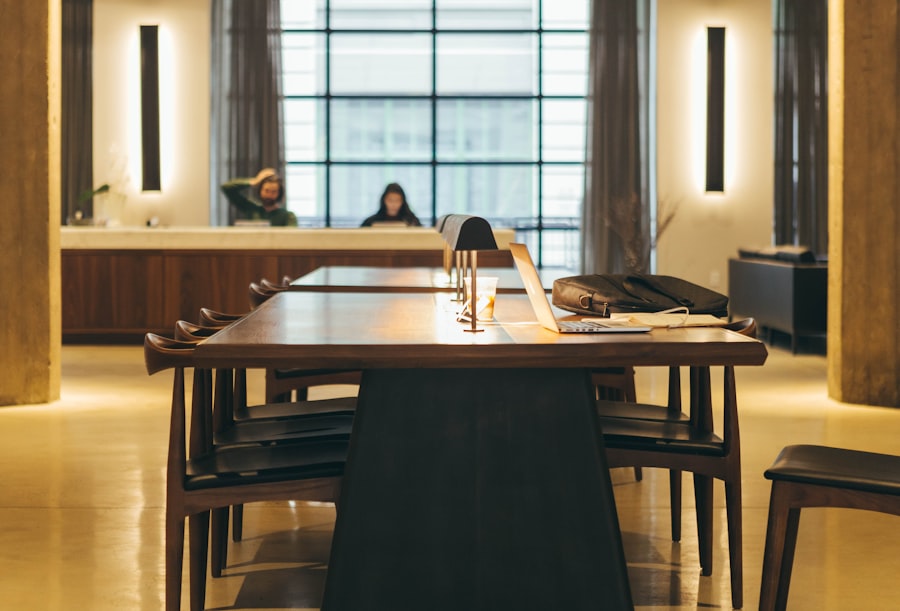
While a co-working space is a shared environment, you are not powerless in shaping your immediate surroundings to foster focus. Think of yourself as an architect of your personal concentration zone, making deliberate choices about your physical and mental space.
Optimizing Your Personal Workspace
- Choosing the Right Location: This is paramount. Seek out areas that are inherently quieter, further away from high-traffic zones or communal kitchens. Corners of the space, soundproof booths (if available), or designated quiet zones are your allies. Observe the flow of people and identify natural ebb points where noise and movement are minimized.
- Minimizing Visual Clutter: Even in a shared desk setup, you can control your immediate visual field. Keep your personal workspace tidy. A cluttered physical space can often translate to a cluttered mental space.
- Ergonomics and Comfort: Ensure your seating arrangement is comfortable and promotes good posture. Physical discomfort is a subtle but persistent distraction that erodes your ability to sustain focus.
Utilizing Noise-Canceling Technology
- High-Quality Noise-Canceling Headphones: This is arguably your most critical tool. Invest in a pair that effectively blocks out ambient noise. These headphones are not just for listening to music; they are your personal auditory fortress.
- Ambient Soundscapes or White Noise: Experiment with curated playlists of ambient sounds, binaural beats, or white noise. Some individuals find that specific sonic frequencies can help to mask distracting sounds and create a consistent auditory backdrop conducive to focus. This can be like immersing yourself in a carefully constructed sonic environment that gently nudges your brain towards concentration.
Establishing Pre-Focus Rituals
- Mindfulness or Deep Breathing Exercises: Before diving into a deep work session, spend a few minutes engaging in mindfulness or deep breathing exercises. This helps to quiet the mental chatter, bring your awareness to the present moment, and prepare your brain for sustained concentration.
- Reviewing Your Objectives: Briefly re-read your defined focus objectives for that session. This serves as a mental anchor, reinforcing what you are about to undertake.
- Hydration and a Quick Snack: Ensure you are adequately hydrated and have a small, energy-sustaining snack within reach. Hunger or thirst can be disruptive distractions that you can easily preempt.
Navigating Social Dynamics and Setting Boundaries

The communal nature of co-working means that social interaction is inevitable, and in moderation, beneficial. However, for deep focus, you must learn to navigate these dynamics with precision, establishing clear boundaries that protect your precious concentration time. This is about diplomatic assertiveness, not outright avoidance.
Communicating Your Need for Focus
- The “Do Not Disturb” Signal: Develop a subtle, non-verbal signal to indicate when you are in a deep focus block. This could be wearing headphones, a specific type of eye contact (or lack thereof), or even a small, unobtrusive sign on your desk if the co-working space culture permits.
- Direct but Polite Communication: When approached for conversation during a focus block, be direct but polite. A simple “I’m deep in concentration right now, can we chat in an hour?” or “I’m on a tight deadline for this task, I’ll be sure to catch up with you later” can be highly effective. The key is to be firm without being dismissive.
Managing Interruptions Gracefully
- The “Parking Lot” Method: For ideas or questions that arise during your focus session but are not urgent, create a mental or physical “parking lot” to jot them down. This acknowledges the thought without letting it derail your current task, knowing you can return to it later.
- Setting Follow-Up Times: If a colleague has a question or a request, offer to connect at a specific later time. This shows you are responsive and value their input, but on your terms and schedule.
Leveraging Collaborative Opportunities Strategically
- Strategic Breaks: Longer focus sessions can benefit from planned breaks. Use these opportunities to engage in brief, meaningful interactions with colleagues. This can satisfy your social needs without compromising your deep work periods.
- Post-Focus Networking: Schedule dedicated time for networking and informal conversations outside of your deep work blocks. This allows you to fully engage in the social aspect of co-working without it encroaching on your focused efforts.
If you’re looking to enhance your deep focus while co-working, you might find it helpful to explore strategies that promote concentration in shared spaces. A related article that offers valuable insights on this topic can be found here. By implementing some of the techniques discussed, you can create an environment that fosters productivity and minimizes distractions, allowing you to make the most of your co-working experience.
Cultivating a Resilient Mindset for Sustained Concentration
| Metric | Description | Recommended Practice | Impact on Deep Focus |
|---|---|---|---|
| Noise Level | Ambient sound measured in decibels (dB) | Maintain noise below 40 dB using noise-cancelling headphones or quiet rooms | Reduces distractions, improves concentration |
| Session Length | Duration of focused work periods | Use 25-50 minute work intervals with 5-10 minute breaks (Pomodoro Technique) | Enhances sustained attention and prevents burnout |
| Task Clarity | Degree to which tasks are clearly defined | Set specific, measurable goals before starting work | Improves motivation and reduces cognitive load |
| Collaboration Method | Type of co-working interaction (silent, discussion, paired) | Prefer silent or minimal discussion sessions for deep focus | Minimizes interruptions and maintains flow state |
| Workspace Setup | Ergonomics and organization of the work environment | Use clutter-free desks, comfortable seating, and good lighting | Supports physical comfort and mental clarity |
| Technology Use | Tools and apps used during co-working | Utilize focus apps and disable non-essential notifications | Limits digital distractions and enhances focus |
| Communication Timing | Scheduled times for interaction and feedback | Set specific times for check-ins and avoid spontaneous chats | Preserves uninterrupted work periods |
Beyond external strategies, the most powerful tool for maximizing deep focus lies within you. Cultivating a resilient mindset is the bedrock upon which all other techniques are built. It’s about developing mental fortitude, where distractions are viewed not as insurmountable obstacles but as transient waves to be navigated.
Practicing Mindfulness and Self-Awareness
- Recognizing the Urge to Distract: Become acutely aware of the internal cues that signal an urge to switch tasks or engage in something other than your designated focus. This could be a fleeting thought, a desire for novelty, or a sense of mild discomfort.
- Gentle Redirection: When you recognize these urges, do not judge yourself. Instead, gently redirect your attention back to your primary task. This is a practice, not an immediate perfection. Think of it as an athlete consistently returning their gaze to the finish line.
- Body Scan Meditation: Regular practice of body scan meditations can enhance your ability to remain present and grounded, making you less susceptible to external influences.
Developing Grit and Perseverance
- Embracing the Discomfort of Focus: Deep focus can sometimes feel challenging or even slightly uncomfortable, especially when you are accustomed to constant stimulation. Learn to embrace this sensation, understanding that it is a sign of your brain engaging in strenuous cognitive work.
- Reframing Setbacks: If you experience days where focus feels elusive, do not view it as a failure. Instead, analyze what went wrong, adjust your strategies, and approach the next day with renewed determination. Setbacks are merely detours, not dead ends.
- Celebrating Small Wins: Acknowledge and celebrate each instance of successful deep focus, no matter how brief. These small victories build momentum and reinforce the positive behaviors associated with sustained concentration.
The Long-Term Benefits of Focused Effort
By consistently applying these strategies and cultivating a resilient mindset, you will not only become more effective in a co-working environment but also develop a profound capacity for deep work that transcends any physical location. You will become a master of your own attention, able to summon focus when and where you need it. This skill is not just about productivity; it is about empowering yourself to engage with your work on a deeper, more meaningful level, unlocking your full potential in the vibrant mosaic of the co-working world.

WATCH NOW ▶️ WARNING: Your Brain Is Secretly Killing Your Momentum🚨
FAQs
What is coworking for deep focus?
Coworking for deep focus refers to working in a shared space or environment designed to minimize distractions and enhance concentration, allowing individuals to engage in tasks that require sustained attention and mental effort.
How can coworking spaces help improve deep focus?
Coworking spaces often provide quiet zones, private rooms, and structured environments that reduce interruptions. They may also offer amenities like noise-canceling headphones, focused work sessions, and community guidelines that promote a distraction-free atmosphere.
What are some strategies to maintain deep focus while coworking?
Strategies include setting clear goals, using time-blocking techniques like the Pomodoro method, minimizing digital distractions by turning off notifications, choosing a quiet spot within the coworking space, and communicating boundaries to others.
Is coworking suitable for all types of deep work?
While coworking can be beneficial for many, some highly sensitive or creative tasks may require complete solitude. It depends on individual preferences and the nature of the work; some people thrive in collaborative environments, while others need more isolation.
How can I find a coworking space that supports deep focus?
Look for coworking spaces that advertise quiet zones, private offices, or focus rooms. Reading reviews, visiting the space to assess noise levels, and checking for amenities like soundproofing and ergonomic furniture can help ensure the environment supports deep concentration.