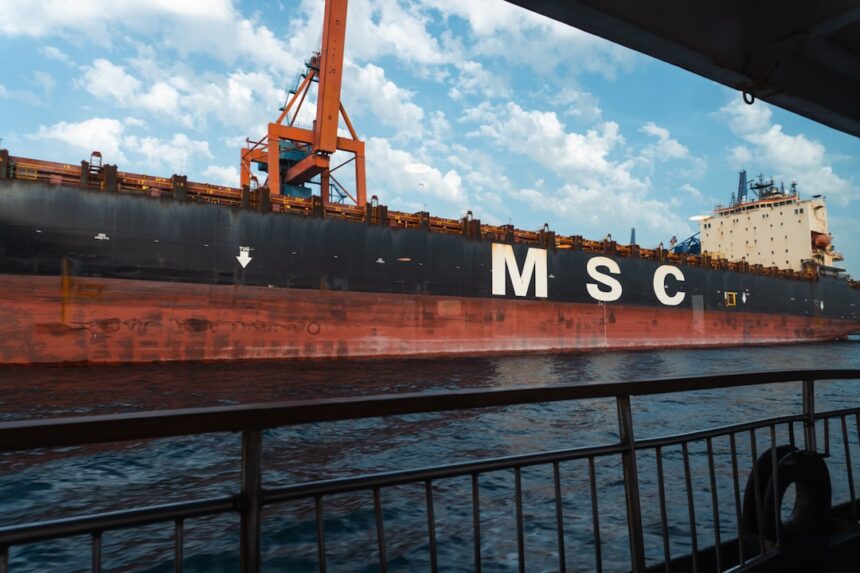
Ship count metrics are fundamental in shipping and logistics, representing the number of vessels actively transporting goods during a specified timeframe. These measurements provide critical insights into fleet capacity, service demand, and business performance. Analyzing ship count data enables logistics managers to make evidence-based operational decisions.
Ship count metrics also serve as indicators of market supply and demand dynamics. Increases in active vessels may reflect growing shipping demand, while decreases could indicate market downturns or operational inefficiencies. Monitoring these fluctuations helps companies adapt their strategies to maintain competitiveness in the evolving shipping industry and anticipate market trends for strategic positioning.
Key Takeaways
- Understanding and analyzing ship count metrics is essential for identifying performance gaps.
- Implementing targeted strategies and leveraging technology can significantly increase ship count efficiency.
- Training staff and setting clear goals are critical for achieving optimal operational performance.
- Continuous monitoring and addressing challenges ensure sustained improvement in ship count metrics.
- Recognizing successes motivates teams and supports ongoing enhancement efforts.
Analyzing Current Ship Count Performance
To effectively analyze your current ship count performance, you must first gather relevant data. This involves looking at historical ship count figures, current operational capacity, and market demand. By comparing these elements, you can identify patterns and trends that may impact your shipping operations.
For instance, if you notice that your ship count has been consistently below capacity during certain months, it may be time to investigate the underlying causes. Are there seasonal fluctuations in demand? Are there operational inefficiencies that need addressing?
In addition to quantitative analysis, qualitative assessments are equally important.
They may have firsthand knowledge of bottlenecks or inefficiencies that are not immediately apparent from the data alone.
By combining both quantitative and qualitative analyses, you can develop a comprehensive understanding of your current ship count performance and lay the groundwork for future improvements.
Identifying Areas for Improvement

Once you have analyzed your current ship count performance, the next step is to identify specific areas for improvement. This process requires a critical examination of various aspects of your operations, including fleet management, scheduling practices, and customer service. For example, if you find that certain routes consistently underperform, it may be worth investigating whether there are alternative routes or schedules that could better meet customer needs.
Additionally, consider the efficiency of your loading and unloading processes. Delays in these areas can significantly impact your ship count metrics. By streamlining these operations, you can increase the turnaround time for each vessel, allowing for more shipments within the same timeframe.
Engaging with your staff to gather their input on potential improvements can also yield valuable suggestions that may not have been considered otherwise.
Implementing Strategies for Increasing Ship Count
With identified areas for improvement in hand, it’s time to implement targeted strategies aimed at increasing your ship count. One effective approach is optimizing your scheduling practices to ensure that vessels are utilized to their fullest potential. This might involve adjusting departure times or consolidating shipments to maximize capacity on each voyage.
By carefully analyzing demand patterns and aligning your schedules accordingly, you can enhance efficiency and increase the number of ships operating at any given time. Another strategy involves expanding your service offerings to attract new customers or retain existing ones. This could mean introducing new routes or diversifying the types of cargo you transport.
By broadening your service portfolio, you can tap into new markets and increase overall ship count. Additionally, consider forming partnerships with other logistics providers to create synergies that can lead to increased shipping opportunities.
Utilizing Technology to Streamline Operations
| Team | Ship Count (Releases) | Average Features per Release | Bug Fixes per Release | Release Frequency (per Month) | Customer Satisfaction Score |
|---|---|---|---|---|---|
| Alpha | 12 | 5 | 3 | 3 | 88% |
| Beta | 9 | 6 | 2 | 2 | 85% |
| Gamma | 15 | 4 | 4 | 4 | 90% |
| Delta | 7 | 7 | 1 | 1 | 82% |
In today’s fast-paced shipping environment, leveraging technology is crucial for streamlining operations and enhancing ship count metrics. Advanced software solutions can help you manage fleet logistics more effectively by providing real-time data on vessel locations, cargo status, and scheduling updates. This information allows you to make informed decisions quickly, reducing delays and improving overall efficiency.
Moreover, automation tools can significantly reduce manual tasks associated with shipping operations. For instance, automated inventory management systems can help track cargo levels and streamline loading processes. By minimizing human error and expediting routine tasks, technology enables your team to focus on higher-value activities that contribute to increasing ship count.
Training and Developing Staff for Optimal Efficiency

Your staff plays a pivotal role in achieving optimal efficiency within your shipping operations. Investing in training and development programs is essential for equipping them with the skills needed to excel in their roles. Regular training sessions can help employees stay updated on industry best practices, safety protocols, and technological advancements that impact shipping operations.
Additionally, fostering a culture of continuous improvement encourages employees to seek out innovative solutions to operational challenges. By empowering your team to take ownership of their work and contribute ideas for enhancing efficiency, you create an environment where everyone is invested in achieving higher ship counts. Recognizing and rewarding employees for their contributions can further motivate them to strive for excellence.
Establishing Clear Goals and Targets for Ship Count Metrics
To drive progress in improving ship count metrics, it’s essential to establish clear goals and targets. These objectives should be specific, measurable, achievable, relevant, and time-bound (SMART). For instance, you might set a target to increase your ship count by 15% over the next year by optimizing routes and enhancing operational efficiency.
Communicating these goals across your organization ensures that everyone understands their role in achieving them. Regularly revisiting these targets allows you to assess progress and make necessary adjustments along the way. By creating a shared vision for success, you foster a sense of accountability among team members and encourage collaboration toward common objectives.
Monitoring and Measuring Progress
Monitoring and measuring progress is crucial for understanding how well your strategies are working in relation to ship count metrics. Implementing key performance indicators (KPIs) allows you to track specific aspects of your operations over time. For example, you might measure turnaround times for vessels or the average number of shipments per week as indicators of efficiency.
It’s important to create a feedback loop where data is analyzed not just at the end of a reporting period but continuously throughout operations. This proactive approach enables you to make timely adjustments that keep your ship count on an upward trajectory.
Addressing Challenges and Obstacles
As with any operational endeavor, challenges and obstacles will inevitably arise when working to improve ship count metrics. Identifying these challenges early on is key to developing effective solutions. Common issues may include fluctuating market demand, regulatory changes, or unexpected disruptions such as weather events or port congestion.
To address these challenges effectively, it’s important to maintain open lines of communication within your organization and with external partners. Collaborating with stakeholders can lead to innovative solutions that mitigate risks associated with unforeseen circumstances. Additionally, having contingency plans in place ensures that you are prepared to adapt quickly when challenges arise.
Celebrating Success and Recognizing Achievements
As you work toward improving ship count metrics, it’s essential to take time to celebrate successes along the way. Recognizing achievements—whether big or small—helps boost morale within your team and reinforces a culture of excellence. Consider hosting regular meetings or events where accomplishments are highlighted and team members are acknowledged for their contributions.
Celebrating success not only motivates employees but also fosters a sense of camaraderie among team members. When individuals feel valued for their efforts, they are more likely to remain engaged and committed to achieving future goals related to ship count metrics.
Sustaining and Continuously Improving Ship Count Metrics
Finally, sustaining improvements in ship count metrics requires a commitment to continuous improvement. This means regularly revisiting strategies, analyzing performance data, and seeking out new opportunities for enhancement. The shipping industry is dynamic; therefore, staying ahead of trends and adapting accordingly is crucial for long-term success.
Encouraging a mindset of innovation within your organization will help ensure that improvements are not just temporary fixes but part of an ongoing journey toward operational excellence. By fostering an environment where feedback is welcomed and new ideas are explored, you position your business for sustained growth in ship count metrics over time. In conclusion, understanding and improving ship count metrics is a multifaceted process that involves careful analysis, strategic planning, effective use of technology, staff development, goal setting, monitoring progress, addressing challenges, celebrating successes, and committing to continuous improvement.
By taking these steps diligently, you can enhance operational efficiency and drive success in the competitive shipping industry.
In the realm of productivity metrics, the ship count metric offers a compelling alternative to the traditional hours logged approach. By focusing on the number of completed tasks or projects, teams can gain a clearer understanding of their output and efficiency. For more insights on this topic, you can read a related article on productivity strategies at Productive Patty.
FAQs
What is the ship count metric?
The ship count metric measures productivity or progress by counting the number of completed deliverables, such as features, products, or updates, rather than tracking the number of hours worked.
How does the ship count metric differ from hours logged?
Unlike hours logged, which tracks the amount of time spent on tasks, the ship count metric focuses on the output or results delivered, emphasizing completed work over time invested.
Why might organizations prefer using ship count over hours logged?
Organizations may prefer ship count because it encourages a results-oriented approach, promotes efficiency, reduces micromanagement, and aligns performance measurement with tangible outcomes rather than time spent.
What are some potential benefits of using the ship count metric?
Benefits include increased focus on delivering value, improved team motivation, clearer progress tracking, and better alignment with business goals by emphasizing completed work.
Are there any challenges associated with using the ship count metric?
Yes, challenges can include difficulty in defining what counts as a “ship,” potential quality trade-offs if quantity is prioritized, and the need to balance output metrics with other performance indicators.
Can the ship count metric be used in all industries?
While commonly used in software development and product management, the ship count metric may not be applicable or effective in all industries, especially where outputs are less discrete or harder to quantify.
How can teams implement the ship count metric effectively?
Teams can implement it by clearly defining deliverables, setting quality standards, combining ship count with other metrics for a balanced view, and fostering a culture that values both output and quality.
Does the ship count metric replace the need for tracking hours entirely?
Not necessarily; while ship count focuses on output, tracking hours can still be useful for resource planning, understanding workload, and identifying process improvements. Many organizations use both metrics complementarily.