
The nervous system is a complex network that plays a crucial role in your overall productivity. It is responsible for transmitting signals between different parts of your body, allowing you to respond to stimuli, make decisions, and perform tasks efficiently. When your nervous system functions optimally, you experience improved focus, enhanced cognitive abilities, and better coordination.
This interconnected system not only influences your physical capabilities but also affects your emotional and mental states, which are essential for maintaining high levels of productivity in the workplace. Moreover, the health of your nervous system can significantly impact your ability to manage stress and cope with challenges. When you are under pressure, your nervous system can become overstimulated, leading to feelings of anxiety and fatigue.
This can hinder your performance and reduce your overall effectiveness at work. Understanding how your nervous system operates and recognizing its influence on your daily activities can empower you to take proactive steps to enhance your productivity and well-being.
Key Takeaways
- The nervous system plays a crucial role in workplace productivity and must be protected from hazards.
- Ergonomic strategies and regular breaks help reduce strain and support nervous system health.
- Promoting mental health and providing stress management resources enhance overall well-being.
- Training and clear protocols are essential for preventing and addressing nervous system injuries.
- Continuous monitoring and adapting safety measures ensure ongoing protection of nervous system function.
Identifying Potential Hazards to the Nervous System in the Workplace
In any workplace, various hazards can pose risks to your nervous system. These hazards can be physical, such as repetitive strain injuries from prolonged computer use or poor posture while sitting at a desk. Additionally, environmental factors like excessive noise, poor lighting, and exposure to harmful chemicals can also negatively impact your nervous system’s health.
Identifying these potential hazards is the first step toward creating a safer work environment that promotes productivity and well-being. Another significant concern is the psychological stressors that can affect your nervous system. High-pressure deadlines, interpersonal conflicts, and job insecurity can lead to chronic stress, which may result in long-term damage to your nervous system.
By recognizing these hazards, you can take steps to mitigate their effects, whether through personal strategies or by advocating for changes within your organization. Awareness is key; understanding the risks allows you to be proactive in protecting your health and enhancing your productivity.
Implementing Ergonomic Strategies to Protect the Nervous System
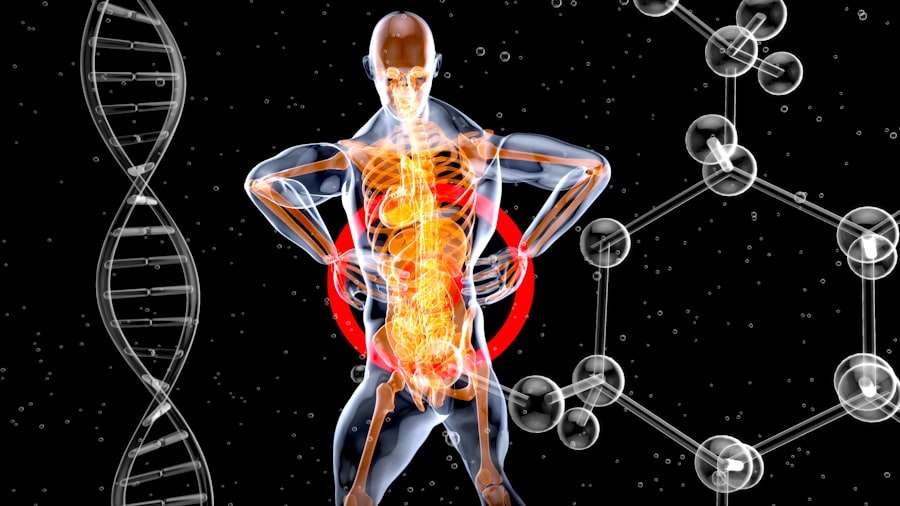
To safeguard your nervous system, implementing ergonomic strategies in the workplace is essential. Ergonomics focuses on designing workspaces that fit the needs of individuals, reducing strain and discomfort. For instance, adjusting your chair height, using a supportive backrest, and positioning your computer screen at eye level can help prevent musculoskeletal issues that may affect your nervous system’s functioning.
By creating a workspace that promotes good posture and reduces physical strain, you can enhance both comfort and productivity. Additionally, ergonomic tools such as keyboard trays, wrist supports, and standing desks can further contribute to a healthier work environment. These tools are designed to minimize repetitive motions and reduce the risk of injury.
Encouraging colleagues to adopt ergonomic practices can lead to a more productive workforce overall.
Promoting Mental Health and Well-being in the Workplace
Promoting mental health and well-being in the workplace is vital for maintaining a healthy nervous system. A supportive environment that prioritizes mental wellness can lead to increased job satisfaction and productivity. You can advocate for initiatives such as mental health days, access to counseling services, and workshops focused on stress management techniques.
By fostering an open dialogue about mental health, you create a culture where individuals feel comfortable discussing their challenges and seeking help when needed. Moreover, incorporating mindfulness practices into the workplace can significantly benefit your mental health. Techniques such as meditation, deep breathing exercises, and yoga can help reduce stress levels and improve focus.
Encouraging these practices among colleagues not only enhances individual well-being but also strengthens team dynamics. When everyone feels mentally supported, the entire workplace benefits from improved morale and productivity.
Providing Training on Nervous System Safety
| Metric | Description | Value | Unit | Notes |
|---|---|---|---|---|
| Reaction Time | Time taken for nervous system to respond to stimuli | 250 | milliseconds | Average human reaction time |
| Neural Fatigue Threshold | Maximum continuous operation time before nervous system fatigue | 4 | hours | Varies by individual and task complexity |
| Safety Incident Rate | Number of safety incidents related to nervous system overload | 0.02 | incidents per 1000 hours | Lower rates indicate better safety protocols |
| Productivity Efficiency | Output per hour considering nervous system health | 85 | percent | Adjusted for breaks and cognitive load |
| Stress Level Index | Average stress level impacting nervous system safety | 3.5 | scale 1-5 | Measured via physiological indicators |
Training on nervous system safety is essential for equipping employees with the knowledge they need to protect their health. Workshops that focus on understanding the nervous system’s role in overall well-being can empower you to recognize signs of strain or injury early on. These training sessions should cover topics such as proper ergonomics, stress management techniques, and the importance of taking breaks throughout the workday.
Additionally, providing resources for ongoing education about nervous system health can further enhance workplace safety. This could include access to online courses or informational materials that employees can refer to as needed. By prioritizing training on nervous system safety, you not only demonstrate a commitment to employee well-being but also foster a culture of awareness that encourages everyone to take responsibility for their health.
Creating a Supportive and Stress-Reducing Work Environment

Creating a supportive work environment is crucial for reducing stress and promoting a healthy nervous system. This involves fostering open communication among team members and encouraging collaboration rather than competition. When you feel supported by your colleagues and supervisors, it becomes easier to manage stressors effectively.
Regular team-building activities can also strengthen relationships and create a sense of belonging within the workplace. In addition to interpersonal support, consider implementing policies that promote work-life balance. Flexible work hours or remote work options can help alleviate stress by allowing you to manage personal responsibilities alongside professional obligations.
Acknowledging the importance of downtime and encouraging employees to disconnect after hours can significantly contribute to a healthier work environment where everyone feels valued and respected.
Encouraging Regular Breaks and Physical Activity
Encouraging regular breaks throughout the workday is essential for maintaining a healthy nervous system. Taking short breaks allows you to recharge mentally and physically, reducing fatigue and enhancing focus when you return to tasks. You might consider implementing a policy that encourages employees to step away from their desks every hour or so for brief walks or stretching exercises.
This simple practice can significantly improve overall productivity while promoting better health. Incorporating physical activity into the workday is another effective strategy for supporting nervous system health. Organizing group fitness classes or providing access to gym facilities can motivate you and your colleagues to stay active during breaks or after work hours.
Physical activity releases endorphins, which help reduce stress levels and improve mood. By fostering a culture of movement within the workplace, you contribute to a healthier environment that prioritizes both physical and mental well-being.
Addressing the Impact of Technology on Nervous System Health
In today’s digital age, technology plays a significant role in shaping our work environments. While it offers numerous benefits, excessive screen time and reliance on digital devices can negatively impact your nervous system health. Prolonged exposure to screens can lead to eye strain, headaches, and even anxiety due to constant notifications and information overload.
It’s essential to be mindful of how technology affects your well-being. To mitigate these effects, consider implementing strategies such as the 20-20-20 rule: every 20 minutes spent looking at a screen should be followed by looking at something 20 feet away for at least 20 seconds. Additionally, setting boundaries around technology use—such as designated tech-free times during the day—can help reduce stress levels associated with constant connectivity.
By addressing the impact of technology on your nervous system health, you create a more balanced approach to work that prioritizes well-being.
Offering Resources for Managing Work-Related Stress
Providing resources for managing work-related stress is crucial for supporting employees’ nervous system health. This could include access to stress management workshops, online resources such as articles or videos on coping strategies, or even partnerships with mental health professionals who can offer guidance. By equipping yourself with tools to manage stress effectively, you empower yourself to navigate challenges more successfully.
Additionally, consider creating a resource library where employees can access information about relaxation techniques, time management skills, and mindfulness practices.
When employees feel supported in managing their stress levels, they are more likely to remain engaged and productive.
Establishing Protocols for Reporting and Addressing Nervous System Injuries
Establishing clear protocols for reporting and addressing nervous system injuries is essential for maintaining a safe workplace environment. Employees should feel comfortable reporting any symptoms or concerns related to their nervous system health without fear of repercussions. Creating an open-door policy where individuals can discuss their issues with supervisors or HR personnel fosters trust and encourages proactive communication.
Once injuries are reported, it’s important to have established procedures for addressing them promptly. This may involve providing access to medical professionals or offering accommodations such as modified duties or ergonomic assessments. By taking swift action when issues arise, you demonstrate a commitment to employee well-being while minimizing potential long-term impacts on productivity.
Monitoring and Evaluating Nervous System Safety Measures for Continuous Improvement
Monitoring and evaluating safety measures related to nervous system health is vital for ensuring continuous improvement in the workplace. Regular assessments of ergonomic practices, employee feedback on stress management resources, and tracking injury reports can provide valuable insights into areas that require attention or enhancement. By actively seeking input from employees about their experiences with safety measures, you create an environment where everyone feels involved in promoting their own well-being.
Furthermore, establishing key performance indicators (KPIs) related to nervous system safety can help measure progress over time. These metrics could include reductions in reported injuries or improvements in employee satisfaction regarding mental health resources. By committing to ongoing evaluation and adaptation of safety measures, you foster a culture of continuous improvement that prioritizes both productivity and employee well-being in the workplace.
In conclusion, understanding the role of the nervous system in productivity is essential for creating a healthy work environment that supports both physical and mental well-being. By identifying potential hazards, implementing ergonomic strategies, promoting mental health initiatives, providing training on safety measures, creating supportive environments, encouraging breaks and physical activity, addressing technology’s impact on health, offering resources for stress management, establishing reporting protocols for injuries, and continuously monitoring safety measures—your organization can cultivate a culture that prioritizes employee health while enhancing overall productivity.
Maintaining a healthy nervous system is crucial for enhancing productivity and overall well-being. A related article that delves into the connection between nervous system safety and productivity can be found on Productive Patty’s website. You can read more about it in this insightful piece: Nervous System Safety and Productivity. This article provides valuable tips and strategies to optimize your nervous system health, ultimately leading to improved focus and efficiency in your daily tasks.
WATCH THIS! 🎯 The 5-Word Reset That Stops Shame Spirals (Works Every Time)
FAQs
What is the nervous system and why is it important for safety and productivity?
The nervous system is a complex network of nerves and cells that transmit signals between different parts of the body. It controls bodily functions, responses to stimuli, and coordination. A well-functioning nervous system is crucial for maintaining safety and productivity because it enables quick reflexes, decision-making, and effective communication within the body.
How does stress affect the nervous system and workplace productivity?
Stress activates the body’s fight-or-flight response, releasing hormones like cortisol and adrenaline. Chronic stress can impair nervous system function, leading to decreased concentration, slower reaction times, and increased risk of errors or accidents, thereby reducing overall productivity and safety.
What are some ways to protect the nervous system in a work environment?
Protecting the nervous system involves managing stress, ensuring adequate rest and sleep, maintaining proper nutrition, staying hydrated, and avoiding exposure to neurotoxic substances. Ergonomic workstations and regular breaks can also help reduce strain on the nervous system.
Can fatigue impact nervous system safety and productivity?
Yes, fatigue negatively affects the nervous system by slowing cognitive processing, impairing judgment, and reducing alertness. This increases the likelihood of mistakes and accidents, thereby compromising safety and productivity.
Are there specific workplace practices that support nervous system health?
Workplace practices that support nervous system health include promoting regular physical activity, encouraging mindfulness or relaxation techniques, providing mental health resources, and designing tasks to prevent cognitive overload.
How does proper ergonomics contribute to nervous system safety?
Proper ergonomics reduce physical strain and repetitive stress injuries that can affect nerves and muscles. This helps maintain nervous system integrity, preventing conditions like carpal tunnel syndrome and improving overall comfort and productivity.
What role does hydration play in nervous system function?
Hydration is essential for maintaining the electrical conductivity of nerve cells and overall brain function. Dehydration can lead to impaired concentration, headaches, and slower reaction times, negatively impacting safety and productivity.
Can technology use affect nervous system safety and productivity?
Excessive or improper use of technology can lead to eye strain, poor posture, and mental fatigue, all of which can impair nervous system function. Balancing screen time with breaks and ergonomic setups helps mitigate these effects.
Is it important to recognize signs of nervous system fatigue or dysfunction at work?
Yes, recognizing signs such as persistent headaches, numbness, tingling, dizziness, or difficulty concentrating is important. Early identification allows for timely intervention to prevent accidents and maintain productivity.
How can employers promote nervous system safety and productivity among employees?
Employers can promote nervous system safety by providing training on stress management, ensuring safe work environments, encouraging healthy lifestyle choices, offering mental health support, and implementing ergonomic solutions.